A letter announced a claim settled on my life. I hold no policy. The company vanished in 1971, and the address is now a stretch of highway.
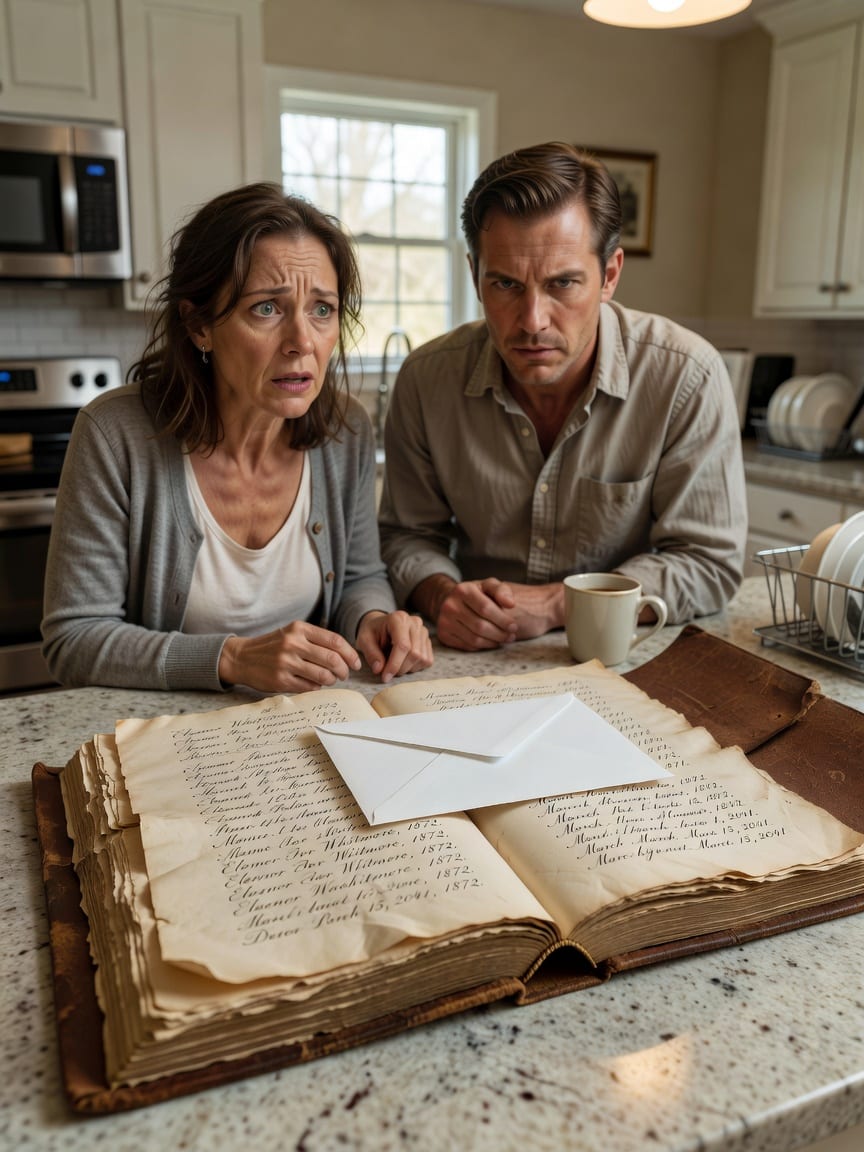
The cream-colored envelope was stiff, almost formal, tucked into my mailbox. No return address, just a crisp postmark from a city an hour south, a place I knew well enough.
Inside, the paper was thick, embossed with an unfamiliar logo: ‘Fenwick Mutual Assurance.’ The letter began with an apology, then informed me, Laura Abbott, that a claim had been settled on my life, in full.
It thanked me for my custom over the years. My custom? I held no such policy. I'd never even heard of Fenwick Mutual.
My fingers went straight for my phone. A quick search. Nothing. I typed 'Fenwick Mutual Assurance dissolved.' The first hit was a dry Wikipedia entry: "Fenwick Mutual Assurance, a regional insurance provider, dissolved in 1971 after solvency issues."
My eyes flicked back to the letter. It listed their old head office: Bodrigan Lane. That address felt familiar, but wrong.
I changed into jeans, grabbed my keys. An hour later, my old sedan was humming down the highway. I typed Bodrigan Lane into my GPS.
It led me to the edge of the city, then onto a six-lane dual carriageway, concrete and asphalt stretching out under a grey sky.
I pulled over onto the shoulder, squinting at the coordinates on the screen, then at the blur of cars. This was it. Where an office building, any building, should have been, there was nothing.
Just endless road, the roar of passing traffic a dull thrum against the windows. No sign of a demolished lot, no faded foundations, just… highway. My heart picked up a beat. This wasn't a mistake. This was impossible.
Back home, the smell of dust and old paper clinging to my clothes, I tried the rational approach. I called my bank. No record of any Fenwick Mutual policy, ever. I called three major insurance companies.
The names were met with polite confusion, then definitive negatives. My rational mind screamed "prank," or "scam."
But the specificity – my full name, the exact date of the postmark, the company that existed just enough to be a ghost – it gnawed at me. A scam tries to get money; this letter asked for nothing.
I needed to see it for myself, something tangible. The local city archives seemed a good next step. They had rows and rows of old business directories.
I spent hours sifting through them, the pages thin and brittle, smelling of decades. My fingers stained with ink and dust. Finally, in a directory from 1968, I found it.
'Fenwick Mutual Assurance,' nestled between a dry cleaner and a furniture store.
It listed a generic office building address downtown, not Bodrigan Lane, but right beside it, scrawled in faded blue ink, almost erased by time, was a tiny, handwritten note: 'Bodrigan - '71.'
My breath hitched. Bodrigan. Seventy-one. The year it dissolved. The year the road was built. It was a breadcrumb, thin and nearly invisible, but it linked everything together: the impossible company, the impossible address, the impossible letter.
It proved it wasn’t some random, isolated mistake. It felt like a trap had just sprung shut, and I was inside.
The old business directory felt like a lead weight in my hand, my mind a storm of dates and half-formed questions. I walked out of the city archives, blinking in the sudden midday sun.
The street was bustling, a blur of faces and urgent chatter. Then, a man stepped directly into my path.
He was in his early sixties, maybe, wearing a tweed jacket that looked like it had seen better decades. His face was kind, but his eyes held a profound weariness, like he’d seen too much of the world’s quiet horrors.
He smelled faintly of old paper, the same scent that permeated the archives. He looked directly at me, his expression shifting from calm to a deep, personal regret that seemed to age him another ten years.
"Laura Abbott," he said, his voice soft but clear, cutting through the city noise. "I am so sorry for what is about to happen to you."
He didn't wait for my reply. Didn't offer an explanation. He just turned, blending into the stream of pedestrians, and was gone. I stood frozen, the heavy directory suddenly an unbearable burden.
His words echoed, colder than the deepest winter, and I knew, with a horrifying certainty, that this wasn't a prank. It was real. And it was just for me.
The man's words, his chilling apology, burrowed into my thoughts for days. Benjamin Forsythe. I tried to find him, combing through public records, but he was a ghost online.
No social media, his registered address was outdated, a vacant lot now. It was like he didn’t exist, except for that moment outside the archives.
Then I found an old local newspaper clipping, brittle and yellowed, from the early 2000s: "Local Historian Benjamin Forsythe Donates Rare Local Maps." The article mentioned his family's deep roots in the city, their long history.
The piece was short, but it gave me a new angle. If he was a historian, he might be online in less obvious places.
I shifted my focus, searching for anything that connected Fenwick Mutual to historical patterns or families.
It led me to a forum for local history enthusiasts, a dusty corner of the internet where people discussed forgotten landmarks and obscure defunct businesses. I scrolled, my heart thumping, until I saw a thread discussing Fenwick Mutual.
One commenter, handle 'OldManBen,' wrote: "Fenwick Mutual was more than just an insurance company, a collector of legacies, you might say. My own family had some… unusual dealings with them, generations ago."
My blood ran cold. OldManBen. Benjamin. He wasn't just a historian; he was connected. He knew.
My fingers trembled as I composed a reply to 'OldManBen.' I asked, carefully, about Fenwick Mutual, about 'claims,' about anything he could tell me. Within minutes, my post was gone. Deleted. No trace.
A cold spike of fear went through me. They were watching.
Later that day, I found a crisp, white envelope tucked under my car's windshield wiper. No address. No stamp. Inside, a single index card, stark white, with a single typed message: 'The past is best left undisturbed.
Your claim has been settled. Do not seek what is already decided.'
A chill ran down my spine. This wasn't an abstract threat anymore. This was a direct, personal warning. The next morning, my smart home assistant, a device I rarely used, activated itself.
A synthesized voice, calm and monotone, broke the silence of my kitchen. "Laura Abbott. Your policy is now closed."
My heart hammered against my ribs. I stared at the innocuous little speaker, then ripped it from the wall, the cord tearing free from the plaster. It clattered to the floor, silent and inert.
The dread, once a gnawing unease, had tightened into a palpable, suffocating presence. It wasn't just watching; it was speaking. And it was everywhere.
Determined, fueled by a terrifying need for answers, I tracked Benjamin Forsythe down through a distant relative mentioned in that old newspaper article.
It took me days, but I found him in a quiet, cluttered antique shop on the far side of town.
He sat hunched over a heavy wooden desk, meticulously cataloging old books, the smell of aged paper and leather thick in the air.
He looked up as I entered, his weary eyes recognizing me instantly. There was no surprise, only a deep, resigned sadness. "I told you I was sorry," he said, without preamble, his voice flat, devoid of emotion.
I pushed, my words tumbling out in a rush, desperate. "The letter. The forum post. The voice. What the hell is going on, Benjamin?"
He sighed, a deep, rattling sound that seemed to come from his very bones. "Fenwick Mutual wasn't about money, Laura. Never was. It was about… succession. Certain names, certain lines. My family. Your family. They don't dissolve.
They simply go quiet, waiting for the next cycle." He leaned back in his creaking chair, his gaze distant. "My own family had a 'claim' centuries ago. Passed down, generation to generation.
My grandfather, he received a similar 'apology' from his father. They knew. They mark you, Laura. And then they collect."
He gestured to a heavy, locked wooden chest behind the counter, an ancient thing carved with dark, intricate patterns. "I have the record. The true policy book."
Benjamin carefully unlocked the chest. The hinges groaned, a sound like a whisper from the past. Inside, nestled on crimson velvet, was a vast, leather-bound ledger, its pages thick with age, the covers scarred and worn.
He opened it to a recent entry, his finger, gnarled with age, tapping a line. My name, Laura Abbott, was inscribed in an elegant, spidery hand. Beneath it, the date matched the letter exactly: 'Claim Settled.'
My hand trembled as I reached out, my fingers brushing the impossible ink. It was real. This impossible, terrifying thing.
Benjamin flipped back several pages, pointing. His own name, then his mother's, and her mother's, all with similar 'Claim Settled' dates, stretching back through his family line. The pattern across dates and names was undeniable, a chilling, generational harvest.
It went back centuries. My vision blurred.
But then, Benjamin's finger traced a line just below my own entry. My breath caught in my throat. There, in the same unsettling script, was another name, instantly recognizable, a name from my childhood: Pamela Novak.
And beneath it, a date. Just a few days from now. Marked 'Claim Settled.'
The pattern wasn't past. It was present. And it was reaching for someone I loved.
"What does 'settled' mean?" I whispered, my voice strained, Pamela's name a physical ache in my chest.
Benjamin closed the ledger, the heavy thud echoing in the quiet shop. His face was grim, etched with the familiar weariness. "It means they collect. Not blood, not money. Something… more fundamental.
They take the person, their place in the world, their very existence, and integrate it into themselves. Their memories, their essence, absorbed. The Bodrigan Lane office was never a building, Laura. It was the site.
An ancient nexus, hidden beneath what became the road. That's where the claims are processed. Where the absorption happens."
He explained that the company 'dissolved' in 1971 because the public facade was no longer necessary. The ledger, the site, the pattern—that was all that mattered.
The entity simply continued its work, unseen, unheard, its 'employees' merely witnesses like himself, powerless to interfere. Benjamin's 'apology in advance' was his acknowledgement of this inescapable, monstrous process. The entity knew. It waited. And it collected.
I didn't waste another second. The leather-bound ledger felt impossibly heavy in my arms as I drove, speeding towards Pamela Novak's house.
I burst through her front door, frantic, my words tumbling out in a desperate flood about ancient entities and generational claims. Pamela, my childhood friend, looked at me like I’d lost my mind.
"You've been reading too many ghost stories, Laura," she laughed, a nervous, dismissive sound. But her smile faltered when I pulled out the cream-colored letter from my bag, identical to my own, and then opened the ledger to her name.
The elegant, spidery script, the impossible date, the sheer, undeniable reality of the artifact slowly drained the color from her face.
As we stood there in her living room, a profound chill descended. Not from the windows, but from within the very walls of the house.
A faint, almost imperceptible hum began, growing from outside, from the direction where Bodrigan Lane used to be. The house itself seemed to sigh, to hollow out, the air thickening, heavy with an unseen presence.
Pamela let out a small, terrified gasp, her eyes wide as she looked from the letter in her hand to the impossible ledger, the truth finally dawning, not as a story, but as a chilling, unavoidable reality.
The hum swelled, a deep, resonant vibration that shook the floorboards.
Pamela Novak vanished. Her family reported her missing, confused and distraught, but there was nothing. No trace. No leads. I tried to explain, tried to tell them about the letter, the ledger, about Fenwick Mutual.
My words sounded like madness, a desperate, rambling confession. They looked at me with pity, then suspicion.
I kept the ledger, a terrible, undeniable burden. My life became a quiet vigil, watching for patterns, for names. I moved away, changed my number, but the dread followed, a shadow clinging to my every step.
The world, oblivious, moved on. Only I carried the weight of what I knew, the silence of Pamela's absence a constant, aching reminder.
Years passed. I am older now, my hair threaded with silver. The ledger remains, hidden away in a locked chest, much like Benjamin's.
I rarely open it, but sometimes, a name will surface in my peripheral life – a local news story, a distant relative mentioned in a family email, someone I barely know.
I'll feel a cold dread, and for a moment, consider. But I never do. I never look them up. What good would it do?
One day, a letter arrives. Cream-colored, postmarked from that familiar city. No return address. The same elegant script. Addressed to Annika Hartley, my distant cousin. I find myself staring at the postmark, then at the envelope.
I know exactly what it says inside. I know exactly what will happen. I don't open it. I just place it carefully on the kitchen counter, next to a half-finished cup of tea, and walk away. The pattern continues, indifferent.
The name is always known.
If this one got to you
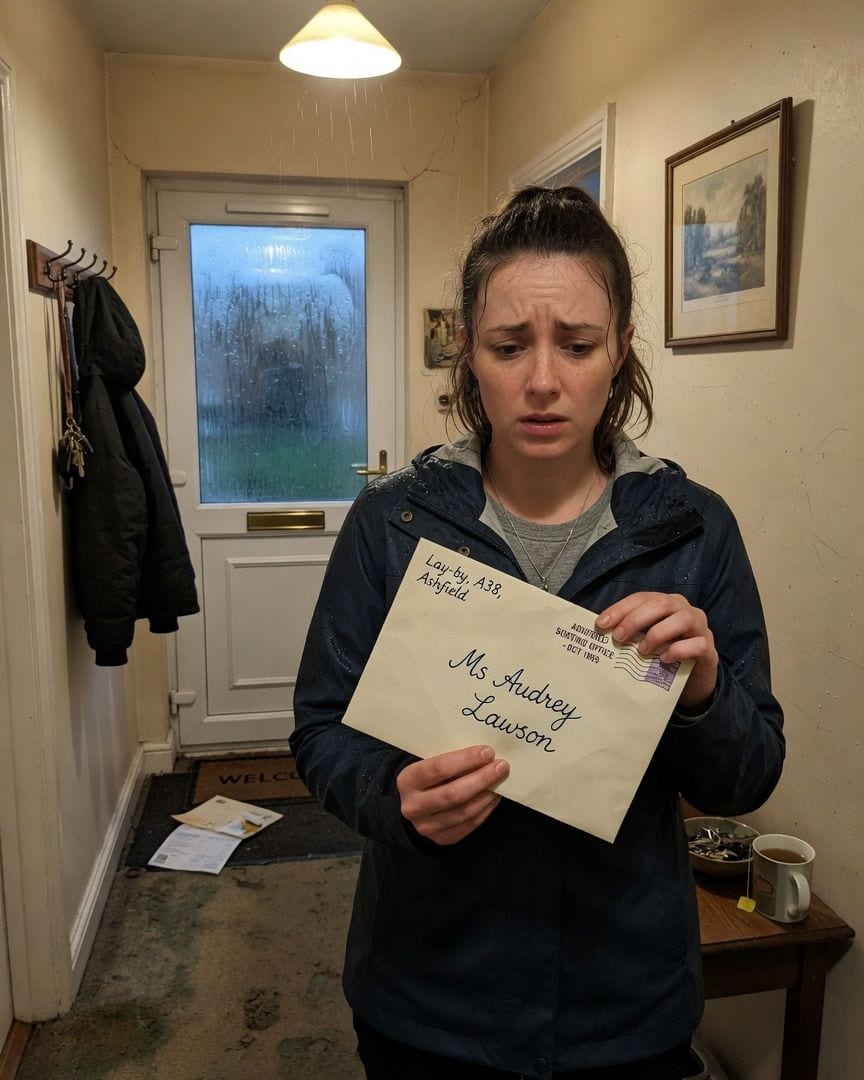
My condolence card arrived for a death that never happened, postmarked from a sorting office that closed before I was born.
My first envelope arrived on a Tuesday, nestled with bills. It bore my full name and a return address for an A38 lay-by that held only a crash barrier. But the postmark read ASHFIELD SORTING OFFICE – OCT 1985, an office decommissioned before I was even born.
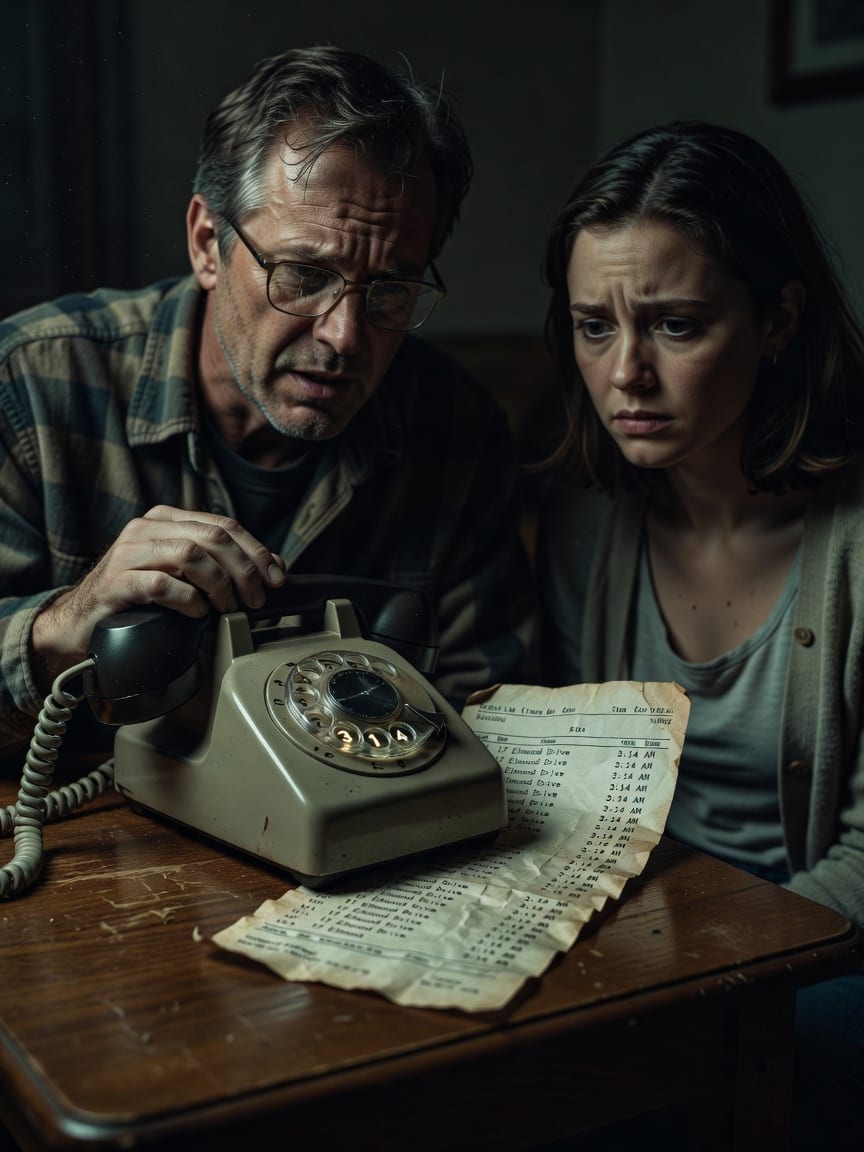
My phone bill itemised forty calls from my number to a house demolished in 1990. Each call at 3:14 AM, lasting eleven minutes. The bill arrived postmarked from a flattened building.
I expected the usual mobile bill, but my landline statement listed forty calls from my number to '17 Elmwood Drive.' That address was for a house torn down in 1990, a vacant lot I remembered from childhood. The phone company insisted the calls were legitimate, leaving me profoundly unsettled by the impossible charges.
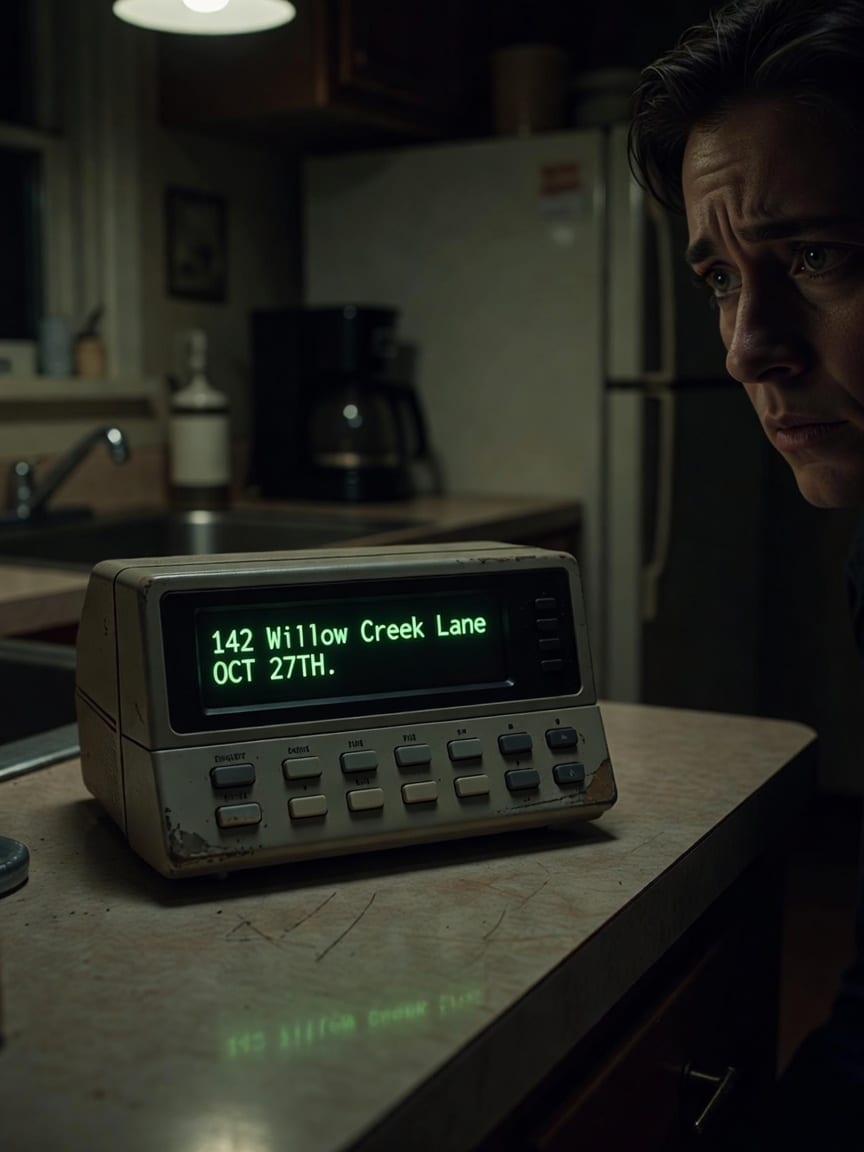
My radio scanner picked up a channel at 2 AM reading local addresses. Mine was on it, dated tomorrow.
I was tracking a storm on my old weather radio when a synthesized voice cut through the static. It began reading local street addresses, then my own: 142 Willow Creek Lane. But the date it gave for my address was tomorrow.
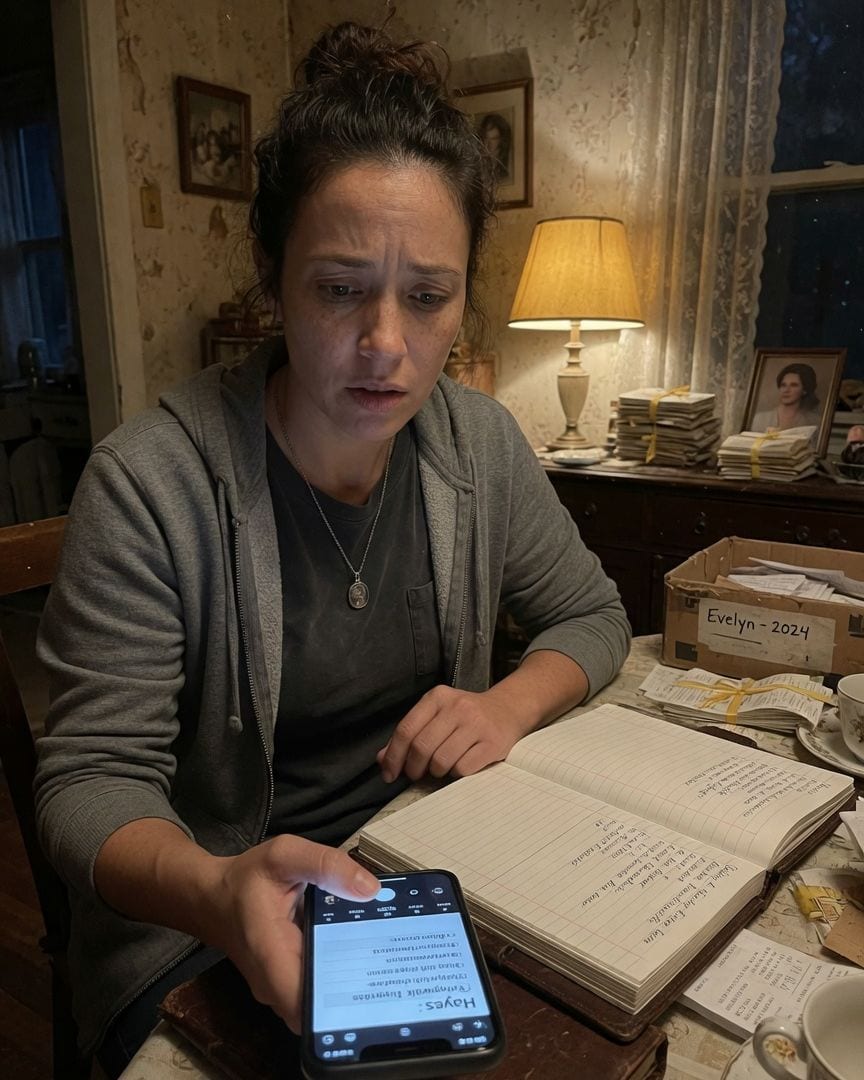
My mother's burial policy paid out on a death every ten years since 1919 — for a different family, in our exact same house on Ropewalk.
Sorting through my deceased mother's old papers, I found a strange ledger detailing a 'death payout' at our house every decade since 1919. But then, a heavily redacted document from 1979 surfaced with my own surname on a transfer form, years before I was even born.
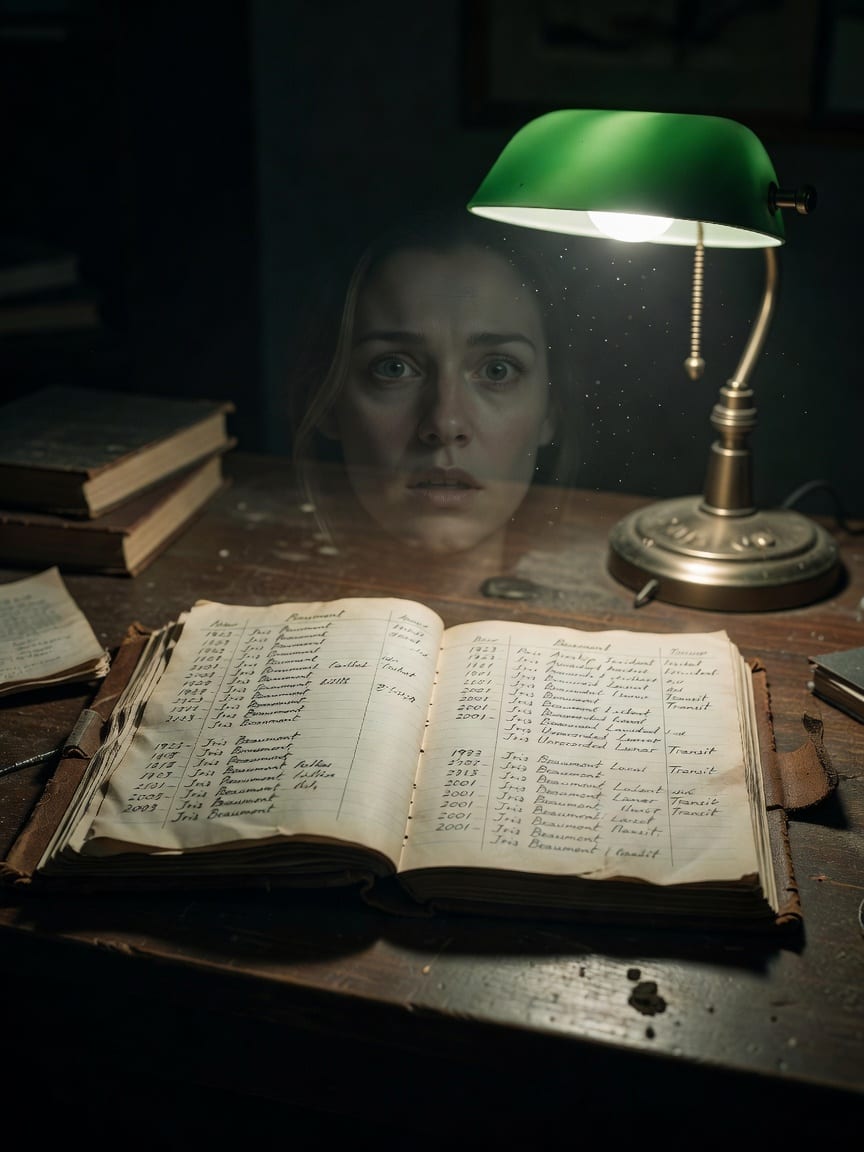
My signature's on the scaffold accident report, dated the morning it fell. I'm an accountant. I've never touched a hard hat.
I'm an accountant, a world away from hard hats and construction sites. But a foreman just showed me a safety form from a site accident, dated this morning, with my signature on it. A handwriting expert confirms it's undeniably mine, even though I've never set foot on a construction site in my life.
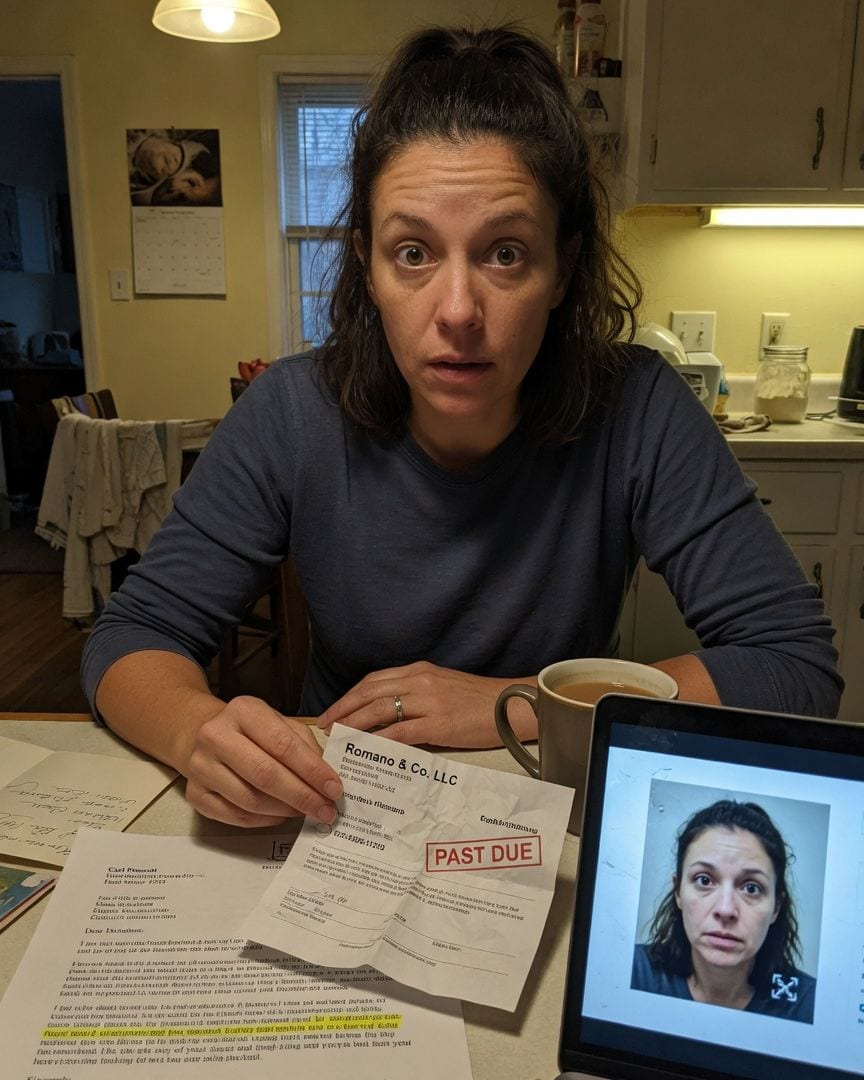
My handwriting appeared on company documents I never signed. It wasn't a forgery; it was unmistakably mine.
I opened a tax notice for 'Romano & Co. LLC,' a company I knew nothing about. Yet, every document bore my unmistakable signature, and an agent insisted I'd been emailing him for months, managing its affairs. It felt as if someone else was living my professional life, with unnerving, impossible precision.