A different tenant every decade since 1949, each one gone — yet our gas meter's final reading comes back identical every time, though the house sat empty in between.
The new house at 14 Elmwood Lane was supposed to be a fresh start. A quiet street, good light, a tiny garden. Everything about it felt…normal. Until the gas bill. Account G-3050. It wasn’t just high; it was wrong.
Discrepancies kept popping up, phantom charges that made no sense. I tried to sort it over the phone, explaining to a succession of increasingly exasperated customer service reps that there had to be a mistake.
Eventually, after what felt like hours on hold, they emailed me a full account history, promising it would clear everything up.
I opened the PDF, expecting to see a messy but ultimately explicable record of my own usage. Instead, I saw a pattern that made my stomach clench. G-3050. Active at my address since 1949.
Every ten years or so, like clockwork, the account was closed. The reason given was always the same: 'supply disconnected, meter left in.' But the final meter reading listed for each disconnected account was also precisely, identically, the same.
Every single time. Different names, different decades, the house standing empty for years between tenants – sometimes a decade at a stretch, according to property records I’d already checked.
Yet that final digit, and every digit preceding it, remained frozen in time. G-3050. The meter reading was 3050.
It was a number that didn’t change, even when there was no one here to read it, no one here to use a single cubic foot of gas. Not a single digit out of place. It wasn't a glitch.
It was too consistent.
I couldn't shake it. The identical meter readings felt like a static hum in the back of my mind, something just beyond the range of normal hearing.
It was too specific to be a glitch, too consistent to be a series of clerical errors. I called the Gas Board again, armed with my printouts, asking about archived records for G-3050.
This time, I didn't let them transfer me back and forth. I was politely, but firmly, insistent. After much resistance and several transfers, I was finally put through to a Desmond Porter, Head of Archives.
He sounded tired, resigned, but after I explained the unnerving consistency of the meter readings, he reluctantly agreed to let me view some older, non-digitized files in person.
He cited "unusual historical interest," a phrase that felt too formal, too deliberately vague.
Weeks later, I found myself in a dusty back room of the Gas Board building, a place that smelled of forgotten paper and stale air.
Desmond, a man in his late fifties with thinning hair and a permanently weary expression, placed a heavy cardboard box on a table. It was filled with brittle, yellowed documents: old invoices, service requests, and internal memos.
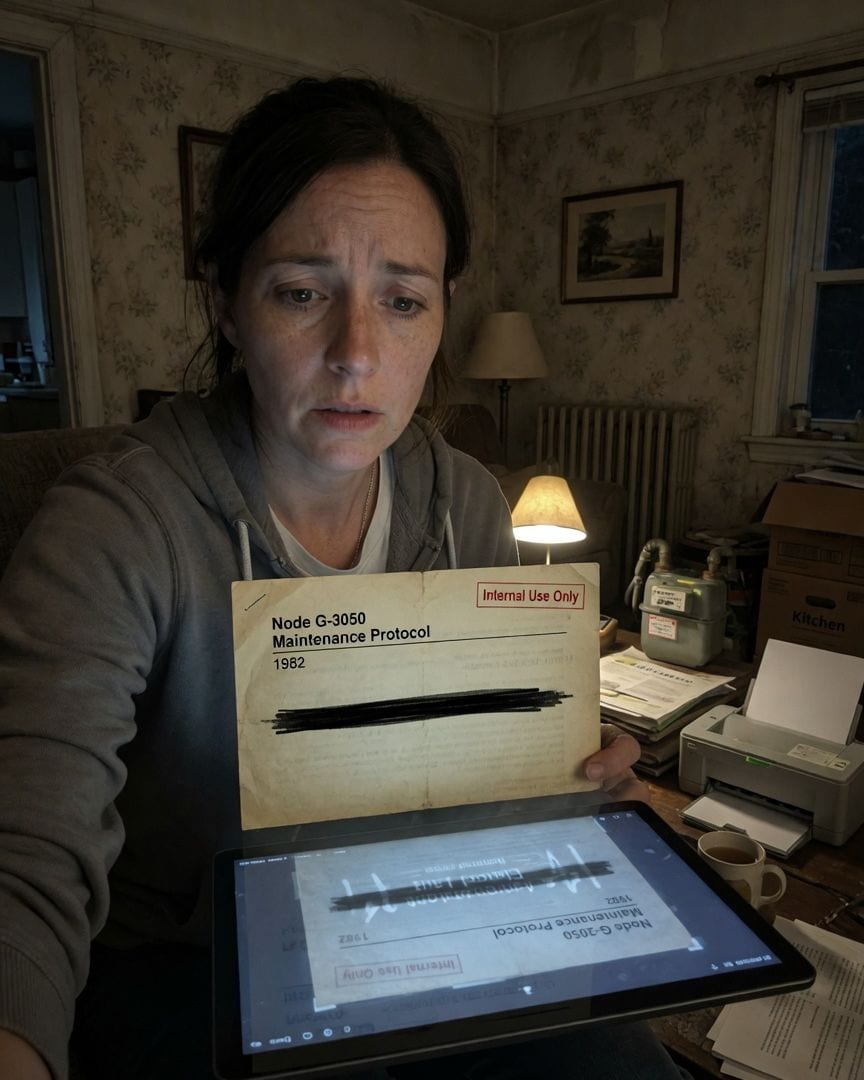
As I sifted through them, my fingers smudged with fine grit, a particular memo caught my eye. It was dated 1982, stamped 'Internal Use Only,' and its subject line stopped me cold: 'Node G-3050 Maintenance Protocol.'
My heart gave a jolt. Node. Not 'property' or 'account.' Node.
I scanned the page, my eyes darting across the faded type, looking for anything that explained the impossible meter readings. Halfway down, a single line was blacked out with thick, permanent marker.
It was utterly unreadable, a solid black bar against the cream paper. But the lines above and below discussed 'site integrity' and 'baseline energy signatures.' Energy signatures? For a house?
I held the page up to the dim archival light, trying to discern any impression beneath the ink, but the black was too dense, too complete. Desmond stood by the door, watching me, his arms crossed.
The room felt suddenly colder, the dust motes dancing in the single shaft of light from a high window.
Frustrated, I carefully packed up the box. The redacted line gnawed at me, a blank space where an answer should have been. Desmond escorted me out, his silence heavier than any explanation he could have offered.
Back home, late that night, I couldn’t sleep. The memo lay on my coffee table, the black line a dark accusation.
I picked it up, carried it to my laptop, and placed it flat against the screen, using its backlight to illuminate the paper. The blacked-out line remained stubbornly opaque, absorbing the light.
Then, I remembered an old trick from my graphic design days: scanning documents at high contrast, sometimes inverting colors, to try and reveal underlying text. My printer, a clunky all-in-one, whirred to life. I ran the memo through the scanner.
On my screen, the digital image loaded. The blacked-out line was still there, a thick, angry bar. But now, with the digital enhancement, a faint impression emerged around the edges of the ink, almost like a watermark bleeding through.
Not words, but the distinct, familiar curve of a street name. 'Elmwood Lane.' My street. And next to it, the faint ghost of a number: '14.' My house.
The memo was dated 1982, decades before I was born, decades before I ever set foot in this house.
The discovery electrified me. My hands were shaking, gripping the edge of my desk. I tried to rationalize it—a coincidence, a template, a mistake on the Gas Board’s part.
But 'Node G-3050' with my exact address, years before my time, was too specific, too perfectly aligned with the impossible meter readings. It wasn’t a mistake. It was deliberate.
I called Desmond Porter again the next morning, feigning a follow-up question about the archives. I subtly probed about the 'Node G-3050' reference, but Desmond was suddenly cold, his voice flat.
He claimed it was an old, misfiled document, a relic from a "long-defunct experimental energy initiative." His tone was too quick, too dismissive, the words rehearsed. It was a lie.
I could feel it in the way he spoke, the almost imperceptible tremor in his voice, like a tightly wound spring.
Ignoring his thinly veiled warning, I started looking up more old property records for 14 Elmwood Lane. I found a succession of short-term tenants, interspersed with long periods—five years here, seven years there—where the house was listed as 'unoccupied.'
Yet, the gas account history from the Gas Board showed continuous 'activity' in the form of those identical final meter readings, always 3050. The house was empty, but the meter was quietly, stubbornly, reading the same non-existent consumption.
I went back to the printed memo, the one with my address revealed. I examined the surrounding text, the faint impressions around the heavy redaction. It wasn't just my house.
Several other addresses on Elmwood Lane were mentioned, though not blacked out. And then there were the cryptic references to 'containment zones' and 'proximity monitoring.' My house wasn't unique; it was part of a network.
A chill spread through me, colder than the air-conditioned archive. This wasn't about a faulty bill. It was about something deeply, intrinsically wrong with my house, and with this street.
My persistent inquiries seemed to have triggered something. A few days after my call with Desmond, I received an anonymous email. It was just a single line, stark against the blank background: 'Some things are better left buried, Ms. Brooks.'
It was sent from a disposable address, untraceable. I deleted it, trying to convince myself it was a prank, a stray bit of spam. But the hairs on my arms stood on end.
Then, a plain, unmarked white van started appearing a few houses down my street. Sometimes for hours at a time. The driver was always obscured, a dark shape behind tinted windows.
I told myself it was just a contractor, or someone doing work nearby. But it was always there when I left for work, and sometimes when I came home. Always the same van, the same spot.
One evening, after a late shift, I found my front door ajar. Just a crack, barely noticeable, but definitely open. I’m meticulous about locking up. My heart hammered against my ribs.
I stood in the doorway, listening, my hand still on the doorknob. Nothing. The house was silent. Nothing was stolen, nothing was disturbed, but a faint, metallic scent hung in the air, like ozone after a thunderstorm. My skin prickled.
I checked every room, every closet, heart thumping. Empty. I tried to convince myself it was a draft, or just my increasing paranoia. But the unease solidified into dread, heavy and cold.
Later, while reviewing my security camera footage from that evening, I saw nothing overtly suspicious. Just a brief flicker in the feed around the time I believed the door was opened. A split second of static, then back to normal.
A glitch. Or was it? The next day, Desmond Porter called me directly. His voice was tight, without any of his usual weary politeness. 'Ms. Brooks, I must insist you cease your inquiries into these matters.
You are interfering with sensitive, ongoing operations.' He didn't elaborate, didn't threaten explicitly, but the implication was clear: my digging had been noticed, and I’d crossed a line. The air in my office felt thick, heavy with unspoken warnings.
Now genuinely frightened, but also resolute, I knew I couldn’t back down. I had to know. I decided to confront Desmond Porter one last time.
I showed up at the Gas Board offices, unannounced, the redacted memo—my secret weapon—clutched in my hand. I walked past the reception desk, my stride purposeful, heading straight for the archives.
When I found Desmond, he looked up, his eyes wide with alarm.
"Ms. Brooks, I told you—"
"I know what you told me," I cut him off, my voice shaking slightly despite my efforts. "I also know about G-3050 and the 'Node Maintenance Protocol.'
I know about the meter readings that never change, and I know about my address, 14 Elmwood Lane, written on a memo from 1982." I pushed the scanned copy of the memo across his desk, the redacted line glaring.
He visibly flustered, glancing around the busy office floor. "This isn't the place." He grabbed my arm, his grip surprisingly firm, and practically dragged me to a secluded conference room at the end of a deserted corridor.
The door clicked shut behind us. He paced, rubbing his temples, a vein throbbing in his forehead. The silence stretched, broken only by his anxious sighs. The conference room felt heavy, the very air thick with his apprehension.
"Alright, Ms. Brooks," he finally said, turning to face me, his shoulders slumped. "You've stumbled onto something… delicate." He sat down heavily, gesturing for me to do the same. His voice was barely above a whisper.
"The Gas Board has a highly classified, off-the-books division. It’s not on any public record. Their purpose, he stated, is to monitor and manage 'anomalous energy signatures' emanating from specific subterranean points. Geological anomalies."
He paused, taking a deep, shuddering breath. "Your house, Chloe. 14 Elmwood Lane. G-3050. It’s one such point. A 'node.'"
The word hung in the air, heavy and solid. My throat was dry.
"The identical meter readings," he continued, watching my face intently, "they aren't a glitch. They represent a 'baseline energy draw.' A minimal, fixed consumption that must be maintained. It keeps whatever is down there… dormant.
We’ve been doing this for decades, managing these nodes, ensuring societal stability. It's containment, Ms. Brooks. To prevent something far worse from manifesting. A wider, catastrophic manifestation."
He looked exhausted, defeated. "We thought it was under control. We had it all managed. The redacted line was part of an internal audit, listing these critical nodes and their 'maintenance protocols.'
The addresses were blacked out for obvious reasons, but the system had its vulnerabilities, clearly." He ran a hand over his face. "We aren't just filing records; we're actively maintaining a delicate balance. It's not benevolence. It's management. Controlled consumption."
Desmond slumped further into the chair, running a hand over his face. "You need to stop, Chloe. This isn't just about records, or an old memo. This is about… containment that isn't perfect."
He explained that there were certain individuals, 'managers,' who were tasked with living near these nodes, acting as a kind of human buffer or monitor. Their presence, their quiet observation, somehow helped maintain the delicate balance.
He paused, looking at me with a haunted expression, his eyes wide with fear. "One of our oldest managers… he lived right next door to your house for decades. Felix Vaughn. Retired meter reader. He was one of the first.
He knew everything about G-3050. He was part of the system."
My breath caught in my throat. Felix Vaughn. The quiet old man I’d seen tending his garden in the house next door, 16 Elmwood Lane, before he moved out a couple of years ago.
The one who always offered a mild, knowing smile. He wasn’t just a neighbor, not just a witness to the strangeness of G-3050.
He was an active participant in this chilling, decades-long deception, living literally feet from the source of the wrongness, his entire life a quiet vigil over my house.
I found Felix Vaughn living in a small, meticulously neat retirement home on the other side of the city. He greeted me with a calm, almost serene expression, as if he’d been expecting me.
His room was sparse, but filled with a quiet order. He didn’t deny anything Desmond said.
"The Gas Board isn't containing it, dear," Felix said, his voice raspy but clear, settling into an armchair. "They're feeding it. Just enough to keep it quiet."
He explained that the entity, or 'pattern' as he called it, wasn't malevolent in a human sense, but a fundamental, parasitic energy that anchored itself to specific geological points, drawing on ambient life force.
The G-3050 reading, the unchanging number on my meter, was its minimum sustenance. The 'managers' like him weren't just observers; they were conduits, their proximity subtly influencing the node, keeping its hunger manageable.
He unfolded a set of old, hand-drawn maps, brittle with age. They were crisscrossed with lines connecting various addresses, not just on Elmwood Lane, but across the city, little red circles marking key points.
"Your house," he pointed to 14 Elmwood Lane, "is a particularly strong anchor. And my house, 16, was positioned to help stabilize it." He explained that my inquiries, my disruption of the 'quiet management,' had upset a very delicate equilibrium.
The institution, he clarified, wasn't a benevolent protector, but a pragmatic shepherd, sacrificing a little to save the whole. He looked at me, his eyes unblinking, strangely luminous. "You’ve woken it up, Chloe. Not violently, but it’s… shifting its attention.
It knows you’re there now."
Felix explained that the system needed to re-establish its balance, and I, by uncovering it, had become a focal point. He offered no solution, only a quiet, unsettling resignation. "The management will try to re-integrate you, Ms. Brooks.
To make you a new… manager. Or they'll find another way to quiet your node." He described how the entity, now 'aware,' would subtly influence the house, tempting me to stay, to manage its 'consumption.'
He described sensing a low hum from his own house for decades, a constant, almost comforting presence, until he moved out and the hum faded. A kind of psychic tether.
As he spoke, I felt a faint, almost imperceptible vibration under my feet, a deep thrumming that seemed to emanate from the ground itself, not just the floorboards. It wasn't a sound, but a feeling, resonating in my bones.
The fluorescent lights in the retirement home common room flickered erratically, casting long, dancing shadows. Outside, distant sirens began to wail, a rising chorus. Felix smiled, a sad, knowing expression. "It's starting. The network is reacting."
He closed his eyes, a peaceful sigh escaping him, as if a great burden had been lifted. The room suddenly went dark, plunging us into silence, save for the wailing sirens.
The low thrumming intensified, a pulse beneath the concrete, and I felt a strange pull, a profound sense of connection to my house, to the network, to the thing beneath. I knew, with terrifying certainty, that this wasn't over.
The containment was failing, not just for G-3050, but for other nodes, too. The quiet management had been disrupted, and the entity was now broadcasting its presence across the city.
The power returned a few minutes later, the fluorescent lights buzzing back to life. But Felix Vaughn was gone. His armchair was empty. I called for help, but the staff could find no record of him being admitted.
No Felix Vaughn, not today, not ever.
News reports began to surface, widespread, inexplicable power fluctuations across the city, dismissed by authorities as 'grid instability.' My phone buzzed with texts from Sandra, asking if I was alright, complaining about her own lights flickering.
The Gas Board issued a public statement about 'unforeseen infrastructure challenges.'
I returned to a house that felt different, strangely alive. The faint hum was now constant, a low vibration in the floorboards that resonated in my chest. It was subtle, but always there.
I found a new bill in my mailbox, addressed to me, for account G-3050. The amount due was zero, but the 'current meter reading' was precisely 3050, exactly the same as the 'final meter reading' from all the old records.
The hum in the house is constant now, a low thrum that has become part of me. I’ve learned to live with it, like a persistent tinnitus that vibrates through my bones.
I still work, still see Sandra, but a part of me is always listening, always aware of the subtle pulse beneath my feet. The Gas Board never contacts me again.
Occasionally, I drive past other houses I recognize from Felix’s old maps. Sometimes, I catch a glimpse of a figure in a window, standing still, watching. People who seem too calm, too still.
I wonder if they hear the hum too. I wonder if they are 'managers.' I wonder if I am one of them now. I find myself checking my own gas meter, G-3050, every morning. It never changes.
The numbers stay fixed.
The silence that used to surround it is gone, replaced by the faint, persistent thrum of something ancient, something fed, something that is never truly alone.
If this one got to you
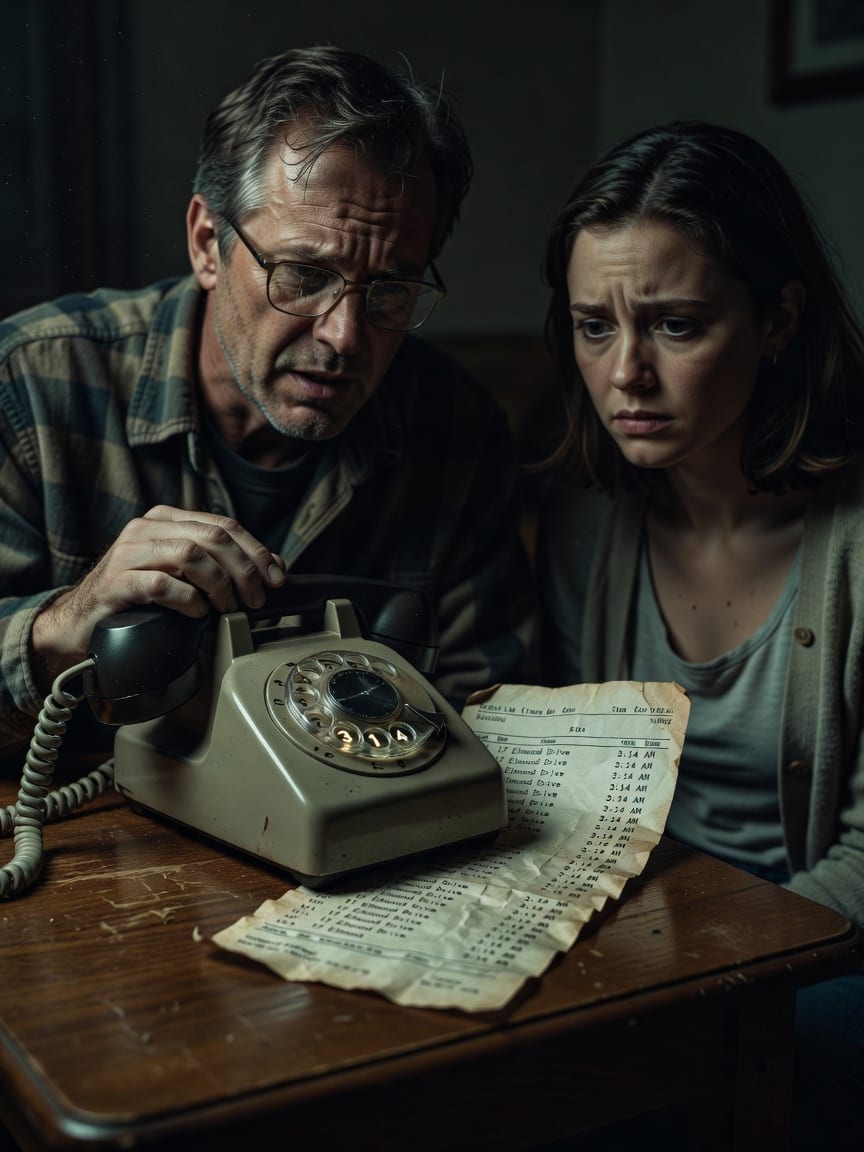
My phone bill itemised forty calls from my number to a house demolished in 1990. Each call at 3:14 AM, lasting eleven minutes. The bill arrived postmarked from a flattened building.
I expected the usual mobile bill, but my landline statement listed forty calls from my number to '17 Elmwood Drive.' That address was for a house torn down in 1990, a vacant lot I remembered from childhood. The phone company insisted the calls were legitimate, leaving me profoundly unsettled by the impossible charges.
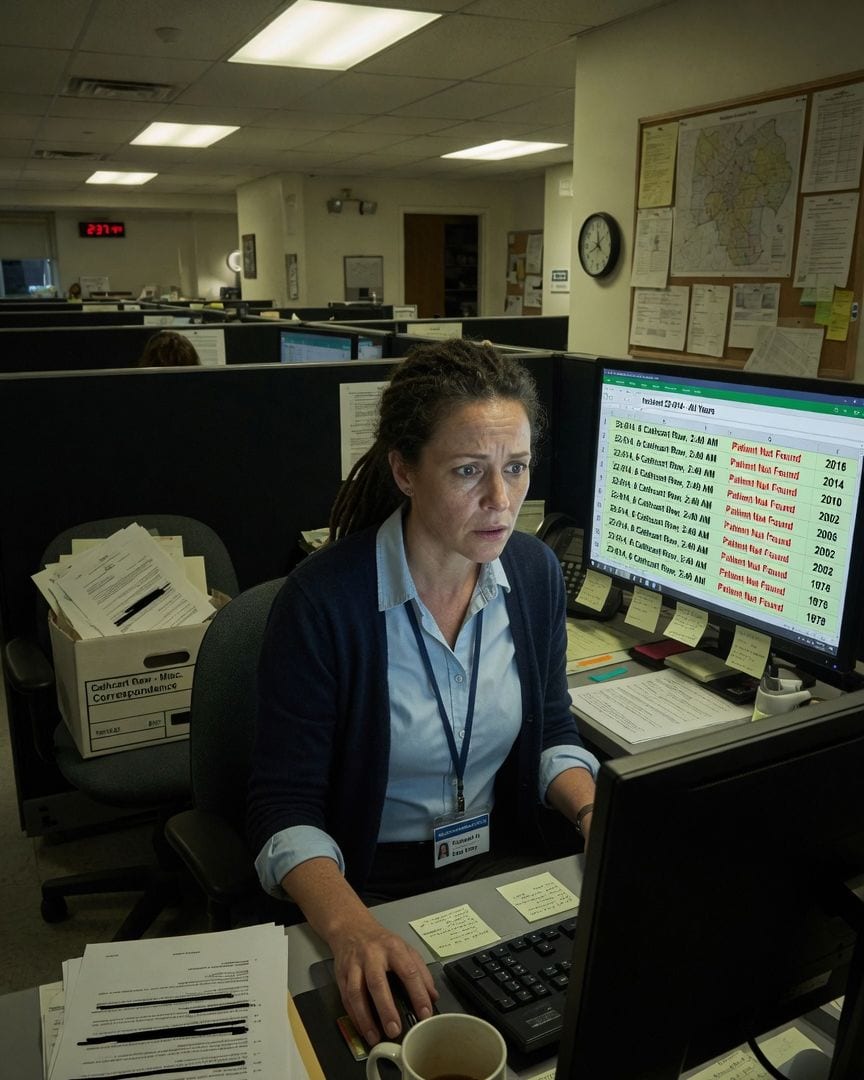
My computer log shows the same 2:40 AM call to Cathcart Row, every four years since 1978, always closed 'patient not found'.
Working data entry for the County Ambulance Trust, I found a routine incident logged as 'Patient Not Found.' But digging deeper, I discovered the exact same phantom call had repeated every four years for over forty years, always at the same address, always at 2:40 AM. Then I found a heavily redacted memo linking it to my own street.
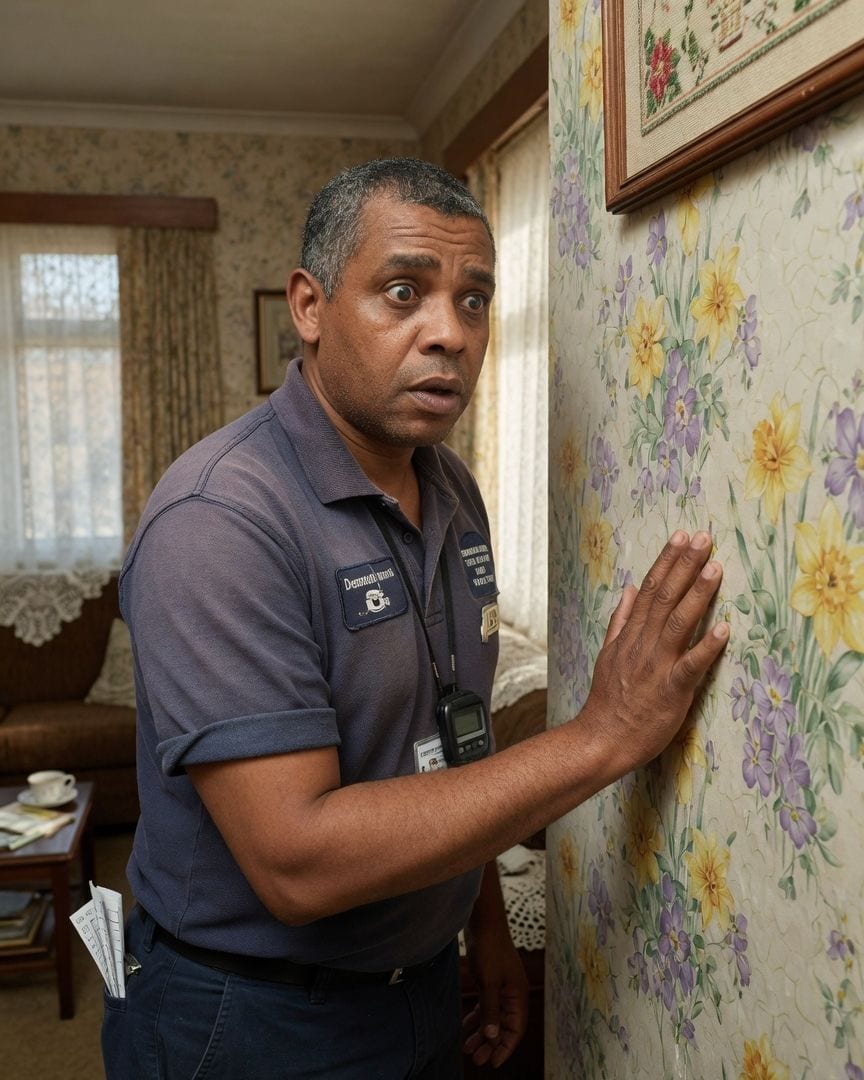
I read the water meters on this street, and this month number 30 grew a second one in pavement that was solid last month — its pipe runs back under a front door I cannot find.
I'm Desmond Drummond, a city water meter reader, used to the predictable rhythm of my fifteen-year route. But this month, Mrs. Crane's house on Elm Street showed a second meter reading. It led to a new meter pointed at a blank brick wall, and later, to a hidden door behind her living room wallpaper where no door should exist.
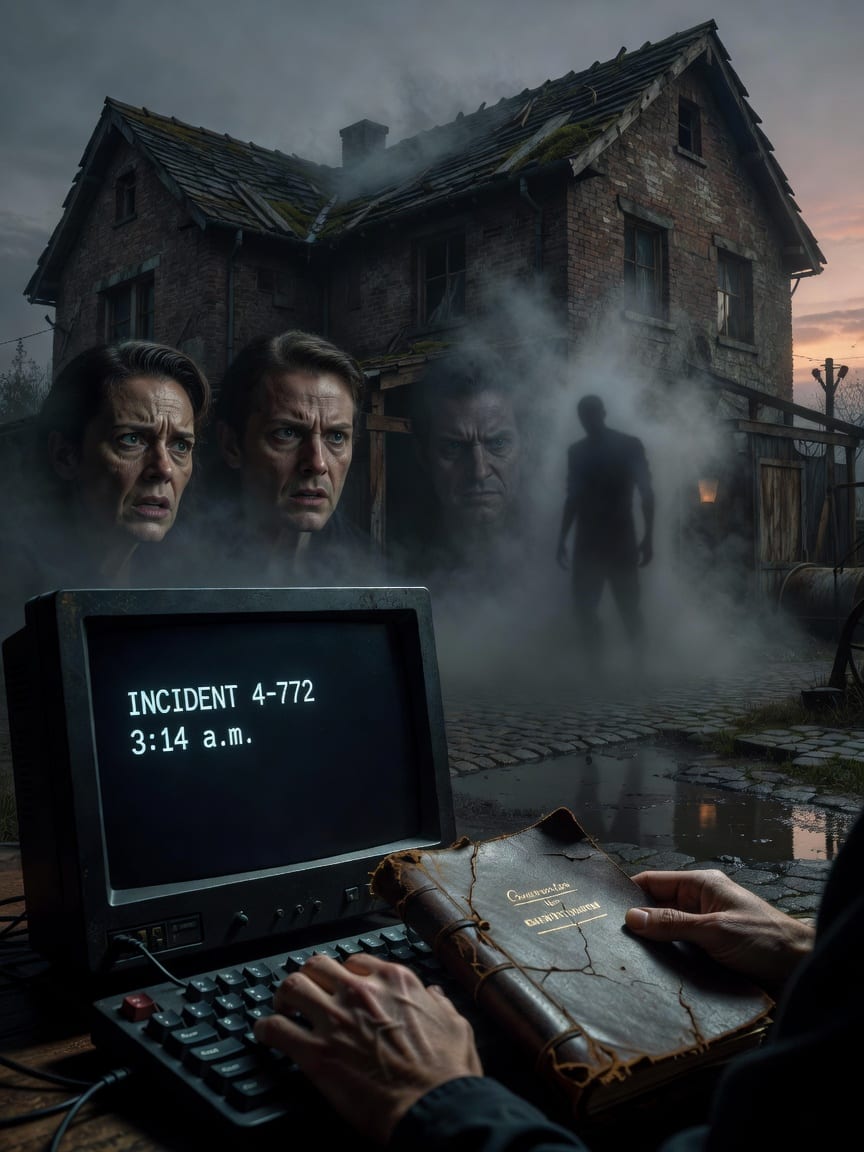
My screen showed Incident 4-772: a fire at the old rope works, 3:14 a.m. It was logged again for 1980. Then 1967. And 1993. Same incident, same time, same building. Each report ended with the same three words: 'expect recurrence.'
As a new archivist, I usually found my work digitizing old fire service records monotonous, until I found a heavily redacted line in a 1961 site assessment. Faint letters beneath the black bar slowly revealed my own family name, DRUMMOND, dated years before I was even born.
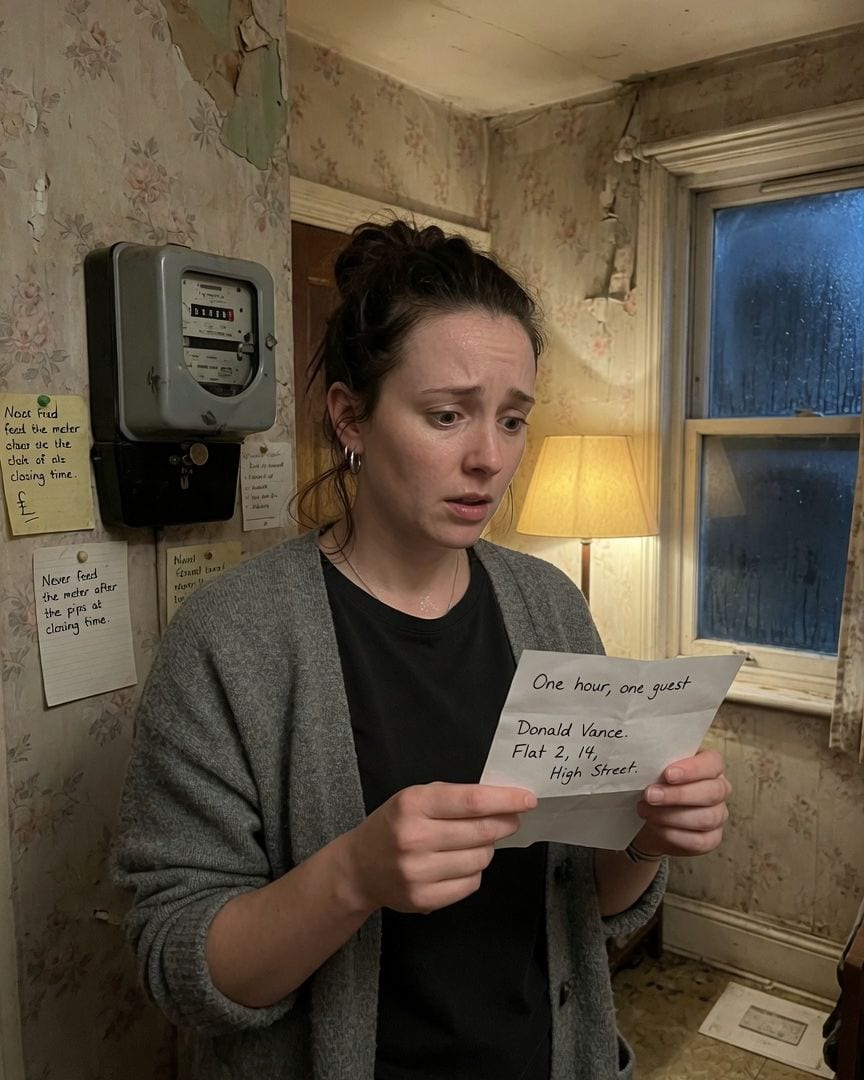
The moment I fed the meter a pound, every light on the terrace dimmed at once. By morning a handwritten bill lay under my door — 'one hour, one guest' — addressed to the man who died in this flat before me.
I'd just moved into an old flat, dismissing my landlady's odd rules about the electricity meter. After feeding it late one night, a handwritten bill appeared under my door from the previous tenant – a man who had died months ago in this very flat.
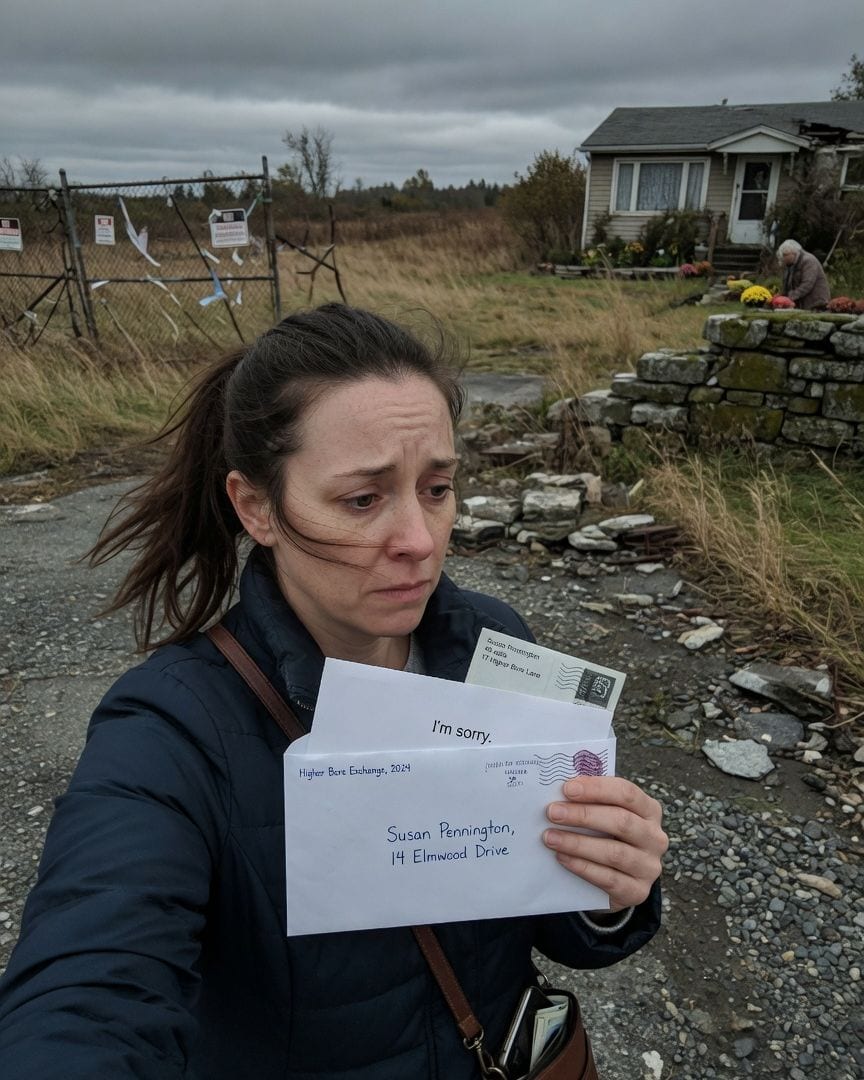
My phone bill listed forty calls made at 3:14 AM to a house demolished in 1990. The paper bill came from a flattened building. My name is on it.
I stared at my phone bill, my morning coffee forgotten. It detailed forty calls, each at 3:14 AM, to an address I knew was a vacant lot where a house had stood decades ago. But the real dread began when I saw the bill's return address: a telephone exchange flattened years before.