The drowned church's peal board has new chalked dates. My town says it's been under sixty feet of water since 1936.
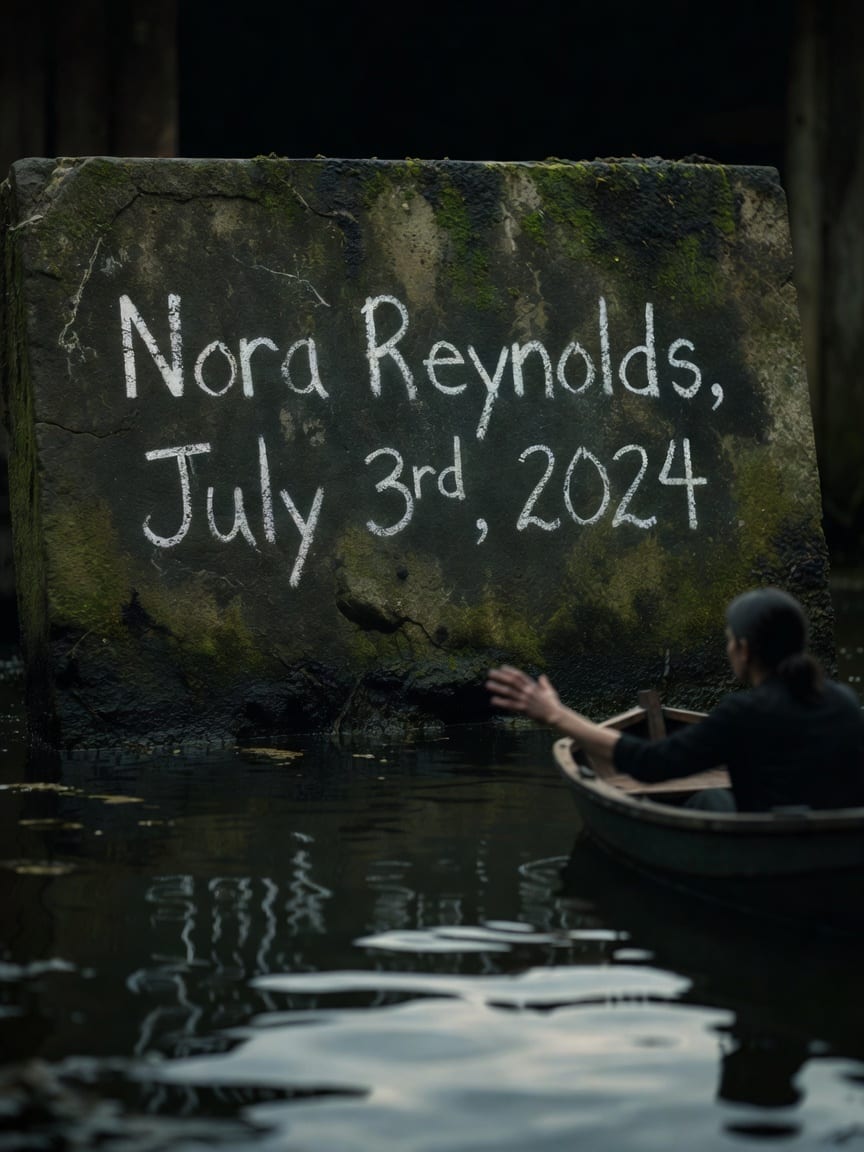
The drought had dropped the reservoir this July, exposing the tip of the drowned church spire, a skeletal finger pointing skyward from the murky water.
Every local in Oakhaven, from the gruff fishermen to the quiet shopkeepers, had given me the same terse warning: 'Don't row out to it.' I’d just moved here, a city-dweller escaping the noise, and their superstition felt charmingly quaint.
So, on the morning of the 6th, I'd rented a small rowboat and navigated the low water, drawn by the sheer novelty of it. The air was still, heavy with the scent of damp earth and stagnant water.
I’d reached the tower, its stone slick with algae, and with a childish thrill, touched the corroded weathercock. That’s when I saw it: just above the waterline, on the exposed stone of the bell tower, was a bell-ringers' peal board.
It was surprisingly well-preserved, listing names and dates of full peals from Oakhaven's past. But the last entry, chalked in a stark, white script that looked impossibly fresh against the aged stone, read: 'Nora Reynolds, July 3rd, 2024.'
A full peal, rung three nights ago, for a village that had lain under sixty feet of water since 1936. The chalk dust hadn't even washed away.
I stared at the impossible date, my fingers still tingling from the weathercock, a chill unrelated to the cool lake water crawling up my spine.
Back on shore, the chill persisted. I tried to dismiss it as a prank, a local kid's elaborate joke.
But the precision of the date, the sheer effort of getting out there to chalk it, felt too specific for casual mischief. I downloaded a historical map of Oakhaven, overlaying it with current satellite imagery.
The church was undeniably at the deepest point of the reservoir.
A quick search for 'Nora Reynolds Oakhaven' yielded nothing recent, but an old forum post from 2008 mentioned a 'Nora Reynolds' who had 'gone missing' from a nearby town during a previous drought.
The details were vague, dismissed as a runaway, but the date of her disappearance was listed as July 15th, 2008. Not matching my chalked date, but the name... My curiosity, already piqued, now felt like an itch.
I decided to visit the local historical society, a small, dusty room above the library. Oliver Rutherford, the town elder and unofficial archivist, sat behind a desk piled high with ledgers.
He was a man carved from old wood, his eyes sharp despite his age. I hesitantly brought up the church, mentioning the 'old peal board.' He looked at me, a flicker of something unreadable in his gaze.
'Best leave that old place be, Catherine,' he said, his voice slow and even. 'Some things are better left drowned.' I pressed him, asking about Nora Reynolds, July 3rd, 2024. His eyes narrowed, then he simply shook his head.
'No one by that name here now, child. And no bells have rung in Oakhaven since '36.' His calm dismissal, rather than reassuring me, only deepened the wrongness. He didn't deny the chalk, he denied the possibility of it.
I left the archives with a growing sense of unease, the echo of his words 'no bells have rung' clashing with the undeniable date I'd seen.
That night, unable to shake the feeling, I went back to the old forum, digging deeper into 'Oakhaven disappearances.' I found a scanned newspaper clipping from 1983. 'Local Man Vanishes After Drought Exposes Old Oakhaven.'
The article detailed the disappearance of Carl Reynolds, a fisherman, on July 18th, 1983. The name 'Reynolds' stood out. I pulled up the photo I'd taken of the peal board on my phone. My heart hammered.
There, two entries above 'Nora Reynolds, July 3rd, 2024,' was another chalked entry: 'Carl Reynolds, July 18th, 1983.' The dates matched perfectly. The names, too similar to be coincidence.
I stood in the dusty town archives, my finger tracing a newspaper headline from 1983 about a missing local man, Carl Reynolds, whose disappearance date perfectly matches a chalked entry on the church's peal board I'd photographed just yesterday.
The next morning, the 'prank' explanation lay shattered. Carl Reynolds, Nora Reynolds. The pattern was too precise. I returned to Oliver Rutherford, this time armed with the newspaper clipping and my phone photo.
He simply looked at them, his face unreadable. 'Some families have a difficult history with the water, Catherine,' he offered, still calm, unperturbed. 'The lake gives things back, and it takes them too.' It was a practiced evasion.
I pressed him on the dates, the specific chalk. He sighed, a slow, rustling sound. 'The town has its ways. Its rules. You were told not to row out.' I realized he wasn't just being evasive; he was warning me.
I shifted tactics, spending hours at the town hall, poring over old property deeds and census records, anything that might shed light on the submerged Oakhaven. I learned that the Reynolds family had indeed lived in the old village.
I also noticed a curious anomaly in the town’s weather records: significant droughts, mirroring the current one, seemed to occur roughly every 15-20 years. Each time, the reservoir levels dropped dramatically.
I cross-referenced these drought periods with old police reports for missing persons. The correlation was chilling.
Joseph Carver, a taciturn fisherman I'd seen mending nets by the docks, had lost his brother, Kenneth Carver, in 2008 – the same year Nora Reynolds (from the forum post) had vanished.
The official report cited a boating accident, body never recovered. I found an old photo of Kenneth. He was Nora Reynolds's cousin. And on the peal board, just below Carl Reynolds, was 'Kenneth Carver, July 15th, 2008.'
The chalked dates weren't random; they were a macabre ledger. I felt a faint, almost imperceptible chime, a low, resonant note, seeming to echo from the floorboards beneath my feet.
My digging hadn't gone unnoticed. Later that day, as I walked past the local diner, Sandra Drummond, a woman who worked there and had given me the 'don't row out' warning, intercepted me. Her voice was low, urgent.
'Catherine, you need to stop asking questions about the old place. It's not a story. It’s a peace.' Her eyes darted nervously towards the lake. 'Some things, you let them sleep.'
That night, after hours spent meticulously charting the disappearances against the drought cycles, a strange unease settled over my house. I was alone, but I kept feeling a faint, cold breath on the back of my neck.
Then, a low, resonant note, like a distant, deep bell, seemed to emanate from the very walls. It wasn't loud, but it hummed in my bones.
I tried to rationalize it – old pipes, the wind – but it felt too specific, too… deliberate. I grabbed my phone, intending to call Sandra, but stopped. Was this 'peace' she spoke of, something the town actively maintained?
The next morning, I found a small, tarnished silver bell, no bigger than my thumb, lying on my porch. It wasn't an antique; it looked like something recently lost. I picked it up.
It was cold to the touch, and as I held it, I felt a faint vibration, a ghostly echo of that resonant note from last night.
I looked out at the reservoir, a sliver of the spire visible in the distance. Someone knew what I was doing. Someone had left this as a warning, or perhaps, a call.
I confronted Oliver Rutherford again, this time with the silver bell in my hand. 'What is this, Oliver? What are these dates? What happened to Carl and Kenneth and Nora?'
His calm facade finally cracked, a flicker of weary resignation in his eyes. He took the bell from me, turning it over in his palm. 'This is a counter-charm, Catherine. An old thing. Passed down.'
He paused, staring out the window towards the reservoir. 'The village was drowned, yes. But not everything stayed drowned. The tower… it’s a focal point. When the water gets low enough, it can… reach.'
He explained that the 'peal board' wasn't for human bell-ringers anymore. 'It's a ledger, child. For the one who answers the call.' He revealed that the entity, whatever it was, didn’t physically ring bells.
It projected a 'call,' a resonant frequency that only certain people, often those with a deep connection to the lake or the old village, could truly hear. 'The dates are when it successfully called someone.
When they went to the tower, and became part of its… congregation.' The town knew this. They had always known. The rule, 'don't row out to it,' wasn't a superstition.
It was a generational agreement, a desperate measure to keep the thing dormant. They tried to keep the lake undisturbed, to prevent the spire from showing, because exposure allowed the 'call' to resonate stronger.
My touching the weathercock, Oliver said, had 'opened the ear' for the current cycle. The first truth clicked into place: the chalked dates, the disappearances, the local warnings.
It wasn't a legend; it was a living, breathing threat, carefully managed by generations of frightened townspeople. And I had just broken their peace.
Oliver explained that the entity's 'call' was subtle at first, a faint chime, growing stronger the closer one got to the tower, or the more one focused on it. 'It pulls you, Catherine.
Makes you want to go to the tower. To join the peal.' He urged me to leave Oakhaven, to forget what I'd seen. But the pattern across dates and names gnawed at me. The cycle, every 15-20 years.
Carl Reynolds, Kenneth Carver, Nora Reynolds. And now, the fresh chalked date: Nora Reynolds, July 3rd, 2024. But Nora, according to the forum, had disappeared in 2008. The name matched, but the year was wrong.
It was the same name, but a different date. I went back to the old forum post, the one mentioning Nora Reynolds' disappearance in 2008.
I scrolled down, past the initial reports, to a later comment from a concerned relative, dated 2010. It read: 'My cousin Nora was never found.
But her mother, Joan Reynolds, swore she saw Nora walking by the reservoir last month, looking… different. Like she was listening for something only she could hear.' My blood ran cold.
Nora Reynolds hadn't just disappeared; she had been 'called' before, and now, her name was on the board again, for this current cycle. The entity wasn't just claiming new victims; it was re-calling, re-activating.
As I stared at the chilling implication, a faint, clear chime, like a distant bell, came not from outside, but from somewhere deep within my own house, resonating in my chest.
I sat alone in my living room, the old town ledgers and maps spread out, illuminated by my laptop screen.
On the screen, a satellite image of the reservoir shows a faint, almost imperceptible discoloration, a ripple radiating from the submerged church location.
As I zoomed in, I heard a faint, clear chime, like a distant bell, coming not from outside, but from somewhere deep within my own house.
The chime intensified, a low thrumming that resonated through the floorboards, through my very bones. It wasn’t a sound in the air; it was a vibration, a deep, pulling current. Oliver’s words echoed: 'It pulls you… to join the peal.'
The second Nora Reynolds entry wasn't a mistake; it was the entity re-claiming. The 'peal' wasn't just a call for new victims; it was also a re-activation, a re-gathering of its 'congregation.'
The previous victims, like Nora, weren't simply gone; they were part of it, dormant until the next cycle, when they would be drawn back to the tower, their names re-chalked.
The faint ripple on the satellite image, the discoloration near the church, wasn't just a physical phenomenon; it was the visible manifestation of the 'call' spreading through the water, amplified by the exposed spire.
Every clue clicked into place: the repeated names, the cyclical droughts, the 'peace' the town tried to maintain by keeping the water high.
The silver bell on my porch, I now understood, wasn't a warning from a local; it was a lure, a small resonator left by the entity, drawing me closer, making the 'call' clearer.
It wanted me to come, to complete the current 'peal.' My earlier touch of the weathercock hadn't just 'opened the ear'; it had marked me, designated me as the first of this cycle.
I was being called, just like Carl, Kenneth, and Nora before me. The entity didn't need bells; it needed an audience, a choir of the lost, and I was the newest member.
The 'call' was now a constant, almost overwhelming presence in my mind, a siren song promising quiet and belonging. I knew I had to go to the tower, but not to join. I had to stop it.
I drove to the reservoir, the moon hanging low and full, casting an eerie glow on the exposed spire. The water was unnaturally still. I rowed out, the small boat gliding silently.
The chime was deafening now, a physical pressure against my skull, urging me onward. As I neared the tower, I saw figures in the water, indistinct, shimmering, moving slowly towards the spire.
They were like shadows, barely visible in the moonlight, but I felt their presence, a multitude of 'called' souls. They were the congregation, the peal that never truly ended. I knew what I had to do.
Oliver had mentioned the 'peace' the town tried to maintain. It wasn't about fighting the entity, but about managing its reach. I had inadvertently amplified its call. The silver bell in my pocket vibrated intensely. It was a conduit.
Reaching the tower, I grabbed the weathercock again, this time with purpose. The current of the 'call' surged through me, overwhelming, trying to pull me in. I pressed the small silver bell against the weathercock, a desperate, intuitive act.
The chime within me screamed. I felt a profound shift, a resonance, as if the bell and the weathercock were amplifying a counter-frequency.
The shimmering figures in the water faltered, then seemed to recoil, their forms dissolving back into the murky depths.
The overwhelming 'call' in my head quieted, replaced by a lingering echo, a faint, deep hum that now seemed to originate from within me. The entity was pushed back, dormant again, its immediate call silenced.
But as the last of the spectral figures vanished, I saw, just at the waterline, another small, tarnished silver bell, identical to mine, resting on a slick stone. It wasn't the only one.
The 'peace' was fragile, and the entity had many lures. And a part of the call, I realized, now resided within me.
I returned to town, the silver bell now cold and inert in my hand, the hum a constant companion in my mind.
Oliver Rutherford met my gaze across the town square the next day, a flicker of profound sadness in his eyes. He said nothing, but his silence spoke volumes.
The reservoir levels slowly began to rise again with the autumn rains, gradually submerging the church spire once more. The town settled back into its quiet rhythm, the unspoken pact re-established.
But the casual warnings about the lake now held a new, chilling weight. The 'peace' was restored, but it was a peace born of careful avoidance and quiet sacrifice. The names on the peal board, though now underwater, remained.
And the hum, a faint, deep resonance, never truly left me.
The hum is always there now, a low thrumming beneath my thoughts, a constant reminder of the call.
I don't hear other sounds the same way; every distant hum, every resonant vibration, seems to carry a faint echo of the drowned church.
I moved back to the city, but the noise here only makes the internal hum more pronounced. Sometimes, late at night, I find myself tracing patterns on damp surfaces, patterns that vaguely resemble the chalk marks on the peal board.
I still have the silver bell, hidden away, but I can feel its cold presence even through walls. I tried to write about it, to warn others, but the words felt hollow, inadequate against the deep, resonant truth.
The lake had indeed given something back, but it had also taken a piece of me, replacing it with a quiet, internal echo of the peal.
I am not Nora Reynolds, but I am now part of the congregation, a silent bell in its never-ending chime.
I know I will always be listening for the water to drop again, for the spire to rise, for the call to strengthen, because a part of me now answers it.
I wonder if Nora Reynolds felt this way, too, when she walked by the reservoir, listening for something only she could hear.
Weeks later, back in the city, Catherine Merritt's new neighbor, Sandra Drummond, waved to her from across the street. 'Everything settled in, Catherine?' she called.
Catherine paused, a faint, almost imperceptible smile touching her lips, a deep, knowing quiet in her eyes. She simply nodded, and the faint, low hum resonated from her chest.
If this one got to you
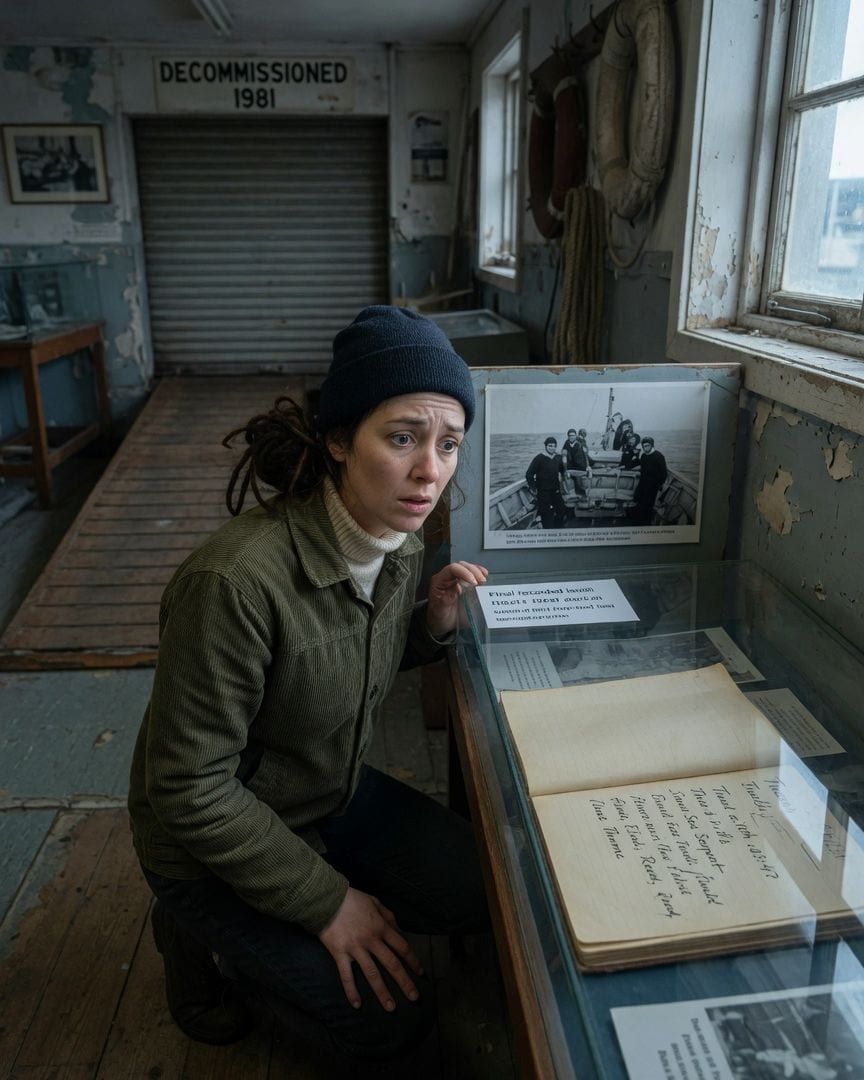
The museum's logbook recorded a rescue two days ago. Its 'souls saved' were buried in 1888.
As the new curator of the Runnock Maritime Museum, my assignment was to refresh the exhibits of its 1981-decommissioned station. Yet, a fresh logbook entry, dated just two days ago, noted a recent rescue. The vessel named, 'The Sea Serpent,' was listed in the archives as lost with all hands in 1888.
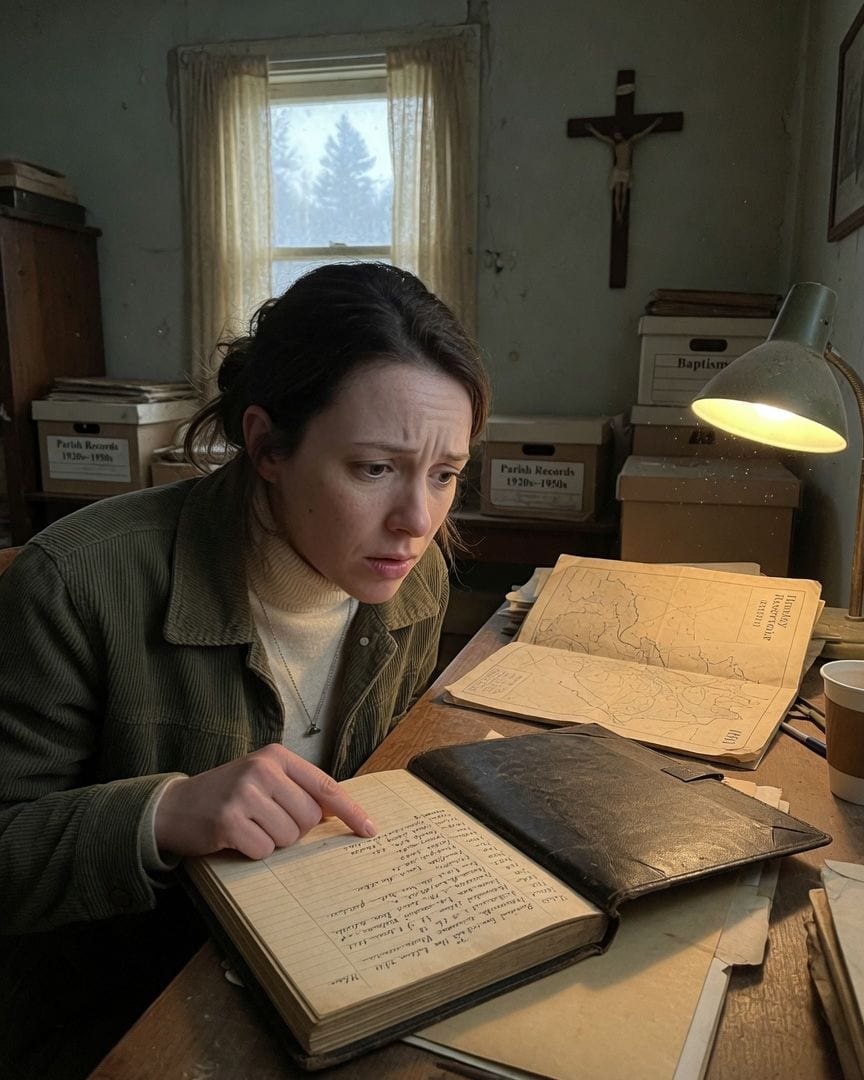
Hensley's reservoir was built in 1961, everyone says. The old church register lists forty-one drownings in it, every single one dated before 1961.
I moved to Hensley for a fresh start, helping at the historical society. While sorting old records, I found 41 drownings in Hensley Reservoir, all dated years before it was supposedly built in 1961. Later, an 1880 plat map confirmed it: the reservoir was always here.
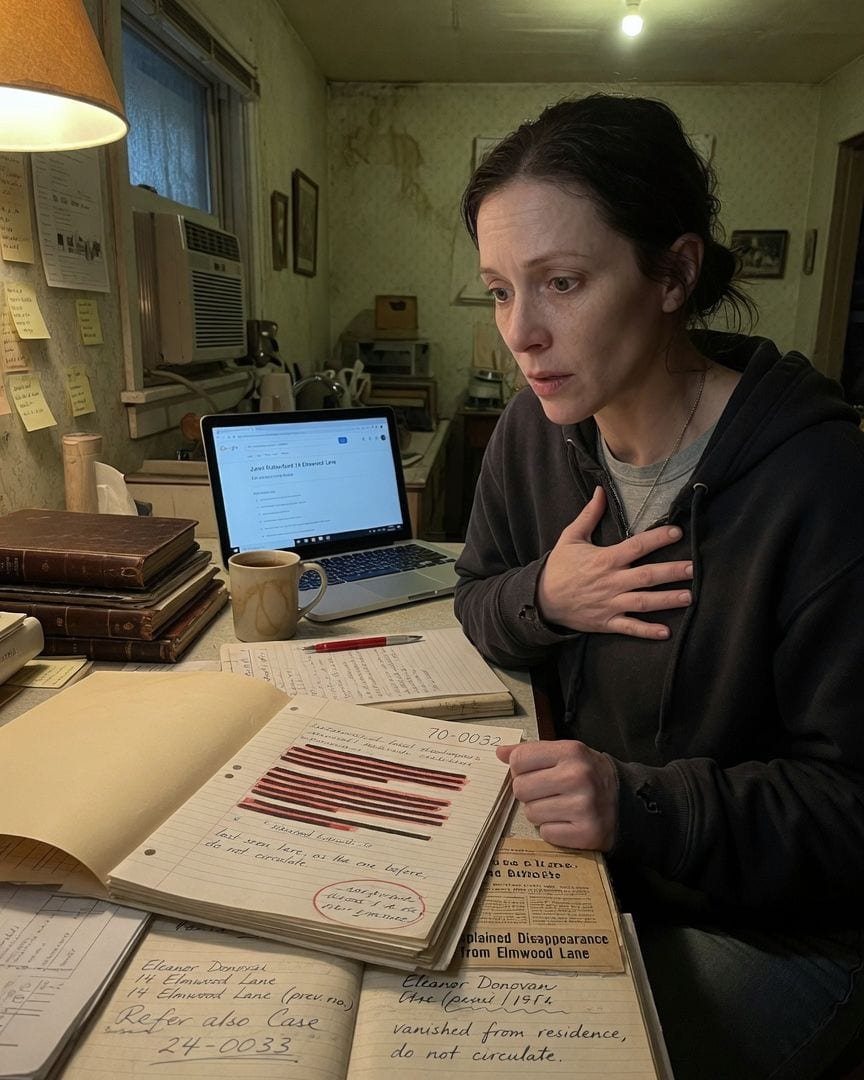
My own address is on a missing person's file from 1970. The blacked-out line names my street. She never lived here.
When my neighbor vanished, I started digging into old local missing persons cases. In a police file for a woman who disappeared in 1970, I found my own address, 14 Elmwood Lane, framing a blacked-out section of the duty log. Janet Rutherford never lived here, and the file contained a chilling handwritten note: 'do not circulate.'
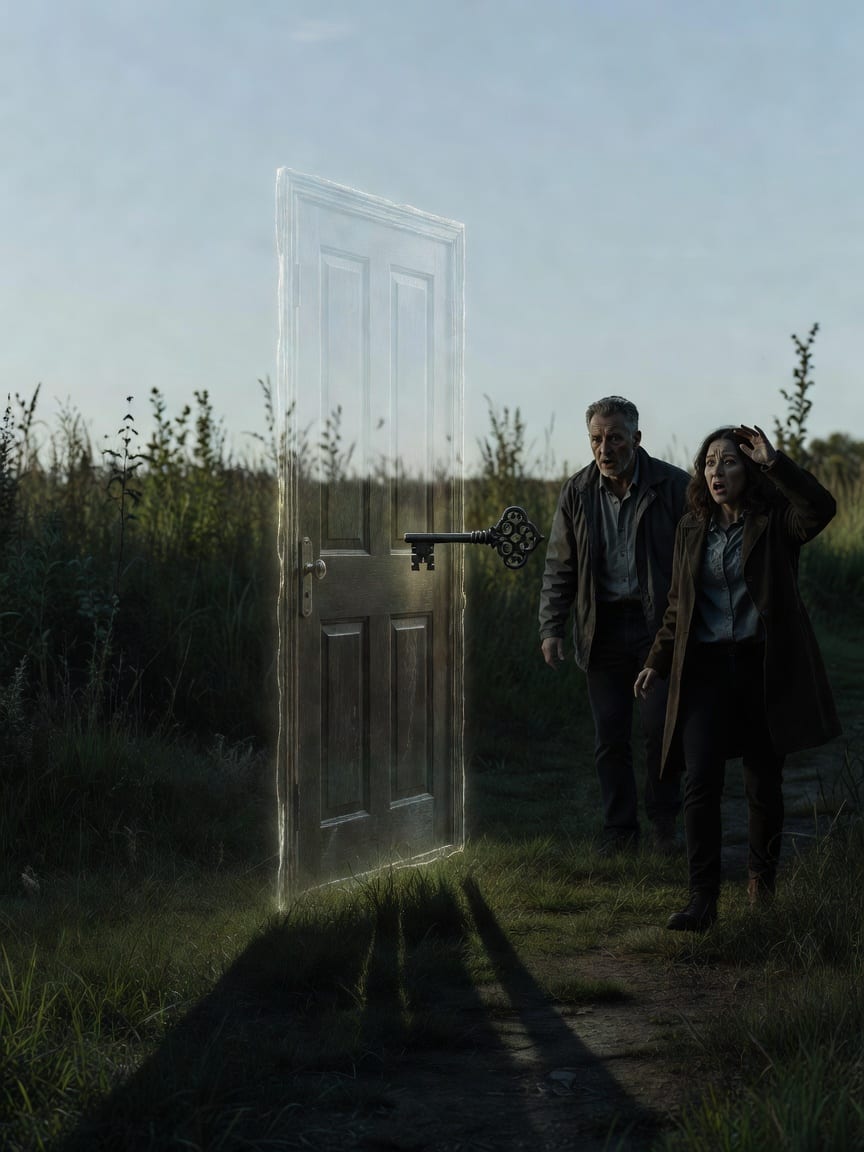
My name was on a package lodged in 1974. I wasn't born until 1985. Inside was a key and a note: 'You know which door. Not yet.'
I'm Elena Radcliffe, 38, and a solicitor's letter just arrived for me about a package. The firm's records state it was lodged in 1974, years before I was born. Now I've found an old newspaper article reporting a woman with my exact name vanished that very year.
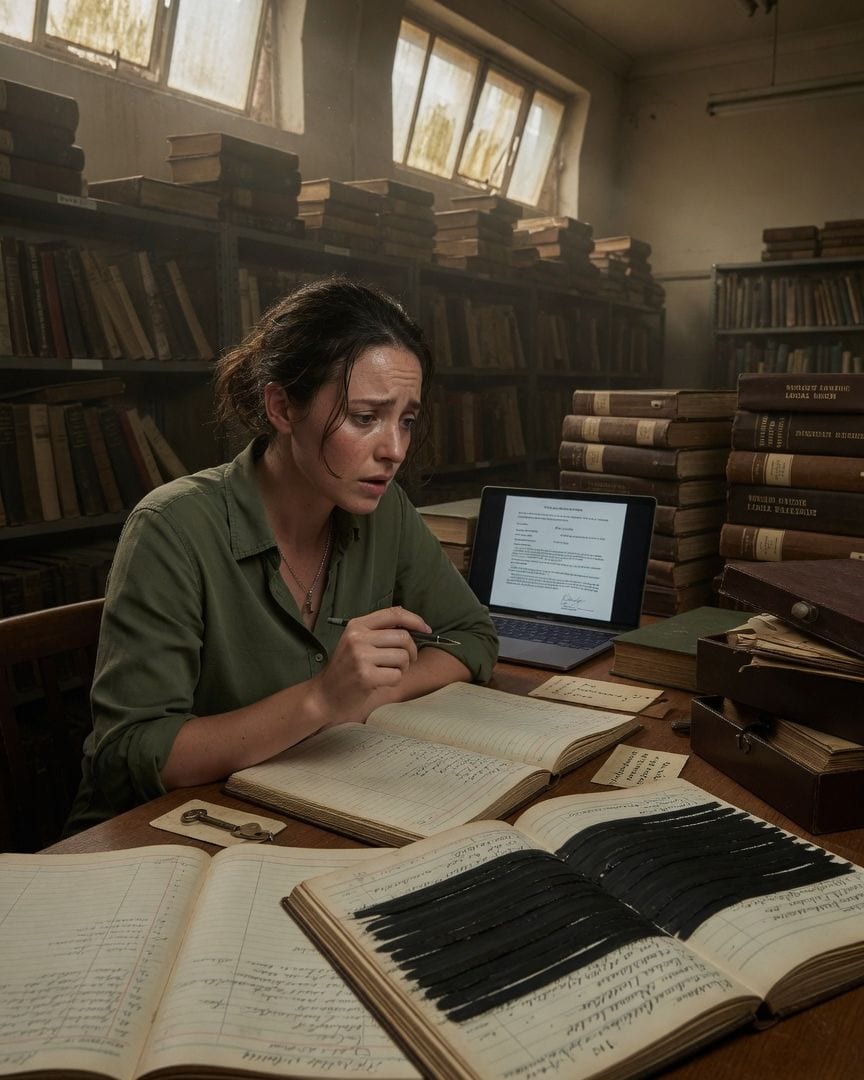
My grandmother’s name is on a blacked-out line from a 1954 drowning inquest, on our street, with a note: 'do not send a second notice.'
Transcribing old inquest registers in the quiet archive was a routine task, until I found a 1954 entry for an accidental drowning. The next of kin line was savagely blacked out, but the faint impression underneath named Patricia Kingsley, my grandmother. Her address was listed on Weir Lane, eleven years before she ever lived there, alongside a chilling note: 'do not send the notice a second time.'
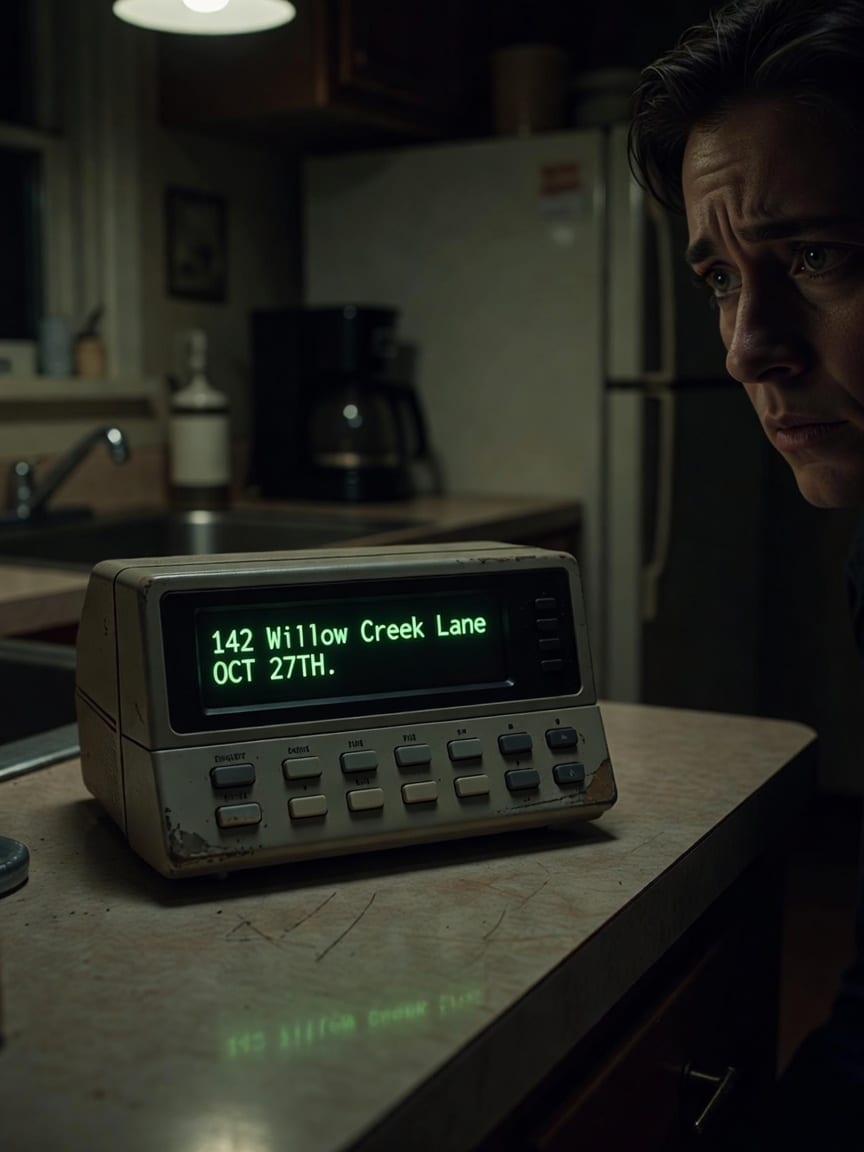
My radio scanner picked up a channel at 2 AM reading local addresses. Mine was on it, dated tomorrow.
I was tracking a storm on my old weather radio when a synthesized voice cut through the static. It began reading local street addresses, then my own: 142 Willow Creek Lane. But the date it gave for my address was tomorrow.