My left ovary is gone, tied off with a clip. I've never had surgery, and my abdomen is smooth.
The gel was ice-cold on my lower abdomen, and I shivered, not just from the chill. Daniel Crane, the sonographer, frowned at the screen, his gaze locked on the grayscale swirl.
I’d come in for persistent pelvic pain, a dull ache that wouldn't quit, nothing I thought would be serious. Just a routine check.
He moved the transducer, the faint whir of the machine a counterpoint to the thumping in my ears. His brow furrowed deeper, a fine line appearing between his eyes. “See here?” he pointed a gloved finger at the monitor.
“This is where your left ovary should be.”
But it wasn't. The space was empty, save for a small, bright anomaly. A metallic glint. A surgical clip, like something you’d see in a diagram, where vessels had been tied off. My breath caught.
My abdomen was perfectly smooth, not a single scar, no faint line from childhood, nothing. I knew my own body. I knew I'd never had surgery.
“I… I haven’t had an oophorectomy,” I said, my voice thin. “Ever. My abdomen’s clean.”
Daniel didn't answer, just kept searching, meticulous, as if the missing organ might suddenly materialize. After a few silent minutes, he excused himself and called for Dr. Montgomery, the consultant gynecologist.
Dr. Montgomery entered, his expression unreadable, and went through the same precise examination. He studied the images, his movements slower, more deliberate. The same cold certainty settled over his features. He turned from the screen, his gaze meeting mine.
“Mrs. Galloway,” he said, his voice grave, “we need to know the date of this oophorectomy. It’s clearly several years old. Can you tell us when you had this operation?”
Back home, the weight of their questions pressed down on me. _When did you have this operation?_ Ethan, my husband, tried to rationalize it over dinner, his engineer’s mind seeking logical pathways. “A medical error, maybe? Someone else’s file?”
He suggested a mix-up, or even a forgotten childhood procedure, though the latter seemed impossible. I’m Nora Galloway, a freelance graphic designer. My life is meticulously organized, my memory for details sharp. I pride myself on it.
I spent the evening hunched over my laptop in the small office nook, then sprawled on the living room floor, pulling out every medical record I had. Childhood vaccinations, dental history, old school physicals, recent blood work. Nothing.
Not a single mention of any abdominal surgery, no hospital stays beyond a brief bout of childhood pneumonia. I even called my mother, interrupting her evening routine.
“Mom,” I started, trying to keep my voice even, “did I ever have any kind of… abdominal surgery? As a kid? You know, anything I might have forgotten?” Her voice on the other end of the line was clear, surprised.
“Nonsense, Nora. Never. You were a healthy, strapping girl.”
Desperate, a cold knot forming in my stomach, I started sifting through old family photo albums. Digital archives first, then the physical ones, cardboard boxes filled with fading sepia prints and yellowed film negatives.
The scent of dust and aging paper filled the room. I was looking for anything, any clue, something that might explain the impossible blankness in my medical history.
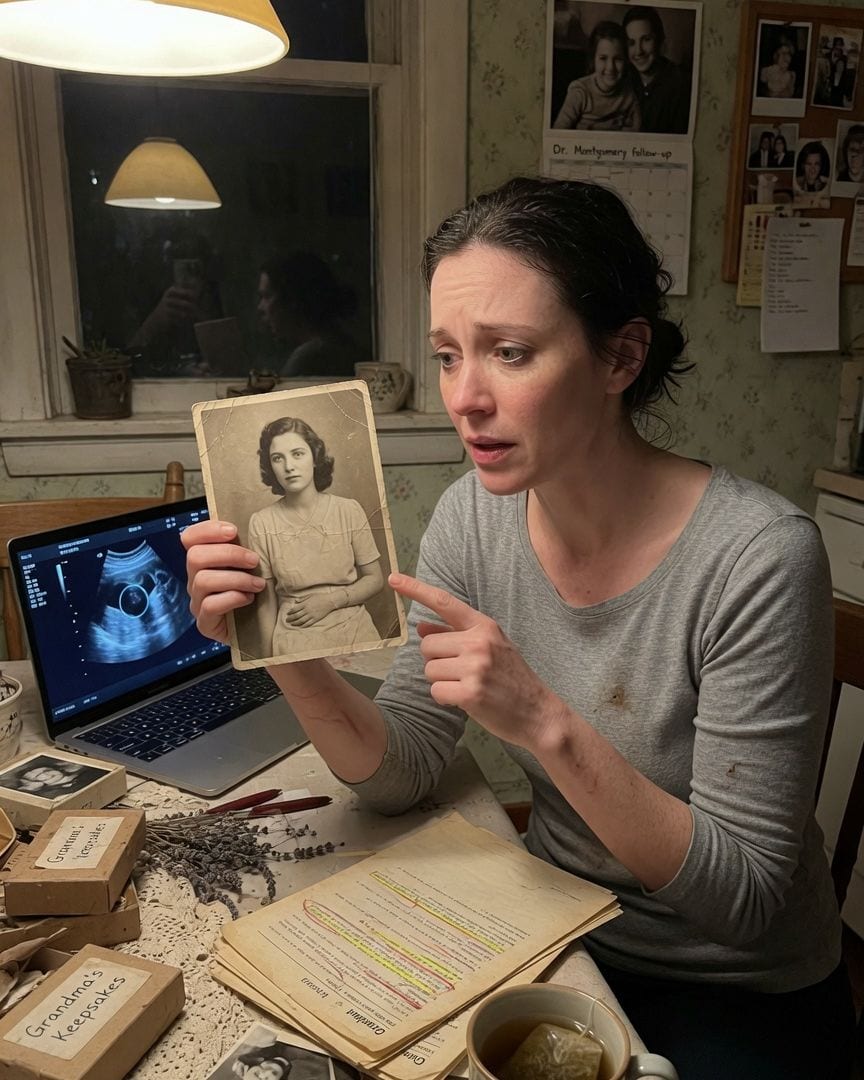
I scrolled past grainy pictures of grandparents I barely remembered, awkward teenage snapshots of my parents, until I came to a box labeled "Grandma's Keepsakes." Inside, tucked between dried flowers and a brittle lace doily, was a faded black-and-white snapshot.
It was my great-aunt, Josephine Galloway, taken decades ago, probably the late 1930s.
Josephine was a young woman, strikingly beautiful, with my own dark hair, though hers was styled in soft waves. She was smiling faintly, a serene expression, her hand resting casually on her lower abdomen.
My finger hovered over the screen, then I zoomed in on her. There, just barely visible beneath the delicate fabric of her dress, where her hand didn’t quite cover, was a faint, almost imperceptible line. A tiny, healed scar.
Right where I now felt the internal echo of absence.
My breath hitched. I held the photograph up to the lamplight, the paper brittle and thin, then touched my own smooth skin, right over the spot where the doctors said my ovary was gone.
The phantom sensation of the missing organ, the internal clip, suddenly felt sharper, colder, a physical imprint in a body that should have been whole.
My eyes darted from the faint line on Josephine’s photo to my own unblemished skin, an impossible connection spanning generations. Josephine had a scar. I had the missing organ, the internal proof, but no external mark.
The photograph slipped from my trembling fingers onto the kitchen table, landing face up. The young woman’s faint smile seemed to hold a secret, something cold and ancient, that I was only just beginning to grasp.
The air in the kitchen, usually so warm and familiar, suddenly felt impossibly thin, a chill seeping into the quiet space.
The next few days were a blur of frantic research, fueled by a dread that had now curdled into something sharper, more personal. I delved into what little family history I could find about Josephine Galloway.
She’d been my grandmother’s elder sister, a vibrant young woman who, according to scattered anecdotes, had died unexpectedly in her early twenties. The official cause was always vague: a “sudden illness,” a “surgical complication” that no one elaborated on.
Family stories were hushed, evasive. My grandmother, when she was alive, had once murmured about Josephine having a “delicate constitution,” adding, “like many of the women in our line.”
The phrase had always seemed like an old-fashioned euphemism, but now, a subtle shift in my perspective made it hum with quiet menace.
Ethan tried to be supportive, bless him, but his engineer’s mind struggled with the lack of concrete answers, the inability to find a verifiable source.
He suggested old hospital records, but much from that era was lost, burned in a fire at the county archives, or digitized so poorly as to be unreadable.
The more I looked, the more I felt a growing sense of unease, a cold certainty that this wasn’t a medical error or a forgotten surgery. It was something far stranger.
I found fragmented mentions of other “unexplained losses” in the female Galloway line – women who had “faded,” or succumbed to “unseen ailments” before their time. These weren’t dramatic, sudden deaths, like an accident.
They were quiet, almost imperceptible declines, a slow withdrawal. The pattern was so subtle, so easily dismissed as coincidence, yet it began to hum with a quiet, undeniable menace in my mind.
I started comparing my own subtle aches and pains – the fatigue, the moments of strange dissociation I’d dismissed as stress – to the vague symptoms described in old, yellowed letters. There were unsettling parallels.
It was like looking at a faint, recurring watermark on a series of ancient documents, visible only when held to a very specific, unsettling light.
The name of my great-aunt Charlotte Galloway kept surfacing, Josephine’s younger sister, now in her eighties and living in a quiet nursing home a couple of towns over.
Charlotte was notoriously private, a woman of few words, a keeper of family secrets. Perhaps she held a key.
I drove there, the old photo of Josephine clutched in my bag, the image of that faint scar pressing against my consciousness.
Charlotte sat by a sun-drenched window, her hands clasped, serene, almost detached from the bustling world outside her room.
When I carefully explained the ultrasound, the missing ovary, the impossible scar in the photograph of Josephine, she listened with an unnerving calm. Her eyes, still sharp and a startling blue despite her age, fixed on me.
“Ah, the little echo,” Charlotte murmured, a faint, almost knowing smile touching her lips. The smile didn't reach her eyes. “It’s a family thing, dear. A way things are.”
I pressed her for details, for an explanation, my voice tight. “What do you mean, ‘a way things are’?”
Charlotte simply shook her head, the movement slow and deliberate. “Some of us… we carry things. Memories, marks. Not our own, not exactly. Josephine was one, and it seems you are too.”
She reached for a small, dusty cardboard box on a nearby shelf, pulling it down with surprising strength for someone her age. “These were Josephine’s. Perhaps they’ll help you understand.”
She paused, her gaze holding mine, and added, her voice dropping almost to a whisper, “But some truths, Nora, are not meant to be undone.”
The box contained a few trinkets: a dried rose, a small silver locket, and a small, leather-bound diary, its cover worn smooth from years of handling. Charlotte’s composure, her quiet acceptance of the impossible, was more chilling than any monster.
She knew. And she was utterly, profoundly unbothered.
Back in my car, parked under the late afternoon sun, I opened Josephine’s diary. The pages were brittle, the ink faded in places, but the elegant, looping handwriting was still remarkably clear.
Josephine wrote of her life, her youthful dreams, her crushes, her hopes for the future. And then, abruptly, the tone shifted. She described a “sudden, searing pain,” an agony that had led to an emergency operation.
“They removed my left ovary,” the entry read, dated a full eighty-five years ago. “A cyst, they said, growing too fast. The doctors were very grave.” My fingers trembled. This was it.
The missing organ, the clip – it was Josephine’s. My body, my impossible body, was carrying the trace of her surgery.
Josephine wrote of her recovery, the scar healing, the initial relief. But then, the entries took a darker, more unsettling turn. She described a growing sense of detachment, a feeling of her body no longer being entirely her own.
“My hand feels like a stranger’s,” one entry lamented, dated months after her surgery. “My reflection… it’s me, but not quite. As if a piece of me has been given away, and I am slowly unraveling from the inside.”
She wrote of a subtle “fading,” a diminishing presence, a struggle to feel grounded in her own skin, almost as if she were becoming transparent to herself, less and less substantial.
This wasn't just a physical scar; it was an existential unmooring, a quiet, creeping loss of self.
I reread the entries, each word a cold, irrefutable confirmation. The ultrasound, the doctor’s confusion, my perfectly smooth abdomen, the phantom scar in the old photograph – it all snapped into horrifying focus, a tapestry of wrongness suddenly, terrifyingly coherent.
My body wasn’t merely echoing Josephine’s injury; it was, in some uncanny way, continuing Josephine’s experience of “unbelonging,” of a self slowly eroding.
I looked down at my own hand, then flexed my fingers, watching the tendons move, the familiar lines of my palm.
A sudden, chilling question formed in my mind, a whisper that made the hair on my arms prickle: Was this hand truly mine?
The diary closed with Josephine’s last entry, dated barely a year after her surgery. It was fragmented, desperate: a plea to “remember who I was.” The final pages were utterly blank.
I sat in silence, the weight of the small, leather-bound book heavy in my lap, heavy with a truth that was far more terrifying than a medical error.
It implied a lineage of bodies that were not entirely their own, a horrific inheritance passed down. The implication was that I was not merely a recipient of a memory, but a continuation.
I needed to know, definitively, if this extended beyond a mere psychological link, beyond a shared, unexplainable physical trait. I needed irrefutable, clinical proof of my own identity.
I drove home, the afternoon sun dipping below the horizon, my mind cold and made up.
I ordered a comprehensive DNA test online, using a reputable service that offered deep ancestral tracing, hoping against all reason for a simple confirmation of my singular identity.
Days later, the notification arrived. My results were ready. I clicked the link, my heart hammering against my ribs, each beat a frantic drum against the silence of my living room.
The laptop screen glowed, its light suddenly cold against my face as the report loaded, revealing not a simple family tree, but a direct, impossible genetic match. A 99.99% match. To Josephine Galloway (deceased, sample from archival tissue).
My breath hitched, the impossible reality of it settling like a stone in my chest, realizing my own body was not just echoing a past life, but might literally be it.
I returned to Charlotte the very next morning, the DNA report clutched in my hand like a death sentence. This time, there was no gentle probing, no cautious explanation. “The DNA,” I stated, my voice flat, hollow.
“It says I am Josephine.”
Charlotte nodded slowly, her gaze fixed somewhere beyond me, her expression unreadable. “Not entirely, dear. But you carry her imprint. Her physical history. It’s a rare gift, some would say. A way for certain lives to… continue.”
I demanded to know why, how, what kind of sick inheritance this was. Charlotte explained, her voice soft but firm, that some Galloway women, particularly those who died young or with unfinished lives, left a “physical echo.”
Their bodies, their significant injuries, their unique marks, could manifest in a later descendant. It wasn't reincarnation, she emphasized, but a “vessel inheritance.” Josephine’s body, weakened after her surgery and her growing sense of detachment, had been one such vessel.
My body, Charlotte implied, was another.
“Your pains, your missing organ, the scar in the photo – it’s all part of her story, now part of yours,” Charlotte said, gesturing vaguely around the quiet room. “You are not Josephine, but you are carrying Josephine within you.
And with her, you carry the quiet ending that comes to such vessels.”
The words hung in the air, a chilling sentence that resonated with every impossible detail I’d uncovered. I wasn’t possessed, wasn’t haunted; I was a living, breathing echo, a vessel.
The full truth detonated inside me: I wasn't just experiencing Josephine’s past, but her future. Josephine’s diary had spoken of “fading,” of becoming detached, transparent.
I now understood this wasn’t just a psychological state, but a physical one, an erosion of self. Charlotte’s terrifying composure, her knowing glances, now made terrible, perfect sense.
She wasn't an antagonist; she was an observer of an inevitable, horrifying pattern.
I tried to argue, to deny, to find a way out of this impossible pronouncement. “But I’m me!” I cried, my voice cracking, desperate for the words to mean something. Charlotte simply smiled, a thin, pitying curve of her lips.
“For now, dear. For now.”
There was no fight, no escape, no monster to defeat. The horror was in the coherence, the undeniable logic that every clue, every strange sensation, every medical record, now perfectly explained.
I was a continuation, and the ending of that continuation was already written. I looked at my hands, my familiar hands, and saw them subtly shifting, feeling less and less my own.
The knowledge was the climax, a heavy, unshakeable burden. I was left knowing, and the knowing was the ending. I could not undo it. The body I inhabited, the life I lived, was not entirely mine. It never had been.
The 'fading' had already begun.
I returned home, a quietness settling over me that Ethan couldn’t penetrate. I moved through my days, a strange observer in my own life.
I looked at my reflection in the mirror, searching for Josephine, for myself, for the shifting boundary between them. I touched my smooth abdomen, felt the internal ghost of the surgical clip, a constant, cold reminder.
The subtle aches I’d dismissed before now felt like tiny, almost imperceptible anchors to a past that wasn’t hers. My freelance work, once a source of pride, now felt distant, my creative spark dimming.
I found myself staring blankly at my screen, the vibrant designs I once crafted now seeming alien, disconnected from the person I was becoming. I was present, yet also profoundly absent, a quiet withdrawal from the world I once inhabited.
I tried to write in my own diary, to record my thoughts, to anchor myself to the person I believed I was. But the words felt hollow, like echoes from a great distance.
I found myself writing in a different cadence, using phrases that weren’t quite my own, sometimes even signing off with a faint, unfamiliar flourish. The detachment grew, a quiet, internal distance from my own emotions, my own desires.
I would look at Ethan across the dinner table, a flicker of something almost like fondness, but it felt like watching a scene unfold from a great distance, behind a pane of frosted glass.
My body was a house, and I was no longer the sole resident. One evening, Ethan noticed her staring out the window, a peculiar stillness about her that was both beautiful and unsettling. “Penny for your thoughts, Nora?”
he asked, reaching for her hand across the table, his touch warm and familiar. She turned, her eyes lucid, but with a strange, depthless quality he hadn’t seen before, as if looking at him through a vast, silent space.
A faint, almost imperceptible smile touched her lips. “Is that so?” she replied, her voice soft, unfamiliar. Ethan reaches for her hand, and she smiles, a quiet, unfamiliar curve to her lips.
If this one got to you
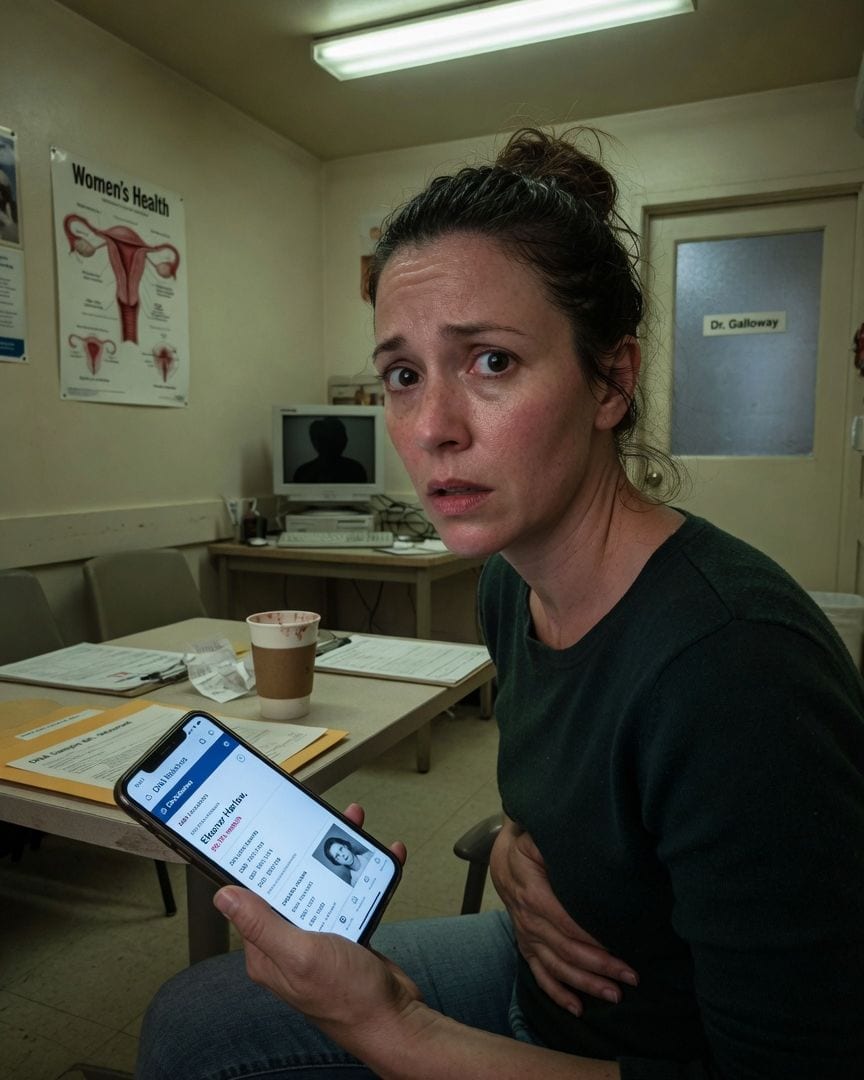
My ultrasound showed a healed C-section scar. I've never been pregnant, and I have no children.
During a routine ultrasound, doctors found a distinct, healed cesarean scar inside my uterus. I've never been pregnant or had any surgery, yet the tissue was old, consistent with an incision made decades ago. It feels like my own body contains a history that isn't mine.
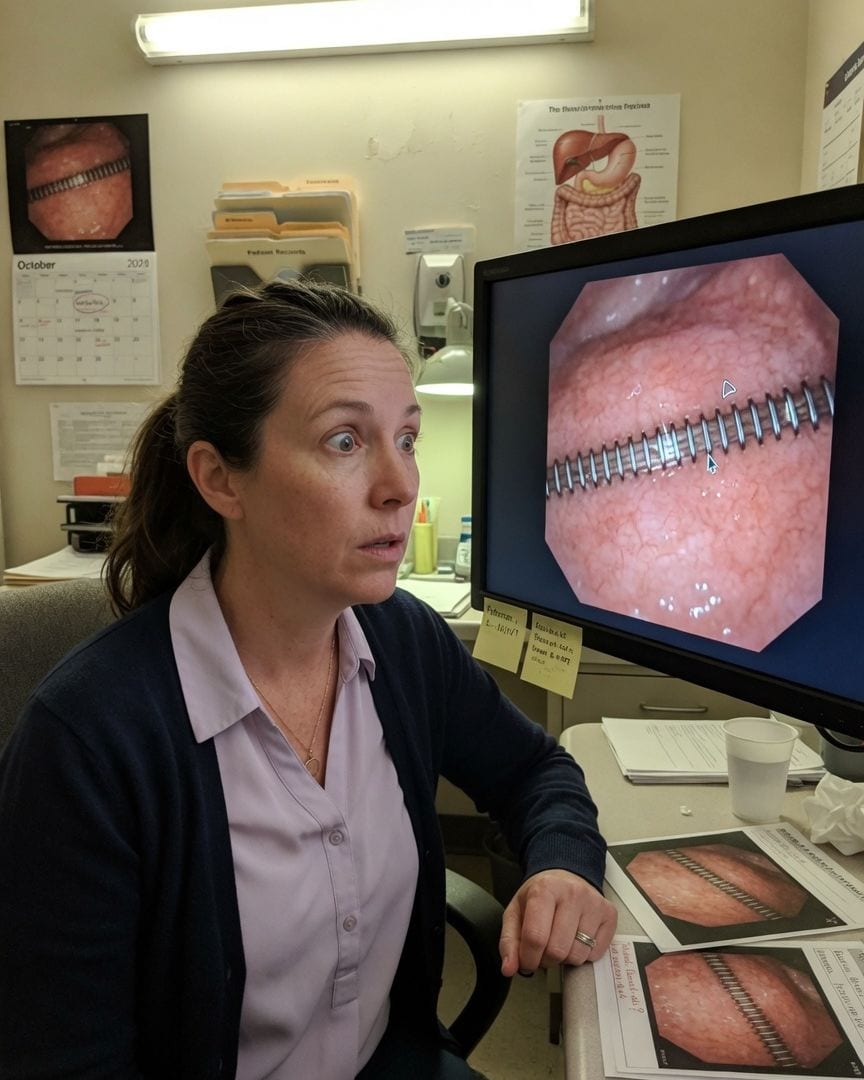
My stomach has old surgical staples. Doctors say they’re mine, years old. I have no scar, no memory.
My endoscopy for chronic reflux revealed far more than a burn. Dr. Winslow's screen showed my stomach reshaped by extensive, decades-old surgical staples. I have absolutely no memory of any operation, and my abdomen bears no scar.
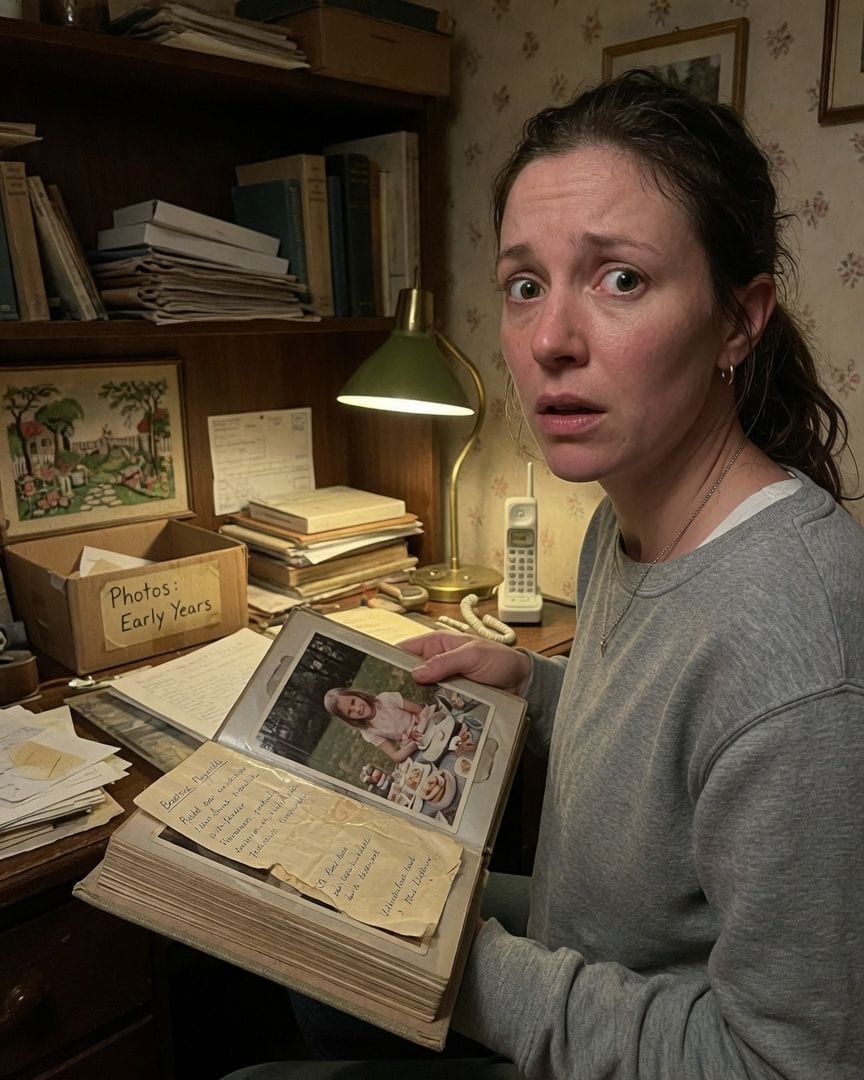
My mother's right ear has been partially deaf since she was eight. Now she's talking on the phone with it.
My mother, Beatrice, is finally back after five days, but my relief is curdling. She's using her right ear for phone calls, the one that's been partially deaf since she was eight. A new doctor confirmed her right ear was perfect, her left ear weaker, completely contradicting my lifelong memory.
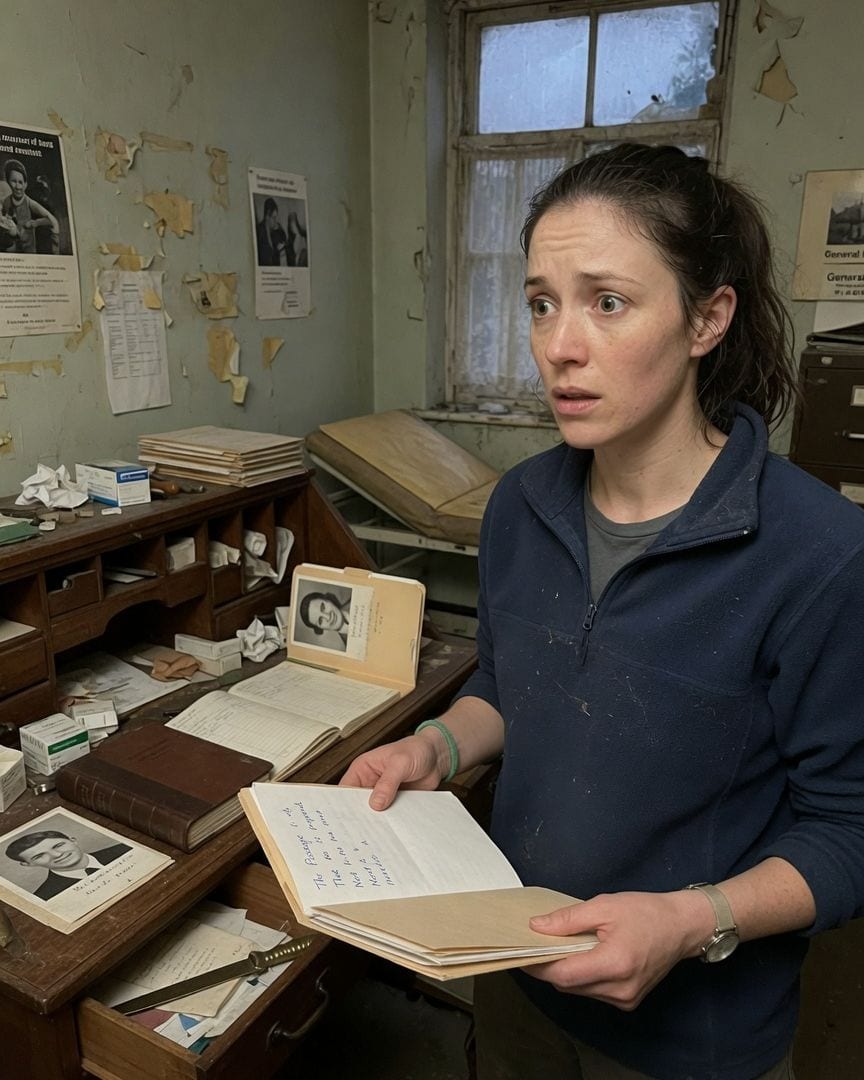
My new clinic's appointment book shows entries for this coming Monday, decades after the doctor retired and died.
Chloe Lawson bought an old, abandoned surgery in Nettlebed, ready to open her new vet clinic. Locals insisted Dr. Almott retired in '79 and the practice shut down for good. But then Chloe found his dusty appointment book filled with meticulous entries, continuing unbroken from 1979 through the decades, right up to this coming Monday.
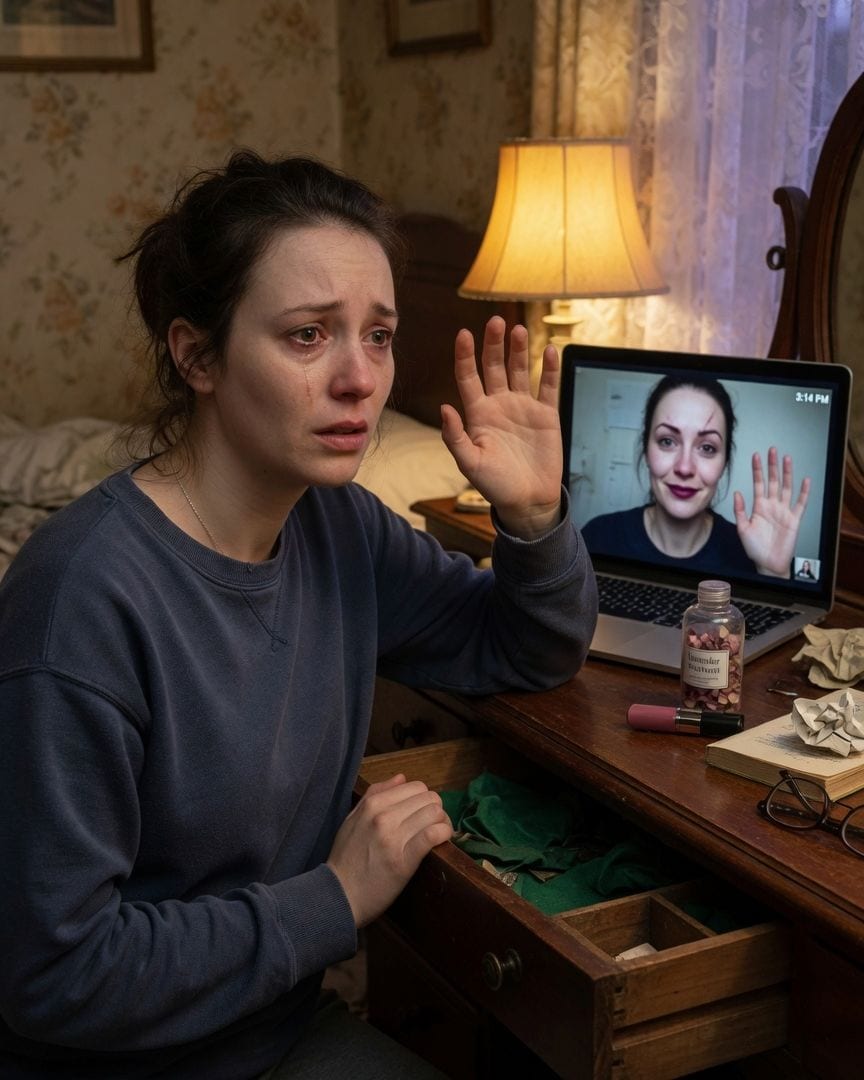
My mother waved with her right hand, both times, on our first call after she came home. She always waved left.
My mother vanished three months ago, then came back. On our first video call, she waved goodbye, but not with her usual left hand. It was her right, a small gesture that twisted something cold in my stomach.
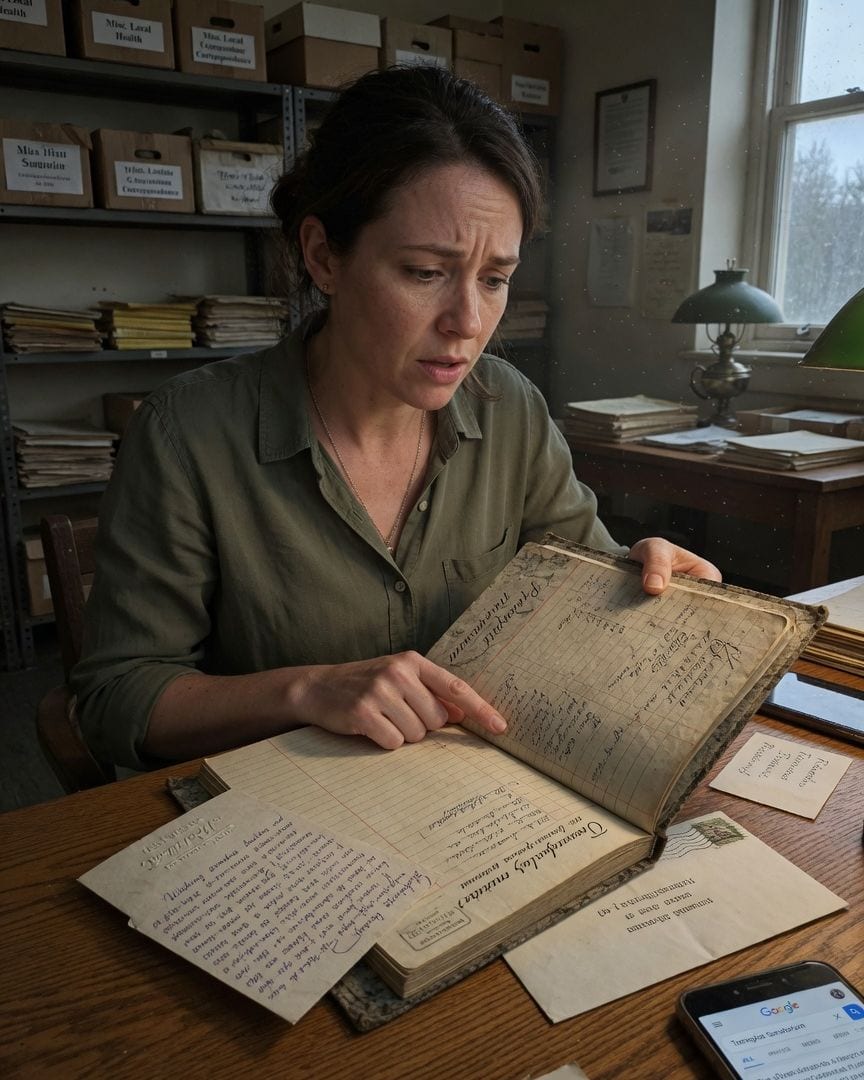
My get-well card wished me recovery from an operation I never had, postmarked from a hospital that burned down in 1963.
I received a get-well card wishing me recovery from an operation I never had. The envelope bore a fresh postmark from Treneglos Sanatorium, a TB hospital that burned down and ceased to exist in 1963. Now, a patient register from that long-gone sanatorium lists my name, dated 1959.