The old inn's arrivals book logs a vanished girl's name. She disappeared two months ago, but the ledger says she checked in last week.
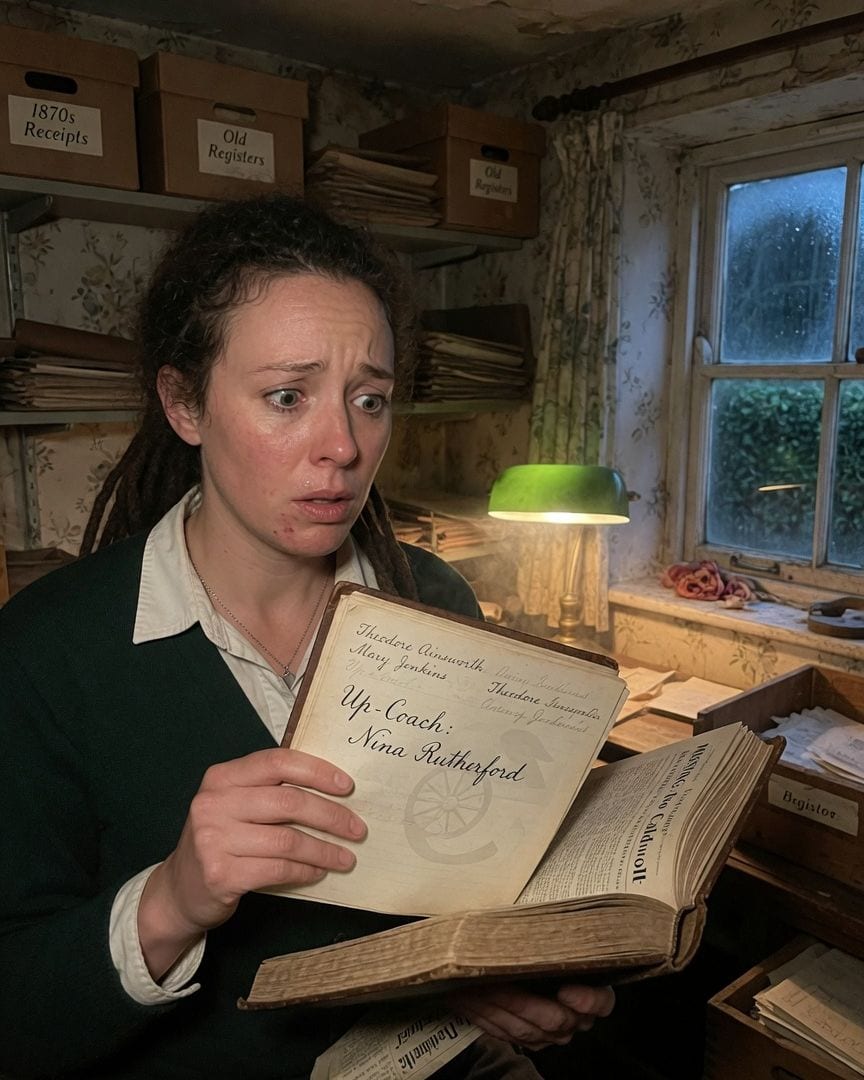
Chloe Caldwell, the new owner of The Angel Inn, was charmed.
The inn’s history was everywhere, from the ancient beams overhead to the framed story in the lounge, proudly declaring the cessation of coach service in 1846 with the arrival of the railway.
I’d spent weeks absorbing it all, the quiet hum of generations past.
One evening, I found myself in the quiet hall, wiping down the polished stand where the heavy, leather-bound arrivals book always sat.
It was more a relic than a necessity now, but I'd kept up the tradition of logging the occasional guest, a quaint nod to the inn's past. My hand paused, hovering over the page open to the current week.
An entry caught my eye. Last week. Clear as day, in ink that looked impossibly fresh, dark and still gleaming slightly on the thick paper: 'Up-Coach: Nina Rutherford.'
A cold dread spread through me, starting in my chest and radiating outwards. Nina Rutherford. The local girl. Nineteen years old. She'd vanished two months ago, walking home from the station. The whole village had been out looking.
Posters were still up in the post office window.
My mind scrambled, trying to find a mundane explanation. A cruel joke? Someone playing a sick prank on the new innkeeper? A mistake, perhaps, a misremembered name? But the old ledger, silent and imposing, offered no answers.
Just the chilling fact of the name, Nina Rutherford, staring back at me, logged as if she'd checked in last Tuesday.
I tried to rationalize it further. Maybe a different Nina? A traveler, passing through? But the entry had no other details, no destination, no distinguishing features. And Nina Rutherford was local, known to everyone.
Her disappearance wasn't some distant headline; it was a wound in the heart of the village. I picked up my phone, my fingers trembling slightly as I dialled Felix Donovan, the police sergeant.
He listened patiently, a sigh audible on the other end. "Look, Miss Caldwell, I appreciate you calling it in. But it's almost certainly a macabre prank. Kids these days. Morbid sense of humor."
He promised to 'look into it,' but I could tell he didn't take it seriously. He sounded tired.
I wasn’t convinced. The ink, the weight of the book, the sheer audacity of it. Unconvinced, I started flipping through the ledger, page after page, backwards in time. The entries were mostly ordinary, familiar local names, the occasional travelling salesman.
But every so often, I found another one. Always logged as 'Up-Coach' or 'Down-Coach,' often with a cryptic initial for the 'guard' scrawled alongside it.
The pattern began to emerge. These weren't famous travelers. They were quiet, ordinary villagers. Names I recognised from hushed conversations, from faded photographs in the village hall. Some were from decades ago, from before I was even born.
My mind flashed to the small, moss-covered memorial in the village square, etched with the names of 'Our Lost' from various years. A morbid curiosity, a dreadful certainty, compelled me to cross-reference.
I went back to the front desk, pulling out an old village map with the memorial sites marked.
The dates in the ledger didn't always match the memorial's 'lost' dates exactly—sometimes a few days off, sometimes a week—but the names… too many of them appeared in the ledger. Theodore Ainsworth, 1968. Mary Jenkins, 1979. Samuel Croft, 1993.
Each one logged as an 'Up-Coach' or 'Down-Coach' entry.
The mundane explanation of a prank, of some local joker with too much time on their hands, collapsed under the weight of decades of impossible entries, each one a silent scream recorded in faded ink.
The ledger felt heavier in my hands as I walked it into the inn's small, dusty archive room, a place I’d been meaning to clear out since I bought the place.
I’d found older records here, tucked away in forgotten boxes: brittle, faded newspaper clippings about local disappearances that went back generations.
I was comparing a clipping from 1957 about a missing young man, Theodore Caldwell – no relation, I hoped – with an entry in the ledger from the same year.
His name is there: 'Up-Coach,' with the initial 'T.F.' scrawled neatly beside it.
As I held the page closer, I noticed something else. A faint, almost invisible watermark on the thick paper, a symbol I didn't recognize.
It looked like an old, stylized 'C' or perhaps a broken wheel, barely visible against the light.
As I leaned closer, trying to make it out, the air in the small room grew heavy and cold, a sudden drop in temperature that made the hairs on my arms prickle.
A faint, sweet smell, like damp earth and old roses, filled the small, musty space, clinging to the air around me.
My gaze drifted, inexplicably drawn to the narrow, uncurtained window overlooking the dark, overgrown stretch of the old turnpike.
For a split second, a tall, impossibly lean shadow seemed to detach itself from the deep treeline at the edge of the road. It moved, a fluid, unnatural motion, gliding towards the inn, before vanishing into the deepening twilight.
I blinked, shaking my head, trying to clear the image of the shadow. It must have been a trick of the light, the setting sun playing games with the ancient trees. The window was old, the glass warped.
Still, the cold in the room lingered, and the cloying scent of damp earth and roses seemed to have intensified. I forced myself to focus on the ledger, the only tangible thing in front of me.
The names, the dates, the unsettling repetition. This was real.
I found Felix Donovan at The Ploughman's Rest, the local pub, later that afternoon. The clinking of glasses and low hum of conversation did little to soothe my nerves.
I laid out the compiled list of names and dates from the arrivals book, cross-referenced with the newspaper clippings and the village memorial. The laminated printouts looked stark against the worn wooden table.
He picked up the first sheet, his brow furrowing as he scanned the entries. "Mary Jenkins, 1979... Robert Finch, 1988... Nina Rutherford, last week." He was visibly unnerved, his earlier dismissiveness replaced by a troubled silence.
But he still shook his head. "Look, Miss Caldwell, I get it. It’s unsettling. But these old villages, they're full of local myths, superstitions. And newcomers, well, they're always a bit more... susceptible."
He muttered something about the inn perhaps having been a local 'joke' spot for morbid pranks over the years, a tradition that got out of hand.
"Decades of pranks?" I pressed, my voice tighter than I intended. "And what about the old turnpike? The legend of not walking it after dark?"
Felix shifted, uncomfortable. He took a long swig of his pint. "Old wives' tale, mostly. You know, kids getting lost, stories to keep them out of mischief."
His gaze, though, flickered towards the window, where the last light was fading from the sky. He avoided my eyes.
Unsatisfied, I returned to the inn. As I was locking up, Maxwell Sutton, a local history buff and regular at The Angel, walked in for his usual evening tea.
He was an older man, seventy-something, with a kindly face and a encyclopedic knowledge of village lore. I decided to try him.
"Maxwell," I began, trying to sound casual as I wiped down the counter. "Do you know anything about the old turnpike? Or... an old local mark, like a 'C' or a broken wheel?"
I described the symbol I’d seen on the ledger page.
His usual jovial demeanor vanished. He went quiet, his eyes fixed on me with a sudden, intense watchfulness. He took his tea, didn't sip it. "That symbol," he said, his voice low, "it's an old local mark, aye.
Mostly forgotten now, Miss Caldwell. Best left that way." He wouldn't elaborate, his gaze drifting past me, to the dark road outside, towards the very treeline where I'd seen the shadow.
The feeling of being watched intensified over the next few days. It was a prickling sensation on the back of my neck, a subtle shift in the air when I was alone in the inn.
I found myself checking locks twice, peering out windows into the deepening gloom.
Then, one morning, a crumpled, anonymous note was tucked under the inn's front door, almost perfectly centered. The paper was old, slightly brittle, and the writing was in an elegant, old-fashioned hand, like something from a century ago.
It read: 'SOME THINGS ARE BEST LEFT TO THE NIGHT. THE COACH IS ALWAYS ON TIME.'
My heart pounded, a frantic rhythm against my ribs. It wasn't just a prank. It was a warning. I glanced out the window, but the street is empty, save for the usual scattering of autumn leaves.
The metallic scent, faint but distinct, like rusted iron mixed with that cloying damp earth smell, seemed to hang in the air around the note. I crumpled it in my fist, my knuckles white.
That evening, a desperate plan formed. I had to see what was out there. I closed the inn early, claiming a 'family emergency' to the two bewildered guests.
Then, I drove my car to a discreet spot about a mile down the old turnpike, parking off the road, hidden by a thicket of overgrown hawthorn bushes. The air was still, heavy.
As darkness fell, the fog rolled in thick and fast, a shroud creeping over the fields, swallowing the distant lights of the village. The world narrowed to the immediate, silent stretch of the turnpike.
I sat there for hours, the engine off, the cold seeping into the car, my breath misting in the air. Nothing. Just the muffled hoot of an owl, the drip of moisture from the trees.
Just as I was about to give up, to dismiss it all as an overactive imagination fueled by old stories and lack of sleep, I heard it.
Distinct. Slow. The heavy, old-fashioned creak of carriage wheels.
No lights. No sound of horses, no jingle of harness, no driver’s call. Just the rhythmic, unsettling groan and turn of ancient wood, emanating from the fog-shrouded road, impossibly close.
It was drawing closer, a slow, deliberate passage, the sound vibrating through the silent night, then fading away into the distance, as if a phantom coach, unseen and unheard by anything but its wheels, had passed directly in front of me.
Its presence left behind a chilling cold, a hollow space in the night that seemed to suck the warmth from the air.
The next morning, I found Maxwell Sutton in the inn's lounge, sipping his usual Earl Grey. He looked placid, almost serene, a contrast to the terror that had been my companion all night.
I strode over, the crumpled note in my hand.
"Maxwell," I said, my voice barely steady. I spread the note on the table between us. "This was under my door." Then I told him about the phantom coach, the sound of the wheels, the oppressive cold.
He listened, his gaze unreadable, a faint twitch at the corner of his mouth.
"And this," I continued, pulling out the ledger. I flipped to a page from 1985, pointing to an 'Up-Coach' entry for a local farmer, his initials 'M.S.' neatly penned as the 'guard.'
Then another, from 2001, for a young woman who’d simply disappeared, also 'M.S.' "Your initials, Maxwell. You've been 'guarding' these entries for decades."
His calm facade finally cracked. A flicker of something, raw and undeniable, fear or resignation, showed in his eyes. He looked down at his teacup, then slowly lifted his head, meeting my gaze.
"My family," he said, his voice hushed, "we've looked after the book for generations, Miss Caldwell. It’s a duty."
He explained it then, in quiet, weary tones. The 'coaches,' he said, were not literal. They were a way to refer to 'the taking.' A euphemism, a ritual.
The local legend of the old turnpike wasn't a superstition to scare children; it was a warning. A real, active threat.
"Nina Rutherford," he confirmed, his voice barely audible, "she was walking home from the station, taking a shortcut along the old turnpike after dark. She broke the rule. You understand now?
The rule isn't made to keep children safe, Miss Caldwell. It's made to keep us safe from what takes them."
My breath hitched. "The arrivals book, then? What is it?"
"It's the accounting," he said, his eyes empty. "It records those who are taken when the cycle comes around. A ledger for the lost."
"And that smell?" I asked, remembering the damp earth and roses, the metallic tang.
He closed his eyes for a moment. "It means it's hungry again," he whispered, his gaze drifting to the empty fireplace, as if the shadow of something unseen might manifest there at any moment. "It’s gathering."
Maxwell Sutton looked down at his hands, turning his teacup slowly. The silence in the lounge was thick, heavy with unspoken things. Then he looked back at me, his eyes holding a terrible, ancient knowledge.
"But it's not just the turnpike, Miss Caldwell. It's the cycle. And the cycle isn't just about where you are. It's about who you are. The names... they're not random. My family, we don't choose them. We just record them.
And the next one... the next one is due very soon."
He leaned forward, his voice barely a whisper, a strange calm in his voice, unnerving in its placidity.
He then pointed to a page in the current week's ledger, already open on the counter, where the 'up-coach' entry for tonight was waiting. The date was meticulously filled in, the time, unnervingly, was left blank.
Then he turned the page back slightly, his finger lingering on an entry from 1912. My eyes followed. There it was. "Up-Coach" for a 'Chloe Caldwell.'
The name, my name, stared back at me, logged over a century ago, an impossible echo across time.
I stared at the name, my own name, from 1912. The blood in my veins felt like ice. It was impossible. My family had only been in the village for a few years, certainly not over a century.
Maxwell seemed to sense my disbelief, or perhaps my terror. "The entity," he explained, his voice flat, "whatever it is, it follows specific bloodlines. A pattern across names, across generations.
It doesn't take 'anyone'; it takes specific 'types' or 'descendants' when the conditions are met. Being on the turnpike after dark, yes, or simply being in the wrong place at the wrong time during a cycle peak.
The ledger isn't just an account of the taken; it's a prophecy."
He went on, his voice devoid of emotion, like a lecturer reciting a grim, ancient text. "Nina Rutherford? She was a descendant of a family that broke another, older rule generations ago. Not just the turnpike. Something more fundamental.
It made her vulnerable when her time came around."
The 'guard's initials,' he revealed, were not for protection, not for choice, but for witness. "My family, the Suttons, we are tasked with maintaining these records.
And subtly, over the centuries, guiding the community to avoid the vulnerable, to keep the rules. We are the keepers, the watchers. But we are not the choosers."
He reached under the counter, fumbling for a moment, then pulled open a locked compartment I hadn't known existed. Inside, tucked away, were old, brittle family tree diagrams, yellowed with age. They were intricate, sprawling.
He traced a finger across one, then another. Recurring names, generation after generation, each one marked with a small, faded version of the symbol I’d seen on the ledger page—the stylized 'C' or broken wheel.
The pattern snapped into place. It wasn't random at all. A cycle of specific family names, tied not just to dates, but to lunar phases, to seasonal shifts. Appearing in the ledger, then vanishing without a trace.
The 'Up-Coach' entry for tonight, the blank line on the current page, it wasn't a threat. It was an inevitability. The entity was active again, looking for its next 'passenger.'
And my name, my bloodline, Chloe Caldwell, was on its list. Again.
"What can I do?" I demanded, the words raw, choked. "There has to be something!"
Maxwell shook his head, a deep, weary sigh escaping him. "For those whose names are 'on the list,' Miss Caldwell? There's nothing to be done, not truly. But I can try to protect you. For a little while.
If you stay within the inn's old, consecrated walls after dark. These walls, they were built on an older sacred site, meant to repel. But it has grown stronger. Its reach wider."
He looked towards the windows, the fading light outside already bruised with purple and grey. "The entity, the 'Coachman,' will manifest tonight. It will come for you."
As dusk bled into night, I moved like a phantom myself, locking every door, every window, drawing every heavy curtain. The old inn groaned around me, its timbers shifting, settling, as if bracing itself for what was to come.
The sweet, damp earth smell returned, stronger now, almost suffocating, mixed with that faint metallic tang, like old blood.
Then, the sound. Faint at first. The distinct, slow creak of heavy carriage wheels. Not outside this time. From within the inn itself. From the floor above. It grew louder, moving slowly through the empty corridors on the first floor.
A dragging, rhythmic protest of ancient wood on ancient wood. The old building seemed to shudder, timbers groaning in response. The sound descended the main staircase, each creak deliberate, closer, echoing in the cavernous hall. The Coachman was inside.
I stood frozen in the hall, clutching the heavy arrivals book to my chest like a shield, my knuckles white against the dark leather. The blank line for tonight's 'Up-Coach' entry mocked me, an empty space waiting to be filled.
The creaking stopped. Directly behind the closed lounge door, no more than twenty feet from me.
A shadow, impossibly tall and impossibly thin, fell across the bottom of the door, stretching further than any natural light could cast. It was a dense, inky black, without discernible edges.
Then, slowly, silently, it began to extend under the gap, a creeping tendril of darkness reaching towards my feet.
The silence that followed was absolute, broken only by the inn's ancient timbers settling, a low, drawn-out sigh. The next morning, the inn was found locked from the inside.
Sergeant Donovan arrived after calls from concerned villagers, worried by the closed sign and the lack of lights. He found the ledger on the reception desk, open to the current week.
The blank line for the 'Up-Coach' entry was now filled, in fresh, dark ink, meticulously written.
The entry read: "Up-Coach: Chloe Caldwell."
The Angel Inn stood empty for months, then years, eventually falling into quiet disrepair. The legend of the old turnpike and the vanished girls faded into a cautionary tale, occasionally whispered by new residents who didn't understand its true weight.
The arrivals book remained, gathering dust on the reception counter, waiting for the next owner, the next cycle.
Later, a young couple, Zoe and Eugene, bought The Angel, hoping to restore it. One evening, Eugene found the old ledger, forgotten in a back cupboard. His wife, Zoe, asked him, "What's that old thing?"
He smiled faintly, running a finger over a blank line in the current week. "Just keeping the books, love. Just keeping the books."
If this one got to you
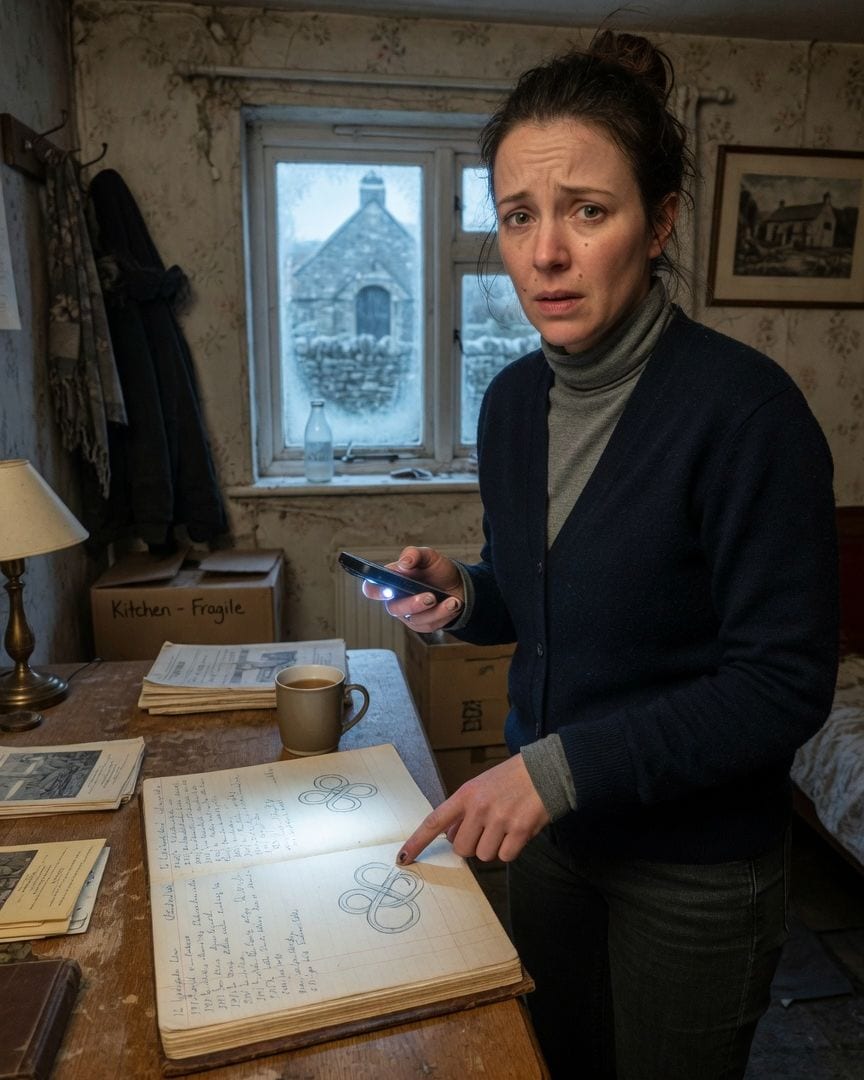
Milk appears daily by my lychgate. The dairy closed in '79. My address is handwritten into their old delivery book, starting the day we moved in.
Moving to Blackwood Creek, I loved the quaint charm, especially the unexpected morning milk delivery to my lychgate. But when I mentioned it to Eleanor at the village shop, her smile froze. She told me Willow Creek Dairy closed decades ago, in '79.
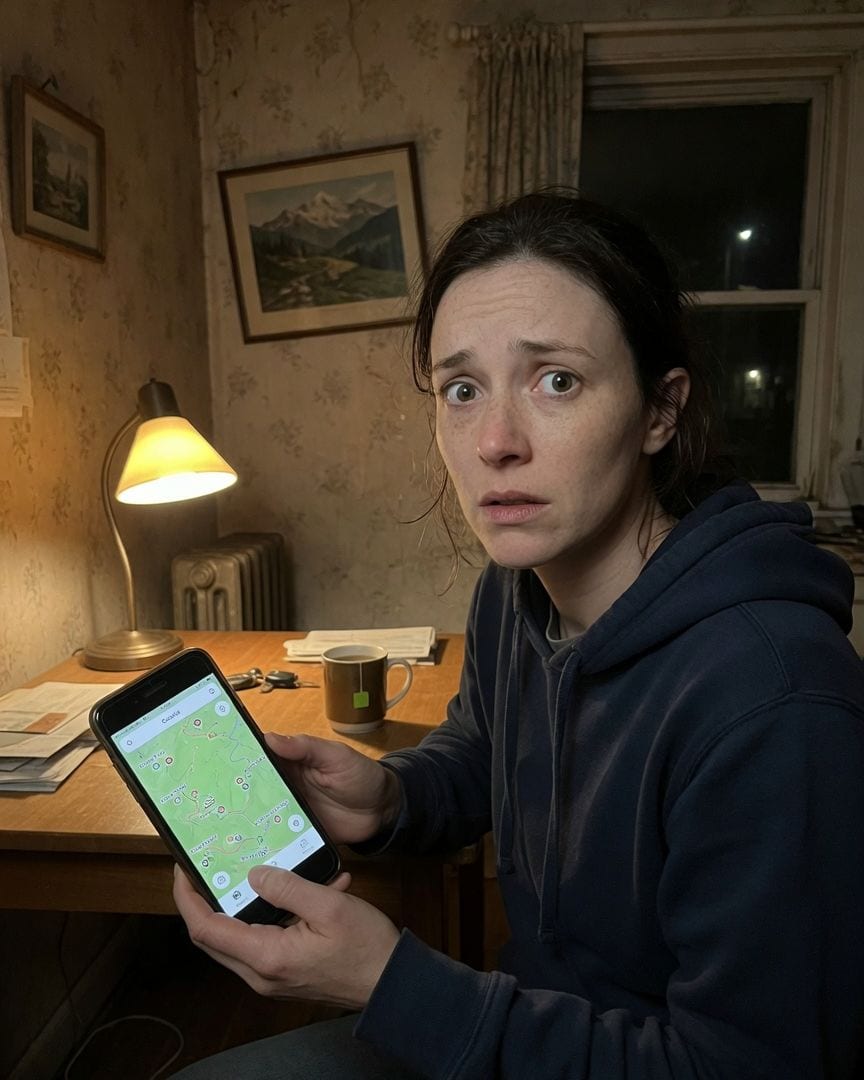
My hiking app scrubbed the hill's name from the map, on a phone that's been in airplane mode for two days.
I just moved to town and hiked a local hill, 'Cathan Tor,' according to my phone's app. But when I mentioned the name to the mechanic, he froze, dropped his wrench, and whispered, 'Don't say that name, Colette.'
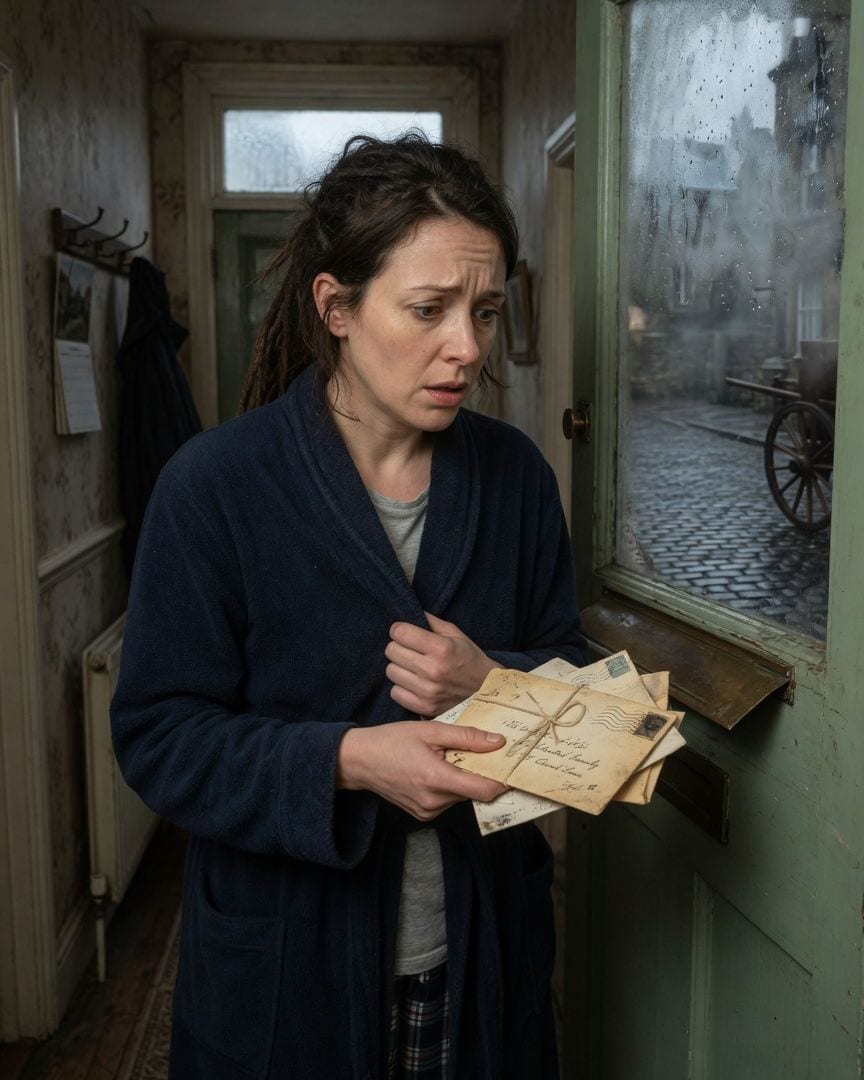
Seventy years ago, a hidden journal recorded my door opening to the wrong street and receiving Lockwood post.
I'd only recently moved into my inherited house, a quiet place on the edge of town. One grey morning, a distinct clatter from the front door's post flap caught my attention. Reaching down, I expected my gravel path, but instead, the flap showed a dark, cobbled street that wasn't mine. A bundle of warm, old letters, addressed to 'The Lockwood Family,' slid through, before the vision flickered and was gone.
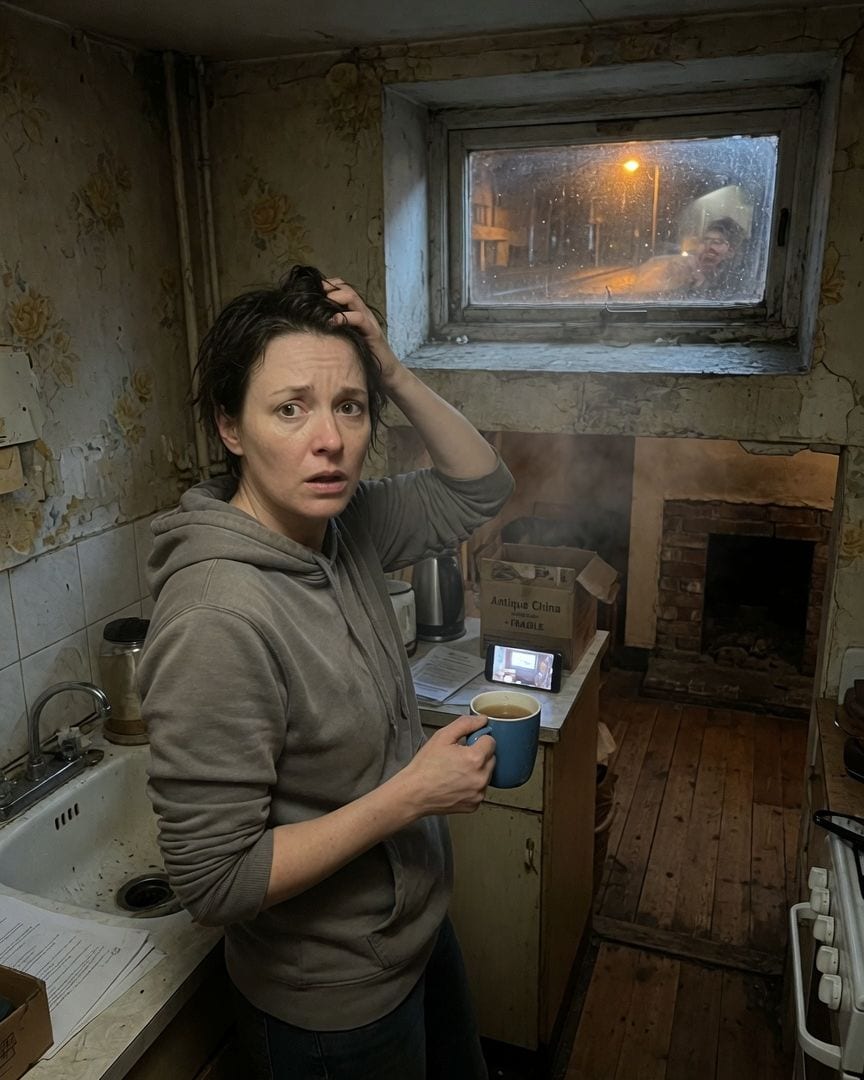
My basement window shows a gaslit kitchen moving at midnight, hams hung from the ceiling. My own kitchen is dark.
Settling into my new basement flat, I was making tea late one night when I glanced out my kitchen window. Instead of the concrete well, I saw a gaslit kitchen with an enormous cast-iron range, a young scullery girl, and cured hams hanging from the rafters. The vision was too sharp, too real, and the smell of coal smoke lingered long after it vanished.
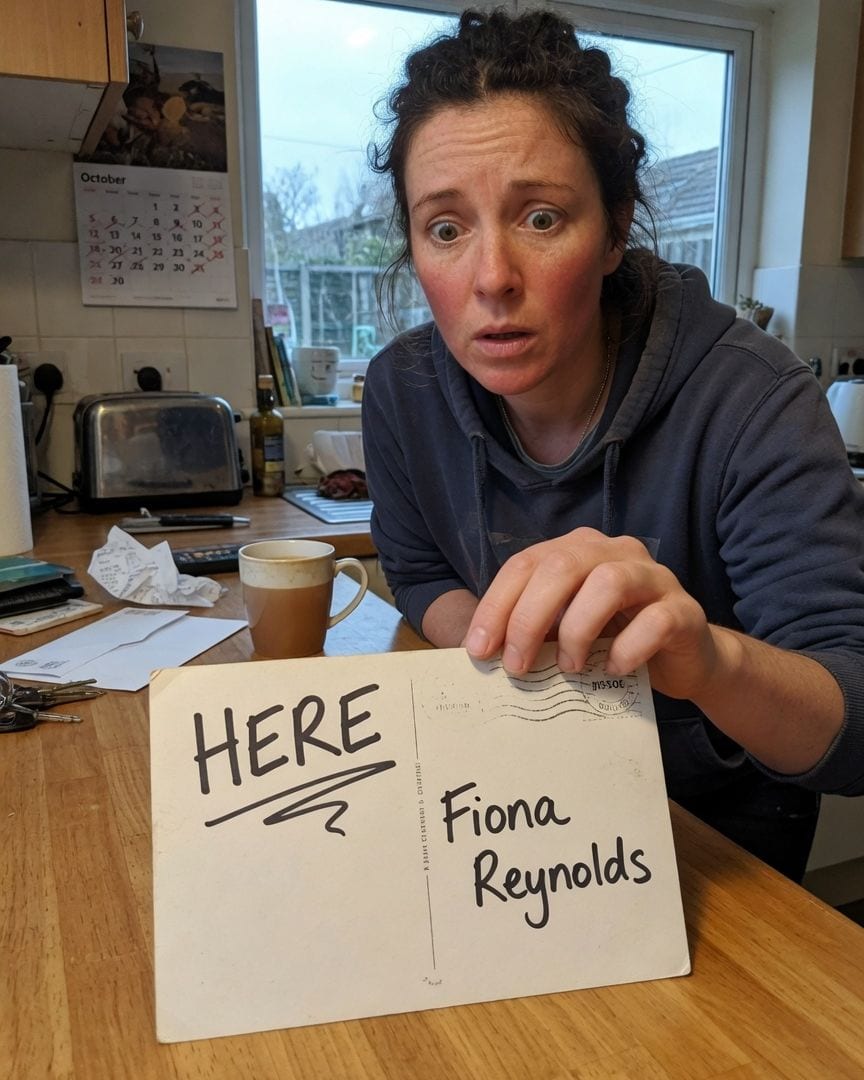
My dead brother's handwriting keeps arriving on cards, postmarked from the level crossing where he died. He never wrote to me.
The first card arrived from my brother, James, a week ago. He died fifteen years ago, but his distinctive handwriting was undeniable, each message postmarked from Bissoe, the site of his death. Now the third card, 'HERE,' makes me question everything I thought I knew.
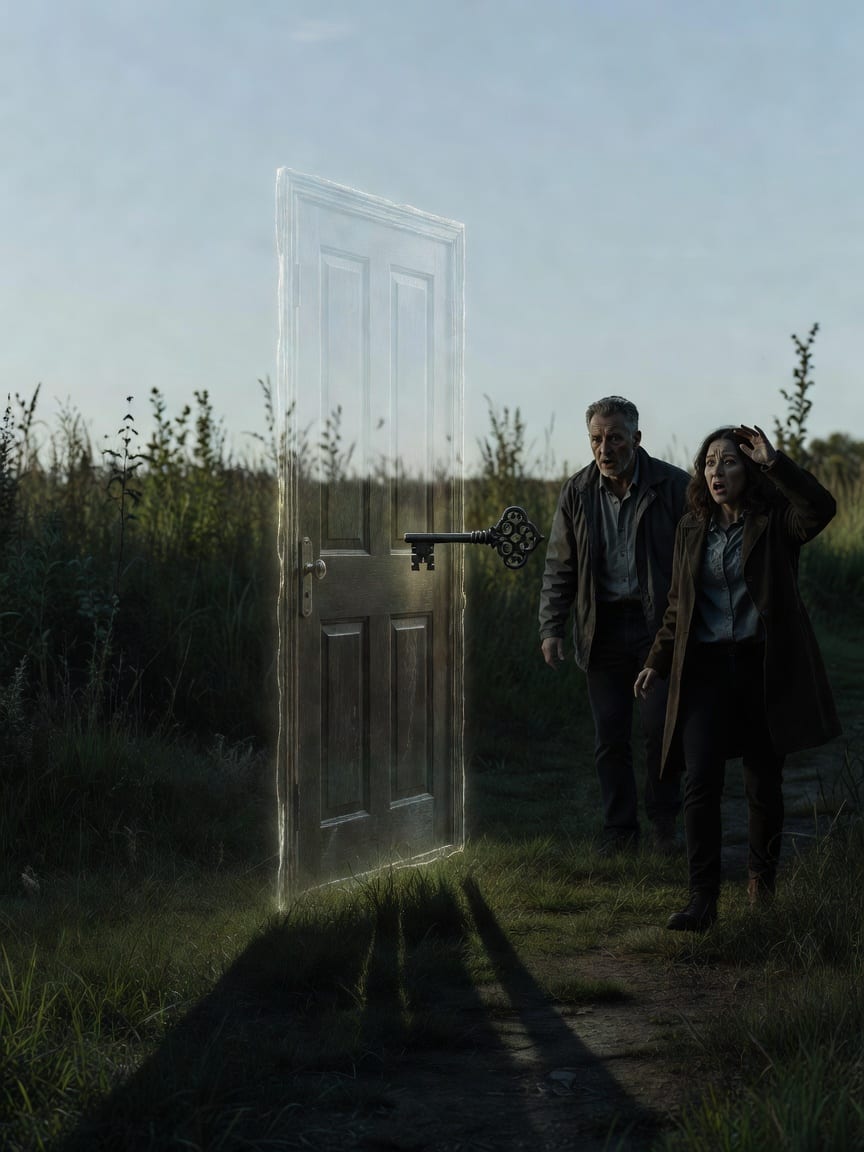
My name was on a package lodged in 1974. I wasn't born until 1985. Inside was a key and a note: 'You know which door. Not yet.'
I'm Elena Radcliffe, 38, and a solicitor's letter just arrived for me about a package. The firm's records state it was lodged in 1974, years before I was born. Now I've found an old newspaper article reporting a woman with my exact name vanished that very year.