My hiking app scrubbed the hill's name from the map, on a phone that's been in airplane mode for two days.
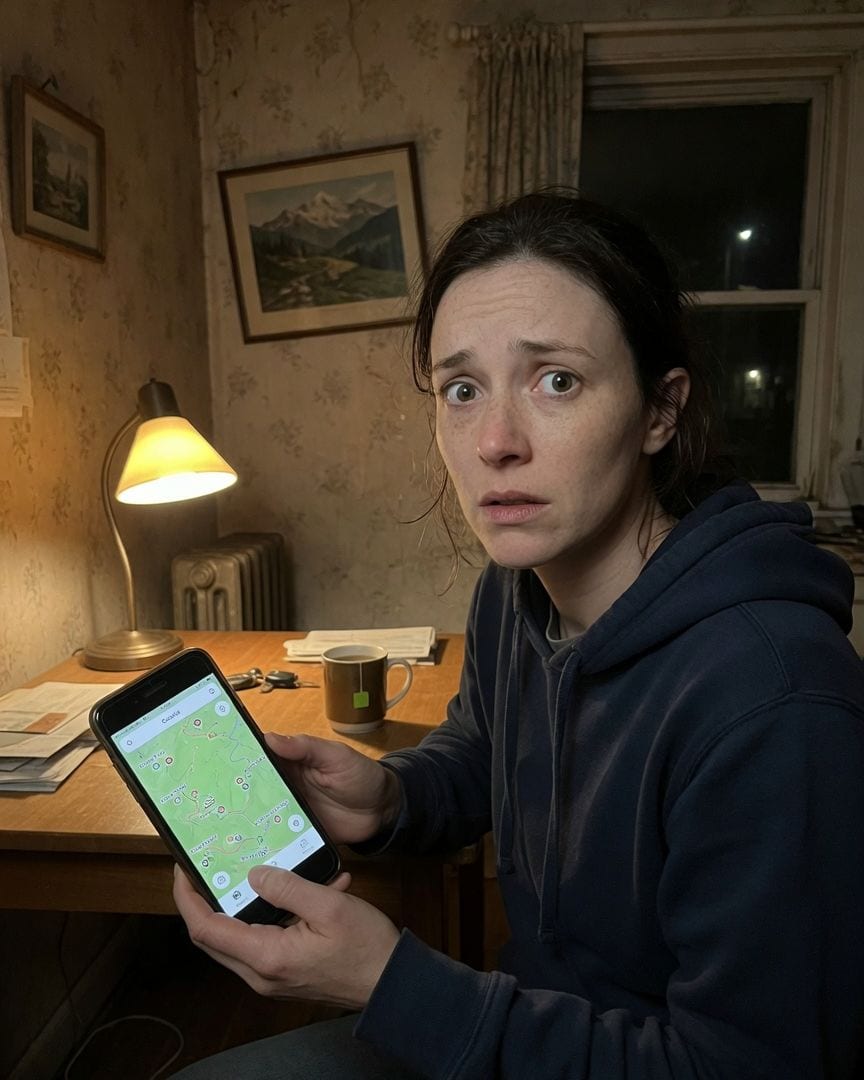
The air up here was always crisp, especially on a spring morning like this. I’d just moved to town, trying to get my bearings, and a hike seemed like the best way to do it.
The trail led up a modest, tree-covered rise just outside the village. I pulled out my phone, even though it was in airplane mode to save battery, just to check my progress on the hiking app.
The GPS still worked, showing my winding path up the slope. A green blob on the digital map was clearly labeled: 'Cathan Tor'. I liked the sound of it, ancient and earthy.
Made a mental note to ask about its history when I got back down. The view from the top was incredible, the whole valley spread out beneath me, and Cathan Tor itself felt like a gentle giant.
Later that afternoon, my old sedan started making a grinding noise, so I drove it over to Gary Fletcher's garage, the only one in town.
Gary was a quiet man, probably in his early sixties, with hands stained permanently by grease. He was bent over my engine, humming softly. "Beautiful day for a hike," I said, leaning against the counter.
"I went up that hill, Cathan Tor. What a name. Sounds almost… mythic." The hum stopped. Gary froze, his head still buried under the hood. For a second, I thought he hadn't heard me.
Then, a wrench clattered from his hand, hitting the concrete with a sharp clang. He straightened up slowly, his face paler than I'd seen it before. "Don't say that name, Colette," he said, his voice low, almost a whisper.
He didn't look at me, but at the door leading out to the empty road. "Where did you hear that name?" I frowned. "My hiking app. It was right there on the map."
He just shook his head, picked up the spanner, and went back to work, but the humming didn't return. The silence in the garage suddenly felt heavy.
That night, back in my small rented house, Gary's reaction nagged at me. I pulled out my phone, opened the hiking app.
It loaded the local map, showed the trails, the houses, the river… but where 'Cathan Tor' had been, there was now just an empty patch of green. A blank. No name. Nothing. I checked my phone's status.
It was still in airplane mode, exactly as I'd left it. It had been like that for two days. No internet connection, no updates. But the name was gone. Scrubbed clean.
The next morning, the blank space on my app felt less like a glitch and more like a deliberate act. I tried online searches: "Cathan Tor," "local hills," "place names near [my town]." Nothing. Google Maps showed a nameless elevation.
Local history forums, travel blogs – it was as if the name had never existed anywhere outside my memory, and briefly, my hiking app. A quiet, insistent unease began to settle in.
I decided to visit the local library. It was a small, dusty building, smelling of old paper and wood polish. Behind the main desk sat Maureen Marsh, a woman probably in her late seventies, with eyes that missed nothing.
She still volunteered, despite having officially retired years ago. "Can I help you, dear?" she asked, her smile smooth, almost too smooth. "I'm new to town," I started, "and I was hiking yesterday.
On the hill – I think it was called Cathan Tor?" Maureen's smile didn't falter, but something in her eyes sharpened. "Ah, the Tor. We call it 'The Hill' mostly. Old stories, you see. Local superstitions.
Best not to dwell on them." She gestured vaguely. "Everything you need to know about the town is here." Her dismissal, coupled with the strange omission, only fueled my curiosity. I began to browse the local history section.
Most books were about the town's founding, its logging industry, its quirky residents. Then, tucked away on a lower shelf, I found an old, leather-bound volume, simply titled Hills of Our Home. It felt ancient, heavy in my hands.
I flipped through it, past pages describing familiar landmarks, until I reached a chapter on the surrounding hills. My breath hitched. The page detailing the particular hill I’d climbed had a section physically torn out.
Not neatly, but a jagged, violent rip, leaving a gaping void where text should have been. My fingers traced the rough edge.
But on the reverse of the torn page, on the paper that remained, a faint ink impression, a ghost of text from the missing sheet, was clearly visible. I leaned closer. The letters were faint, but unmistakable: 'Cathan Tor'.
A prickling sense of being watched followed me home, clinging to me like the faint scent of old paper. Every shadow seemed deeper, every creak of my floorboards louder.
I couldn't shake the image of that torn page, the ghost of a name, the way Gary had paled, the way Maureen had smiled.
Late that night, long after the town had gone to sleep, the unease gnawing at me, I found myself driving back to the library. The streetlights cast long, skeletal shadows.
Inside, the silence was absolute, amplifying every rustle of my jacket, every thud of my heart. I found Maureen’s old desk in a back corner, its surface cluttered with stacks of index cards and a dusty lamp.
I ran my fingers along its worn wooden edge, remembering how her gaze had seemed to follow me. My hand brushed against a small, almost invisible seam in the side panel. It gave way with a faint click.
A hidden compartment. Inside, tucked away, was a small, leather-bound journal. It felt cold to the touch. I pulled it out.
Its pages were filled with spidery, precise handwriting, dates, names, some crossed out with a neat red line, next to cryptic symbols that looked vaguely like a stylized drawing of a hill. My heart hammered against my ribs.
I turned to the last entry, stark and unsettling. It read: 'Caldwell, C.' followed by the current date, underlined.
I slept poorly, the image of that journal entry branded behind my eyelids. The next morning, I confronted Maureen Marsh in the library. She sat at her desk, calmly reshelving a stack of biographies.
"Maureen," I began, my voice tighter than I intended. "I found this." I placed the small leather journal on her desk, open to the last page. She didn't flinch.
Her gaze, clear and unwavering, moved from the journal to my face. "You were always a curious one, Colette. Like some others." Her smile was still too smooth, almost serene. "Old superstitions, dear. The 'Town That Agrees,' we call ourselves.
We agree not to speak certain names, not to ask certain questions. Keeps the peace." "This isn't superstition," I said, tapping the journal. "'Caldwell, C.'? That's me. And these names, these symbols... what is this, Maureen?"
She sighed, a faint puff of dust rising from her lips. "A record. My record. Of those who didn't listen."
She met my eyes then, and for a moment, the serenity in her face cracked, revealing a flicker of something ancient and weary. "You're digging where you shouldn't. But if you must know, the patterns are in the archives.
Official records. Redactions. They tried to hide it even from themselves." She looked away, her job done.
I walked over to the town archives, a cavernous, poorly lit room at the back of the town hall. Harold Sterling, the town archivist, a man with a perpetually furrowed brow, was less helpful than Maureen. "Local history?"
he grunted, barely looking up from his crossword puzzle. "Everything’s categorized. What exactly are you looking for?" "Disappearances. Historical incidents related to the local hills," I said, trying to sound vague. He scoffed. "Nothing of that sort here.
Folks move on. Small town." He pointed me towards a row of shelves containing innocuous town council minutes and property deeds.
I spent hours sifting through microfiche records of old local newspapers, the fluorescent light buzzing overhead, the machine whirring softly. The smell of dust and old paper was thick in the air.
I scrolled through decades of news, births, deaths, crop reports. Then I started to notice it. A recurring blank space.
A headline that seemed to cut off mid-sentence, an entire column of text missing, always around the same time each year, sometimes every few years.
Not a printing error; these were deliberate, unsettling voids in the historical record, like someone had taken an eraser to history itself.
The digging was noticed. I could feel it, a prickling sensation on the back of my neck. Even on clear, windless days, the shadows on Cathan Tor seemed to deepen and shift, taking on an impossible, almost watchful quality.
My small house, nestled on the edge of town, felt exposed. I caught Gary Fletcher watching my house from his garage, his expression unreadable, whenever I went outside. He’d quickly turn away if I caught his eye, pretending to work.
One evening, as I was watering the wilting geraniums on my porch, Gary approached. The sun was setting, painting the sky in bruised purples and oranges.
He stopped at the edge of my steps, his hands shoved deep into his pockets. He didn't raise his voice, but his words were heavy with a quiet, devastating finality. "Some things are best left alone, Colette."
He looked past me, towards the darkening outline of Cathan Tor. "For your own good." He didn't elaborate, just shook his head slowly, a deep sadness etched onto his face, and walked away.
The quiet dread he left behind was far more potent than any shouted threat. Later that night, the moon a sliver in the inky sky, I stepped out to lock my front door.
My foot nudged something on the top step. I looked down. A small, smooth, dark stone, clearly from Cathan Tor, lay precisely on my porch step. It wasn't a random pebble. It was placed there, a silent, undeniable warning.
I clutched the smooth stone in my hand, the printed-out microfiche blanks fanned on Maureen’s desk. Her library was empty, the quiet oppressive. I didn't mince words. "Gary left this. The papers… it's not just local superstition, is it?"
Maureen looked at the stone, then at the blank spaces, a weariness settling into her bones that seemed older than her years. She finally dropped the pretense. Her voice, when it came, was barely a whisper.
"The rule isn't superstition, Colette. It's a pact. A generations-old agreement to keep it sleeping." She leaned forward, her eyes fixed on mine. "Speaking the name, for those new to town, for those who don't know… it stirs it.
Wakes it. And if you persist in seeking it out, in questioning, in digging… it 'takes' you. That journal," she nodded to the small book still on her desk, "is my personal record of those lost. A grim tally.
The blank newspaper spaces you found? Those were actual stories. Disappearances. Taken by the Tor. The town redacted them, quietly, by consensus. To maintain the silence. To prevent panic. To keep the entity dormant. Keep it from fully awakening."
A shiver ran through me. "But… why?" "The town agrees to forget," she said, her voice hollow, "so it doesn't remember us. So it doesn't come for more. For us."
I looked from the smooth, dark stone in my hand to the unsettling voids on the newspaper prints. The quirky 'folk rule,' the 'local superstition,' wasn't quaint. It was a desperate warning. A generations-long act of self-preservation.
Maureen pressed an old, tarnished brass key into my palm. It felt cold and heavy. "The real pattern is there," she whispered, her face etched with a mix of fear and resignation. "In the old church records.
They tried to hide it even from themselves." My heart pounded against my ribs. The town church was an ancient, crumbling stone edifice, its steeple leaning precariously. Inside, the air was thick with the scent of mildew and damp stone.
I found a locked oak door at the back, tucked away behind the sacristy. The brass key slid into the lock with a rusty scrape. The door groaned open, revealing a small, forgotten room, choked with dust and cobwebs.
Against one wall stood a stack of ancient-looking ledgers. I ran my hand over the leather spines until I found it. Large, thick, its pages yellowed and brittle. The title, etched in faded gold, read: 'Parish Register: Departures.'
My fingers trembled as I opened it. Inside, the pages were filled with elegant, spidery script. Names. Dates. And a chilling third column labeled 'Circumstance.' I scanned the entries, my breath catching in my throat.
'Went to the Tor,' 'Spoke the Name,' 'Lost to the Hill.' The phrases recurred with horrifying consistency, stretching back over a hundred years, a grim litany of unexplained absences.
My gaze dropped to a recent page, near the bottom of the column, and my blood ran cold. In that same familiar, spidery hand from Maureen's journal, was my own name.
'Colette Caldwell,' followed by a date two weeks prior to my arrival in town.
The ledger confirmed my worst fears. The entry for 'Colette Caldwell,' dated two weeks before I ever set foot in this town, wasn't a mistake. It was a chilling placeholder, an anticipation.
Maureen, with her deep, terrible understanding of the cycle, hadn't just been recording disappearances. She had foreseen the next 'type' of victim, a newcomer asking too many questions, and had marked the ledger in advance.
The pattern across dates and names in the 'Parish Register: Departures' was horrifyingly clear now. It showed a recurring cycle, sometimes annual, sometimes every few years, always involving newcomers, or those who persisted in questioning the local silence.
The 'Departures' weren't people leaving town. They were people being taken. Claimed by the entity on Cathan Tor.
The church, as an institution, had been quietly documenting this for generations. Not to fight it, but to understand its patterns, to contain the knowledge, and to minimize further awakenings by maintaining the town's absolute, desperate silence.
Every clue I had found – my hiking app scrubbing the name, Gary’s terrified warning, the torn page in the local history book, the redacted newspaper articles, the small, smooth stone on my porch step – now snapped into horrifying coherence.
The town wasn't just superstitious. It was actively, desperately managing a silent, ancient horror. And I had awakened it.
The ledger in my hands wasn't just a record; it was a grim countdown. A faint, rhythmic thrumming sound began, deep and resonant, growing louder. It wasn't my imagination.
It emanated from the direction of Cathan Tor, vibrating through the very stone of the ancient church. The air in the dusty room became heavy and cold, pressing in on me, stealing my breath.
I felt a profound, primal sense of being known, being watched, being claimed. I was marked. The entity was stirring. Panic, cold and sharp, sliced through my terror.
I slammed the ledger shut, the sound echoing like a gunshot in the oppressive silence.
I raced out of the church, fumbling with the keys, the thrumming now a deafening pulse that seemed to emanate from the ground itself, reverberating through my bones.
I threw myself into my car, the engine roaring to life with agonizing slowness. My hands shook so violently I could barely turn the steering wheel.
I sped out of town, gravel spitting from my tires, not daring to look back until I was miles down the winding road.
In my rearview mirror, silhouetted against the night sky, Cathan Tor pulsed with a faint, internal light, like a monstrous, slow-beating heart.
I had escaped the town's limits, but not the chilling knowledge that I was now part of the ledger. A potential future entry, forever carrying the awareness of what lay dormant under that hill.
I sold my house in the town remotely, never returning. The agent handled everything. I tried to contact Maureen, but her phone was disconnected, the number no longer in service.
Gary Fletcher's garage number went straight to voicemail, the line often dead. The town remains quiet, outwardly unchanged, its agreement holding.
My hiking app still shows Cathan Tor as an unnamed, blank space on the map, a silent void where a name once was. I never saw another smooth stone on my porch.
I now live hundreds of miles away, in a city where hills are just hills and legends are just stories. I avoid local lore, avoid asking questions about 'over there.' I never speak the name.
Sometimes, on quiet nights, when the city hums to a low, distant thrum, I think I hear it – a faint, rhythmic pulse, just beneath the surface of the world.
I know it's impossible, a trick of memory, a phantom echo from a place I barely escaped. But the sound is there, a reminder that some things, once awakened, never truly sleep again.
Every time the wind whispers through the distant trees, I hear it.
If this one got to you
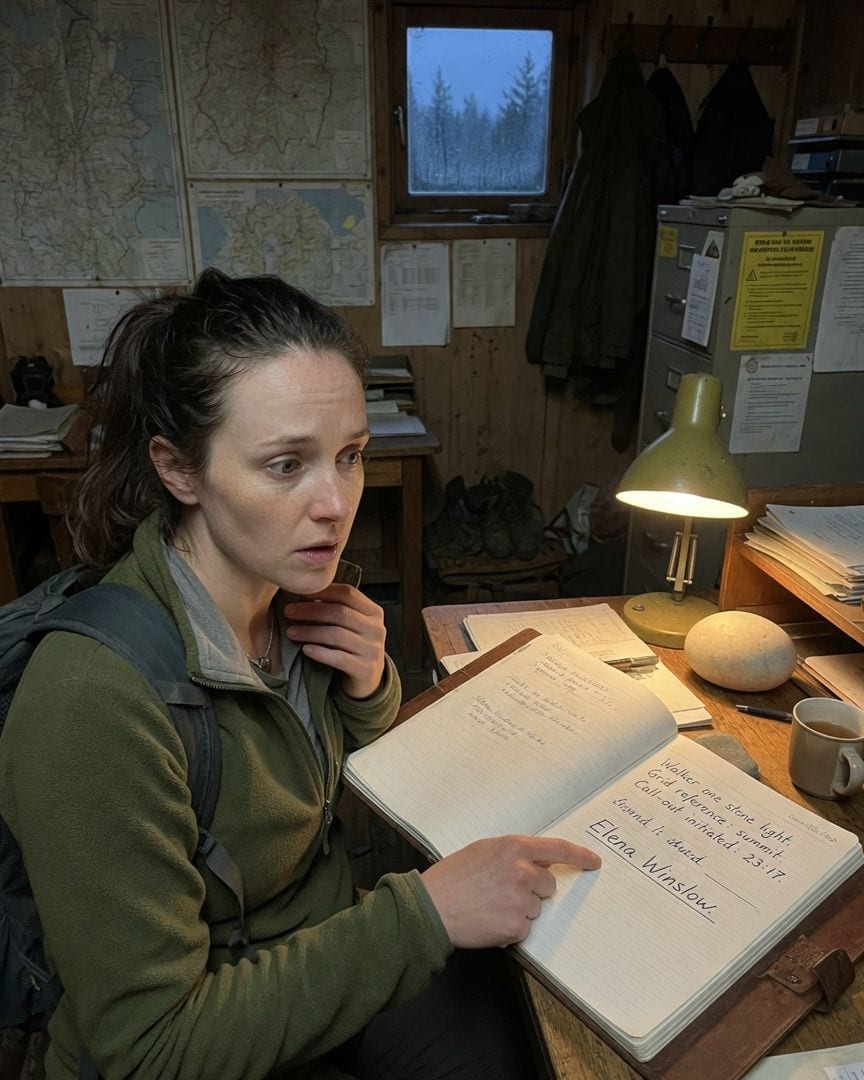
My pocketed mountain stone meant a rescue logbook recorded a call-out that night for me — a shout that never went out.
After an exhilarating climb on Cadair, I took a small, smooth white stone from the summit cairn, despite a warden's warning. Back at the station, a logbook entry shocked me: my name, dated last night, for a rescue call with an impossible detail: 'Walker one stone light'.
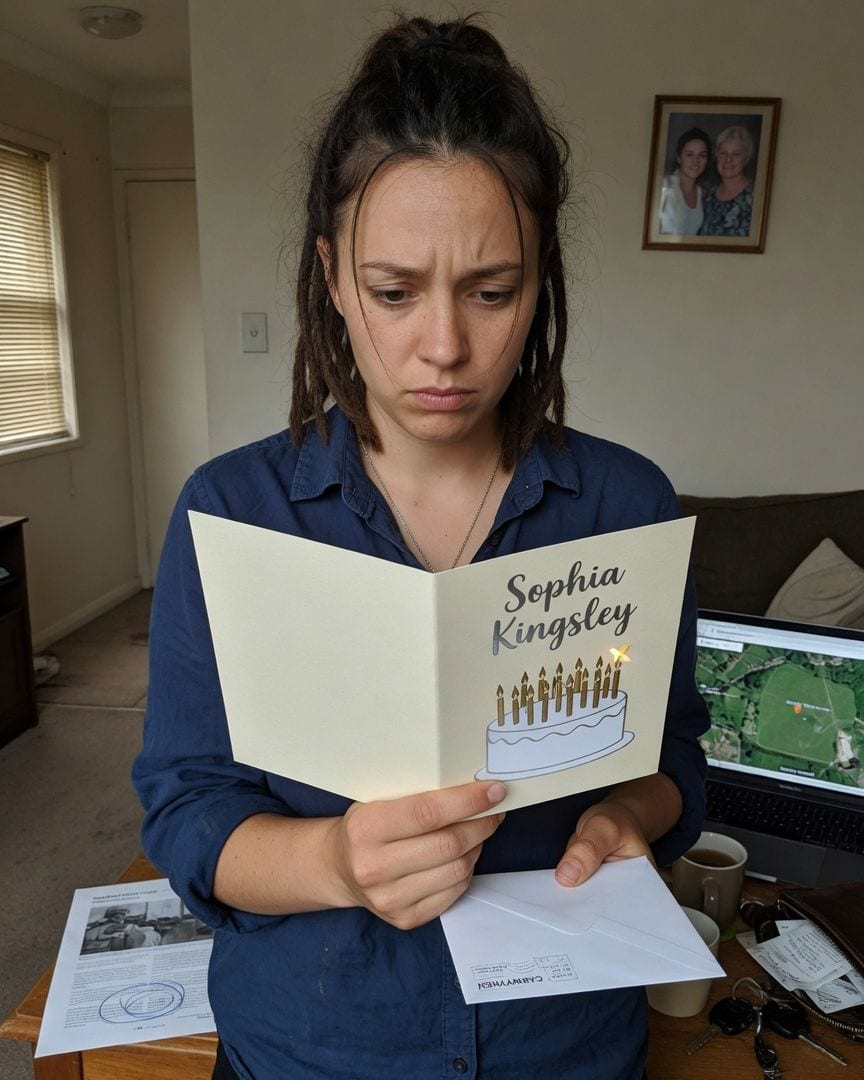
An empty field sends my birthday cards. This year, one candle was crossed out.
My birthday card always arrived a day early, a familiar comfort for five years. This year, a tiny silver 'X' marked one of the thirty candles, and the postmark read 'Carwynnen.' It was an empty field miles from anywhere, with no post office, and no one to send a card.
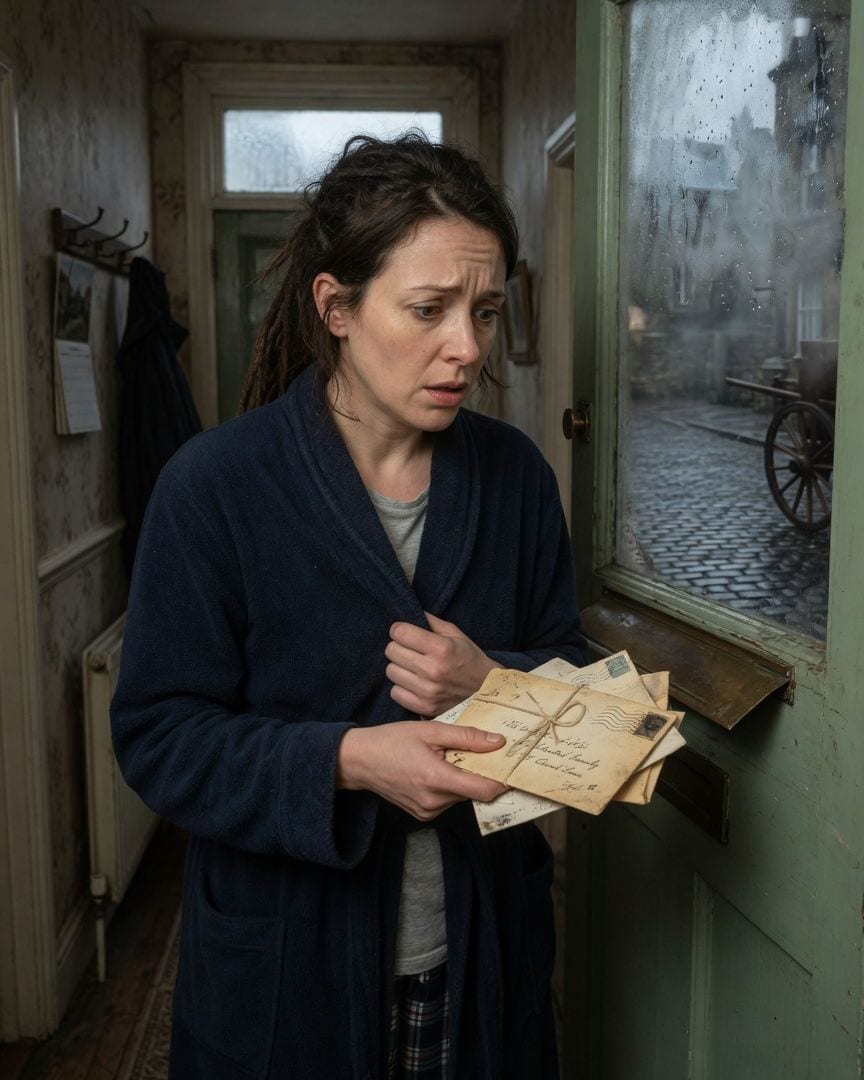
Seventy years ago, a hidden journal recorded my door opening to the wrong street and receiving Lockwood post.
I'd only recently moved into my inherited house, a quiet place on the edge of town. One grey morning, a distinct clatter from the front door's post flap caught my attention. Reaching down, I expected my gravel path, but instead, the flap showed a dark, cobbled street that wasn't mine. A bundle of warm, old letters, addressed to 'The Lockwood Family,' slid through, before the vision flickered and was gone.
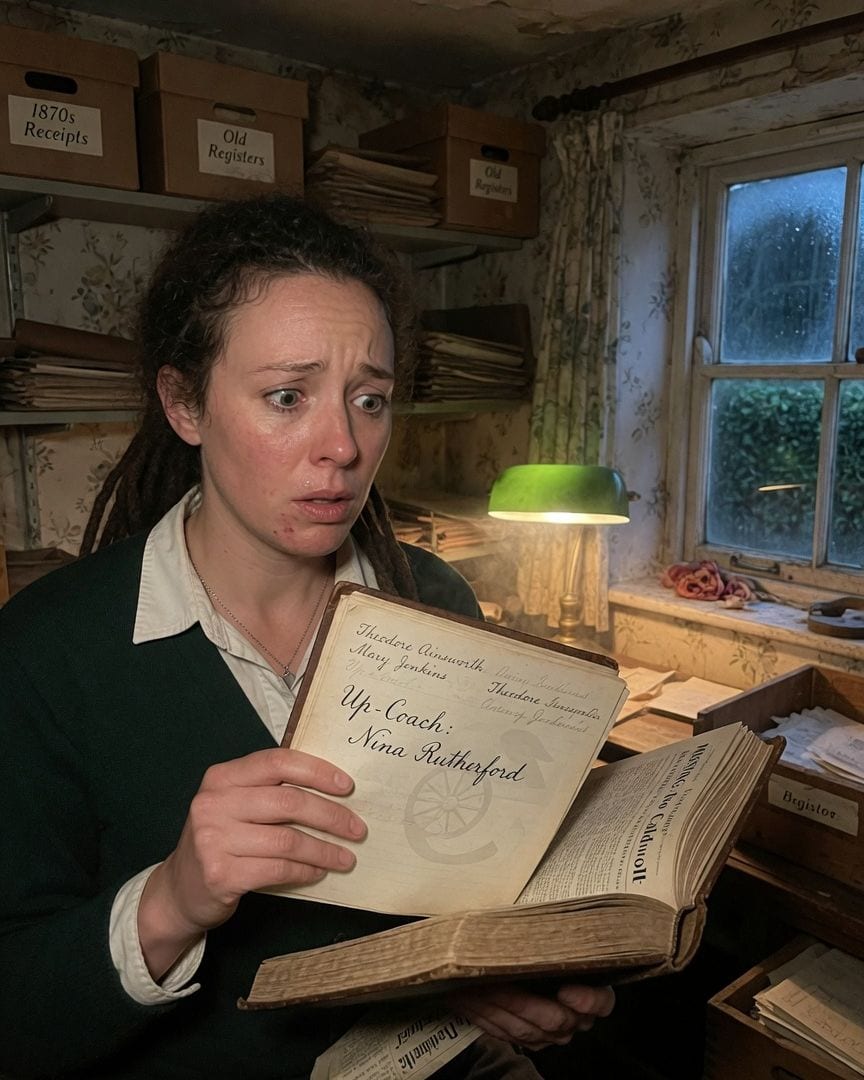
The old inn's arrivals book logs a vanished girl's name. She disappeared two months ago, but the ledger says she checked in last week.
As the new owner of The Angel Inn, I cherished its ancient history. But one evening, while tidying the old arrivals book, I found a chilling entry: Nina Rutherford, a local girl who vanished two months ago, was logged as checking in last week.
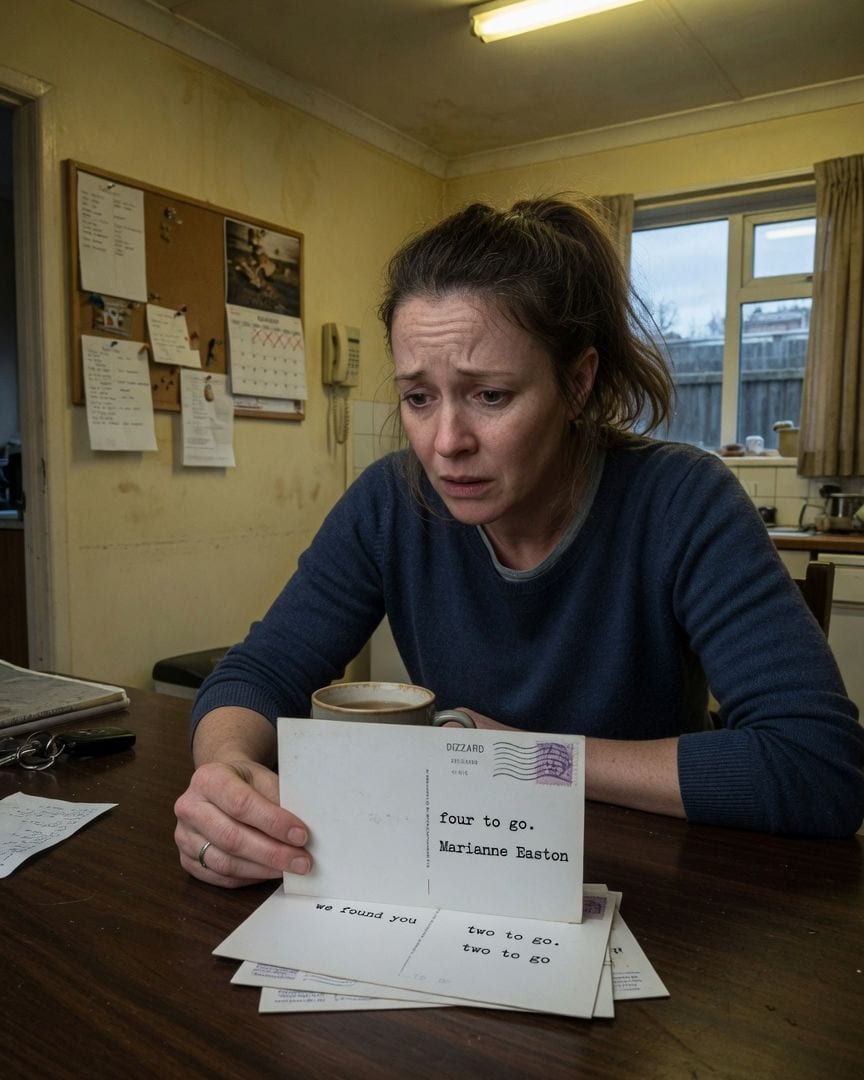
My postcards arrive each Friday, addressed by name, counting down. This week's says 'four to go,' postmarked from a cliff with no postbox.
Every Friday, stark white postcards arrive on my kitchen table, addressed to me. Each one is postmarked 'Dizzard,' a desolate cliff miles from any town, with no post office. For weeks now, they've been counting down.
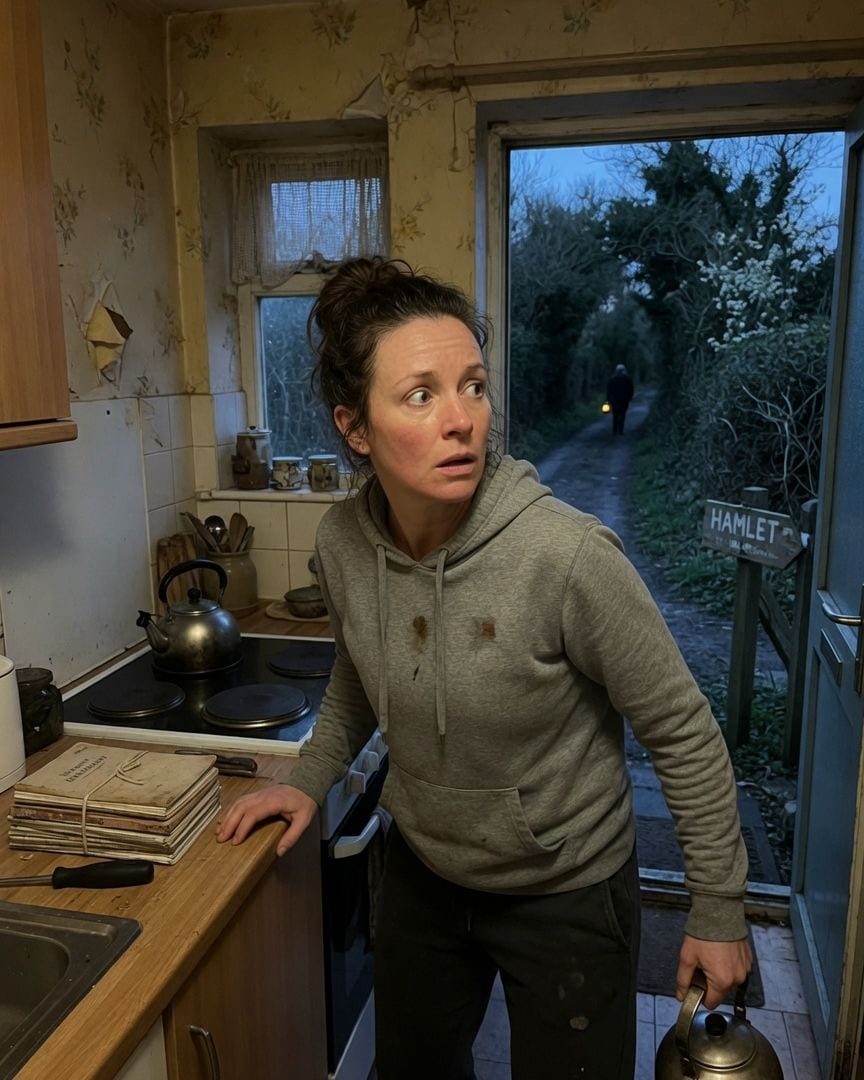
My side gate opens onto a dirt lane between hedgerows, not the close, and a figure with a lantern comes up it toward me.
My side gate normally opens onto the familiar tarmac of the close, but lately, it's opened to a narrow, overgrown dirt lane instead. Three times now, at dusk, I've seen a man with an old-fashioned lantern walking unhurriedly up this impossible lane towards my house. Each time, when I dare to look again, the lane is gone, leaving only the bins and a racing heart.