My postcards arrive each Friday, addressed by name, counting down. This week's says 'four to go,' postmarked from a cliff with no postbox.
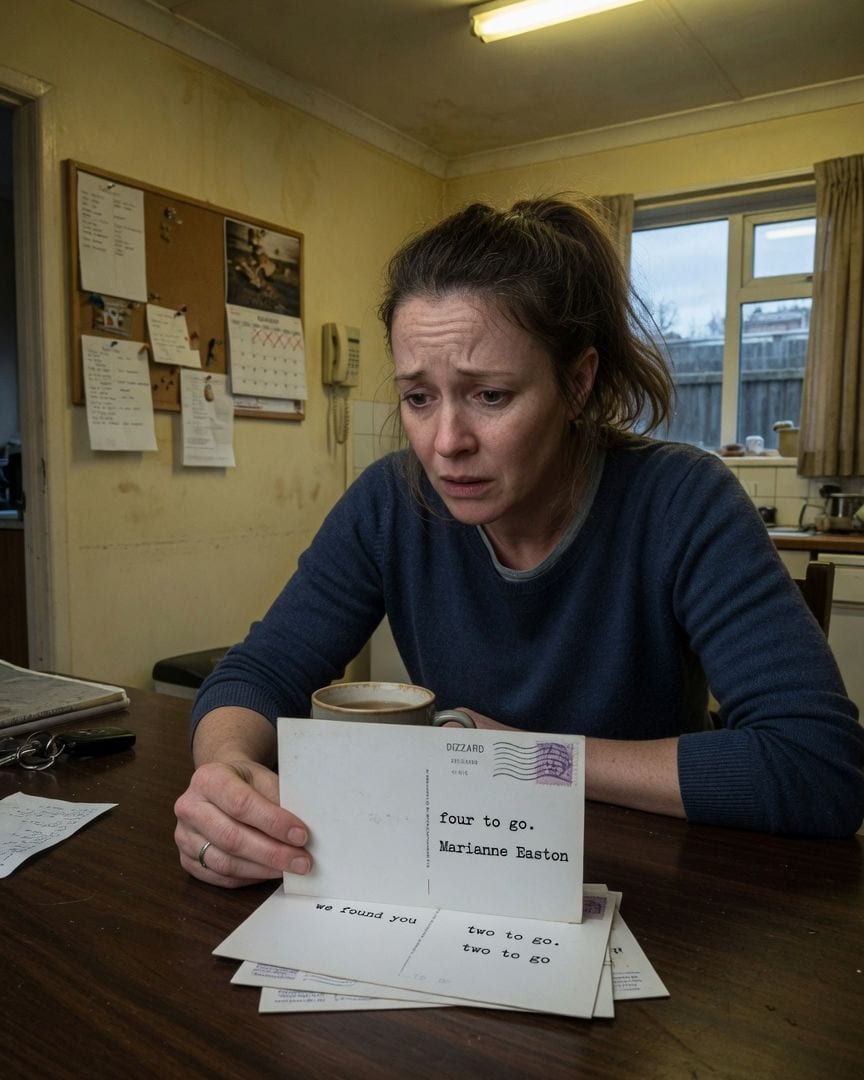
The postcard lay on my kitchen table, stark white against the dark wood. Just a single typed line: 'four to go.' Below it, my full name, centered, perfect: 'Marianne Easton.' The postmark, as always, read 'Dizzard.'
For six weeks now, they’d arrived every Friday. The first one, seven weeks ago, had simply said 'we found you.' Then 'we’re glad.' The countdown started four weeks ago.
Each time, the same plain card, the same precise typing, the same impossible postmark.
I’d tried everything rational. Called the post office in the nearest town, convinced they were dealing with some rogue postal worker or a very dedicated prankster. They had no answers.
I’d flagged down Greg Romano, my usual postman, then later, a string of strangers filling in for his route. Every one of them just shrugged. The cards appeared in the sorting office, they said, already franked.
No one could trace the sender.
Dizzard. It’s a stretch of desolate cliff on the north coast, miles from any town. Gorse and wind-scoured rock. No houses, no roads leading to a postbox. I knew that because I’d looked it up. Twice.
I live alone. No enemies I know of. Certainly no one who’d invest this much time and effort into a prank, maintaining it for so long, with such chilling precision. The dread wasn't in the words themselves, not really.
It was in their quiet, unerring persistence, the way they knew my name, and the utterly impossible source. It was a targeted dread, a slow tightening around me, week by week. Each Friday, the world held its breath.
The frustration gnawed at me. The cards felt too personal, too specific, to ignore. Something had to give. I decided to drive to Dizzard.
The drive was long. The main roads quickly thinned to single tracks, then gave way to rough, unpaved paths that scraped the underside of my car. The landscape shifted, becoming starkly beautiful, windswept and wild.
I saw a few crumbling dry-stone walls, relics of forgotten farms, but beyond that, nothing. Utterly devoid of human habitation. No houses. Certainly no post office. It was exactly as the postmen described.
Nothing here but gorse and the raw, unyielding coast.
I pulled the car over at what looked like the furthest point of the path, then walked. The wind whipped my hair, stinging my eyes with sea spray.
I stood on the clifftop, feeling a profound sense of isolation, a tiny figure against an immense, indifferent expanse of grey sky and turbulent sea. It was pointless. There was nothing here.
As I turned to leave, a movement caught my eye. An old man, Scott Yates, emerged from a hidden dip in the gorse, seemingly out of nowhere.
He was dressed in old, practical clothes, trousers tucked into worn boots, a waxed jacket that had seen better decades. His face was weathered, like the rocks around us, etched with lines that spoke of sun and wind.
He approached me directly, without preamble.
'Marianne Easton?' he asked, his voice surprisingly gentle, yet carrying clearly over the wind.
A jolt ran through me. How did he know my name? My heart hitched. 'Yes,' I managed, my voice thin.
He nodded slowly, his gaze distant, yet unnervingly sincere. 'I'm sorry,' he said, his voice dropping to a near whisper. 'Truly sorry for what’s coming.'
He didn't elaborate. Didn't offer a reason, or even a hint of what he meant. He just nodded once more, a look of profound resignation on his face, a weariness that went bone-deep.
Then he turned, disappearing back into the gorse as silently as he had appeared, swallowed by the landscape he had seemed to emerge from.
I stood frozen, the apology hanging in the air, a prophecy for a future I couldn’t yet imagine. My breath hitched.
Days later, a minor but unsettling incident occurred. My car, usually reliable, refused to start when I needed it most. Just a dead battery, the garage said. An inconvenience, nothing more, but it caused me to miss an important appointment.
Scott Yates's apology echoed in my mind, a phantom whisper. I shook it off, attributing it to coincidence, to a car that was simply getting old.
But then, Friday arrived. And with it, the next postcard. Stark white. Typed. 'three to go.' The countdown was relentless.
Driven by an escalating unease, an urgency I couldn't ignore, I returned to Dizzard. I needed to find Scott Yates, to demand an explanation from the only person who seemed to know anything.
I searched the area where he’d vanished, calling his name into the wind. Nothing but gorse and the roar of the sea.
Then, tucked into a hollow I hadn't noticed before, I spotted it. A dilapidated stone building, barely visible, almost entirely overgrown with ivy.
It looked like an abandoned farm outbuilding, or maybe a very old, disused post office, left to crumble. The heavy wooden door was ajar, a sliver of darkness showing.
Hesitantly, I pushed it open. Dust motes danced in the shaft of weak light that penetrated the gloom. Inside, covered in a thick layer of grey dust, on a rickety wooden table, sat a single, leather-bound ledger.
I picked it up. The leather was dry and cracked beneath my fingers. I blew a puff of dust from the cover, then opened it, the brittle pages creaking.
My eyes fell upon faded, elegant script, the ink a sepia brown against the yellowed paper. My breath hitched. It read: 'Marianne Easton - 1932.'
The ledger felt cold and impossibly heavy in my hands. 'Marianne Easton - 1932.' My name, written out, decades before I was born.
The handwriting was eerily similar to my own, a looping, confident cursive that chilled me more than the impossible date. It was a mirror, but wrong.
I took the ledger. There was no way I could leave it there. My mind raced, trying to find a rational explanation. Back home, I spent hours online, searching for any 'Marianne Easton' born around 1932 in the Dizzard area.
Nothing substantial emerged. A few vague census records, a fleeting mention in an old local newspaper about a family that 'relocated suddenly' from the coast. No death certificate. No marriage record.
It was as if the name existed, then simply vanished, leaving only that one entry in the ledger.
I tried to call Olivia, my friend, to talk through the impossible, but I couldn’t bring myself to articulate it.
How do you explain finding your own name, from before you were born, in a book from an abandoned building, after receiving ominous postcards from nowhere? The words just wouldn’t form.
The following Friday, the postcard arrived, stark and unsettling: 'two to go.' The countdown was tightening its grip.
I tried to find Scott Yates again, driving back to Dizzard, searching every gully and ridge. I even asked at the nearest village pub, showing a photo I’d secretly snapped of him the first time. The locals shook their heads.
No one knew a Scott Yates living out by Dizzard, or even one who fit his description. It was like he was a phantom, an extension of the impossible postcards.
The mundane explanations were failing, one by one, leaving only the cold, hard fact of the ledger. And the postcards. And the apologies.
The feeling of being watched intensified. I found myself checking my windows, jumping at every creak of the old house. The nights were the worst, the silence pressing in.
One evening, my phone rang. An unknown number. I stared at the screen, a knot of dread tightening in my stomach. I answered, my voice a shaky 'Hello?'
A calm, clear voice, neither distinctly male nor female, spoke my name. 'Marianne Easton.' Nothing else. No threat, no message, just my name, spoken with an unnerving, perfect precision. Then, the line went dead.
My hands shook. I called back immediately. It rang unanswered, then went to an automated message: 'This number is not in service.'
I gripped the phone, trying to make sense of it. I tried to tell Olivia about the call, about the ledger, about Scott Yates. Olivia listened patiently, but her skepticism was palpable even through the phone.
'Marianne, honey,' she’d said, her voice laced with concern, 'are you sure you’re sleeping enough? This sounds like a lot of stress. Maybe someone’s playing a cruel joke, or you misread the date in that old book.'
I knew it wasn’t a joke. I knew I hadn't misread. The voice on the phone, calm and knowing, confirmed it. It felt like my investigation had triggered something, that my attempts to understand were now being observed, measured.
The dread shifted from anticipation to active surveillance, a cold certainty that whatever was reaching for me, knew my every move. It wasn’t a prank. It was listening.
The voice on the phone, the relentless postcards, the impossible ledger – they propelled me back to the disused building at Dizzard.
This time, I searched with a desperate intensity, a frantic energy fueled by fear and a need for answers. I pushed aside old sacks that crumbled to dust at my touch, kicked at loose floorboards.
The air was thick with the smell of damp earth and decay.
Behind a crumbling section of plaster wall, hidden from casual sight, I found it: a hidden compartment, a shallow recess built into the stone. Inside, more ledgers.
Older ones, some crumbling to pieces at the edges, their leather covers long gone. And a small, leather-bound journal.
I pulled it out, dust clinging to its brittle, foxed pages. The first entry was dated 1905. It described postcards, chillingly similar to my own, a countdown, and a 'gathering at the Dizzard stone circle on the final Friday.'
I devoured the entries, my eyes scanning the faded script. The journal detailed the writer's growing fear, their frantic attempts to escape, and their ultimate, terrifying resignation. 'The calling cannot be ignored,' one entry read, the ink thin and spider-like.
'It knows your name, and it will find you, no matter where you go.'
As I read, the earlier clues snapped into chilling focus, forming a coherent, monstrous shape. The postcards weren't a prank; they were a summons. Scott Yates’s apology hadn't been for a minor incident, but for the inescapable fate awaiting me.
The impossible postmark from a place without a postbox now made horrifying sense – the 'sender' wasn't human, but something tied to the land itself, to Dizzard.
The entries spoke of a 'duty,' a 'passing of the torch,' and a 'reclamation.' The journal writer, a 'Thomas Donovan,' described seeing others at the 'gathering,' their faces serene, almost expectant, walking towards the cliffs.
The true horror wasn't just that I had been chosen, but that this was an ancient, ongoing ritual, and I was merely the latest participant in a long, silent line stretching back generations.
I flipped to the final entry, dated the day before the 'gathering,' the handwriting shakier, less certain. 'It is time. My name has been called. May the next…' The sentence trailed off, unfinished, a chilling void on the page.
My heart pounded against my ribs. The journal had laid bare a terrifying truth: I was part of a ritual, a 'calling.' I looked at the stack of other ledgers in the hidden compartment.
I pulled the original one, the one with 'Marianne Easton - 1932,' back into my trembling hands.
I flipped through its pages, now understanding its true purpose. It wasn't just a random list; it was a register of the called. I found more names, more dates. 'Pamela Easton - 1968.' My grandmother’s name.
A cold, insidious dread spread through me as I realized the family connection. This wasn't just a random selection; it was a lineage. A cycle.
I turned to the very last page, a fresh, blank page at the back of the ledger. There, faint, almost imperceptible, was an indentation.
A ghost impression from a previous entry, showing the outline of a familiar name pressed into the paper. I held the page up to the fading light from the doorway. The imprint became clearer, unmistakable.
It was my name. 'Marianne Easton.' And beneath it, not a past date, but a blank space. A void, waiting for the current year.
The truth was far worse than I could have imagined: I wasn't just chosen, I was part of a predetermined cycle, a role I was born to fill, a legacy of the Dizzard calling.
The apology from Scott Yates wasn't for my car breaking down, or any minor inconvenience. It was for the life I was about to lose.
The faint sound of footsteps echoed from the hallway outside the disused building, growing closer.
I froze, clutching the ledger. My heart hammered against my ribs, a trapped bird. The footsteps stopped just outside the door. I pressed myself against a stack of old, decaying crates, barely daring to breathe.
The door creaked open, slowly, deliberately.
An old man stepped inside. Arthur Lambert. He moved with a calm, practiced air, not looking around, as if he knew exactly where he was going, exactly what he was doing.
He carried a small, new, leather-bound ledger, identical in style to the old ones, pristine in his grip. He headed straight for the rickety table, the same table where I had found the first ledger.
He set his new ledger down, the soft thud echoing in the stillness. He opened it to a fresh, blank page, then pulled a fountain pen from his coat pocket, his movements deliberate and precise.
Without hesitation, he wrote in elegant, practiced script: 'Marianne Easton.' Below it, he carefully inscribed the date of the upcoming Friday, the day the 'one to go' postcard would have arrived.
He murmured, almost to himself, his voice flat, devoid of emotion, 'The cycle continues. The calling answered. Another name recorded.'
He seemed utterly devoid of emotion, a mere functionary in an ancient, terrible process. All the scattered clues, the postcards, the impossible dates, Scott Yates's apology, the journal entries – they snapped into place, forming a coherent, monstrous shape.
Arthur Lambert wasn't a malicious figure; he was the caretaker, the record-keeper, ensuring the pattern was maintained, the names documented as they were 'called' to Dizzard.
He represented the quiet, unbothered presence of the source of the wrongness, an ancient mechanism that simply was.
I watched Arthur Lambert, hidden in the shadows, my mind a whirlwind of horror and desperate resolve. I would not be another name in his ledger. I would not answer the calling.
I waited, hidden, until Arthur finished his task, closed the new ledger with a soft click, and exited the building, leaving the door slightly ajar behind him. He didn’t glance back.
As soon as his footsteps faded into the wind, swallowed by the vast, indifferent landscape, I moved.
I grabbed the new ledger, the one with my name, fresh on its page. I gathered the old ones, the journal, everything. My escape wasn't just about running; it was about disrupting the pattern.
I couldn’t fight the 'calling' directly, not this vast, ancient thing, but I could erase its history, its records.
I drove away from Dizzard, not home, but to the remotest part of the coastline I could find, a jagged, windswept promontory overlooking the churning sea. The sky was dark, heavy with an impending storm, bruised purple and grey.
On the cliff edge, the wind tearing at my clothes, I started a small fire, sheltering it with my body. The gorse I collected was surprisingly dry, crackling to life. One by one, I fed the ledgers into the flames.
The old paper resisted, curling and hissing, the faded ink seeming to cling to the pages, but eventually, they caught. The journal, brittle with age, turned to ash in moments. The heavy leather covers crackled and warped.
As the flames consumed the last page of the new ledger, the one bearing my name and the dreaded date, a sudden, profound silence fell. The wind died completely, the roar of the sea receded to a whisper.
A heavy, unseen presence descended, not angry, but vast, expectant, enveloping me. It felt like the entire landscape was holding its breath. I had broken the cycle, but at what cost?
I felt utterly exposed, irrevocably changed, a small defiance against an ancient, indifferent power.
I returned home, physically exhausted, mentally hollowed. The fire had taken everything, leaving only ash and the chilling memory of that presence on the cliff. Weeks passed. No more postcards arrived. The Fridays came and went, silent and empty.
Olivia called, concerned about my withdrawn demeanor, my quietness, but I offered only vague assurances. I tried to explain what I’d found, what I’d done, but the words felt thin, unbelievable, even to my own ears.
The world outside my windows went on, oblivious to the ancient pattern I had shattered. The Dizzard cliffs remained, windswept and desolate, a silent monument to a broken cycle. I survived, but the encounter had etched itself onto me.
The dread hadn't vanished; it had simply settled, a new, permanent layer beneath my skin.
The silence in my mailbox was a victory, yet it felt heavier than any postcard. I often found myself staring at the Dizzard postmark on old bills, a phantom echo of the 'calling.'
I had broken the cycle, but I hadn't erased the knowledge. The world was still full of patterns, unseen and unheard, and now I knew how to recognize them.
Sometimes, catching my reflection in a window, I would notice a subtle shift in my own eyes, a deeper, more knowing gaze that hadn't been there before.
It was the mark of having looked into the abyss and, for a moment, held its gaze. I knew I was not just Marianne Easton anymore; I was the one who had stopped the countdown.
The silence that followed was not empty, but full of a name I now understood.
If this one got to you
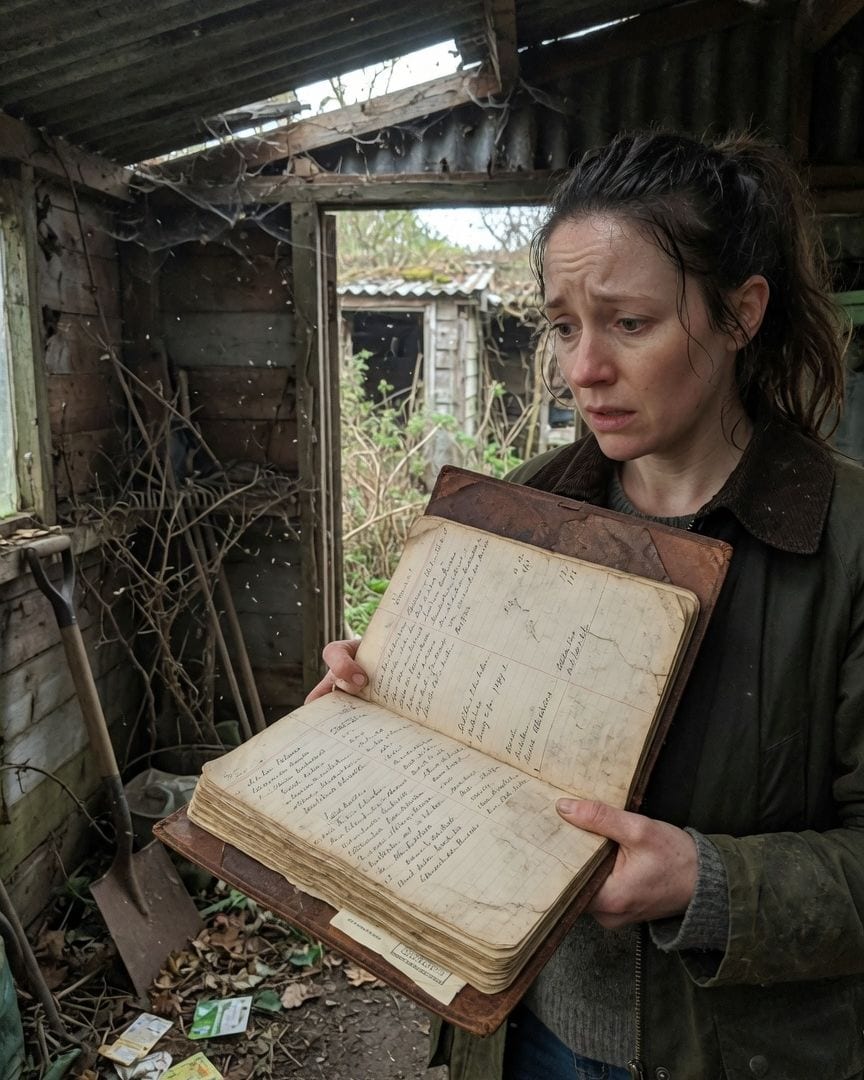
My mailbox holds my own obituary, updated weekly. The postmark reads Cold Ashby allotments, where there's only a standpipe and sheds.
Every Wednesday, a crisp white envelope arrives, containing my own obituary. It's mailed from the desolate Cold Ashby Allotments, a place with no post office, and each week a new, accurate detail of my life is added, leaving only the death date chillingly blank.
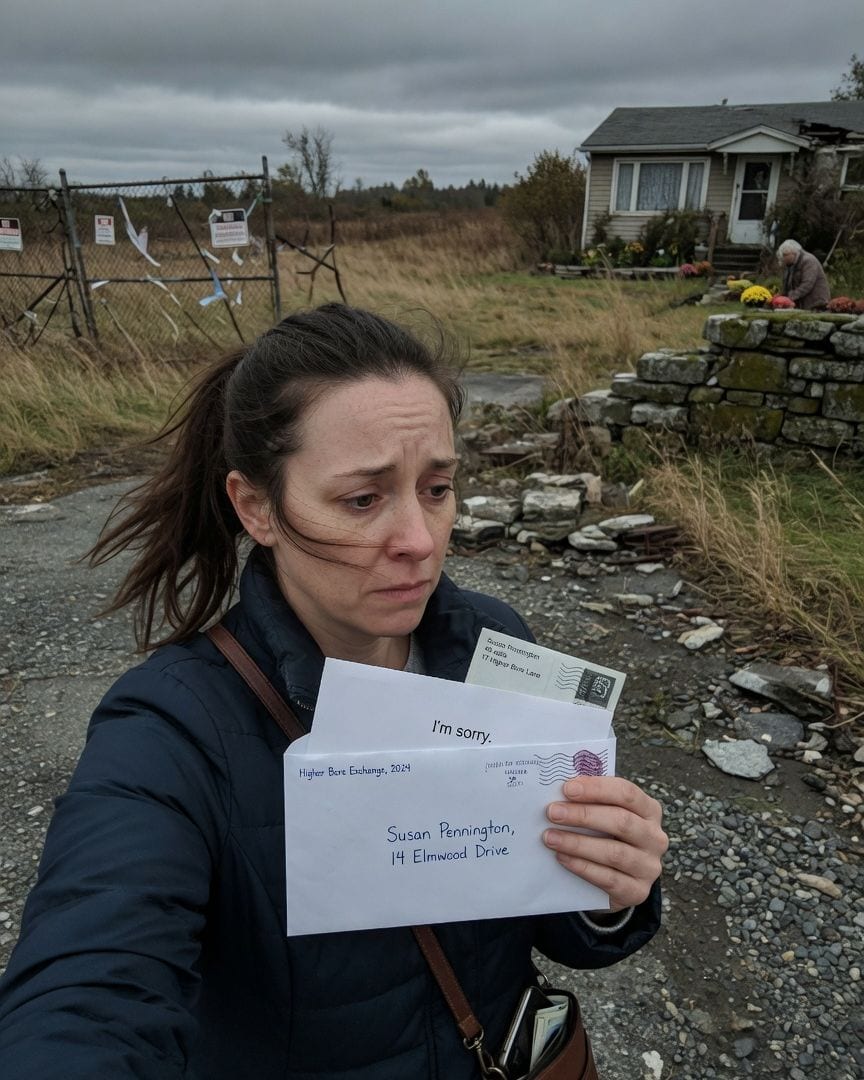
My phone bill listed forty calls made at 3:14 AM to a house demolished in 1990. The paper bill came from a flattened building. My name is on it.
I stared at my phone bill, my morning coffee forgotten. It detailed forty calls, each at 3:14 AM, to an address I knew was a vacant lot where a house had stood decades ago. But the real dread began when I saw the bill's return address: a telephone exchange flattened years before.
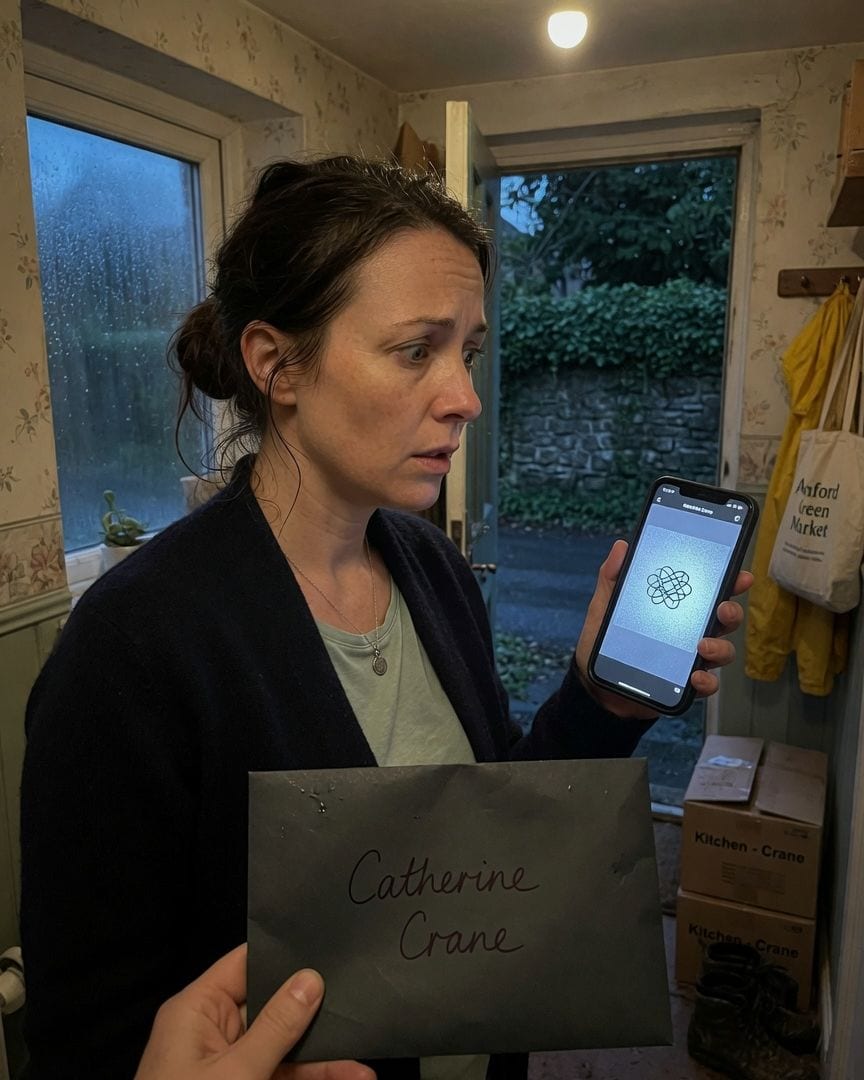
My postman warned me: never use the old pillar box. Royal Mail logs a collection every day, one item, signed by no one.
Moving to Ashford Green, I dismissed my postman's strange warning about the old pillar box by the ford. But after my own letter vanished inside it, I returned at midnight. Then, a dark, unstamped envelope slowly slid *out* of the slot, addressed to me.
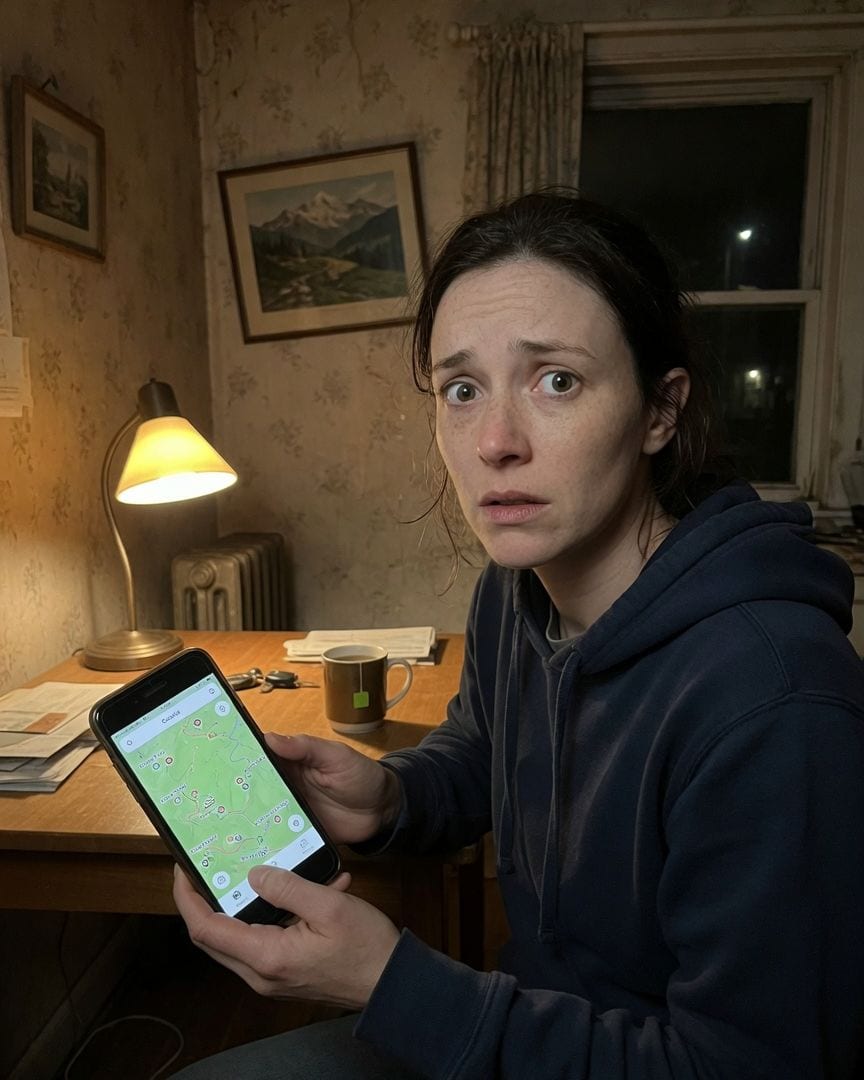
My hiking app scrubbed the hill's name from the map, on a phone that's been in airplane mode for two days.
I just moved to town and hiked a local hill, 'Cathan Tor,' according to my phone's app. But when I mentioned the name to the mechanic, he froze, dropped his wrench, and whispered, 'Don't say that name, Colette.'
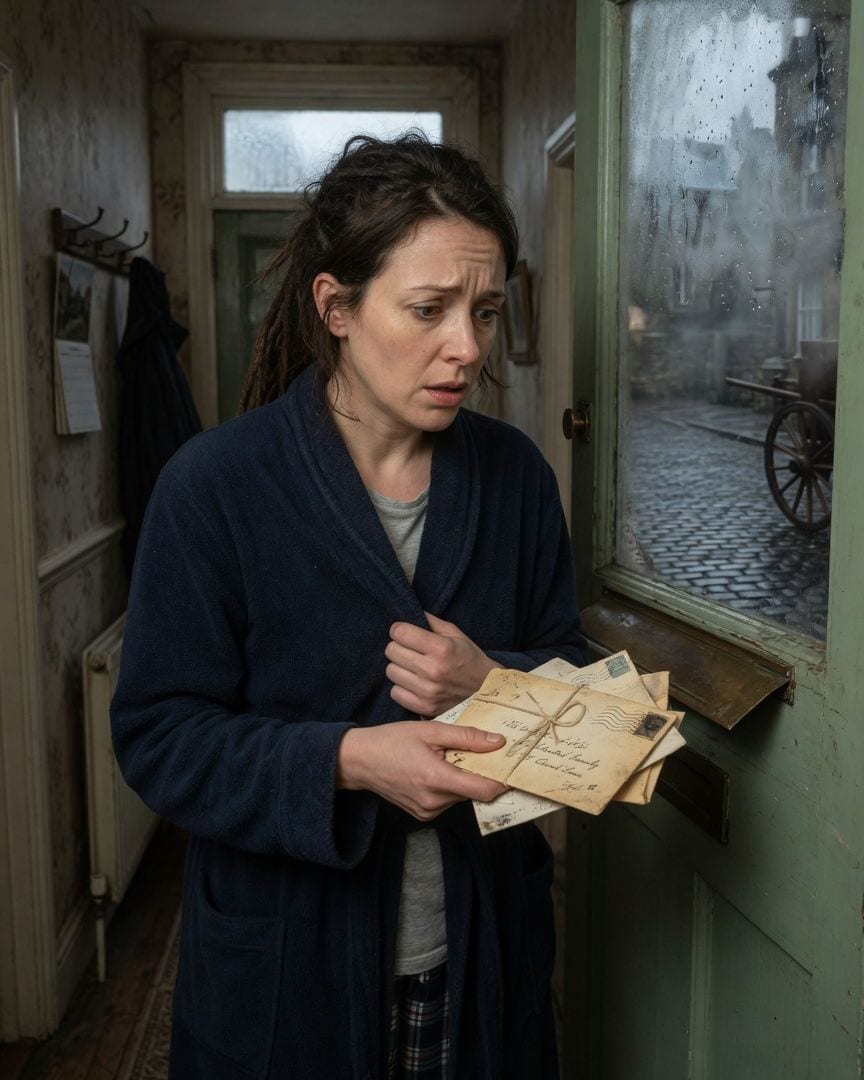
Seventy years ago, a hidden journal recorded my door opening to the wrong street and receiving Lockwood post.
I'd only recently moved into my inherited house, a quiet place on the edge of town. One grey morning, a distinct clatter from the front door's post flap caught my attention. Reaching down, I expected my gravel path, but instead, the flap showed a dark, cobbled street that wasn't mine. A bundle of warm, old letters, addressed to 'The Lockwood Family,' slid through, before the vision flickered and was gone.
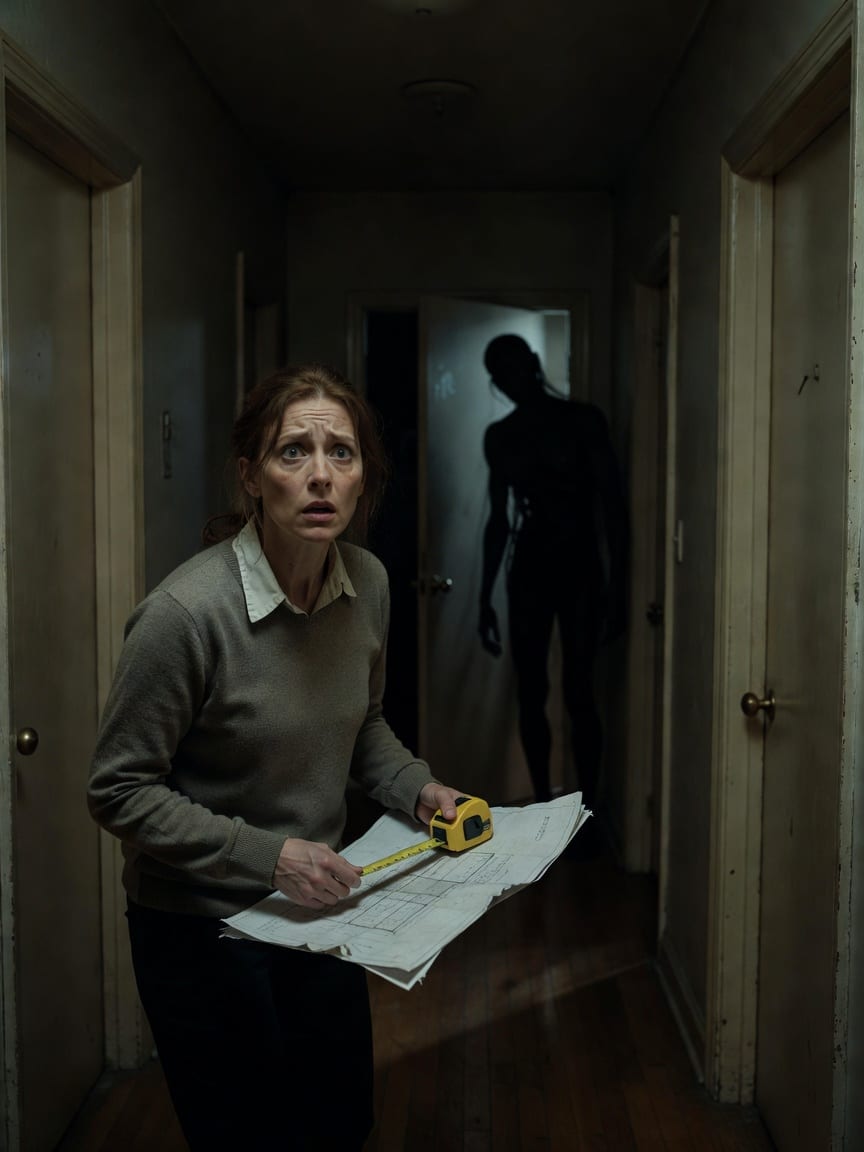
My front door has a dented gate and a dead hydrangea. I walked past it six times, trying to reach the corner shop just a hundred yards away. The pavement kept bringing me back to my own porch, and the shop's light never moved.
My morning started like any other, a quick walk to the corner shop from my home at Number 14, Elm Terrace. But after walking what felt like two minutes, I found myself back at my own front door, the shop no closer. I tried six times, faster and slower, but my street kept compressing, refusing to let me leave.