My postman Dave apologised to me for nothing, then swore the strange, plain envelope with my name on it wasn't in his bag.
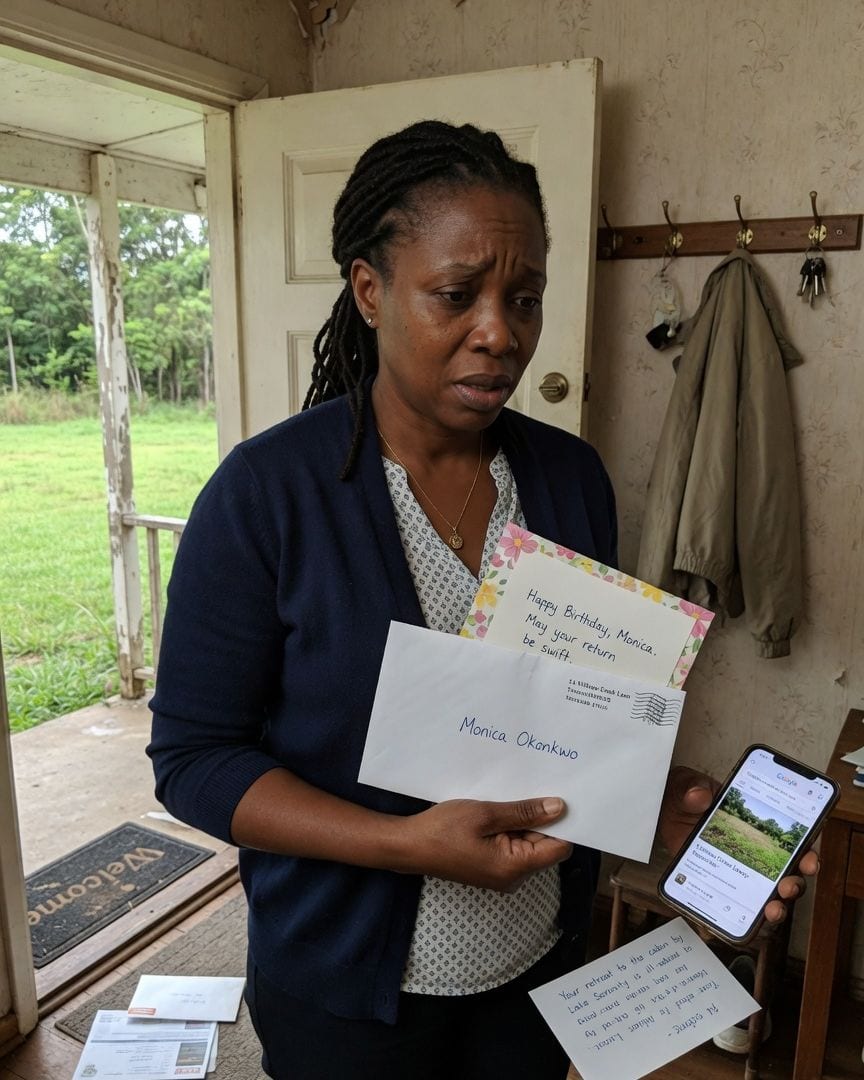
Monica Okonkwo stood by her front door, the usual Tuesday mail in her hand. Her postman, Dave Montgomery, a man who’d delivered to her street for eleven years, looked genuinely distressed.
“I’m sorry, Mrs. Okonkwo — really I am,” he mumbled, his gaze darting away from mine, fixing instead on a patch of peeling paint on my porch railing.
I frowned. Nothing was wrong. I hadn't ordered anything unusual, no packages were missing, and all my bills seemed accounted for.
Dave apologised again, a flustered shake of his head, saying he didn’t know what had come over him, before hurrying down the path, his uniform a blur against the bright morning.
Among the bills and flyers, I found a plain white envelope. Thicker than normal. No return address. My name, 'Monica Okonkwo', was written on it in careful, looping script I didn't recognise. I remembered Dave’s words, a flash of irritation.
He had sworn he’d never carried it in his bag. But here it was. Just another piece of mail.
I turned the envelope over in my hand, the paper surprisingly thick and smooth, almost linen-like. The postmark was crisp, dated yesterday: '14 Willow Creek Lane, Townsville'.
I knew Willow Creek Lane, a quiet residential street on the edge of town, but 'number 14' didn't ring a bell. I'd lived here for seven years; I thought I knew most of the addresses.
I opened the envelope. Inside was a simple birthday card, the kind you’d buy from a supermarket – a generic floral design. The message, again in that precise, unfamiliar hand, read: 'Happy Birthday, Monica. May your return be swift.'
My birthday wasn't for another two months. I scoffed, a nervous laugh escaping me. A prank, surely. An old school friend, perhaps, with a terrible sense of humour and an even worse memory for dates.
I pulled out my phone, searching '14 Willow Creek Lane, Townsville'.
The results confirmed my vague memory: the property had been demolished decades ago, replaced by a small, overgrown public field, a green space the town council had never quite gotten around to developing.
I tried to rationalise it: a joke from an old school friend, perhaps, misremembering her birthday, using a defunct address for anonymity to avoid being caught. But the unease persisted, a cold knot in my stomach.
Who would go to such lengths for a prank? And how did they know my exact address and full name, if it was just some old friend? The looping script was certainly not familiar, not from anyone I knew.
My rational brain tried to dismiss it, but the feeling of being watched, however subtly, settled in.
The next morning, another plain white envelope lay on my doormat. It must have been slipped under the door, not delivered by Dave.
Identical in every way to the first, right down to the precise handwriting of my name and the crisp '14 Willow Creek Lane' postmark. My hands trembled as I tore it open. This time, it wasn't a card.
It was a single sheet of paper, a stark, typewritten message: 'Your retreat to the cabin by Lake Serenity is ill-advised. The woods hold no refuge.'
I gasped, dropping the paper to the floor. I had only decided on the cabin retreat yesterday, a private escape I hadn't told a soul about, not even my closest friends.
It was meant to be a solo trip, a quiet weekend of reading and reflection, booked online just hours after I'd received the first letter.
The dread was no longer a knot; it was a tightening band around my chest, suffocating me.
I spent the rest of the day in a frantic blur. My fingers fumbled over the keyboard as I cancelled the retreat booking, the thought of being alone in an isolated cabin now a pure terror.
I called the police, reporting a stalker, but Detective Julian Barlow listened patiently, his voice calm and professional, then gently dismissed it as a prank, advising me to be careful with my online privacy.
"No physical threat, Mrs. Okonkwo," he'd said, "and a postmark from a demolished property suggests a hoax. We can't act on something so vague." The phone clicked dead, leaving me with a hollow ringing in my ears.
Undeterred, driven by a growing, frantic energy, I drove to the overgrown field where 14 Willow Creek Lane once stood.
It was just as the internet had described: tall weeds, patchy grass, and a lone, gnarled oak tree in the center, its branches reaching like skeletal fingers. I walked the perimeter, feeling absurd, my shoes crunching on gravel.
I peered into the scrub, searching for… what? A hidden mailbox? A prankster in a bush? A single, fresh footprint? Nothing.
The air was still, heavy with a silence that felt too deep for a residential area, almost as if the noise of the nearby street was being actively absorbed.
Back home, the silence in my own house felt oppressive. I started researching 'Willow Creek Lane' with a new intensity. Local historical societies, old newspaper archives. I found mention of a small, local library with extensive historical records.
The next morning, fueled by lukewarm coffee and a restless night, I visited the Townsville Public Library, asking for their local history section.
Eleanor Hayes, the archivist, a kind woman with silver hair pulled back in a neat bun, directed me to dusty shelves lined with ancient-looking tomes.
I explained my strange situation, omitting the more unsettling details – the specific warning about my retreat, the unrecognisable script.
Eleanor, intrigued, her brow furrowed in concentration, mentioned that 14 Willow Creek Lane had indeed been a house, but it had a 'peculiar history.'
"Some folk believed it was… haunted," Eleanor said, a faint, almost nostalgic smile playing on her lips, "or perhaps just unlucky. A few families lived there over the years, and each time, something strange happened. People just… left.
Never to be seen again, some of them. The house was eventually abandoned and left to rot before the town council finally tore it down in the late seventies. It was a mercy, really.
Nobody wanted to live there after a while."
I felt a prickle on my neck, a sudden coldness creeping up my spine. "Were there any records of who lived there?"
I asked, my voice barely a whisper, surprised at how steady it sounded despite the ice forming in my stomach.
Eleanor, her smile fading as she sensed the shift in my demeanor, suggested I check the old town ledgers, bound volumes of property deeds and census records, some dating back a century.
She brought out a heavy, leather-bound book, its pages brittle and yellowed. While I poured over the faded script, carefully turning the delicate pages, another letter arrived at my house.
I wasn’t there, of course, but I found it when I returned. This one was left on my porch, not in the mailbox. It was a single sheet, no envelope, tucked under a potted plant I’d had for years.
'You seek answers where none should be found. The path is chosen.' My heart hammered against my ribs, a frantic bird trapped in a cage. I was being watched. My own house felt like a glass box.
I installed a cheap security camera from the hardware store, pointing it at the front door and porch. But it recorded nothing but squirrels chasing each other up the oak tree and passing cars on the street. No figures.
No shadows. Just ordinary, mundane life. The calls started that night. My phone would ring, I'd answer, and hear only faint static, then a soft, drawn-out whisper that sounded exactly like my name, 'Monicaaa.' No caller ID.
Each call left my hand trembling, the handset cold against my ear even on a warm night.
I considered leaving town, packing a bag and just driving until the gas ran out. But where would I go that 'it' wouldn't find me? The letters proved it knew my plans, knew them intimately, even before I did.
The feeling of being hunted, of being utterly transparent, sharpened my focus. Fear became a cold, analytical energy. I returned to the library, to the ledgers, determined to find some logical explanation, some crack in the impossible.
Scrolling through decades of entries, my finger tracing faded ink, I found a land deed for 14 Willow Creek Lane, dated 1937. Beneath the names of the property owners, in a different, more elegant hand, was a list of 'occupants.'
And there, among them, clear as day, was 'Monica Okonkwo.' My full name. Decades before I was born. Beside it, a small, circular symbol, like a stylized knot, that I vaguely recognised from the corner of my birthday card.
My breath hitched.
I stared at the ledger, my breath catching in my throat, the blood rushing in my ears. 'Eleanor,' I called, my voice strained, barely audible. 'Can you explain this?'
Eleanor Hayes approached, her movements slow, her expression shifting as she saw the open ledger and the entry my finger was still pointing to.
She peered at the elegant script, her eyes widening slightly, a faint ripple of something like recognition, or perhaps resignation, crossing her face.
'Ah, yes. The… the 'marked ones,' as the old folk called them.' She sighed, a long, weary sound, and gently took my arm, leading me to a quiet corner of the library, away from the few other patrons.
'This ledger, it's not just property records. It's also a record of certain families. Families whose names… reappeared, generation after generation, associated with that specific plot of land.'
I pushed, my voice barely a whisper. 'But my name, here, in 1937? That's impossible. My grandmother wasn't even born then.'
Eleanor nodded slowly, her gaze distant, fixed on some unseen point across the room. 'Not impossible, my dear. Just… cyclical. There were stories, whispers really, of a presence connected to Willow Creek.
Not a ghost, not a spirit, but something older. Something that… claimed certain bloodlines. People with specific names. It wasn't malicious, not in the human sense. More like… a shepherd gathering its flock.
The letters, the warnings, the apologies you described from your postman – they were all part of the 'calling.' A preparation for the 'return.' The symbol next to your name? That's the mark. It signifies the claim.'
A cold dread seeped into my bones, a sensation far deeper and more insidious than any fear I'd known before. The previous weeks' events snapped into horrifying clarity. Dave's apology for nothing, his inexplicable distress.
The postmarks from the empty field, not a joke but a geographical nexus. The impossible knowledge of my private plans, not a stalker but an ancient awareness. It all fit.
The entity didn't just know my name; it had known it for generations. I was not a random target. I was an inheritance. The truth, even as it settled, left me with a crushing certainty that could never be undone.
My gaze fell back to the ledger, specifically to the land deed for 14 Willow Creek Lane. My eyes scanned the page, searching for any other anomaly, any other clue.
In a tiny, almost hidden corner, beneath a smudged signature, was a string of numbers that looked like a very old, very local phone number. Seven digits, with a familiar area code.
A desperate, irrational thought took hold. If 'it' could reach her, if it could whisper her name through static and deliver impossible letters, could she reach 'it'? Could she confront this thing that claimed her?
My hands shaking, Monica copied the number onto a slip of paper, the flimsy white square feeling heavy in my fingers. I knew it was insane, illogical, completely against every rational instinct.
But the need to understand, to somehow break this terrifying intimacy, this pre-ordained fate, was overwhelming.
I left the library, the weight of the ledger's truth pressing down on me, the knowledge like a physical burden on my shoulders. The sunlight outside felt too bright, the ordinary world too loud.
Back in my car, parked on a quiet side street, I pulled out my phone. My thumb hovered over the slip of paper, then I typed the numbers, one by one, into my keypad.
My finger hovered, then pressed 'Call' on the old, faded phone number from the deed. The line rang, once, twice, then connected. There was no dial tone, no greeting. Just a profound, unnatural silence.
And then a voice, utterly devoid of human inflection, flat and resonant, spoke my full name, "Monica Okonkwo. It's time."
The voice on the phone was a sound without a source, a resonance that vibrated in my bones more than my ears.
It spoke again, not in words I could translate, but in a cascade of images and knowing that flooded my mind: the vast, patient expanse of the land, the slow turning of seasons, the brief, bright flicker of human lives across its surface.
It was an entity as old as the earth itself, bound to the specific soil of Willow Creek, and it considered certain bloodlines, my bloodline, to be part of its own, a harvest, a natural cyclical return.
The 'letters' were its gentle nudges, its way of guiding its chosen back to their origin. The warnings were not threats, but preparations for an inevitable transition. The postman's apology?
Just a ripple, an unconscious echo of the entity's pervasive presence touching human minds, a fleeting moment of dread implanted in a man who carried its missives.
It was not evil, not malicious, simply… a force of nature, with its own ancient, terrifying logic, as indifferent to human suffering as a river to a stone.
I understood, with a clarity that chilled me to the marrow, that this wasn't a haunting I could banish, or a mystery I could solve. It was an inescapable pattern, a slow, inevitable draw towards a 'return' I couldn't fight.
My rational mind screamed, but the truth, coherent and chilling, settled deep within me, cold and unyielding.
Armed with this terrible knowledge, I tried to resist. I packed a bag, a desperate, frantic blur of clothes and essentials.
I bought a one-way train ticket to a city hundreds of miles away, a frantic attempt to break the invisible tether I now felt.
But the letters continued to arrive, not in my mailbox, not from Dave, but appearing on my packed suitcase, tucked under the edge of my train ticket, each one simply bearing my name.
The messages became less subtle, less suggestive: 'The journey ends where it began.' 'The soil awaits.' 'Your name is etched in the earth.'
The voice on the phone called constantly, sometimes a flat tone, sometimes that soft, drawn-out whisper of my name, but the resonance alone was enough to make my hands tremble, to make my resolve crack.
I felt an invisible tether, pulling me, gently but inexorably, towards the field at 14 Willow Creek Lane.
I tried to destroy the ledger, to burn the letters, but fire wouldn't catch, the pages simply remained, pristine and unyielding, mocking my futile attempts.
The dread wasn't a fear of death, but of an utter dissolution of self, a re-absorption into something ancient and indifferent, something that considered me merely a component of its own timeless cycle.
One evening, I found myself driving, my hands on the wheel, but with no conscious memory of having started the car, of having left my driveway.
The streetlights blurred into streaks of light and shadow, the familiar streets now strange and alien. I was heading towards Willow Creek Lane. The full truth understood, I knew there was no escape, no fight. Only the knowing.
I pulled over, just short of the empty field, the car coasting to a silent stop.
The air was thick with the scent of damp earth and something else, something primal and green, a smell I suddenly realised I had always known, always vaguely recognized as 'home.'
I got out of the car, drawn to the lone, gnarled oak tree in the center of the field, the one I'd seen on my first visit. The letters had stopped coming. The phone was silent.
Only the gentle, insistent pull remained, a silent, intimate invitation. I walked towards the tree, the earth soft beneath my feet, almost welcoming.
As I reached the base of the gnarled trunk, I saw it: a single, plain white envelope, waiting for me on the exposed roots. No postmark this time. Just her name, Monica Okonkwo, in that familiar, looping script.
Monica Okonkwo's car was found abandoned on the side of Willow Creek Lane a week later. Her house stood quiet, the curtains drawn, a few unopened bills scattered on the doormat.
Postman Dave Montgomery noticed her mail accumulating, then stopping altogether. He mentioned it to a neighbor, but no one had seen Monica for days.
The police filed a missing person report, but with no signs of struggle or forced entry, and her car perfectly intact, Detective Barlow had little to go on.
He drove by the empty field, his gaze lingering on the ancient oak, a strange, inexplicable chill running down his spine.
Weeks turned into months. Monica's case eventually went cold. Her house was eventually sold, its contents cleared out. Among the last items to be sorted from her desk, tucked away in a drawer, was a single, plain white envelope.
No address, no stamp. Inside, there was nothing but a single, perfectly preserved feather, iridescent green and impossibly delicate, from a bird not native to this hemisphere. It lay there, silent and still, a final, intimate farewell.
Dave Montgomery, on his rounds, sometimes glanced at the field at 14 Willow Creek Lane, a shiver running through him, a faint, unsettling echo of an apology he still didn't understand. He'd never seen a bird like that around here.
If this one got to you
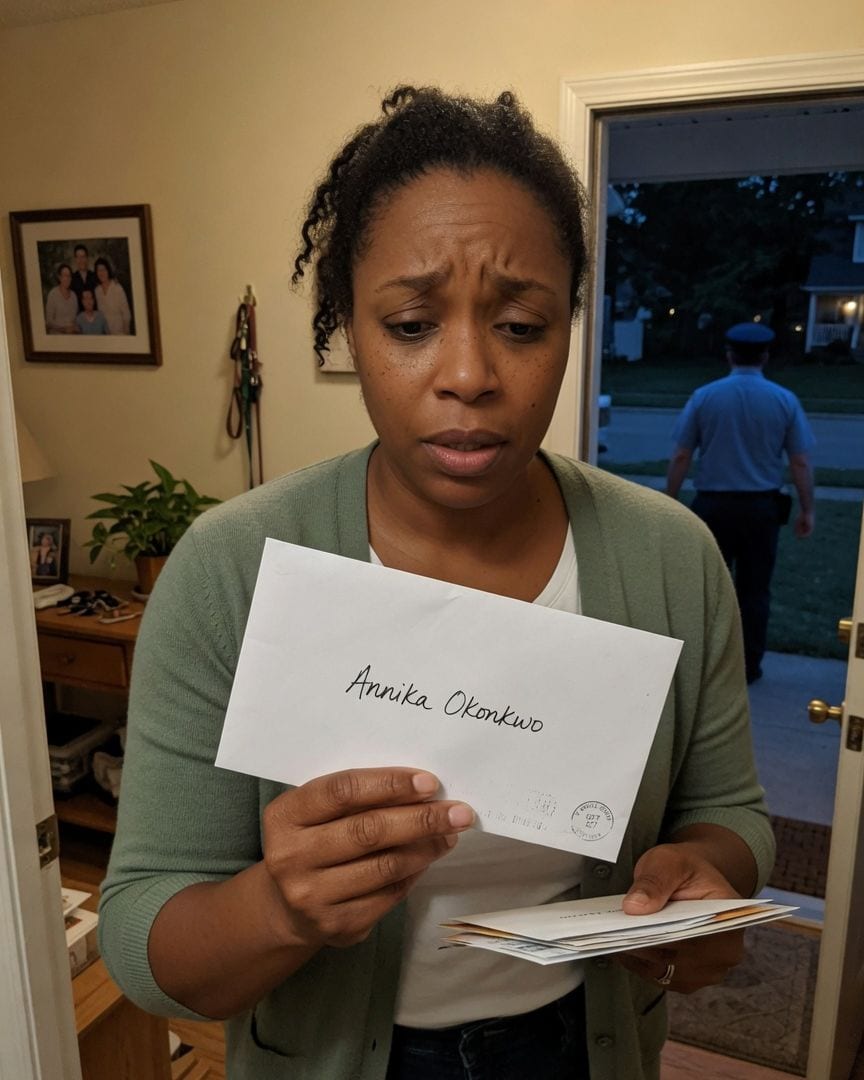
My postman apologised, then disowned the letter with my name.
My postman, Dave, delivered the usual mail, but then strangely swore he never carried one plain white envelope. Addressed to me in an elegant hand, it stood out from the bills. The real dread began when I saw its postmark: 14 Maple Street, a vacant lot where a house burned down fifteen years ago.
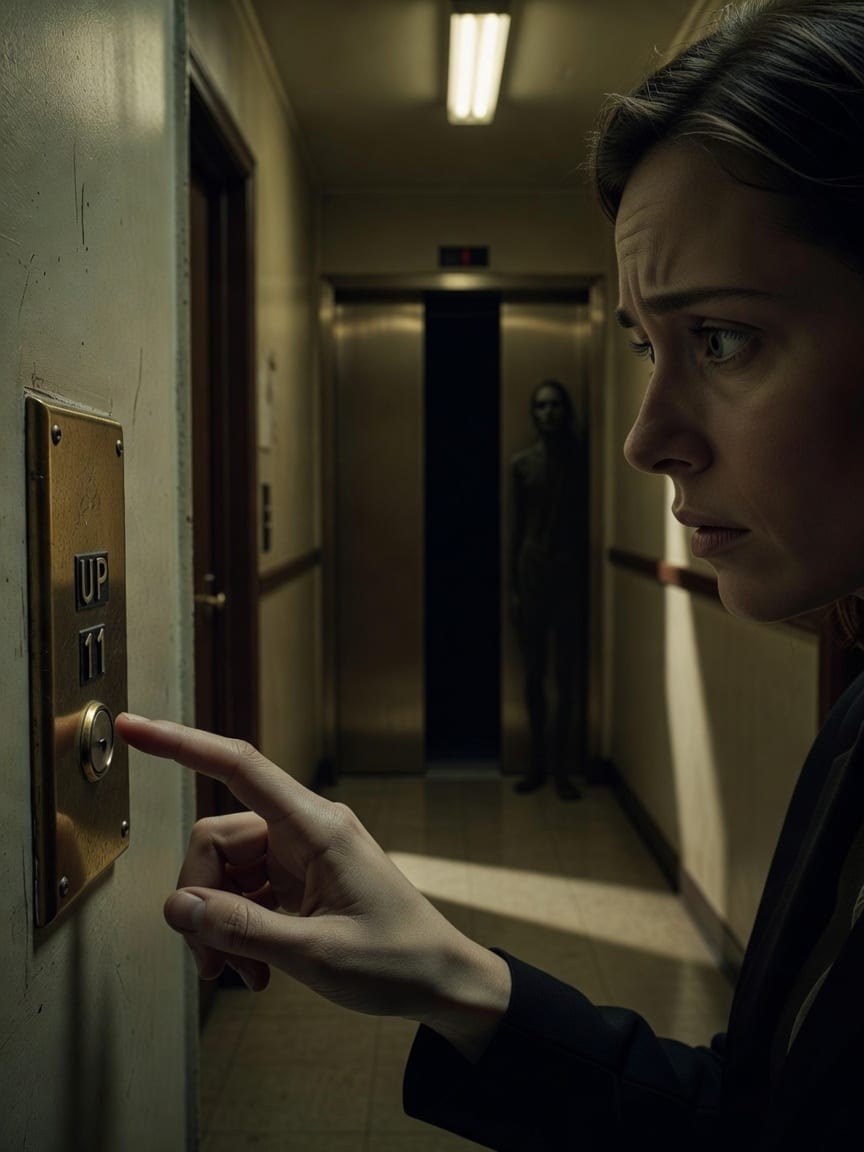
My doorman warned me not to take the tenth-floor lift on Saturday. The building's lift passed inspection last month. He seemed terrified that he'd said it.
My doorman's unsettling warning about the tenth-floor lift left me with a metallic taste of unease. I tried to rationalize it away, but then a birthday card arrived for me, five months early, from an impossible address. It was a site linked to unexplained disappearances, and a cold certainty began to settle in.
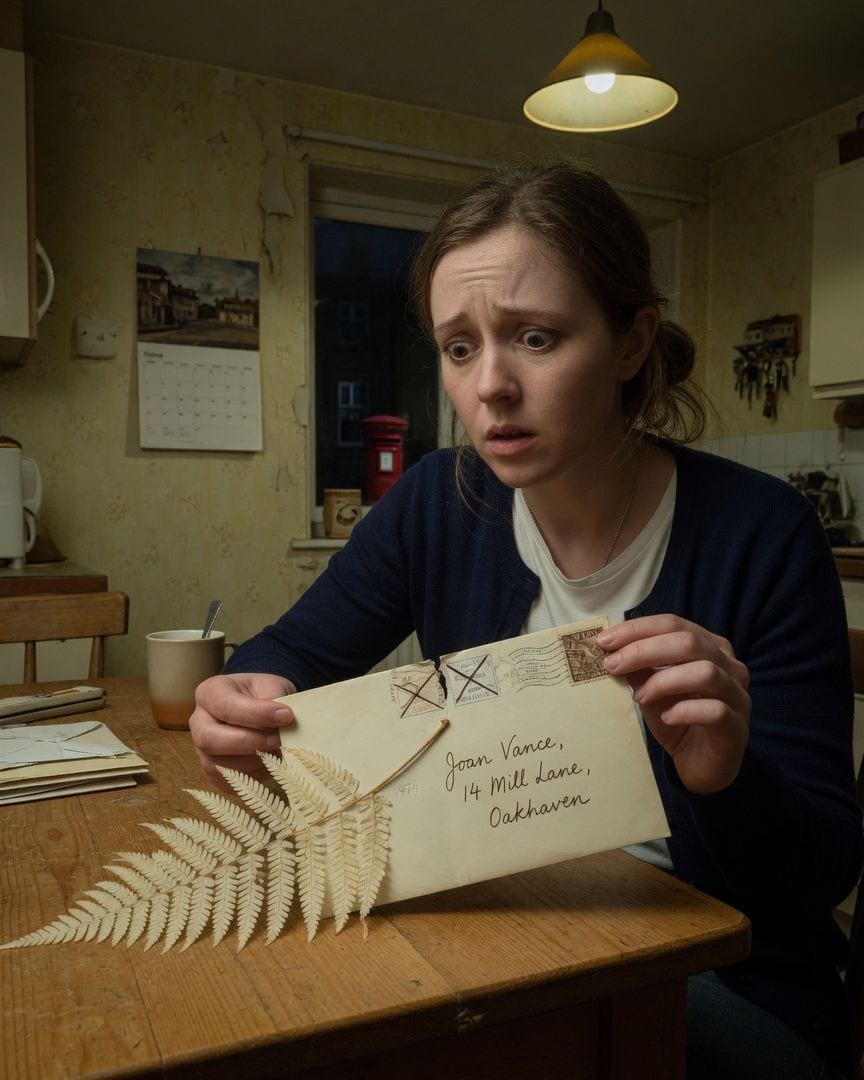
My letter returned. Delivered by hand, with a 1974 postmark. My own address, in a hand I didn't recognise.
As Joan Vance, new to Oakhaven, I posted a letter to my sister just two days ago, well past the last collection. Now, that same envelope sits on my kitchen table, delivered by hand. It bears a postmark from Oakhaven, 1974, a date that makes no sense, as the local post office officially closed that very year.
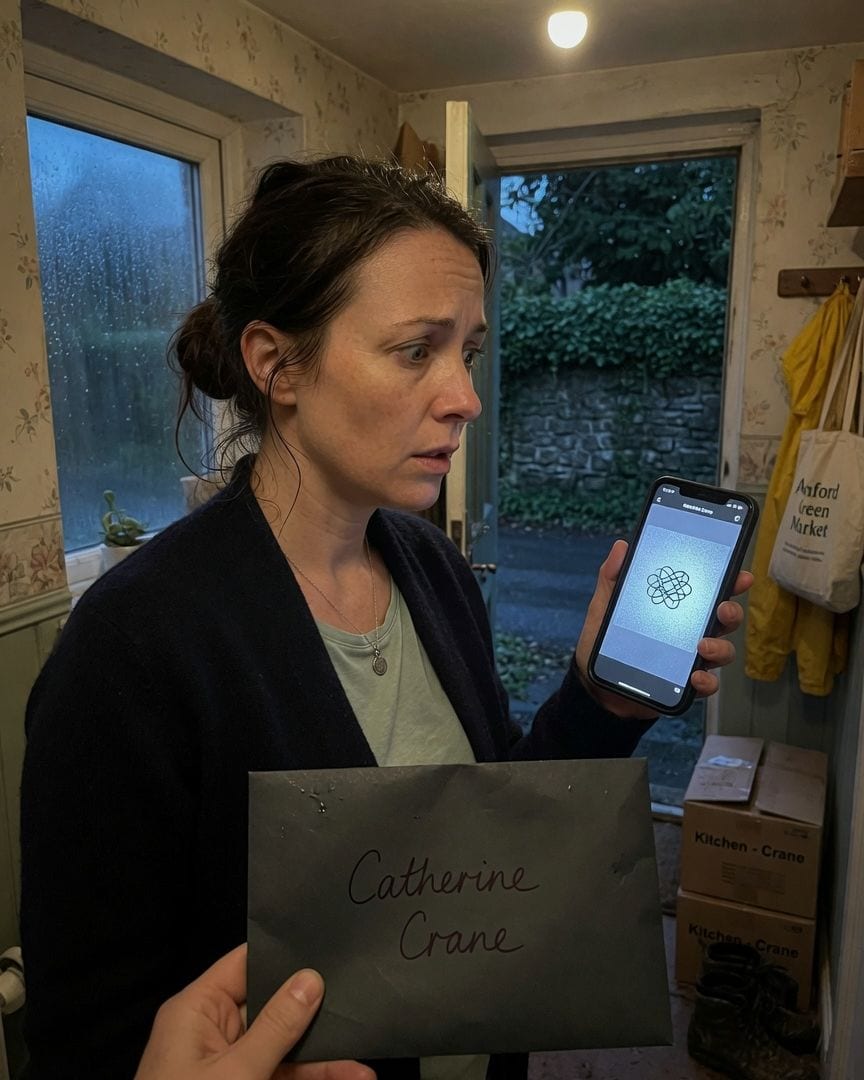
My postman warned me: never use the old pillar box. Royal Mail logs a collection every day, one item, signed by no one.
Moving to Ashford Green, I dismissed my postman's strange warning about the old pillar box by the ford. But after my own letter vanished inside it, I returned at midnight. Then, a dark, unstamped envelope slowly slid *out* of the slot, addressed to me.
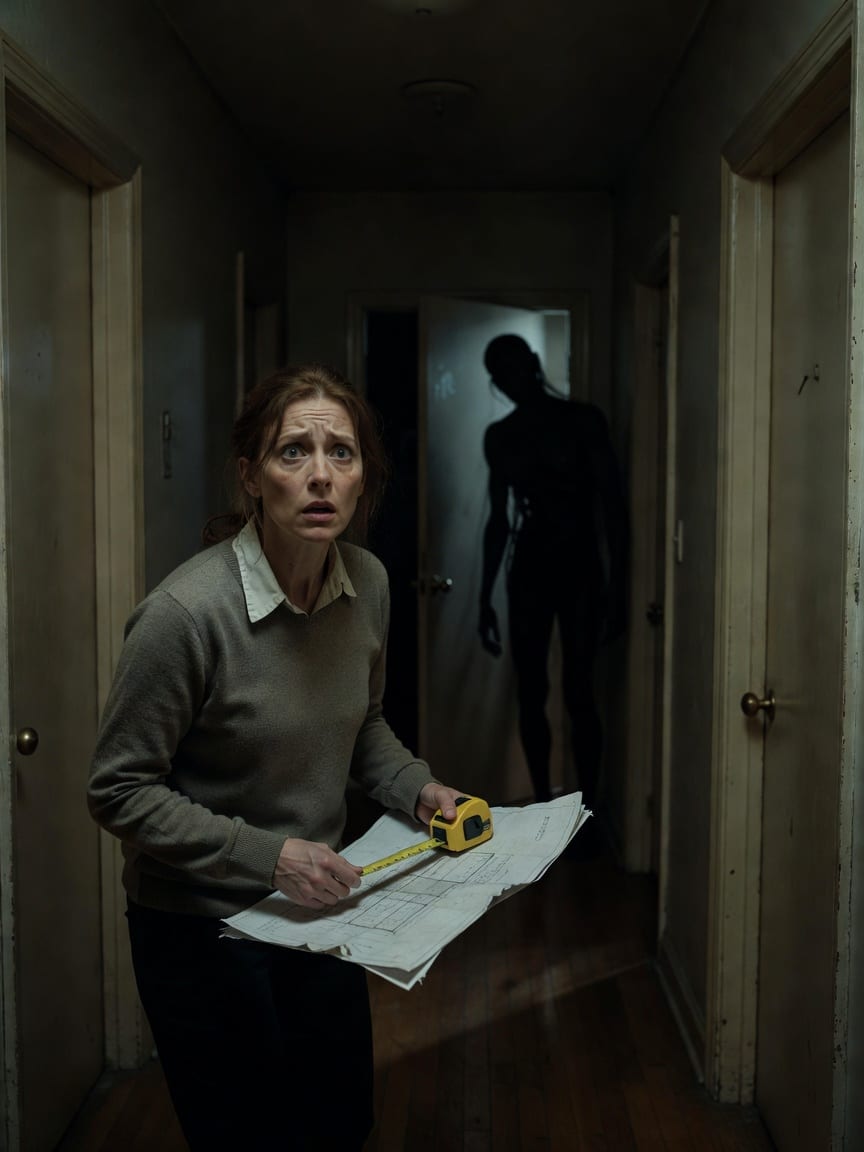
My front door has a dented gate and a dead hydrangea. I walked past it six times, trying to reach the corner shop just a hundred yards away. The pavement kept bringing me back to my own porch, and the shop's light never moved.
My morning started like any other, a quick walk to the corner shop from my home at Number 14, Elm Terrace. But after walking what felt like two minutes, I found myself back at my own front door, the shop no closer. I tried six times, faster and slower, but my street kept compressing, refusing to let me leave.
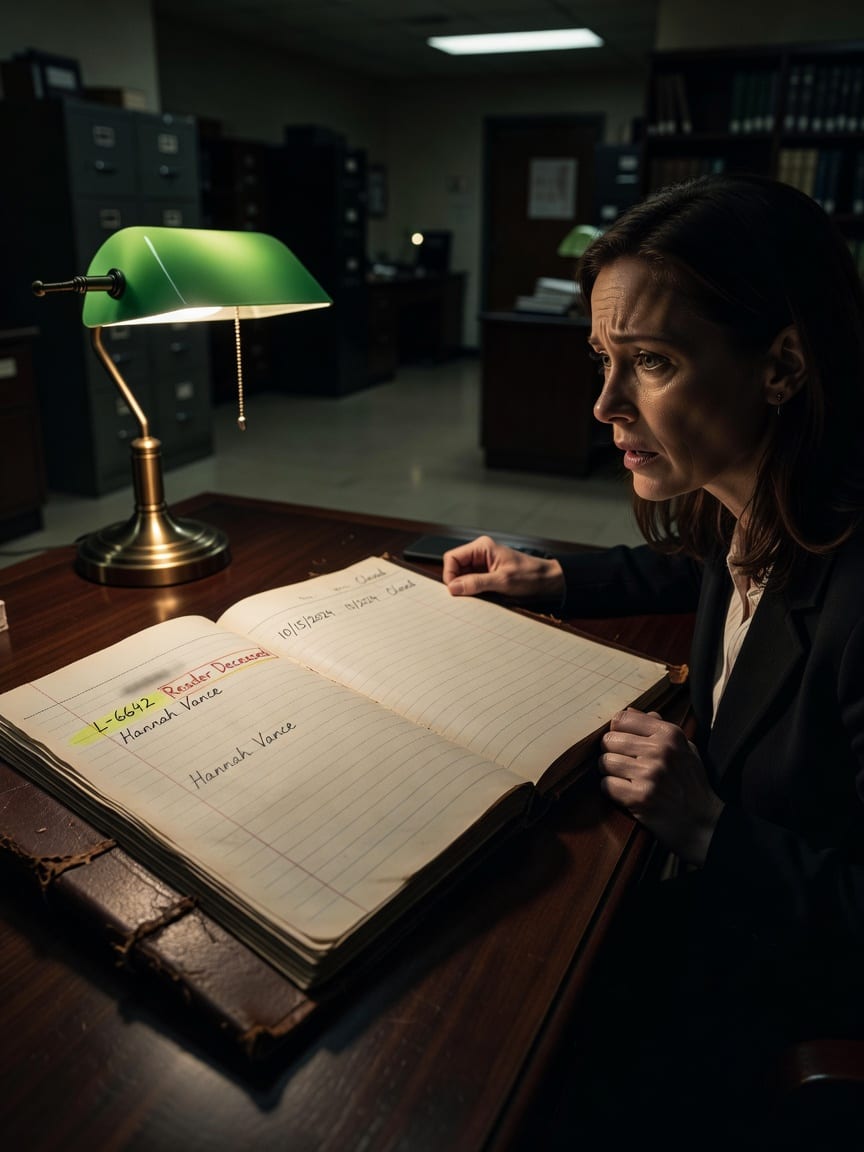
My library card number L-6642 was issued to me at seven — and the ledger shows that number has marked a reader 'deceased' every twelve years since 1949.
Returning my late father's library card to the old town library felt like a small act of closure. But the senior librarian's ancient ledger revealed a chilling pattern of 'reader deceased' entries tied to specific card numbers and borrowed books. My unease turned to cold dread when I secretly found my own name penciled in, marked for a future 'reader deceased' entry.