My signature appeared on a baptism record from 1957. Decades before I drew my first breath.
The registrar, George Carter, slid the official marriage certificate across the counter. It was for my citizenship application, a simple formality, just one more piece of paperwork.
My parents, Patricia and Julian Forsythe, smiled from the faded photograph attached, young and beaming. I scanned the details: names, date—1979—place, St. Jude’s Church. Everything was in order until my gaze drifted to the witness signatures.
The vicar’s scrawl was illegible, as expected. But beside it, another signature, elegant and looping, caught my eye. It was distinctly mine, the precise fountain-pen hand I’d used since primary school, a flourish I’d always considered unique. My stomach dropped.
It was there, on a document from six years before I was born, witnessing a wedding in a church I’d never once set foot in. The ink, though faded, was undeniably my own.
I left the registrar's office in a daze, the certificate clutched tight. My first thought was forgery, a bizarre prank. But who would forge my signature on my parents' marriage certificate, and why?
I pulled out my old school yearbooks, comparing my adolescent scrawl to the document. The consistency was unnerving. Every curve, every crossing of the 't', every looping 'F' in 'Forsythe' matched. It was me.
I tried to dismiss it as a coincidence, a common name or a clerical mix-up, but the handwriting was too specific, too personal. I called my mother, trying to sound casual.
'Mom, do you remember who witnessed your wedding besides the vicar?' Patricia paused, 'Oh, darling, it was so long ago. Just a couple of our friends, I think. Why?' I hesitated, unable to tell her.
I couldn't explain what I was seeing without sounding insane. Later, I asked my father, Julian, who simply shrugged, 'Probably some distant cousin or local. Don't recall anyone specific, honestly.'
Their lack of memory was as unsettling as the signature itself. I knew they weren't lying. This wasn't their wrongness. It was mine. The rational explanations—common name, similar handwriting, clerical error—all dissolved under the weight of the impossible detail.
My hand, my signature, in 1979. It was a cold, quiet dread.
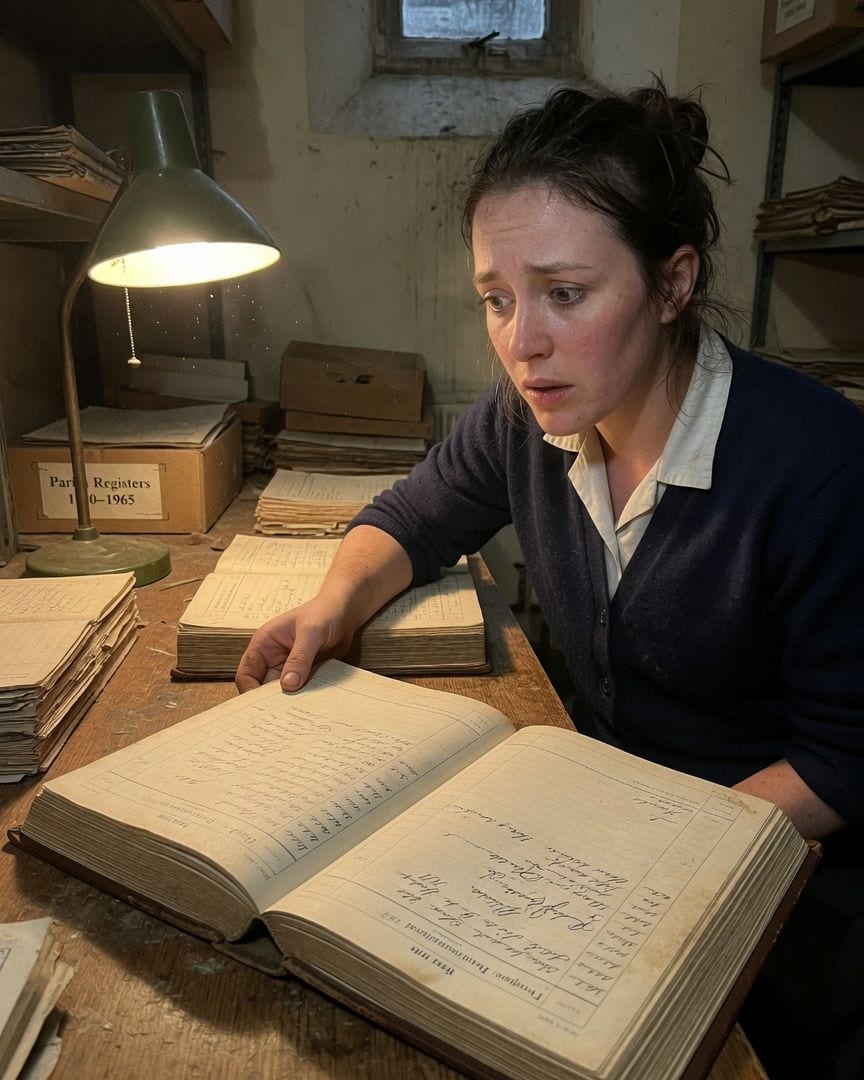
My research led me to the archives of St. Jude's Church itself, a quiet, musty room filled with centuries of parish records. The air was thick with the scent of old paper and dust, settling on every surface.
I started with my parents' marriage register, finding the original entry, confirming the signature was indeed there. The ink looked exactly as it did on the official certificate, faded but resolute.
Then, driven by a morbid curiosity, I began pulling other old registers, searching for any other instance of that impossible hand. Hours blurred into a single, focused hunt.
My fingers, stained with ancient dust, traced faded entries until they stopped cold on a page from 1957. It was a baptism record. For a second cousin I barely knew existed, a baby named Penelope Doyle.
And there, beside the vicar's flourishing script, was my signature again. Identical. Unmistakable. Decades before I drew my first breath.
The second impossible signature shattered any lingering hope of a simple explanation. This wasn't a fluke; it was a pattern. I spent days at St. Jude's, my initial dread hardening into grim determination.
The archive room felt colder, the shadows deeper, as if the past itself was leaning in to watch me.
I learned the church had an unofficial, elderly archivist, Henry Whitaker, a man with wispy white hair and eyes that seemed to hold generations of secrets.
He moved slowly through the stacks, his presence a quiet constant, arranging brittle prayer books and whispering to himself. I started with him. 'Mr. Whitaker, I've been looking through some old records, and I found something peculiar.'
I slid the two pages, copied clumsily with my phone camera, across the worn oak table between us. He peered at them through thick spectacles, his expression unreadable, not a twitch of surprise. 'Ah, yes. The Forsythe hand.
Distinctive, isn't it?' He spoke without surprise, as if this were an everyday occurrence. He explained, in a calm, almost academic tone, that certain families, over generations, developed unique 'temporal signatures'. These weren't forgeries, he said, but 'anchors'.
'Sometimes,' he murmured, his voice soft as rustling paper, 'events need a… witness. A constant. A thread. And some bloodlines are simply better suited to provide that thread across time.'
He offered no further explanation, just a serene, unsettling smile that didn't reach his ancient eyes. The phrase 'temporal signature' echoed in my mind, a chilling new layer to the wrongness.
Henry Whitaker's words, 'temporal signatures' and 'anchors', haunted me. My investigation shifted from mere discovery to a desperate need for understanding.
I returned to the archives daily, now seeking out any mention of 'anchors' or specific Forsythe family records that seemed out of place. My digging, however, didn't go unnoticed.
The first sign was subtle: a book I’d left open, its page marked with a scrap of paper, was found closed and shelved the next morning. The air in the archive felt heavier, less breathable.
Then, as I walked home through the quiet churchyard, the late afternoon sun casting long, distorted shadows from the gravestones, I noticed a figure in the shadows of the old yew trees.
They didn't move, just watched, a dark silhouette against the fading light. A shiver ran down my spine, despite the mild evening air. The next day, a note was slipped under the archive door: 'Some threads are best left untangled.'
It was handwritten, the script precise, almost elegant. My heart pounded against my ribs. I glanced up, my breath catching, to see Henry Whitaker at the far end of the hall, arranging old hymn books. His back was to me.
He didn't turn, he didn't acknowledge me, but I felt his awareness, a cold certainty that he knew I’d seen the note. He knew I was getting closer.
The danger was no longer just in the records; it was in the air around me, a silent, watchful presence.
I confronted Henry Whitaker, the anonymous note clutched in my hand, its paper feeling cold and slick. 'What is this? Who are you people?' I demanded, my voice hushed but trembling with anger.
He looked up slowly from the dusty ledger he was examining, his ancient eyes calm, unblinking. 'We are simply… caretakers, Laura. Of the records. Of the threads.'
He gestured around the archive, a sweeping motion that encompassed the shelves, the dusty tomes, the very walls. 'You see these registers? They are more than just history. They are blueprints.
And some individuals, like yourself, are vital to their integrity.' He explained that the 'temporal anchors' weren't about time travel, but about ensuring the 'coherence' of certain timelines.
'Your bloodline, the Forsythes, has a long and storied history of anchoring crucial events. Your signature, your very essence, is a constant across generations, a mark that solidifies the past.'
He spoke of a delicate balance, of 'discrepancies' that could unravel if not properly 'witnessed' by an anchor.
He described how her parents' wedding, a seemingly ordinary event, had a minor 'temporal instability' that required a 'future witness' to solidify its place in history.
My parents' vague memories, the registrar's dismissive politeness—it all clicked into a horrifying, coherent picture. This wasn't a glitch. It was a system. And I was part of it. 'But why me?'
I whispered, the full weight of it pressing down, a cold knot in my stomach. Henry merely smiled, a knowing, unbothered expression, his composure itself the most terrifying thing.
'Because, my dear,' he said, his voice a dry rustle, 'you were always meant to be.'
Henry Whitaker's 'truth' was a cold comfort, explaining the uncanny wrongness but deepening the dread. I pressed him, demanding to know the full scope of this 'anchoring'.
He finally led me to a hidden compartment behind a loose brick in the archive wall, a spot so carefully concealed I would never have found it. Inside lay an ancient, leather-bound volume, unlike any other register.
Its pages were brittle, yellowed, its script intricate and arcane, filled with symbols I didn't recognize alongside familiar names. 'The Anchor Ledger,' he said softly. 'The true record.'
As I carefully turned the pages, a faint, metallic smell rising from the old paper, I saw familiar names: Forsythe, Doyle, Walsh, Mitchell, spanning centuries, each entry detailing an event and the 'anchor' assigned.
My breath hitched as I found my own name, 'Laura Forsythe,' repeatedly. Not just in the past, but also in entries for events years, even decades, in the future.
One entry, dated five years from now, described a 'witnessing' at a local courthouse, a specific date, a specific time. My hand trembled, dropping the ledger, the heavy thud echoing in the quiet room.
My entire life, every significant moment, was not being lived, but merely unfolding according to a pre-written script, laid out in this ancient book.
I was not just a witness to the past; I was a slave to a predetermined future.
The Anchor Ledger was a testament to a monstrous, quiet conspiracy. Every entry for my name detailed not just a 'witnessing' event, but also the specific 'temporal signature' required, a chillingly precise description of my own unique handwriting.
Henry explained, his voice devoid of emotion, that the ledger wasn't just a record; it was a living document, a mechanism for maintaining the 'fabric of time' as dictated by the 'keepers' of the church.
'Your freedom, Laura,' he said, his voice as dry as the brittle pages, 'is an illusion. Your life, like all anchors, is a series of pre-ordained duties.
You exist to fill these blanks, to make the past solid, and the future inevitable.' He showed me entries for my birth, my first job, even mundane conversations, all marked with my 'signature' already noted.
Every clue, every impossible document, every strange encounter, coalesced into a horrifying tapestry of predestination. The dread wasn't just about my past being wrong, but my future being already written, every choice an echo of a foregone conclusion.
The pattern across dates and names was my entire family, my entire lineage, bound to this silent, terrifying service.
The full truth ignited a defiant rage in me. I wouldn't be a puppet. I wouldn't let my life be a pre-scripted performance. 'No,' I whispered, then louder, 'No!' The word tore from my throat, raw and desperate.
Henry Whitaker watched me, his face impassive, an unshakeable calm radiating from him. 'You cannot fight what is written.' But I could.
My eyes darted around the archive, landing on a large, heavy brass incense burner, dark and imposing on a nearby shelf. With a surge of adrenaline, a desperate, animalistic instinct taking over, I grabbed it, ignoring Henry's quiet gasp.
The metal felt cold, heavy, solid in my hands. I swung it, not at him, but at the Anchor Ledger, bringing it down with all my strength.
The ancient leather cover cracked, a sickening sound, pages tearing, the intricate script blurring into meaningless smudges. Henry surged forward, a rare flicker of alarm in his ancient eyes, but I was faster.
I ripped pages, shredded them, scattering the 'truth' across the dusty floor like confetti. 'It's not written anymore!' I screamed, my voice raw, echoing in the suddenly cavernous room.
Outside, the church bells began to toll, a deep, resonant sound that seemed to shake the very foundations of the building, vibrating through the floor and up my legs.
I knew I couldn't destroy every record, every whisper of their control, but I could destroy the master blueprint, the core of their power.
I fled the archive, leaving Henry amidst the scattered remnants of his sacred ledger, the echoes of the bells chasing me into the cold night.
I had broken free, but the cost was immense: I was now an anomaly, a rogue thread in a carefully woven tapestry, carrying a truth no one would ever believe.
I never returned to St. Jude’s. The citizenship application was abandoned. I moved away, changed my phone number, severed ties with old acquaintances.
The world remained oblivious, spinning on its axis, unaware of the quiet bureaucratic horror I had uncovered and, in some small way, disrupted. There were no headlines, no investigations, no recognition of the silent battle fought in a dusty archive.
I carried the proof only in my mind, a chilling certainty that insulated me from the mundane anxieties of others. The cost was a profound, unshakeable loneliness, a sense of being fundamentally out of sync with everyone around me.
I was free, but irrevocably marked by the knowledge of what lay beneath the surface of reality.
Months later, living a quiet, anonymous life in a new city, I received a package. No return address, just my new, nondescript apartment number. Inside was a small, antique silver fountain pen, the kind I'd always favored, elegant and classic.
And with it, a single, crisp, official-looking document: a deed of sale for a small, dilapidated cottage in a town I’d never heard of, hundreds of miles away. The date on the deed was next week.
And beside the buyer's printed name, waiting for a signature, was a blank space, perfectly sized for my own distinctive hand. I picked up the pen. It felt strangely warm, as if it had just been held.
The paper is still warm from the printer, but I know it's not mine.
If this one got to you
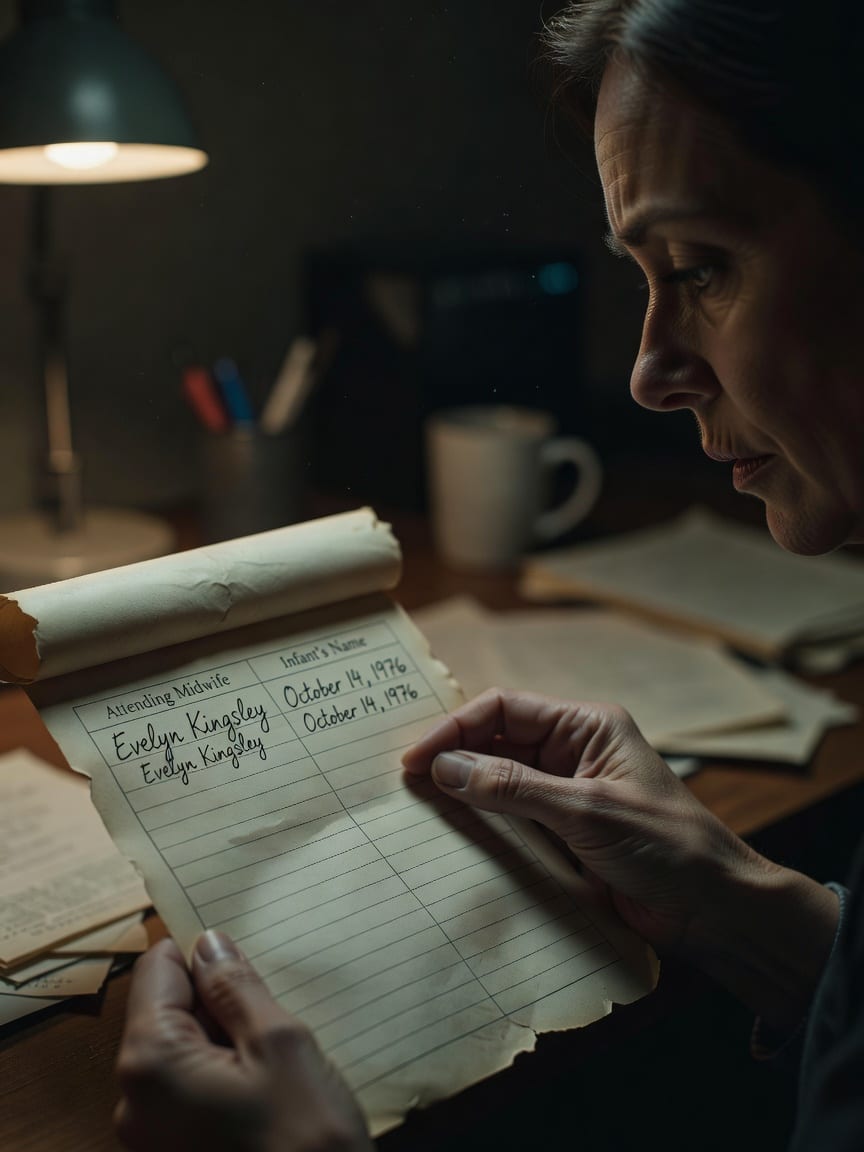
My own handwriting is on my birth certificate, signed as the attending midwife. I was the baby born that night.
I found my adult signature scrawled across my mother’s maternity file, right on my own birth register page. Forensic analysis confirmed it was genuinely my handwriting, dated 1976. But that was the year I was born, and my signature was listed as the attending midwife.
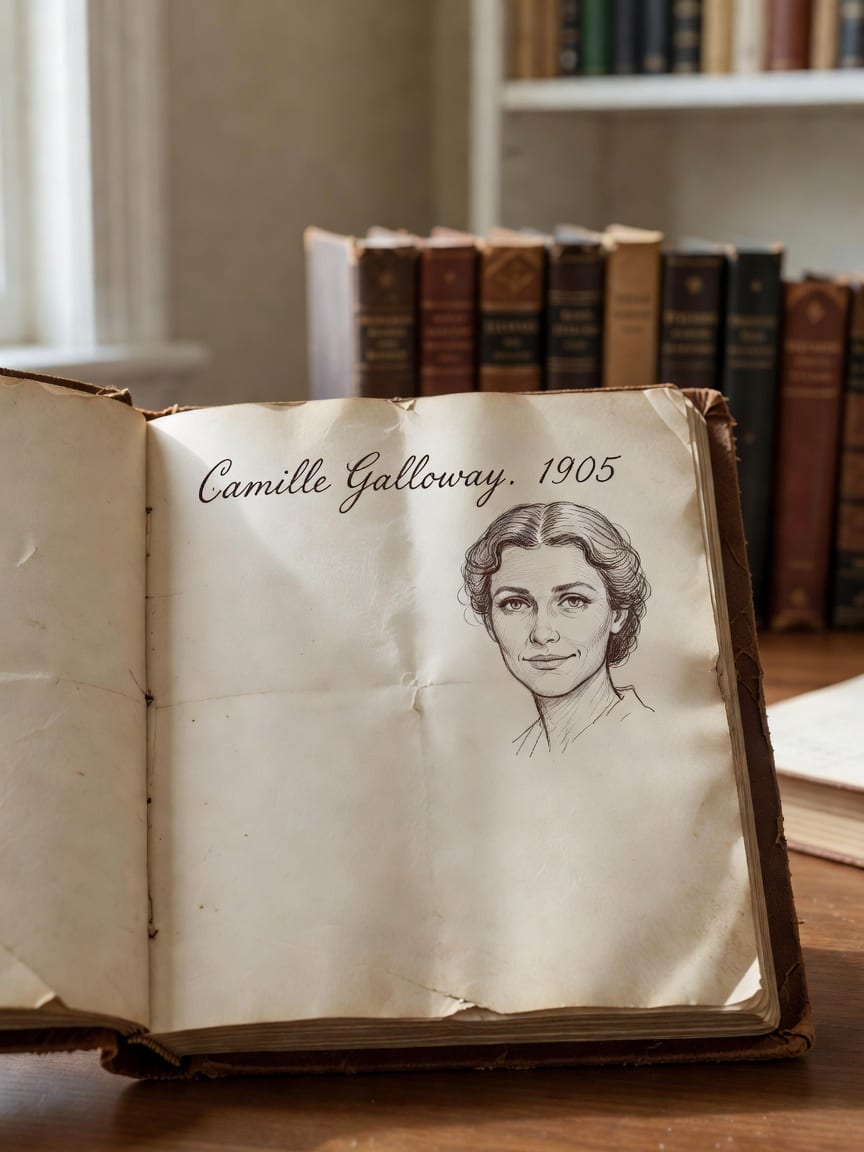
My signature is in this library book. Dated 1971, fourteen years before I was born. The card is real. My hand made those loops.
As a graphic designer, I'm meticulous, which suited my quiet evening shifts at the county archive. But a yellowed due-card, tucked in an old book, shattered my calm: my own signature was written next to the date 1971, fourteen years before I was born. An expert confirmed it was unequivocally mine.
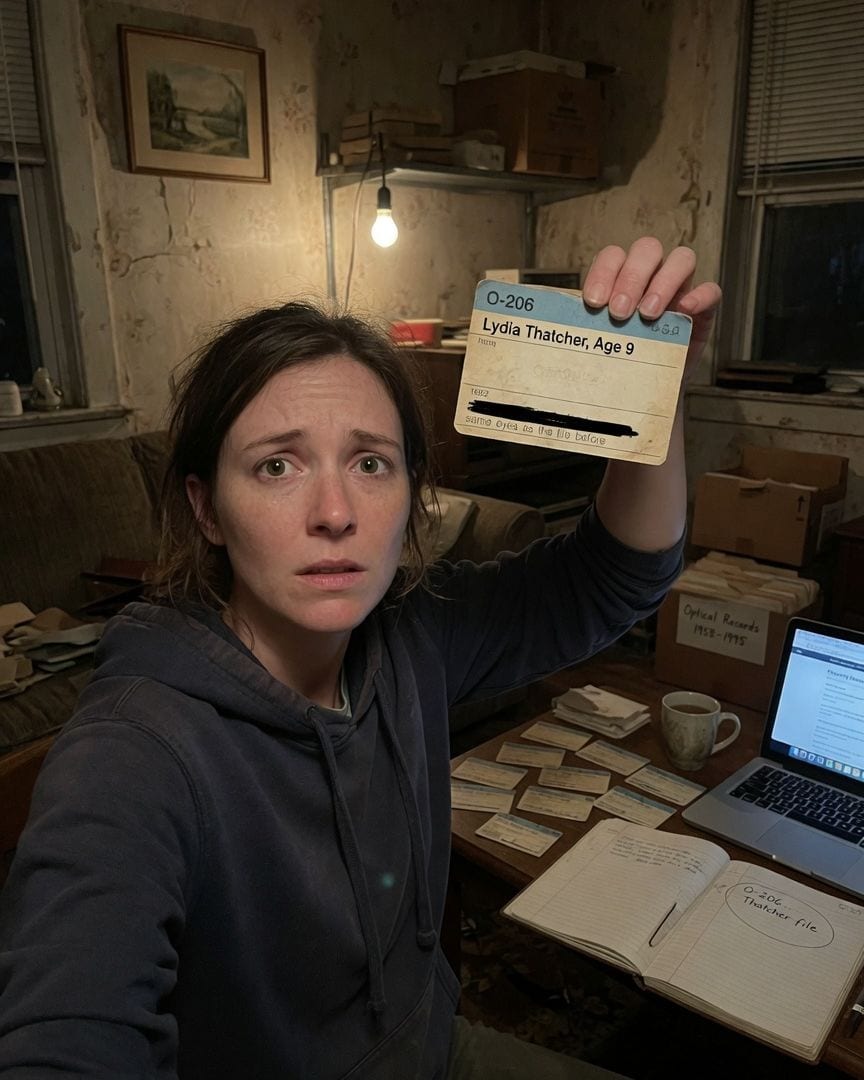
My own optical card is dated 1962, with my name on it. I wasn't born until 1993.
Sifting through old patient files from my former optical practice, I found my own O-206 card. It had my name, Lydia Thatcher, and my current home address printed on it. But the card was dated 1962, decades before I was even born, and a redacted note mentioned 'same eyes.'
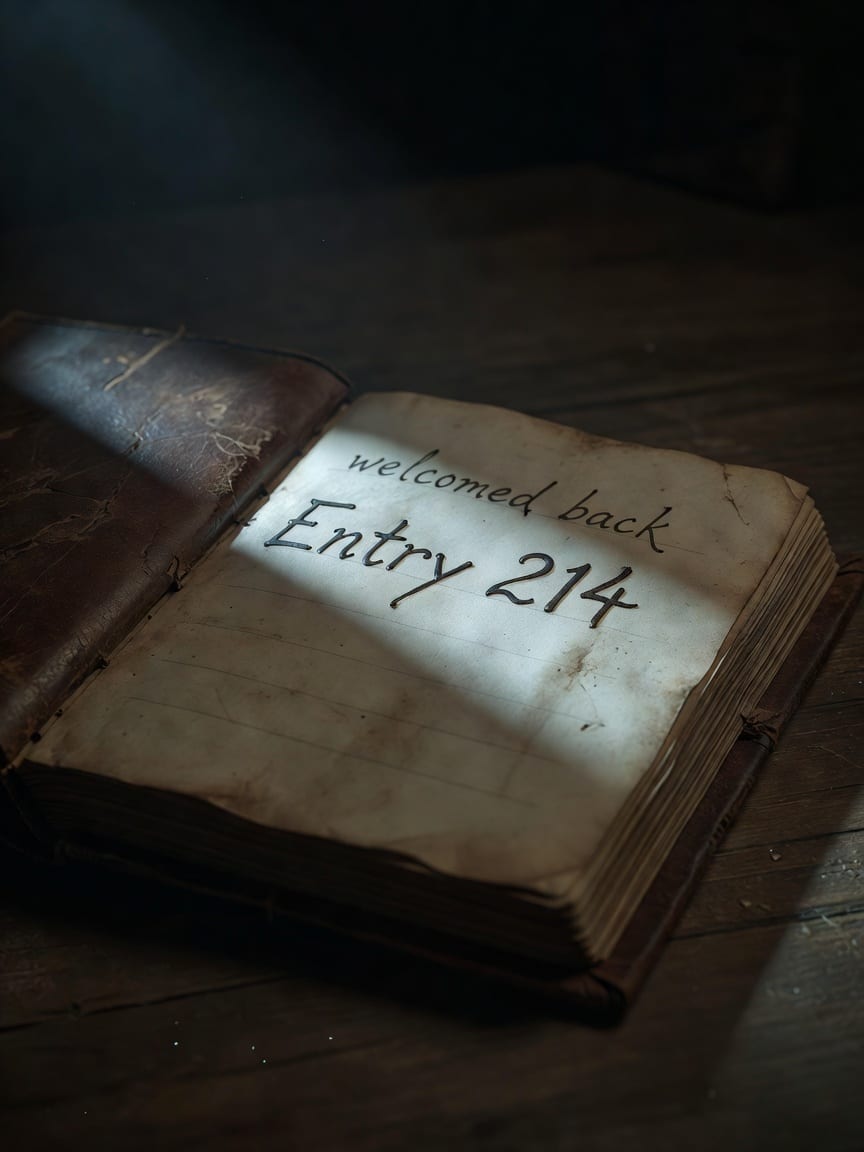
My hand traced the ink of 'welcomed back' beside Entry 214 in the old baptism register. It was the same entry number, used for a christening every seventeen years, inked over and over. Someone had been managing this for over a century.
As the new keeper of my village church's baptism register, I found solace in its unchanging ritual. But when I opened the heavy volume to Entry 214, I saw it was inked over an older, identical number. I soon discovered this specific entry had been used every seventeen years since 1873, each time with the same cryptic note: 'welcomed back'.
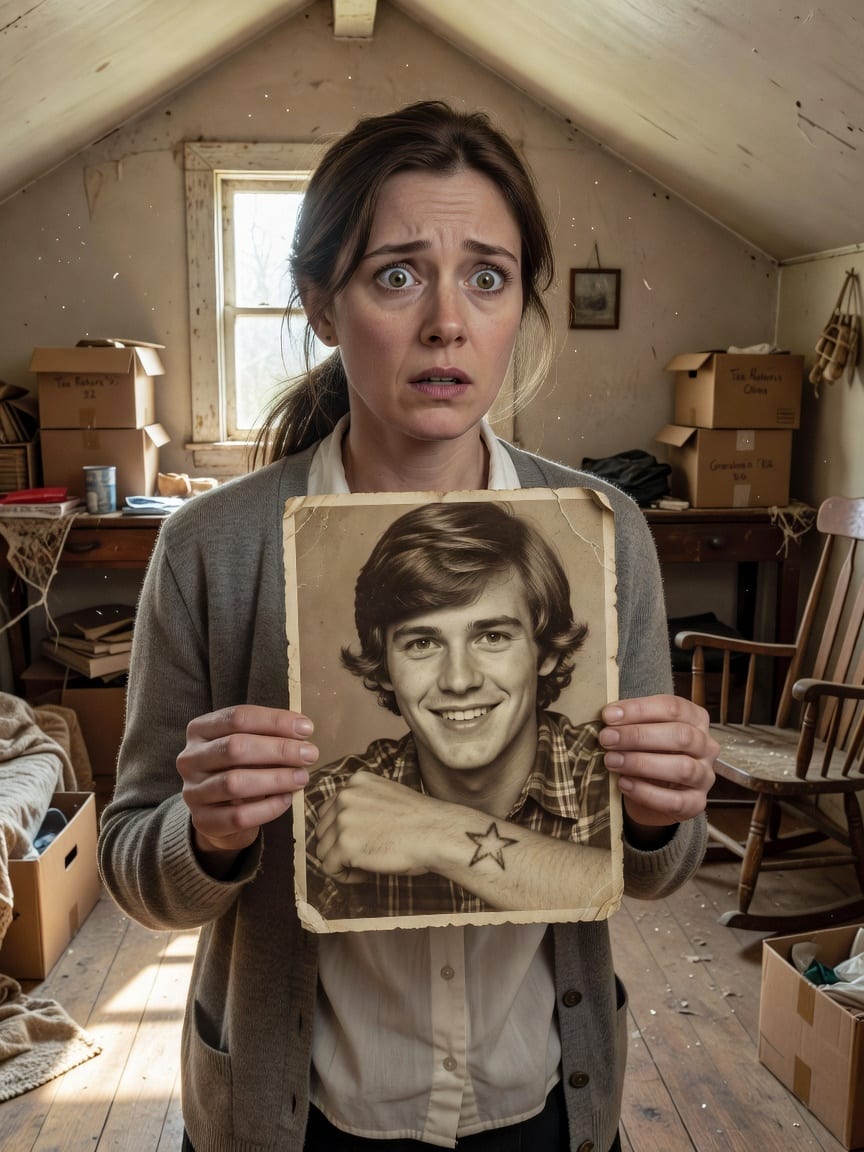
My DNA kit matched a man who died in 1974. The lab asked if I had a twin. I've stood at Edward Hale's grave.
I sent my DNA ancestry kit off for fun, expecting a list of distant cousins. Instead, the lab returned a 'probable identical match' to a man named Edward Hale, who died in 1974. I was born in 1992, and the lab asked if I had a twin.
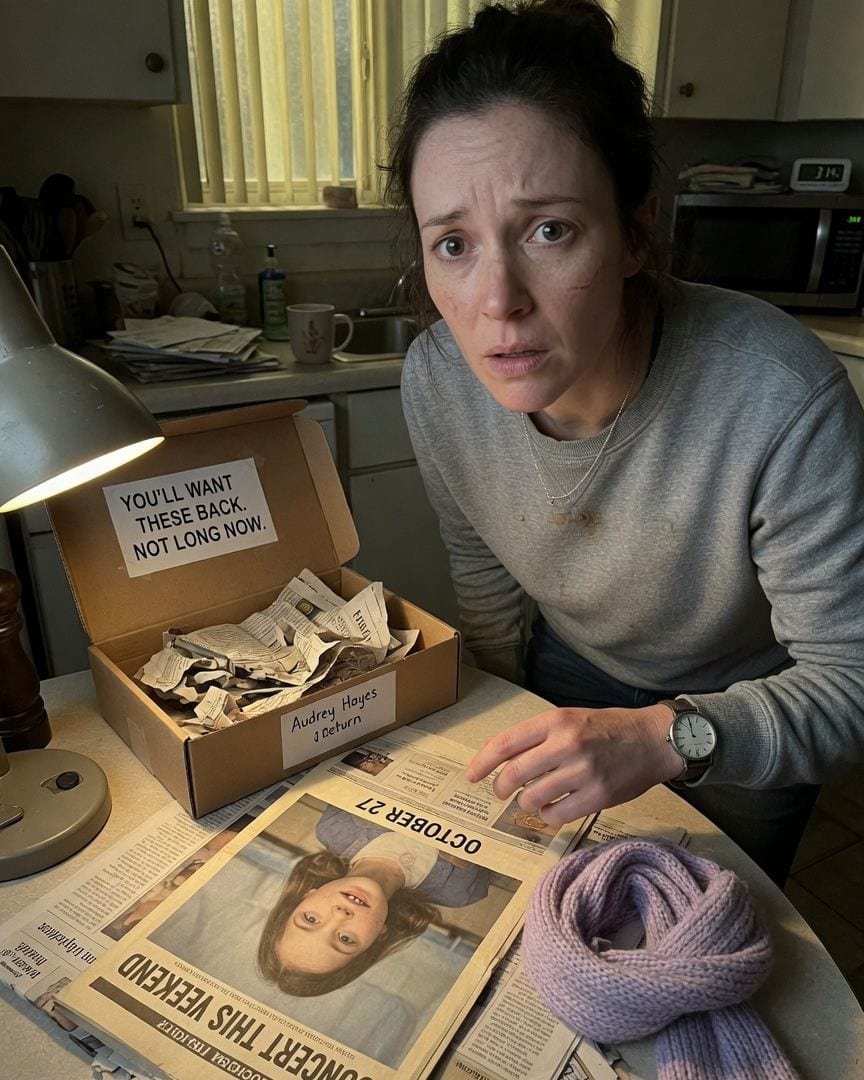
A box turned up with my name and no sender. Inside was a watch I lost years ago, still ticking and set right — wrapped in newspaper dated two weeks from now.
A plain brown box appeared on my step, containing my long-lost personal items. Among them, my grandmother's ticking watch and a newspaper dated two weeks in the future. But a historical ledger then revealed my name and these exact items, listed in 1965.