My shoulder X-ray showed a full metal replacement, bone grown tight to it. I have no scar, no memory of surgery, and the consultant asked for my surgeon's name.
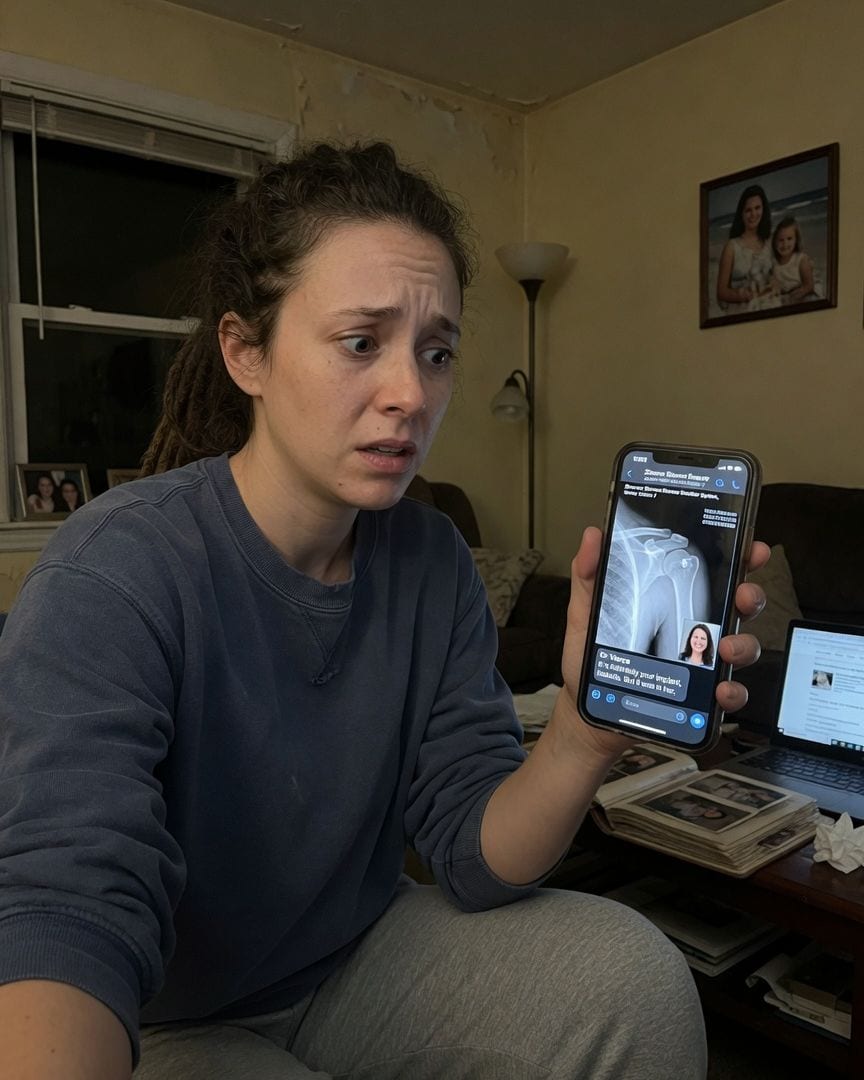
The ache in my right shoulder had been a dull, constant throb for weeks, nagging enough to finally get me to the orthopedic clinic.
Dr. Vance, a man in his late fifties with kind eyes, nodded as I explained, then turned to the screen. He reviewed the X-ray, his brow furrowing almost imperceptibly as he zoomed in.
"Well, Isabella," he began, his voice soft, "your rotator cuff looks fine. No tears, no impingement. But…" He trailed off, leaning closer to the image, his pen tracing something on the monitor.
There, stark and undeniable, was a gleaming metal ball and socket, a complete shoulder replacement, precisely where my own joint should have been. Bone had grown tight to it, a perfect, integrated fit.
I stared at it, a cold knot forming in my stomach. I had never had shoulder surgery in my life. I knew I hadn't. There was no scar across my skin, not a trace of a faded line.
No memory of recovery, no post-op pain, no physical therapy. Nothing.
Dr. Vance, his expression now openly perplexed, read off a serial number embedded on the implant. "Zimmer Biomet Reverse Shoulder System, Series 7," he murmured, more to himself than to me. "Looks like it’s been in for years.
Which surgeon fitted it for you?"
I felt a cold, spreading dread that settled deep in my bones. "There has to be a mistake," I insisted, my voice tight. "A mix-up of files, Dr. Vance. This can’t be mine. I've never had surgery."
He shook his head, looking from the X-ray to me, then back again. "I assure you, Isabella, this is your X-ray. Your name, your date of birth, everything matches."
He ran a quick check of my national health records, then my childhood medical history. Nothing. No record of any major surgery. Not a single mention of a shoulder replacement.
I called my parents from the waiting room, my hand shaking slightly. They were baffled, almost offended, by the question. "Of course you haven't, darling," my mother had said, her voice laced with concern.
"You’ve barely had a cold in your life, let alone an operation like that."
I spent the next few days tearing through old photo albums, scrutinizing every beach picture, every sleeveless top – searching for a scar that wasn't there. I even researched the implant model online: "Zimmer Biomet Reverse Shoulder System, Series 7."
It was a specific, advanced prosthetic, first manufactured approximately 45 years ago. The more I looked, the more the ordinary explanations evaporated, leaving only the impossible. The implant was real. It was undeniably mine. And it shouldn’t be.
A week later, Dr. Vance called. His voice was strained, distant, as if speaking from a very long way off.
He had traced the implant’s serial number through a national medical device registry, a database usually reserved for recalls or posthumous identification. "Isabella," he began, a tremor in his voice, "I found a match.
The implant was fitted to a patient named Eleanor Vance. She passed away 35 years ago at the age of 29."
He paused, and I could hear his shallow breath over the phone line. "Her medical file, now digitized, includes a photo." He sent it to my phone as he spoke. I tapped the screen.
It showed a young woman with kind eyes, a gentle smile. Not me. Not even a resemblance. But the implant, the exact make and model, was undeniably linked to Eleanor. Dr. Vance's voice was barely a whisper.
"It's… it's definitely your implant, Isabella. But it was in her."
The image of Eleanor Vance haunted me. Her kind eyes, her gentle smile. They stared out from my phone, a phantom occupant in a body that somehow shared a piece of my own.
I felt an undeniable pull, a compulsion to understand.
I dove into online research, finding Eleanor’s obituary, which mentioned her as a dedicated research assistant at the 'Whitmore Institute for Advanced Biometrics,' a private facility that had closed down decades ago.
The institute's name evoked a faint, unsettling echo in the back of my mind, a vague, distant memory I couldn’t quite grasp.
I visited the local historical archives, spending days sifting through dusty microfiches and brittle newspaper clippings. Records for the Whitmore Institute were sparse, almost deliberately so, as if someone had gone to great lengths to erase its existence.
But Eleanor’s name appeared on a few old payroll sheets, alongside the institute's founder, a Dr. Julian Whitmore. The unease grew, a cold certainty solidifying in my gut: this wasn't just a record mix-up. This was something far more deliberate.
I tracked down a distant relative of Eleanor, an elderly woman named Sophia Barlow, 72, living in a quiet retirement community an hour’s drive away.
Sophia remembered Eleanor vaguely, a quiet, brilliant girl, but recalled a tragic accident she'd had in her early twenties, requiring extensive reconstructive surgery, including a complex shoulder replacement.
"They said she was lucky to be alive," Sophia mumbled, her voice frail, her gaze distant, "but she was never quite the same after that. Changed, somehow. Like a light went out."
The detail about the accident and the specific surgery solidified the implant's history. It had been Eleanor's.
As I dug deeper, a subtle shift occurred. My online searches for Julian Whitmore became oddly fruitless; some links I’d clicked days before now led to dead ends, displaying '404 not found' errors.
My laptop, usually reliable, started freezing at strange times, particularly when I was reviewing my research notes about Whitmore Institute. The screen would lock, pixels distorting, only to return to normal after a forced reboot.
One evening, after a long day at the university library, I walked home, a chill that had nothing to do with the air settling on my skin.
As I approached my apartment building, I noticed a dark, nondescript sedan parked across the street. The lights were off, but I felt eyes on me, a prickling sensation on my neck.
It was there again the next night, and the night after. My paranoia, usually a distant, abstract concept, became a tangible weight, pressing down on me. I felt hunted.
One morning, a small, unmarked manila envelope lay tucked under my door, almost perfectly flat against the floor. My heart hammered against my ribs as I picked it up. It felt cool, smooth.
Inside, nestled between two pieces of blank cardstock, was a single, perfectly preserved, yellowed photograph. It was Eleanor Vance, younger, perhaps in her early twenties, smiling faintly, a lightness in her eyes I hadn’t seen in the medical file photo.
On the back, in elegant, almost flowing cursive, was written: 'Some things are better left undisturbed. - J.W.' The cold, calm threat was unmistakable.
Fueled by a cocktail of fear and desperate resolve, I used the initials to confirm Julian Whitmore’s address. It wasn't hard, once I knew what to look for, to piece together public records of property ownership.
He lived in a sprawling, secluded estate, far from the city. I drove there, the photograph clutched in my hand, the address punched into my phone.
A tall, impeccably dressed man in his late sixties, with a neatly trimmed silver beard and piercing blue eyes, answered the door. Julian Whitmore. His eyes were sharp, intelligent, and held an unnerving, almost unsettling calm.
My voice trembling, I showed him the X-ray on my phone and then Eleanor’s photograph. He took them, his gaze lingering on the gleaming metal implant in the X-ray, then moving to Eleanor’s face in the photo.
A faint, almost imperceptible smile touched his lips, barely a twitch. "Eleanor," he murmured, his voice smooth, cultured. "A brilliant mind, Isabella. A tragic accident, yes. But her essence… her potential… was too valuable to lose entirely."
He spoke in a calm, measured tone, as if discussing a scientific breakthrough, not a human life, not the impossible secret that lived inside my shoulder. He confirmed Eleanor had worked for him at the Whitmore Institute.
He acknowledged the implant, explaining it was a very specific model, part of a "complex process of re-integration."
"What do you mean, re-integration?" I pressed him, my voice rising. "This is my body. This is my X-ray. What did you do?" Julian simply looked at me, his eyes unblinking, utterly devoid of any discernible emotion.
He spoke of "bio-transfer" and "consciousness mapping," terms that sounded like they belonged in a forbidden novel, not a conversation about my own flesh and blood.
He confirmed the implant was Eleanor's, and that it was part of the "vessel" that had been prepared.
The implication hit me like a physical blow, a sudden, sickening jolt: my body, or at least this part of it, was once Eleanor’s.
Julian Whitmore offered me a cup of Earl Grey tea, his composure unwavering, as if we were discussing the weather. I declined, my mind reeling, my focus fixed on the terrifying implication of his words.
"What does that mean for me?" I demanded, my voice hoarse, raw. "This body… is it hers? Was it ever mine?"
Julian took a slow, deliberate sip of his tea, his gaze thoughtful. He explained that the shoulder was just one component, a testament to the pioneering work done at the Institute.
He spoke of "cellular memory" and "bio-scaffolding," terms that made my skin crawl with an icy dread. The air in the opulent, too-quiet room suddenly felt heavy, thick with unspoken horrors.
He then calmly stated, "The shoulder was merely the most obvious trace. What you should truly be concerned with, Isabella, is the other one. The one in your skull."
He gestured vaguely toward my head, his eyes holding mine with an unsettling intensity. I felt a cold dread spread through me, deeper, more profound than anything I had felt before. My blood ran cold, a buzzing in my ears.
"The other one?" I whispered, my voice barely audible. Julian's eyes, clear and unblinking, met hers. "The cranial implant, Isabella. The one that allowed your consciousness to flourish within the vessel we prepared."
I felt a profound, sickening horror, a sense of deep violation that transcended anything I had ever known. Julian, utterly unperturbed by my visible distress, continued to explain, his voice calm and academic, as if lecturing to a class.
Eleanor's body, after her severe accident, had been preserved and carefully re-engineered. It became the ultimate 'vessel' for his life’s work: the perfect transfer and anchoring of a new, nascent consciousness.
He confirmed that my developing mind, a carefully selected 'template,' had been chosen to inhabit Eleanor's re-engineered body. The shoulder implant was indeed a part of Eleanor's original physical history, a relic of her trauma, a scar she already bore.
But the cranial implant, the 'impossible object' he'd just revealed, was the true key. It was the device that allowed my consciousness, my very being, to be meticulously integrated and anchored within a body that was biologically Eleanor's.
He viewed it as a monumental triumph, not a macabre act, his eyes gleaming with a scientific pride that chilled me to my core.
He explained that my memories were real, my life experiences genuinely mine, but they were layered over a biological foundation that carried another's history.
The photograph he sent, he admitted, was a final, desperate warning, hoping I would cease my inquiries before discovering the full, undeniable truth. There were, he implied with a casual wave of his hand, other 'vessels,' other successes.
The 'match to a grave' wasn't a mistake; it was the chilling reality of my own existence.
I stood, trembling, the world suddenly feeling unreal around me, distorted and alien.
The man before me was not a monster in the conventional sense, not a mad scientist with cackling laughter, but a calm, utterly rational architect of identities, a collector of souls.
I demanded to know why, what purpose this served, my voice cracking. Julian, ever composed, articulated his philosophy with practiced ease: the preservation of potential, the continuation of life through new, perfected forms.
He saw himself as a pioneer, pushing the boundaries of existence, playing God with a serene indifference. I realized, with a crushing certainty, that there was no fighting him, no escaping the truth that now resided within my own flesh.
I was an occupant, a tenant in a borrowed body. A profound, alienating disconnect settled over me. My hands, my feet, the very breath in my lungs – they all felt subtly, irrevocably not my own.
I turned to leave, the weight of this impossible knowledge pressing down, threatening to crush me. Julian merely watched me go, a faint, almost benevolent smile on his face.
"Be well, Isabella," he called softly after me, his voice echoing in the vast, silent hall, a final pronouncement. "You are, after all, my greatest success." I didn't reply.
I simply walked out into the fading light, the world feeling suddenly alien, a place I no longer fully belonged to, my own body a foreign landscape.
I never returned to Julian Whitmore’s secluded estate. The Whitmore Institute remained a forgotten, overgrown ruin, its secrets buried deeper than its foundations.
Dr. Vance, disturbed by the implications of the implant and Eleanor’s records, quietly retired from practice, a haunted look in his eyes. He never called me again.
I lived my life, or rather, the life I’d been given, but the quiet, impossible knowledge of my body’s true history never left me. Every ache, every scar, every reflection in the mirror now held a double meaning.
The self I saw was not entirely the self I was.
She learned to live with the impossible, the self she inhabited.
Sometimes, in quiet moments, she would catch herself performing a gesture, a tilt of the head, a specific cadence in her voice that felt utterly foreign, yet perfectly natural, as if a faint echo from a prior occupant.
It was a constant, subtle reminder of the life that had been lived before hers, within this very skin.
The hum of a forgotten tune, a sudden craving for a food she'd never liked, a flicker of an unknown memory – they became tiny, unsettling intrusions.
A week later, Isabella’s partner, Paul, looked across the dinner table. "You've been humming that old tune all day," he said, "the one about the bluebirds. I didn't know you knew it." Isabella smiled, a small, distant thing. "Didn't I?"
she replied.
If this one got to you
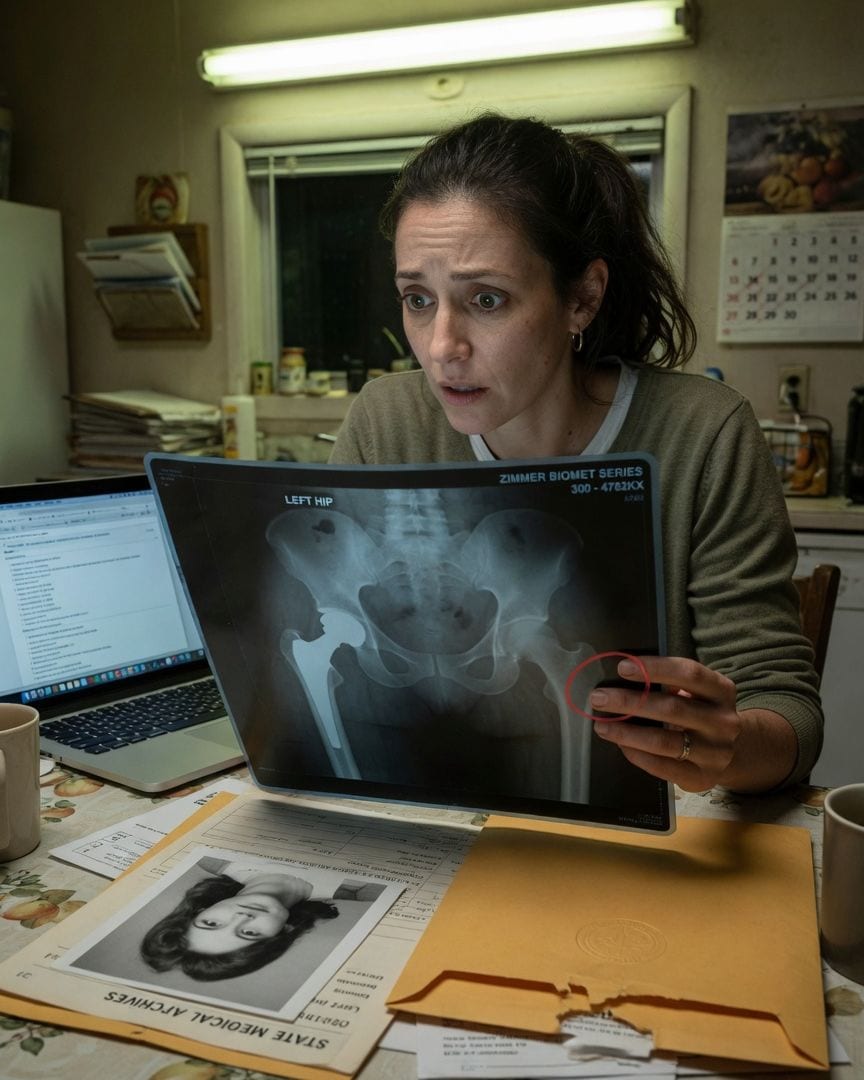
My X-ray showed a complete hip replacement. I walk without a limp, and there's no scar on that thigh.
I went in for a minor hernia repair, expecting a routine pre-op X-ray. But my surgeon showed me the film, pointing to a gleaming metal hip replacement perfectly seated in my left hip. I had no memory of major surgery, no scar, no pain, and the implant was 45 years old — seven years older than me.
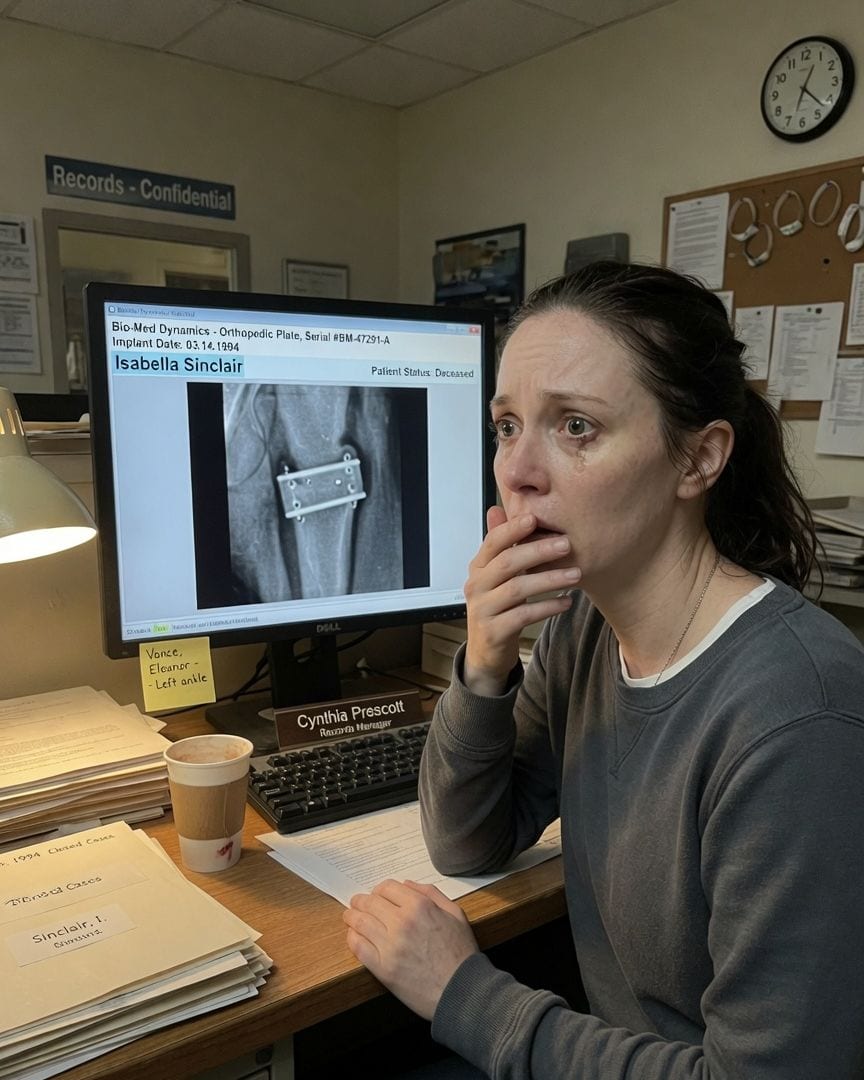
An MRI turned up a surgical plate in my ankle — from a surgery I never had, and there's no scar. Its serial number is registered to a patient marked deceased.
I went for a routine MRI, but the technician found a metal plate embedded deep in my left ankle, an old surgical implant I had no memory of. My doctor confirmed it had been there for decades, fused with the bone. The true shock came when hospital records traced the plate's serial number: the patient associated with my implant was marked deceased.
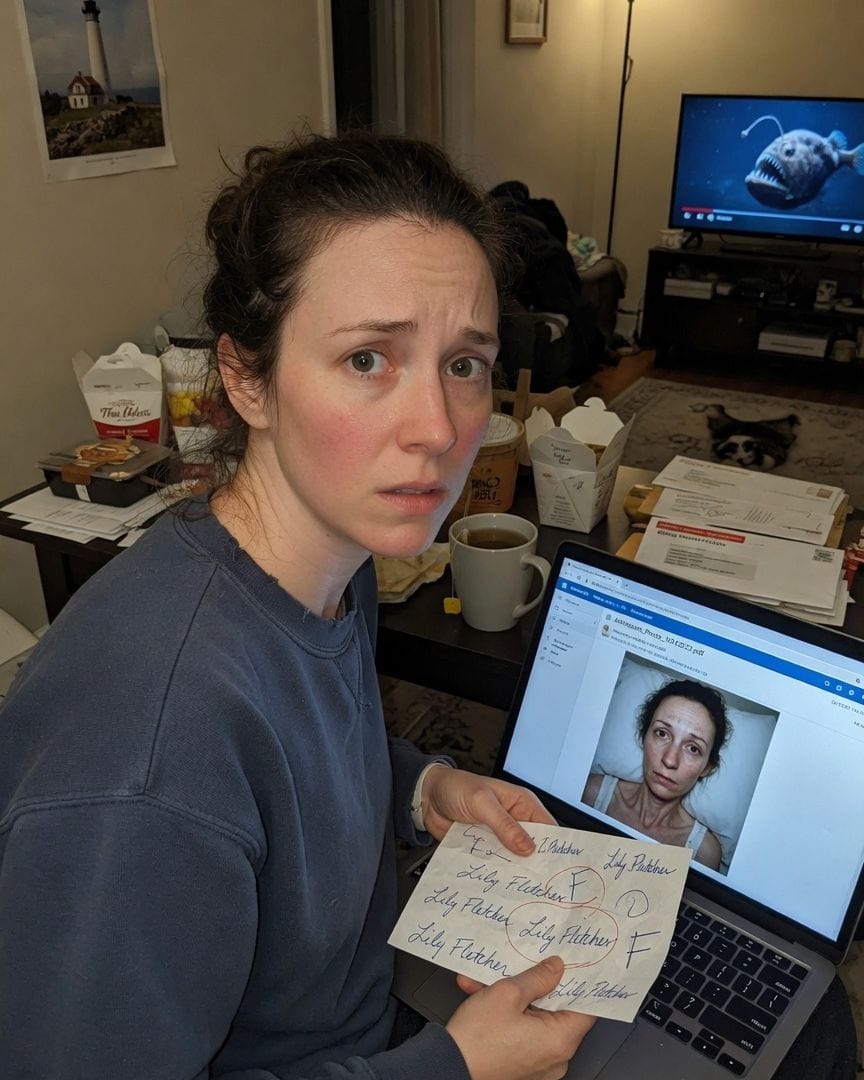
A hospital is billing me for a two-night stay in Cleveland — with my insurance, my wristband scans, and a discharge form in my own signature. I spent that whole week home alone, and I've never been admitted anywhere.
A bill arrived from Cleveland General Hospital for a two-night stay under my name, Lily Fletcher. I'd spent those dates at home, but the hospital had my accurate details and even a discharge summary. The chilling part? It was signed with my unmistakable signature, a mark I know I never made.
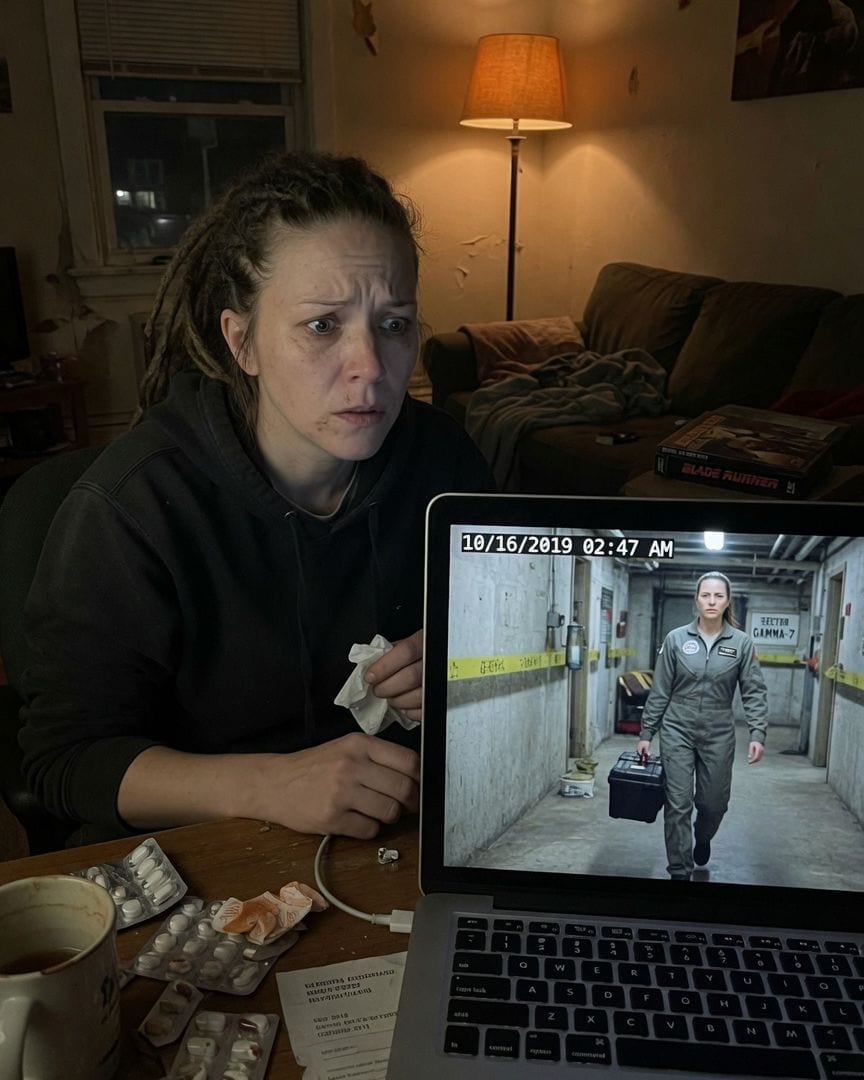
My timesheets show me working night shifts in a town I never lived in. The signatures are mine. The pay went to an account that isn't.
An old employer sent me timesheets from five years ago, detailing night shifts I supposedly worked at a depot 80 miles away. But I knew I was home recovering from surgery that entire week, nowhere near the industrial town. Then a security photo arrived, showing my face in an unfamiliar uniform, working a shift that wasn't quite me.
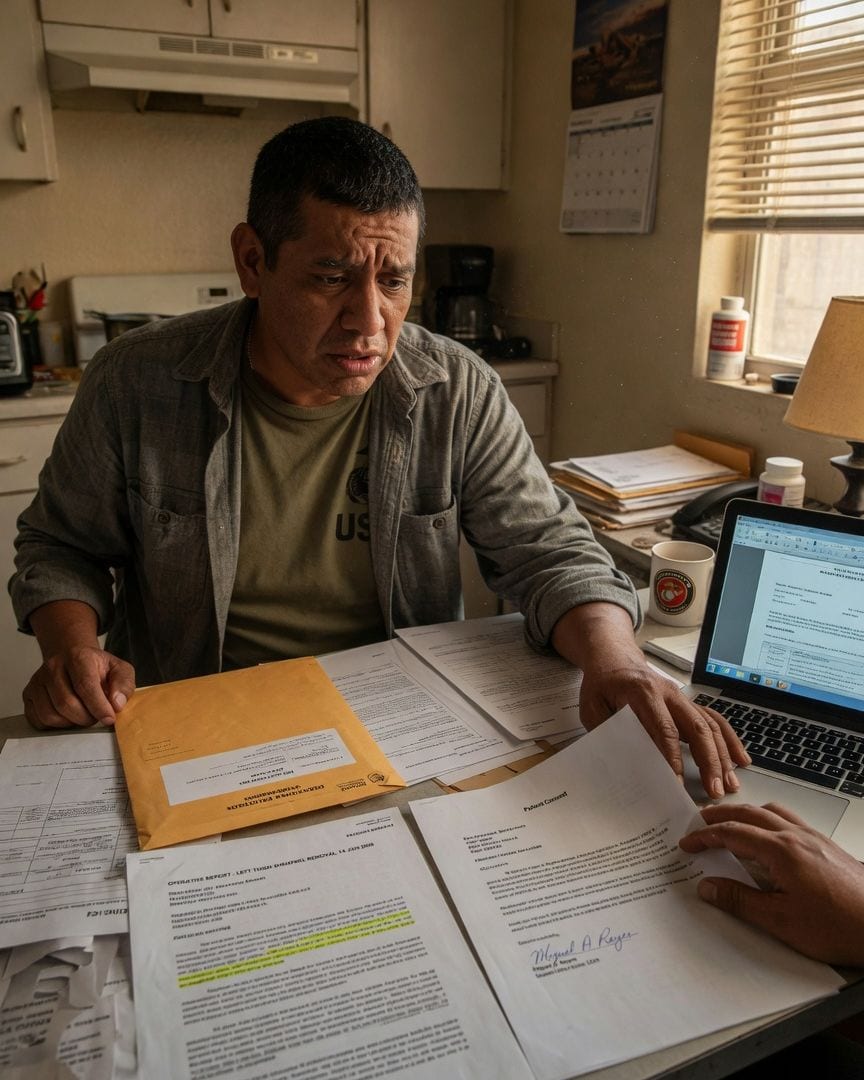
A veteran's VA file listed surgery for shrapnel. The doctor retired decades before he joined the Corps.
Miguel Reyes, a veteran, sat in a sterile VA clinic, his bad knee throbbing, expecting routine. Instead, a physician's assistant presented a digital file detailing shrapnel removed from his thigh in 2008 – an injury Miguel had no memory of, no scar for. His own service record later confirmed the impossible surgery, complete with a consent form bearing his perfect, yet utterly alien, signature. Driven by unease, Miguel researched the listed surgeon, Dr. Charlotte Bennett, only to discover she had retired from military service decades before he even enlisted. The numbers didn't just not add up; they violently contradicted each other, revealing a deliberate, impossible fabrication in his own life story.
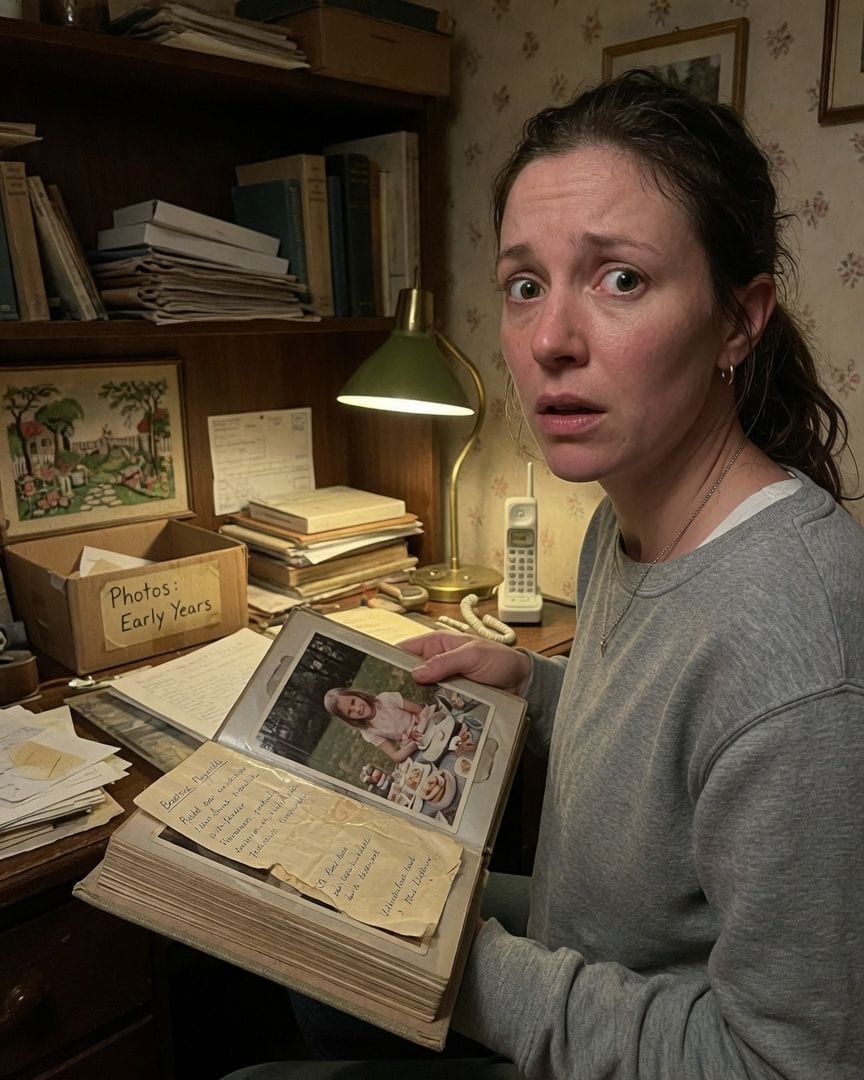
My mother's right ear has been partially deaf since she was eight. Now she's talking on the phone with it.
My mother, Beatrice, is finally back after five days, but my relief is curdling. She's using her right ear for phone calls, the one that's been partially deaf since she was eight. A new doctor confirmed her right ear was perfect, her left ear weaker, completely contradicting my lifelong memory.