 US Armed Forces
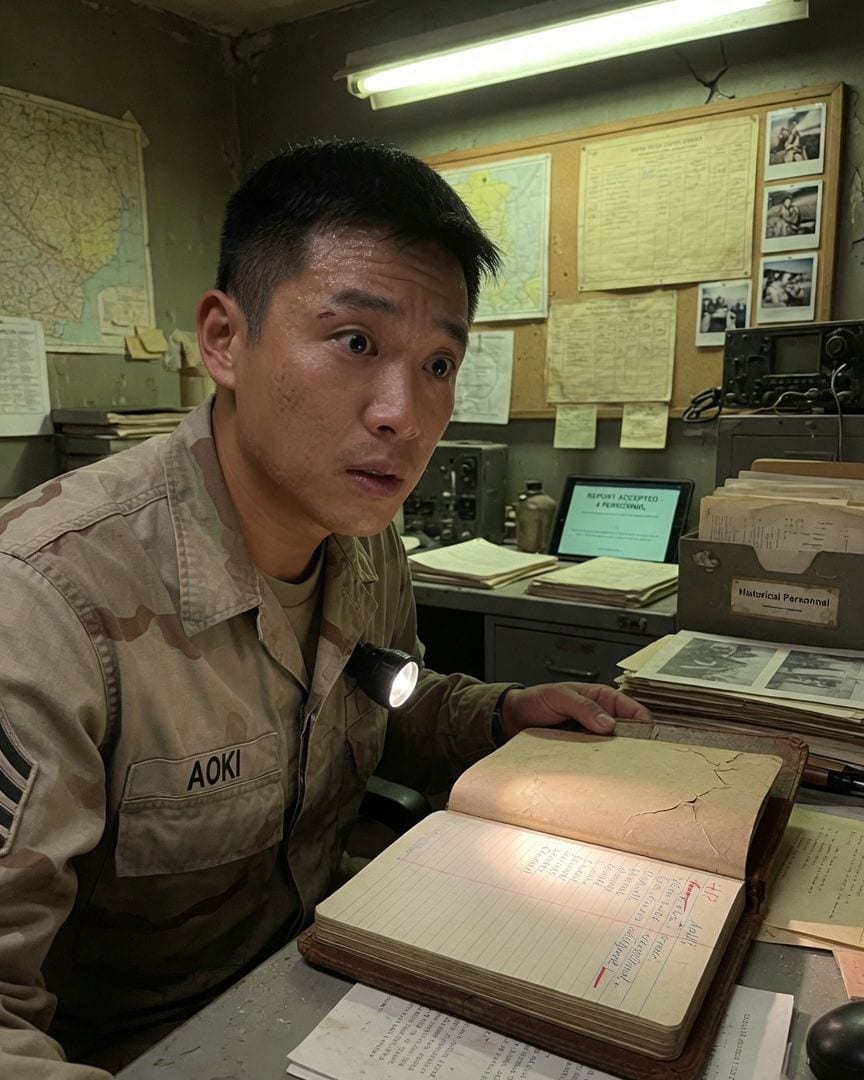
Sergeant Daniel Aoki, 32, led his four-man night patrol along Firebase Kestrel's wire, the desert wind a constant, gritty whisper. With relief due at dawn, Aoki conducted a quick headcount. After calling out his four men, a soft, almost imperceptible murmur acknowledged the call from just off his right shoulder, a fifth presence in the dark. His flashlight swept empty ground, but the cold dread that settled in his gut told him otherwise. Later, an old logbook from fifty years ago revealed a similar mystery, with a scribbled '+1?' next to a patrol led by an 'Aoki, R.'
13 min read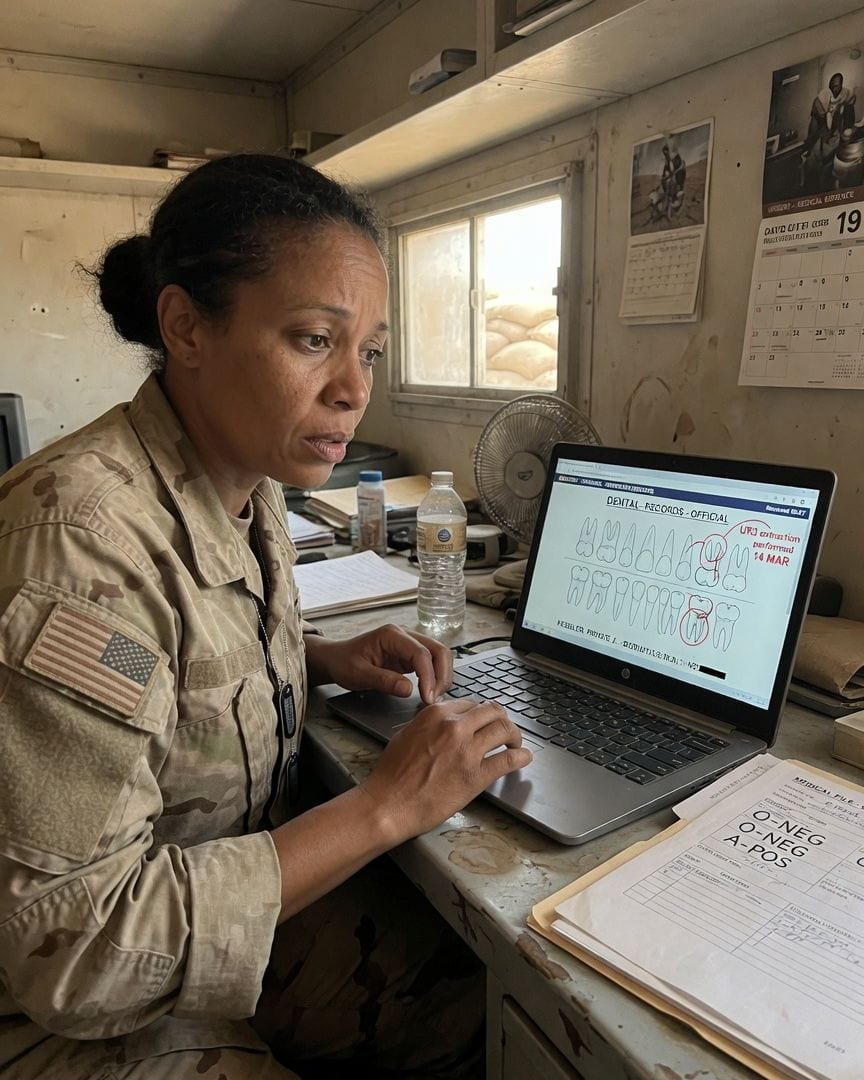 US Armed Forces
Sergeant First Class Iris Whitmore counted the weeks until her deployment ended, dreaming of home as the desert heat baked FOB Cerberus. But the familiar weight of Private Kessler’s dog tags soon brought a cold knot of dread: his blood type, once O-negative, suddenly read A-positive. She dismissed medical anomalies and clerical errors, only to find his official records subtly rewriting his timeline, linking old injuries to new identities. When his dental charts arrived, showing teeth he never had and missing ones he did, Sergeant Whitmore faced an impossible question: who was Private Kessler, really?
16 min read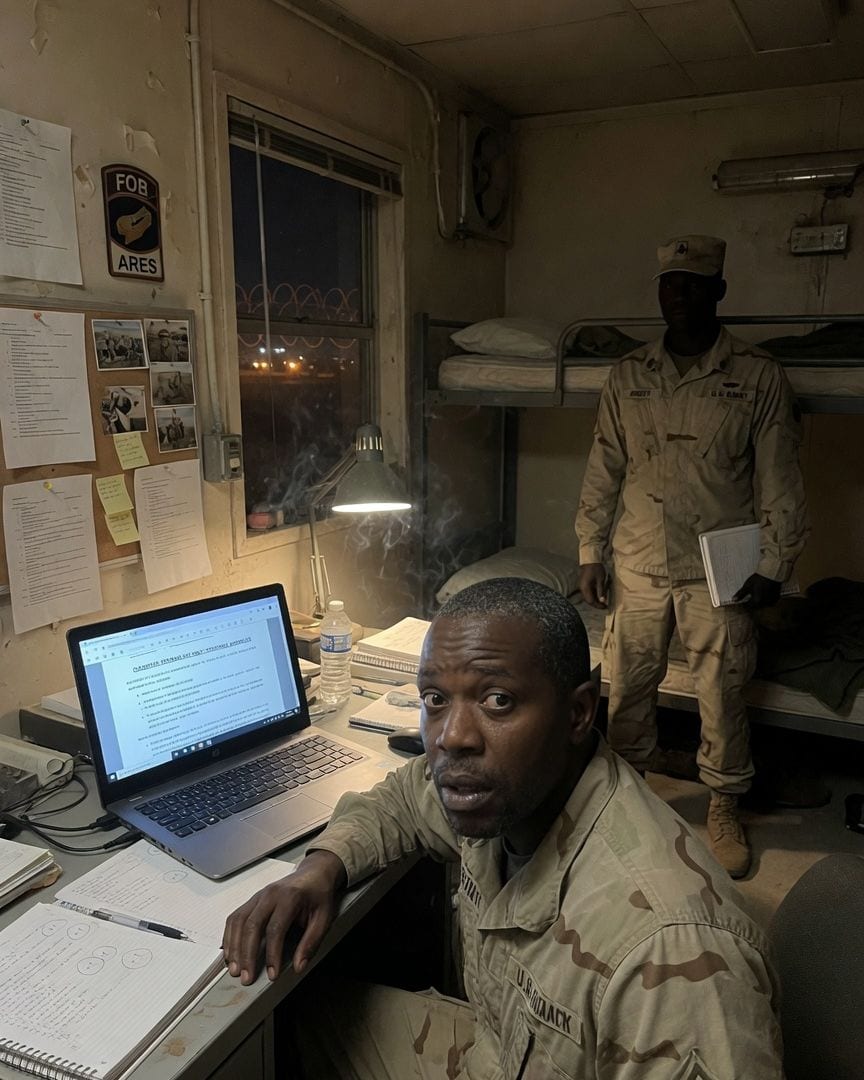 US Armed Forces
Sergeant First Class Malcolm Abbott was on his final rotation at FOB Ares, ready for transfer home. He called his platoon to formation, watching the sun break over the desolate desert as he counted each man. But the numbers didn't add up; there was always one extra soldier, standing at rigid attention, perfectly aligned with the others, yet only Malcolm could see him. Despite cross-referencing every manifest, the phantom remained, its face obscured in shadow, a silent sentinel that defied all logic. What secret did the base archives hold about these unacknowledged personnel?
11 min read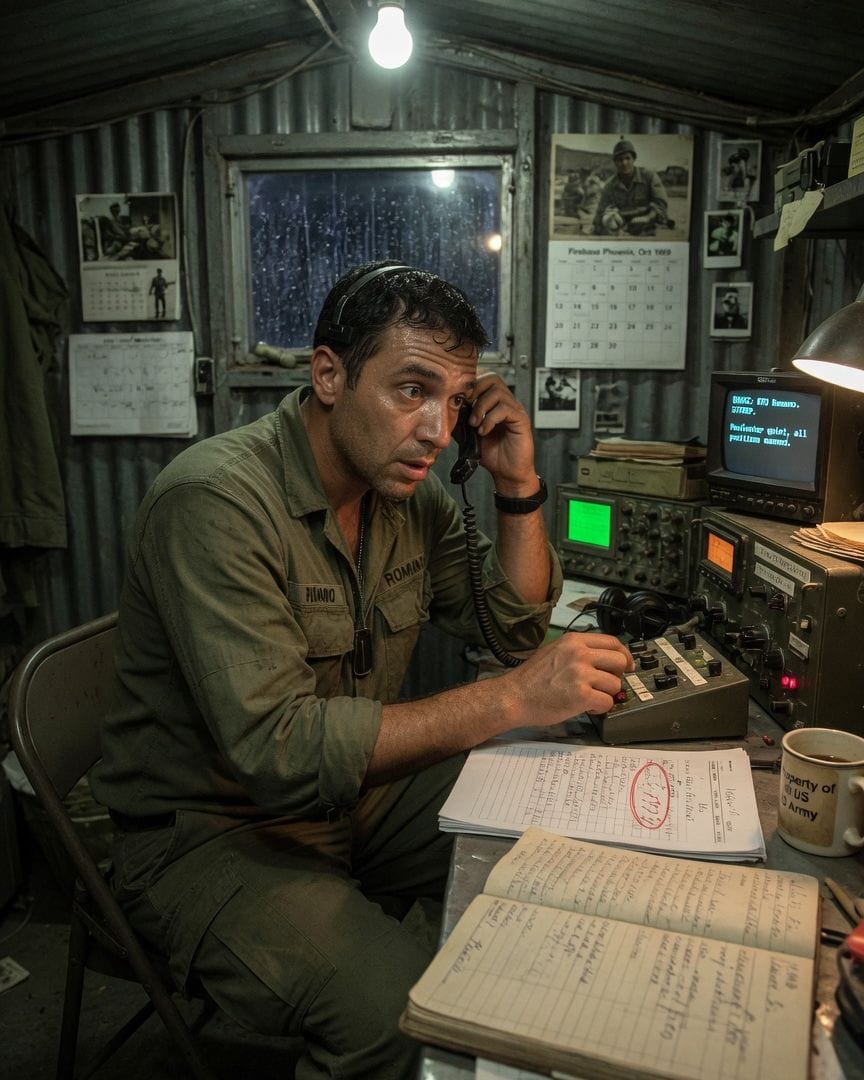 US Armed Forces
At Firebase Phoenix, a lonely RTO named Felix Romano was composing his midnight SITREP when a chilling transmission cut through the static: his own voice, calm and clear, delivering the exact report he was about to send. Felix froze, his heart hammering as the system confirmed his message had already been logged. He meticulously checked every connection, but found no glitch, only a phantom entry. Then, the digital roster for his shift named a secondary RTO he’d never heard of: Sgt. Vance. No one on base knew a Sgt. Vance, yet the name persisted in the system, even appearing in an old 1948 ledger with a cryptic note: 'unaccounted for – Phoenix.'
11 min read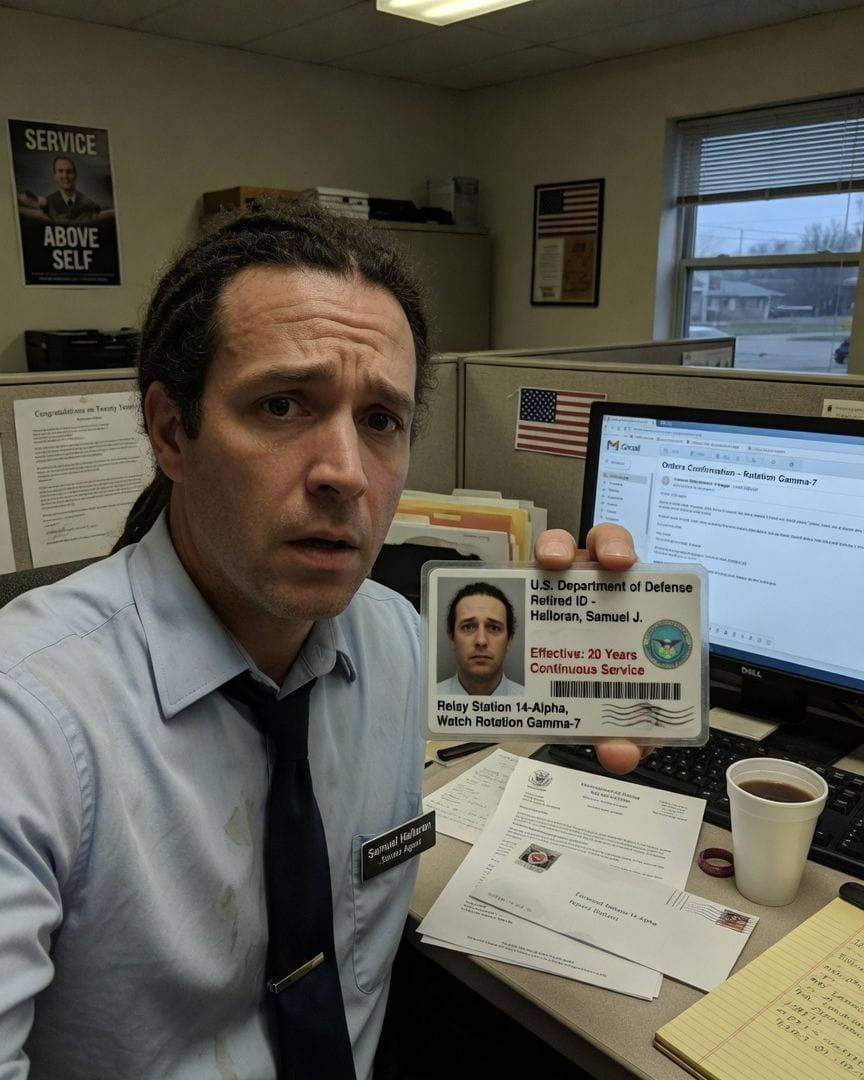 US Armed Forces
Samuel Halloran, an Ohio insurance worker, had built a quiet life eight years after leaving the military, with a mortgage and two kids, far from the uniform. The scent of stale coffee usually defined his suburban days, but a letter from a Missouri records center shattered his routine. It congratulated him on twenty years of continuous service, complete with a retirement ceremony and a new ID card bearing his current face, yet his own separation date was missing from the meticulously kept history. Then came specific orders for a forward relay station in the Ozarks, a desolate place decommissioned and abandoned since the 1980s. Scrolling through old archives, Halloran found a faded 1987 photo of a sentry guarding the derelict site, whose blurred face held an undeniable, chilling resemblance to his own.
11 min read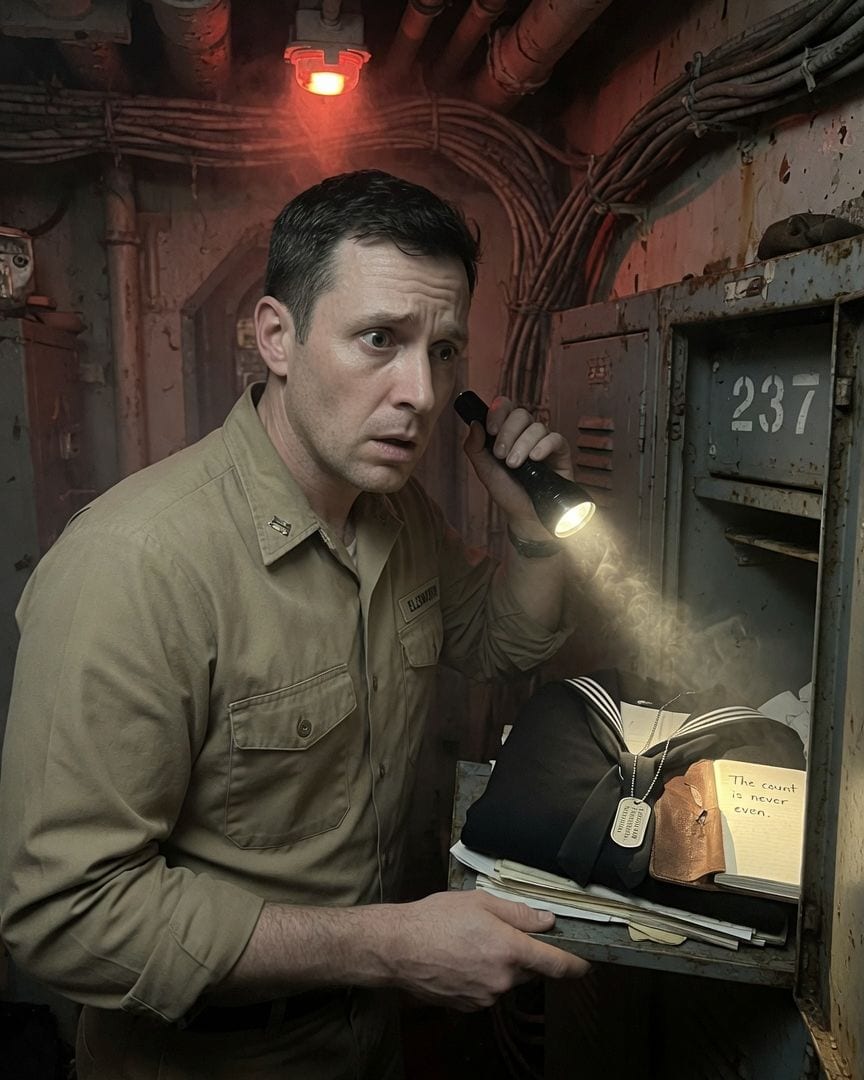 US Armed Forces
Lieutenant Philip Ellsworth, a stickler for order in the humming steel corridors of the USS Vanguard, saw his world of protocol suddenly unravel. On deep patrol, the mess cook’s mid-rats count came up one short, yet a silent, unknown sailor sat eating at a dim table, leaving a perfectly clean tray before vanishing. Philip’s investigation soon uncovered a name, P. Kowalski, scrawled in the ship's log—a name not found on any current manifest. His search through forgotten archives led him to a decommissioned locker from 1985, where a pristine, older uniform and dog tag bearing Kowalski’s name lay waiting. What unsettling truth did the journal beside it reveal?
12 min read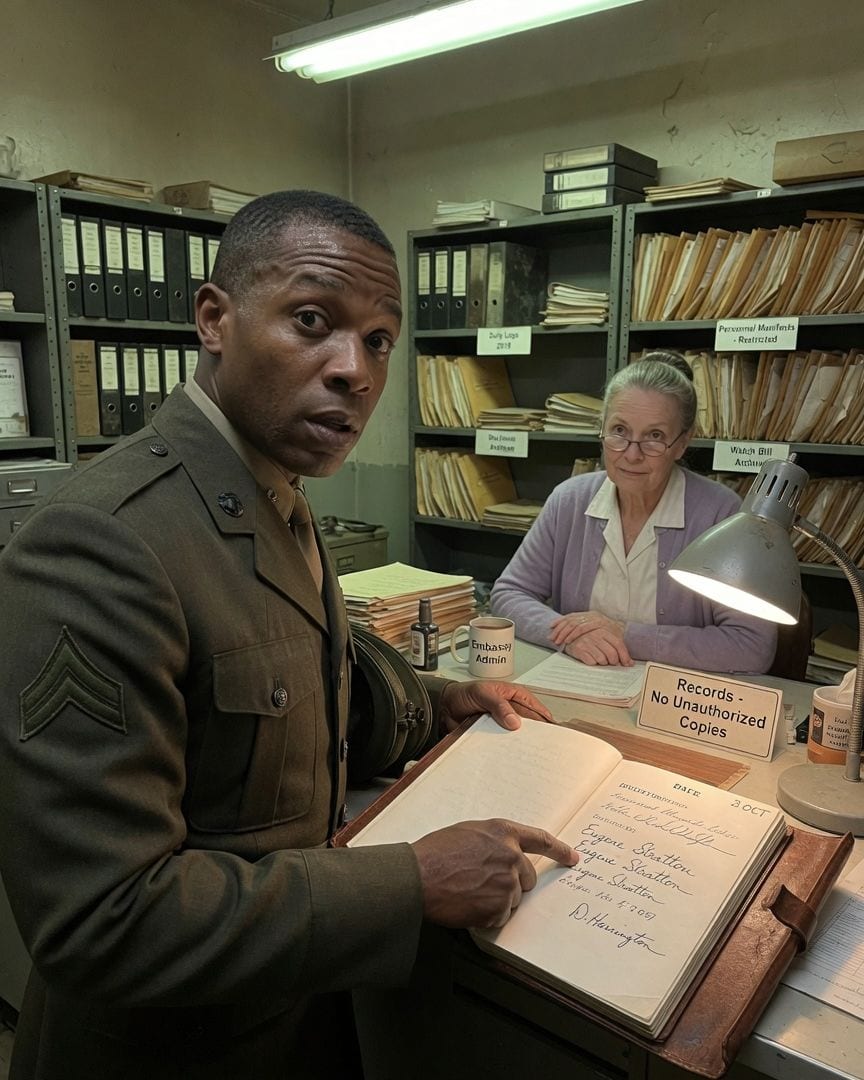 US Armed Forces
Sergeant Daniel Harrington was just six months from his honorable discharge, feeling the weight of civilian life as he called his final embassy guard mount. The familiar routine in the cool courtyard was shattered when he counted seven Marines for seven posts, yet eight stood before him. His gaze sharpened, he found two identical Private First Class Eugene Strattons, both answering roll call with the same crisp voice and even the same scar. Later, his own signature appeared in the duty log, verifying an eighth Marine he never saw. Why did the civilian clerk meet his stunned gaze with such calm, knowing eyes?
10 min read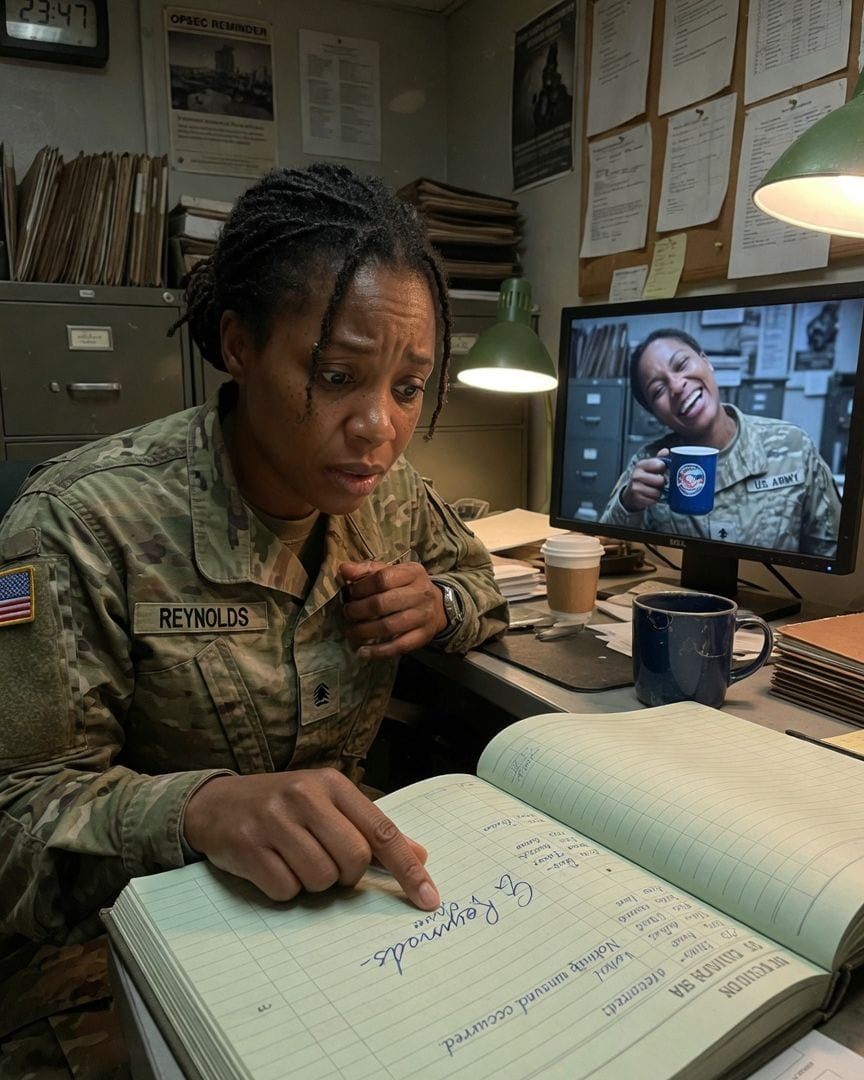 US Armed Forces
Lieutenant Grace Reynolds hunched over the battalion staff-duty log, the fluorescent hum of the records room a monotonous backdrop to her dry inventory audit. Her gaze snagged on an entry from three weeks prior: her own unmistakable signature, closing out a full 24-hour staff-duty shift she knew she had never worked. Security camera footage only deepened her unease, showing 'Grace Reynolds' moving with her familiar stride, laughing a shade too brightly, her head tilting a fraction too precise, like a flawless, chilling performance. But as the imposter turned to leave, she picked up and rinsed a chipped, dark blue ceramic coffee mug with a faded diner logo—a mug Lieutenant Reynolds had never once seen in her life. The air in the quiet room grew heavy, thick with the unspoken wrongness: if that wasn't her, then who was it?
9 min read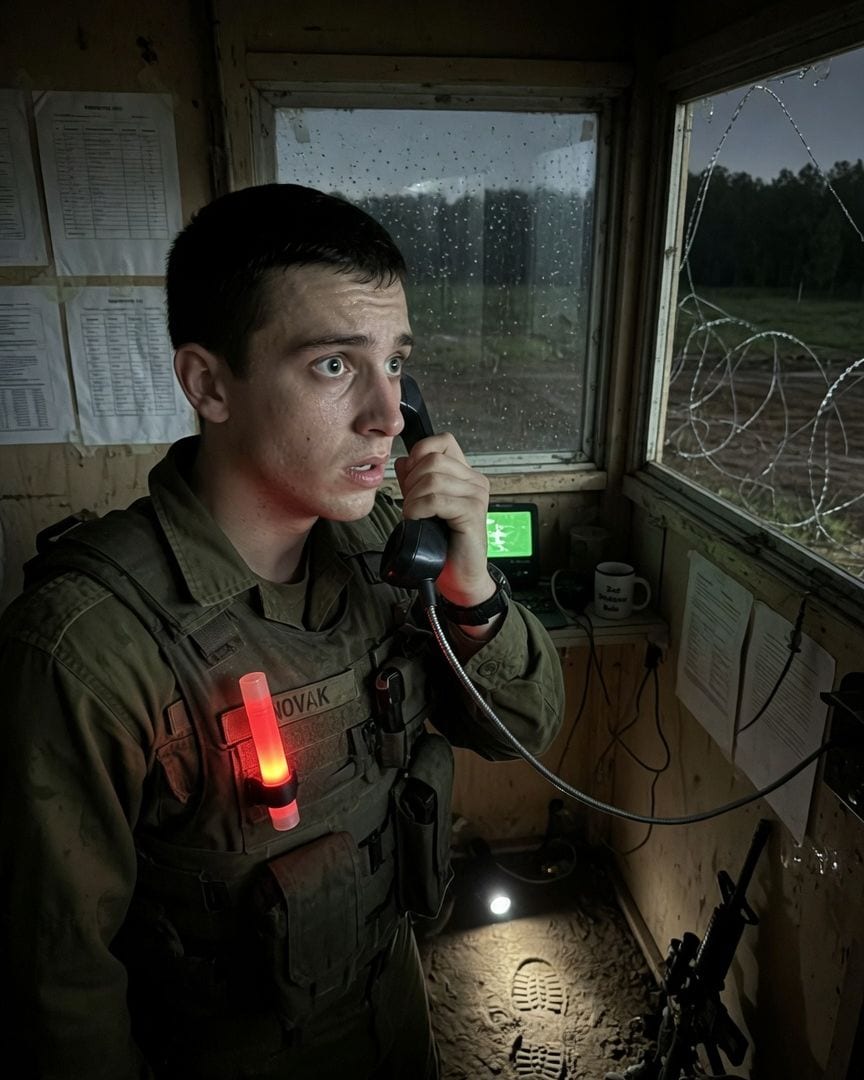 US Armed Forces
PFC Isaac Novak mans the outpost tower, sweeping the perimeter for any anomaly. After an unnervingly smiling man appears and vanishes beyond the wire, Novak descends to patrol. He finds a single fresh boot print deep *inside* the perimeter, yet the barbed wire remains perfectly intact and undisturbed.
9 min read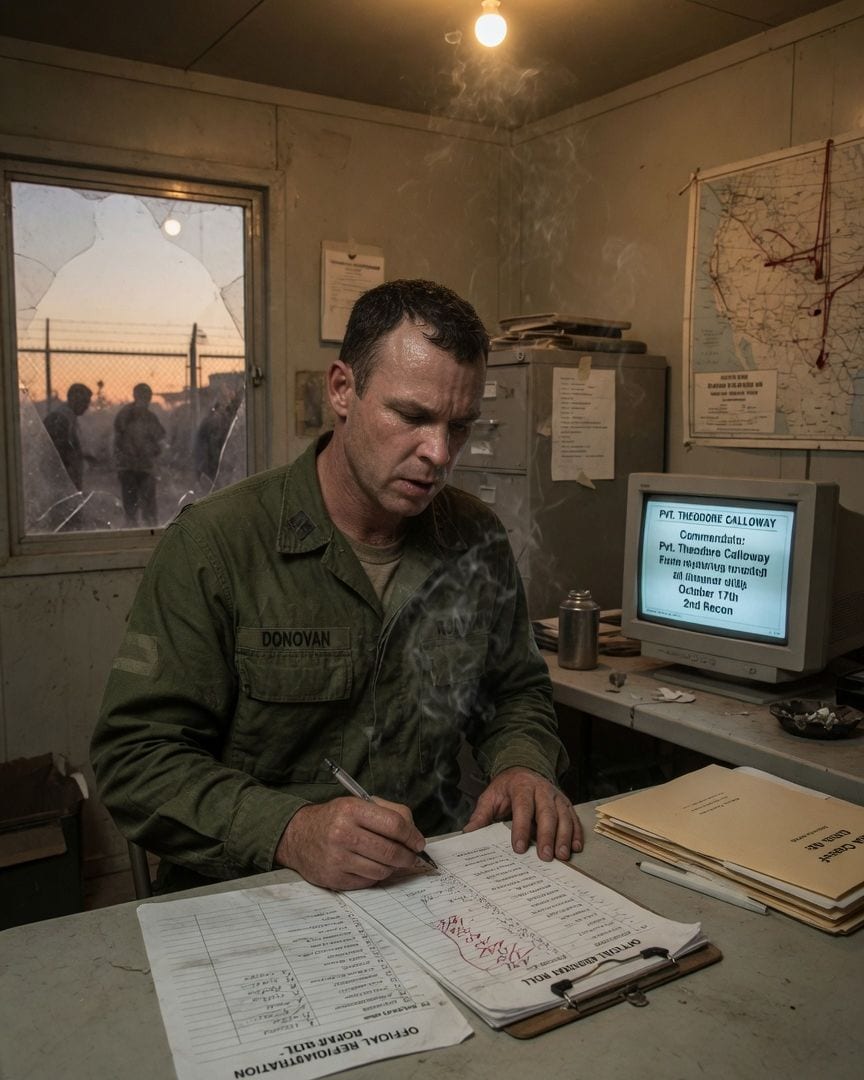 US Armed Forces
Corporal Raymond Donovan stood amidst the dust and tired murmurs of the repatriation camp, his duty to verify every returning prisoner. He meticulously tallied names against the official exchange lists, but his physical head count came out one man higher than expected. A Private Theodore Calloway appeared, gaunt and exhausted, yet his name was nowhere on Raymond’s carefully organized records. Sergeant Jennings dismissed it as a forgotten grunt, but Raymond knew better; Calloway's official service record, though pristine, contained an impossible detail: a commendation date for an operation his unit had left a month prior. What impossible timeline had this private stumbled into?
10 min read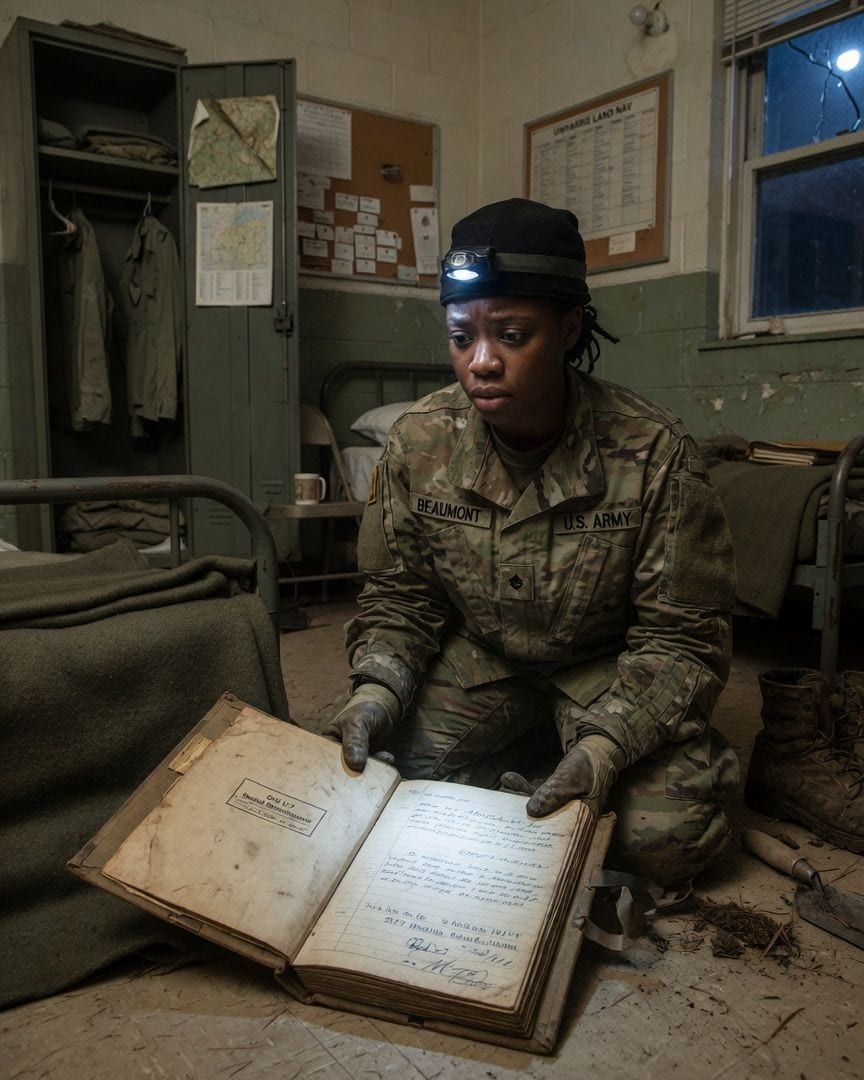 US Armed Forces
Second Lieutenant Monica Beaumont, bone-tired after a land-navigation course, logged an unexpected compound in the Uwharrie backcountry. Her cadre officer, Captain Russo, insisted she'd invented it, marking her record. The next morning, leading her platoon back to the coordinates, the compound was gone, but they found fresh post holes, cold fire pits, and a burn barrel still radiating an impossible heat. Unable to shake the uncanny feeling, Lieutenant Beaumont returned alone that night and unearthed a heavily corroded metal box. Inside, a canvas-bound logbook detailed decades of activity at a site that didn't exist, until she found an entry from eighteen months prior: her own signature on a night watch she was hundreds of miles away from.
11 min read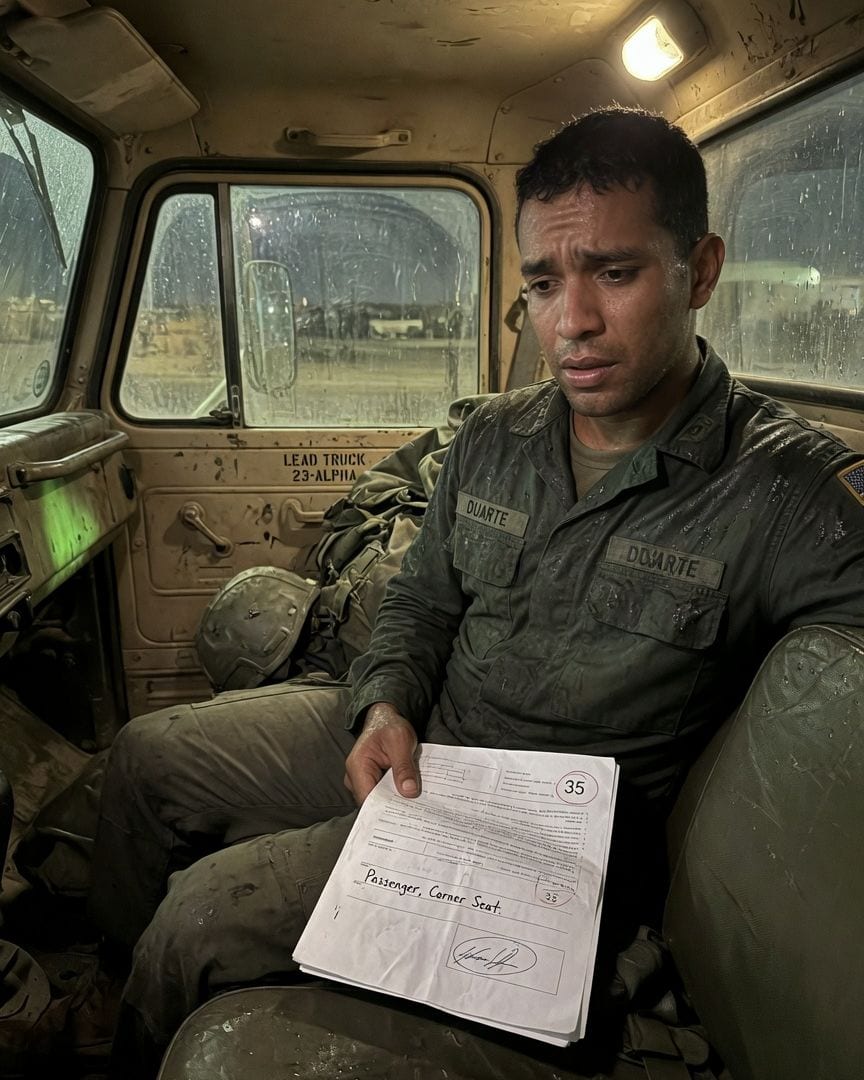 US Armed Forces
Specialist Felix Duarte was just two weeks from going home, but a final convoy mission held an unsettling mystery. Soaked and running late, he squeezed into the lead truck's forbidden corner seat, a place every soldier knew to leave empty. Hours later, stepping out into the desert, he found the seat was strangely warm and distinctly dented, as if two unseen bodies had pressed in beside him. The official manifest then listed an extra soul for his truck, simply 'Passenger, Corner Seat,' signed by his own hand. What impossible presence had shared Specialist Duarte's ride, and what other records might it have altered?
11 min read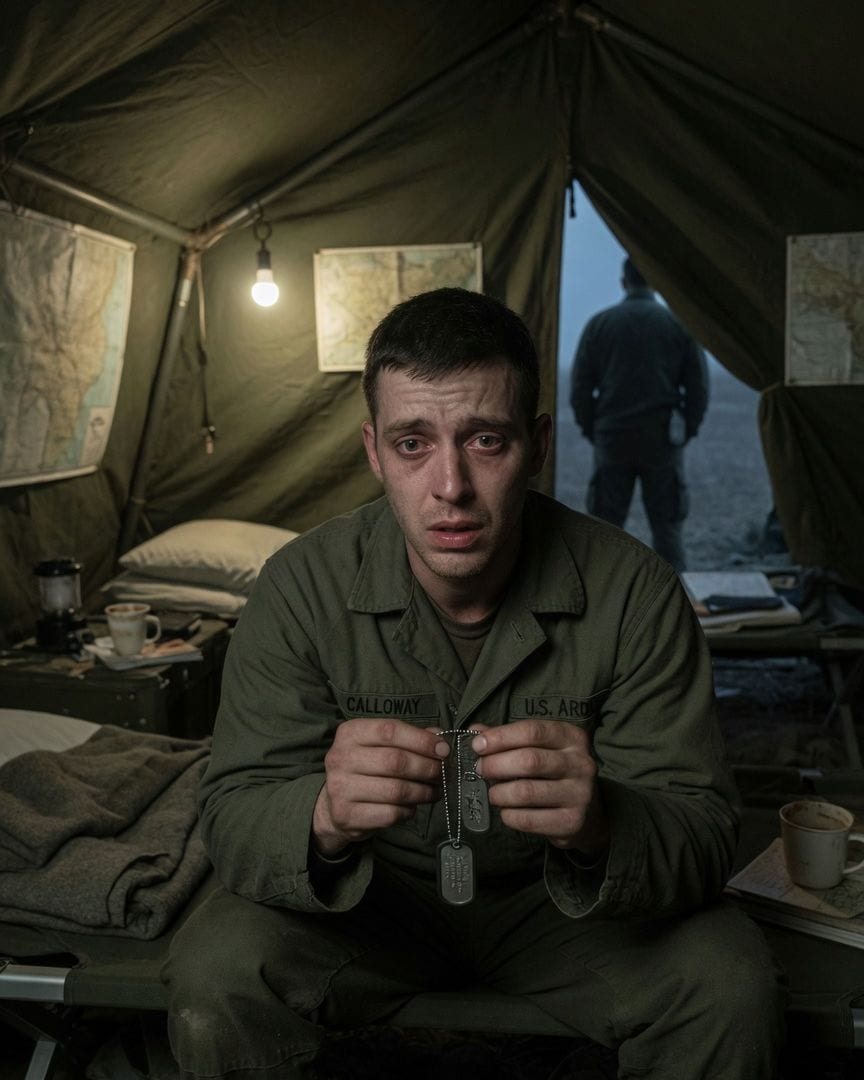 US Armed Forces
Airman Russell Calloway was counting the weeks to his transfer from the isolated Mount Echo Radar Site, enduring another frigid pre-dawn at the lonely outpost. His tentmate, Airman Ethan Brody, had just returned from nine days off-grid after an ATV crash, and something was immediately wrong. Brody, a creature of habit known for four sugars in his coffee, now insisted he drank it black, then later denied any knowledge of the unique mountain goat engraving on his own dog tags. Calloway knew this wasn't a changed habit; it was a fundamental shift, leaving him with a chilling question: who was sleeping in the bunk beside him?
13 min read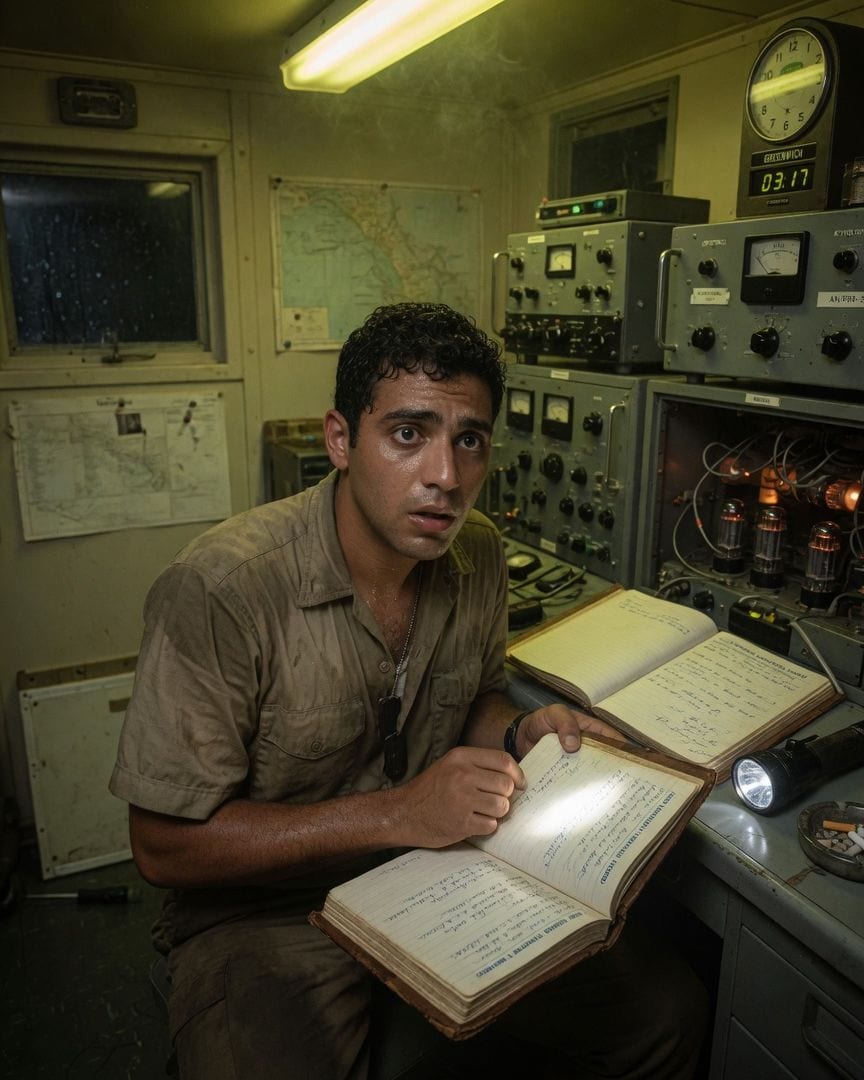 US Armed Forces
Radioman Charles Petrakis counted the final weeks of his tour on a humid island station, the constant hiss of the Pacific his only companion as he monitored fleet broadcasts. Then, for ninety seconds, the encrypted stream dissolved into a calm voice listing ships 'no longer answering,' their fates sealed with a date. Petrakis froze as the voice named his own vessel, the USS St. Augustine, for a date three weeks in the future. With official logs showing no anomaly, he later unearthed an old, unofficial logbook detailing similar broadcasts—and the 'tour ending' for other radiomen.
15 min read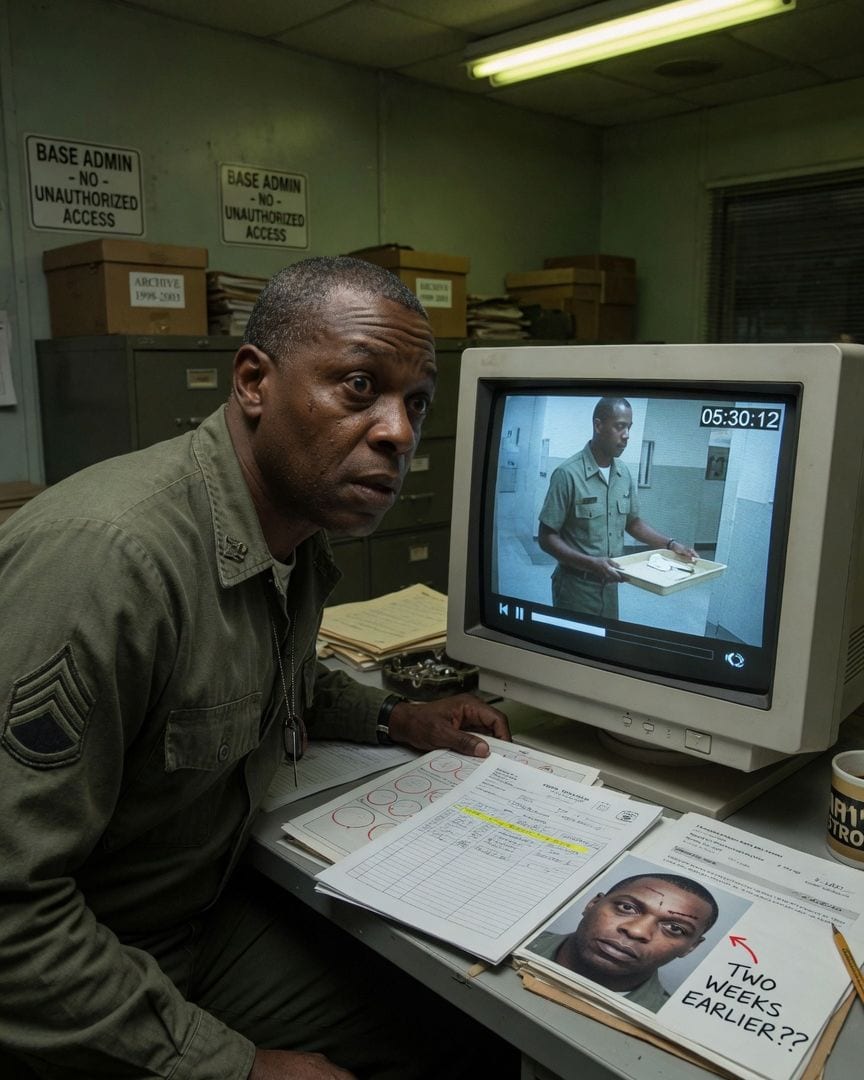 US Armed Forces
Sergeant Gideon Vance was cross-referencing records to fix a simple scheduling error. But the surveillance footage and duty rosters showed Corporal Charles Whitfield in the chow hall and on Tower 3 at the exact same minute. Vance found this impossible discrepancy repeated across multiple days and records. A soldier cannot be in two places at once.
12 min read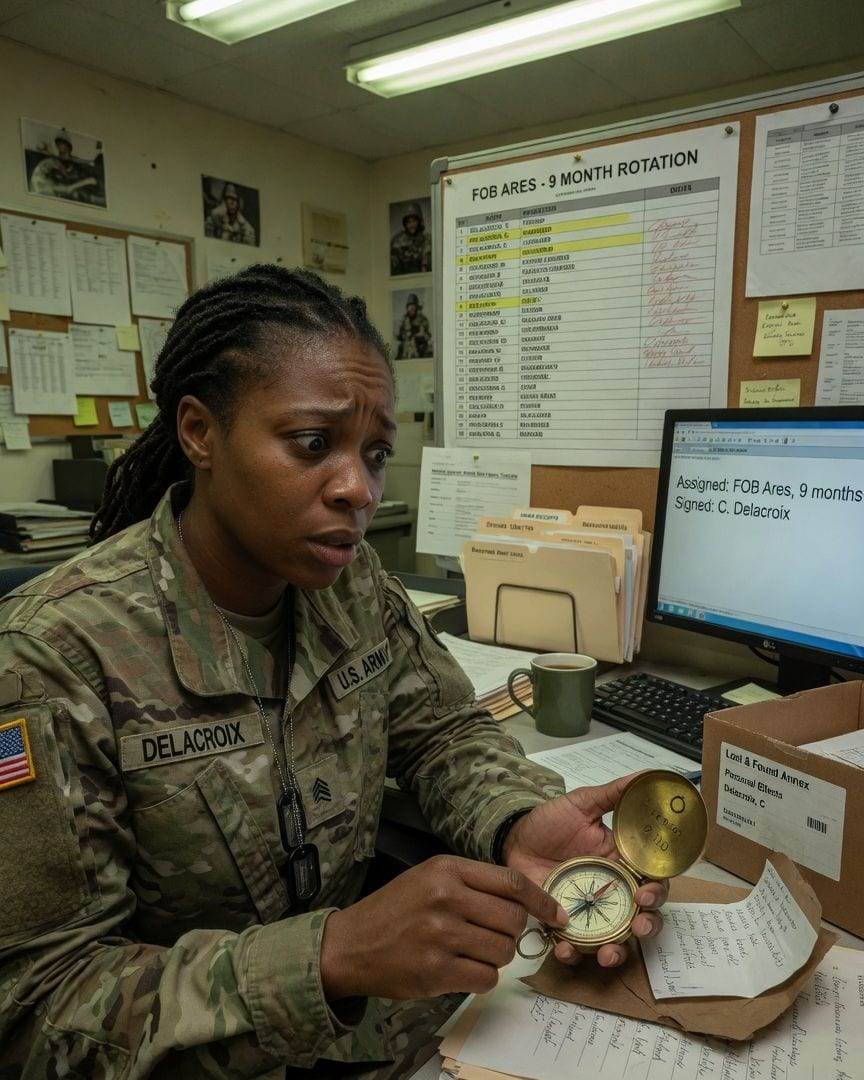 US Armed Forces
Sergeant Camille Delacroix, a logistics clerk, lived a predictable life of paperwork stateside, counting down the days until her unit's return. But the day they disembarked, three exhausted soldiers from a remote desert outpost thanked her for saving their lives from a burning Stryker. Camille, thousands of miles away, denied it, yet her own service record swore she was a decorated hero at that combat base, forms signed in her perfect hand. The unsettling truth deepened when she found a brass compass, engraved with her initials and the outpost's coordinates, containing a list of names including her own. How could she be a hero in a war she never fought?
15 min read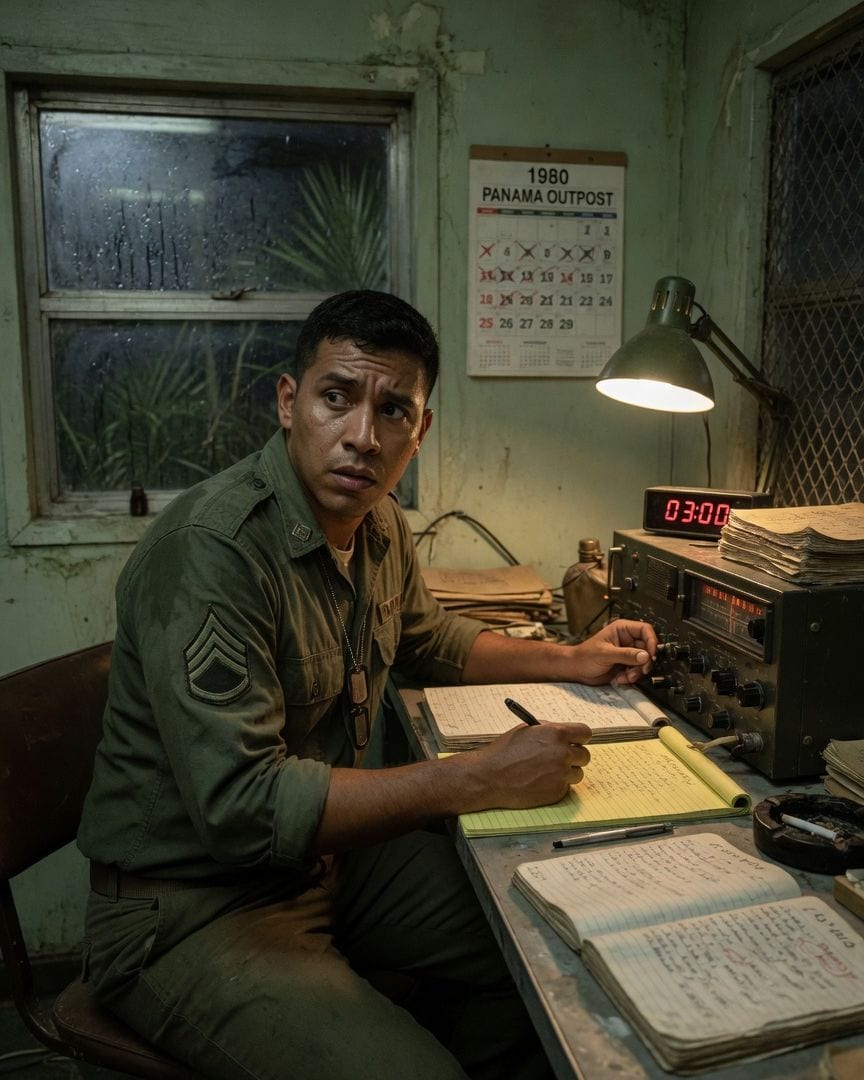 US Armed Forces
Sergeant Adam Ibarra endured the damp Panamanian night in his remote outpost, the hum of old equipment his only companion. For three nights, a calm woman's voice transmitted a looping list of names and dates on the comms set, initially dismissed as a forgotten test loop. But the truth chilled him: these were his predecessors at the station, listed with the precise dates they had 'stopped answering' — and the sequence ended with a blank space just before his own. On the fourth night, Ibarra waited, rigid, as the voice added the last operator's name before him, then paused. Clear as a bell, it finally spoke: 'Ibarra, Adam.' What date would it add next?
11 min read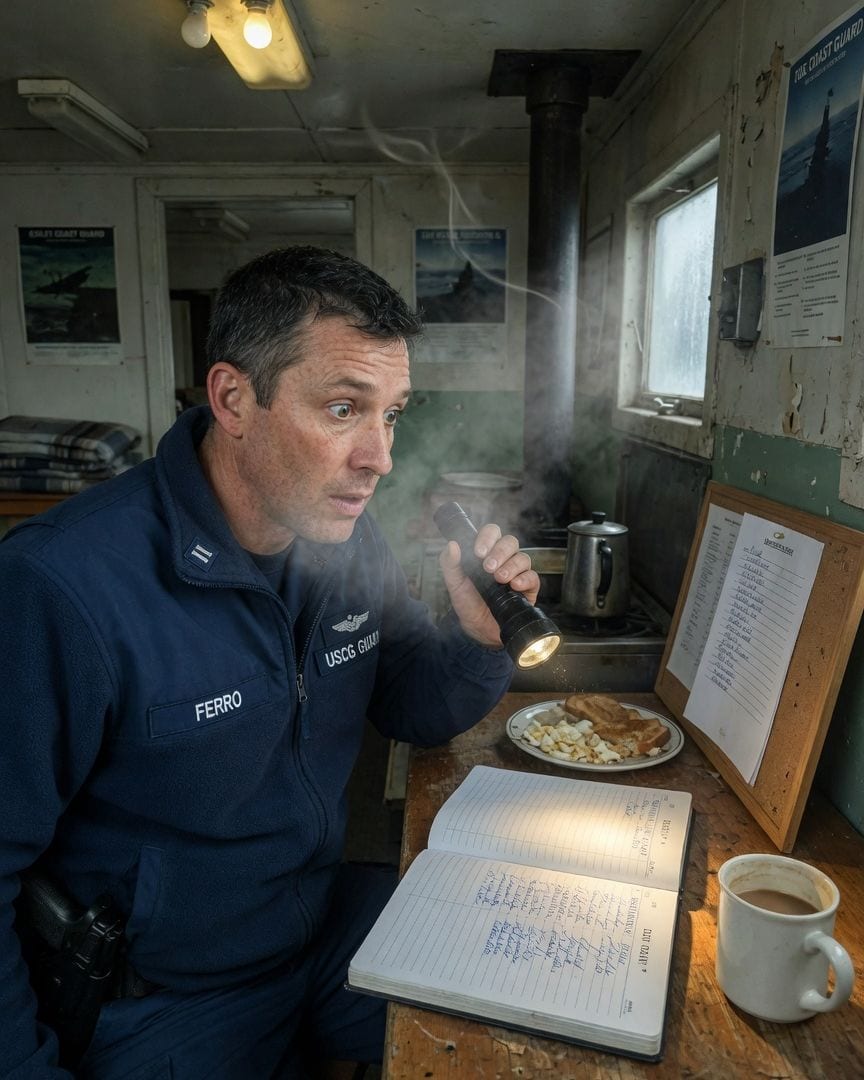 US Armed Forces
Lieutenant Theodore Ferro, Executive Officer of the USCGC Steadfast, braced against the biting Aleutian air, leading a final survey of LORAN Station 14-J before its demolition. The station, officially abandoned for over a decade, should have been a cold, gutted shell on the black-sand beach. Instead, a thin, acrid plume of fresh woodsmoke curled unmistakably from the galley stovepipe, twisting into the thick, low-hanging fog. Inside the unlocked building, a subtle warmth lingered alongside the scent of cooked breakfast, and a crisply printed duty roster listed a full watch section for today, bearing names Lieutenant Ferro knew should not be there. Who could be manning a long-decommissioned post, and why were their freshly laundered uniforms hanging ready for duty?
11 min read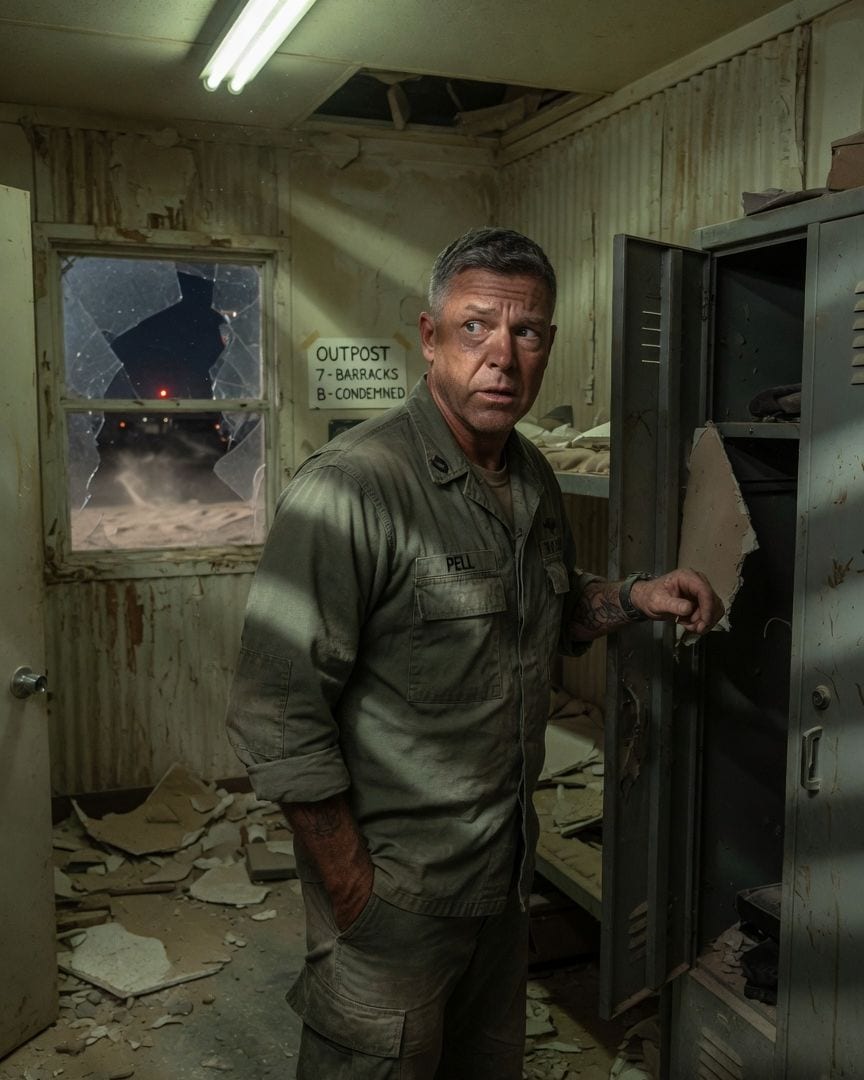 US Armed Forces
Gunnery Sergeant Russell Pell was nearing the end of his final rotation at remote Outpost 7 when his battle buddy, Sergeant Howard Odom, returned from medevac. The relief was short-lived; Pell immediately noticed Odom's laugh was off—higher, reedy, a stranger's sound in a familiar face. Over days, subtle changes in Odom's posture and memory of shared jokes deepened Pell's unease. His dread solidified when he searched Odom's old, damaged bunk and found his original dog tags, burnt and bent, the very ones Odom wore when he was evacuated. How could they be here now?
11 min read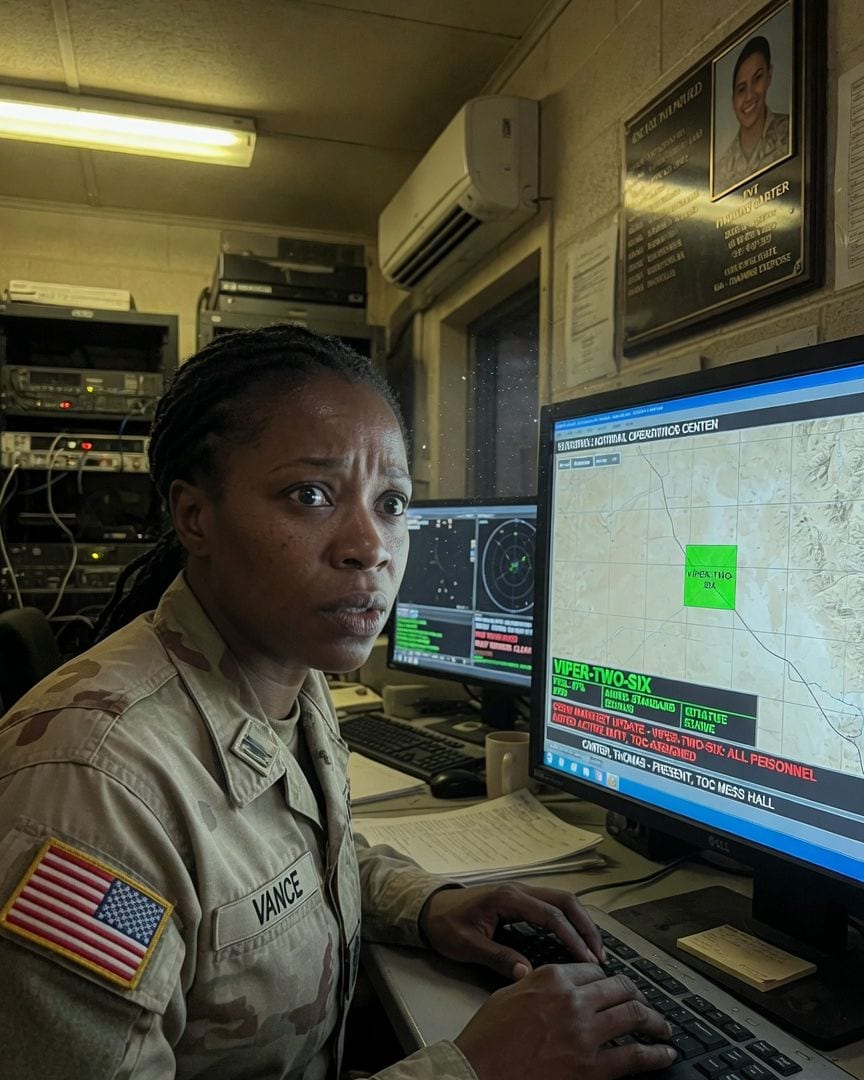 US Armed Forces
Staff Sergeant Eileen Vance monitored the digital net in the silent high desert Tactical Operations Center, the server hum a familiar backdrop to her shift. Her breath hitched when a green icon, call sign Viper-Two-Six, appeared on screen—a vehicle incinerated in a training exercise a year ago, its crew memorialized. Despite all records confirming its destruction and personnel listed as lost, the track reported its position with unnerving precision, then its crew was suddenly listed 'Active Duty, TOC-Assigned'. As Eileen and her colleague watched, the ghost track passed through the base perimeter, sending a final report: Private Thomas Carter, a memorialized crew member, was now 'Present, TOC Mess Hall'.
10 min read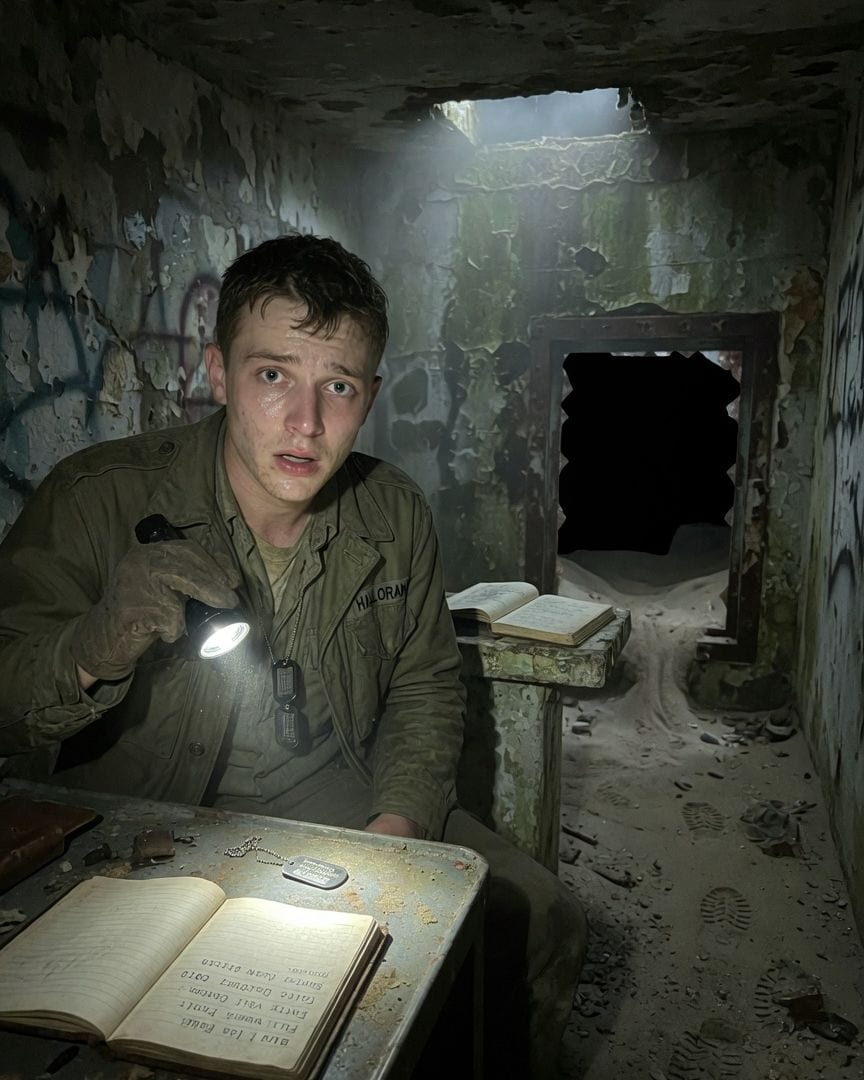 US Armed Forces
Private Frank Halloran shivered through his final graveyard watch at a disused WWII bunker on a lonely California headland, just two days from his transfer. At 0100, a thick fog swallowed the ocean, and through the swirling gray, figures in archaic gear coalesced on the beach below, silent and waiting. By dawn, the beach was empty, but the bunker's rear hatch, sealed for decades, now stood gaping open, leading to a logbook entry confirming an impossible landing party at that exact hour. Inside, Private Halloran found fresh boot prints leading into the winding darkness, culminating in a hidden room holding his superior officer's modern dog tag.
8 min read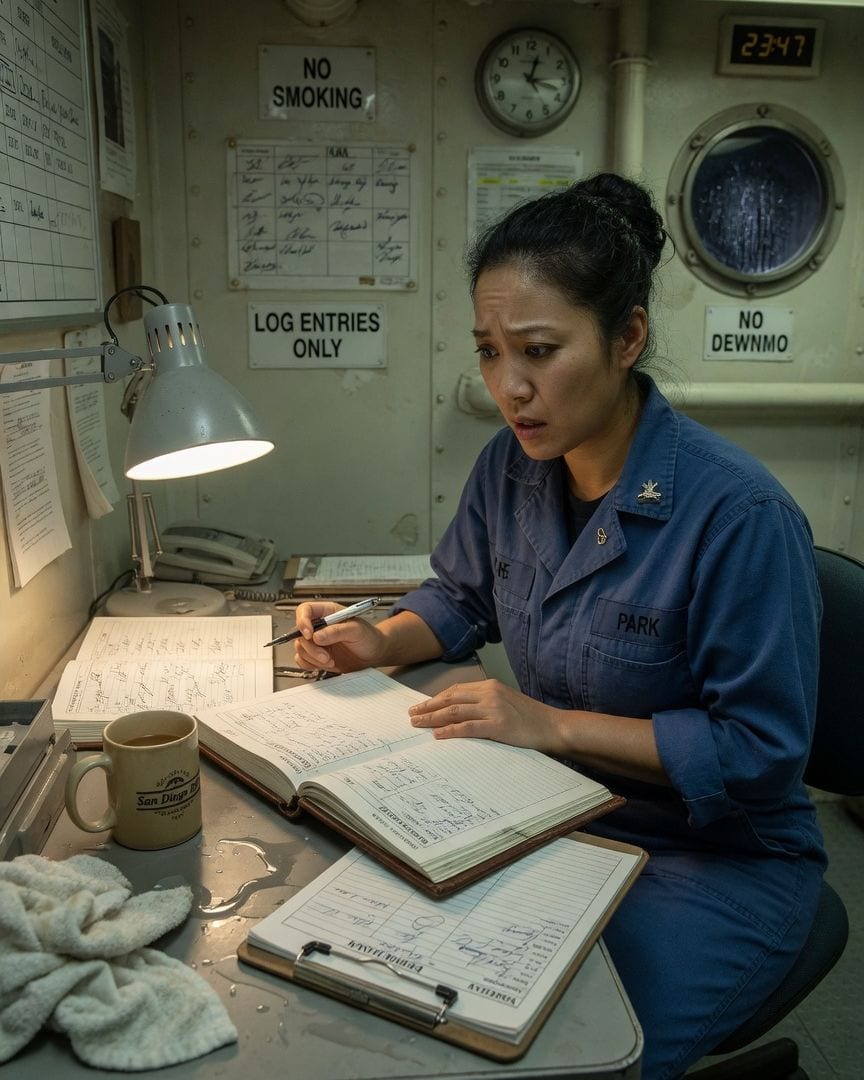 US Armed Forces
Yeoman Vivian Park was just two weeks from her transfer when Yeoman Kenneth Ferro went overboard in heavy seas. After he was pulled back, hypothermic but safe, Vivian watched him sign the logbook. His signature, once familiar down to a slight tremor from an old injury, was now unnervingly steady, the 'F' leaning the wrong way. Later, reviewing old logs, she found the same uncanny shift in another Yeoman's signature after an injury. The true dread hit when Vivian confirmed Ferro’s new, wrong signature had already appeared in the log a full week before his perilous fall into the sea.
11 min read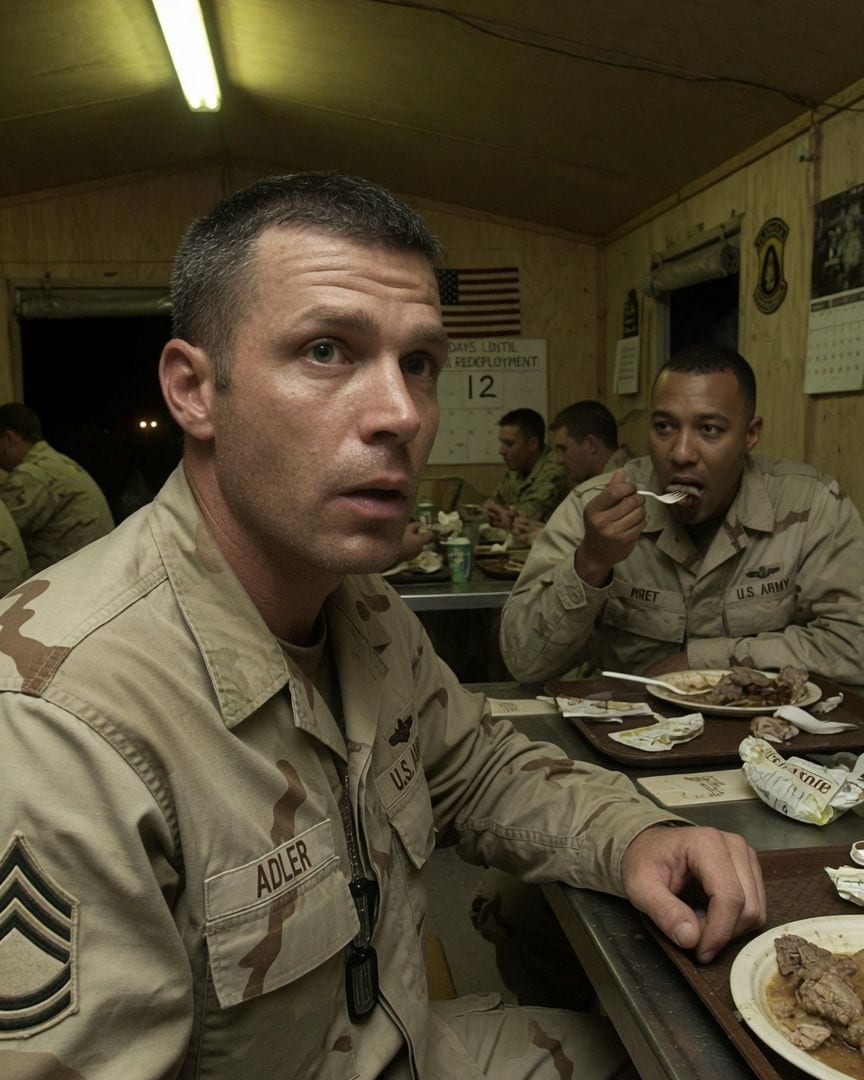 US Armed Forces
Sergeant Walter Adler counted down the final weeks until redeployment, the relief a palpable dust over their desolate outpost. His closest friend, Isaac Priest, had returned from a recent injury, seemingly whole but subtly changed. Adler noticed Priest, a staunch right-hander, eating left-handed, his gait too even, his eyes flat and unreadable. The unease grew into dread when Adler counted 149 men in formation, only for the Captain to announce 148. Then, during final processing, Adler saw it: two identical Isaac Priests, standing in separate lines, a perfect mirror image. How could a man be in two places at once, and why could no one else see it?
12 min read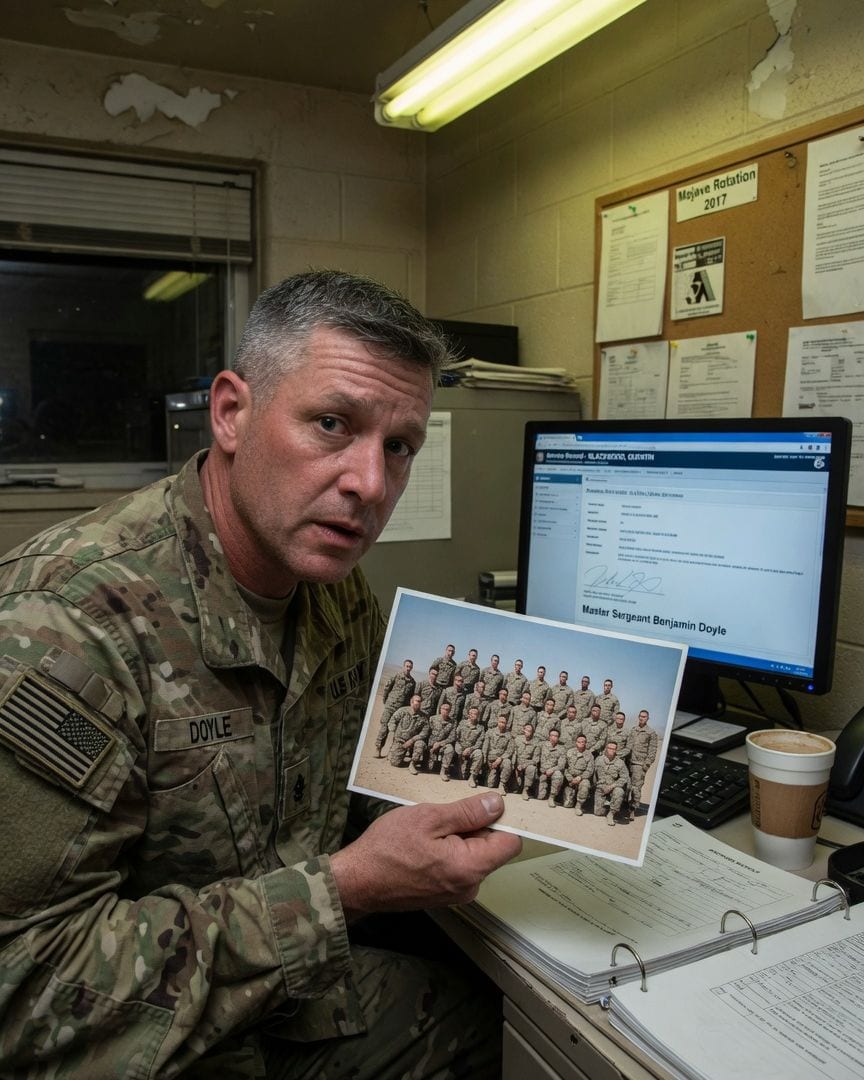 US Armed Forces
Master Sergeant Benjamin Doyle, a man whose life was built on precise manifests and head counts, maintained a quiet daily ritual: glancing at his Mojave rotation platoon photo. One morning, the familiar thirty-one faces stared back with an impossible addition: an extra man, grinning between Suggs and Ramos, a face he and his colleagues recognized but couldn't place. His search through official digital rosters yielded nothing, yet old physical logs, signed in his own hand, confirmed the phantom soldier’s presence on a dangerous patrol he couldn't recall. The ultimate blow came with a valor citation for this same soldier, bearing Master Sergeant Doyle’s own digital signature for an award he knew he never certified.
13 min read