 Declassified
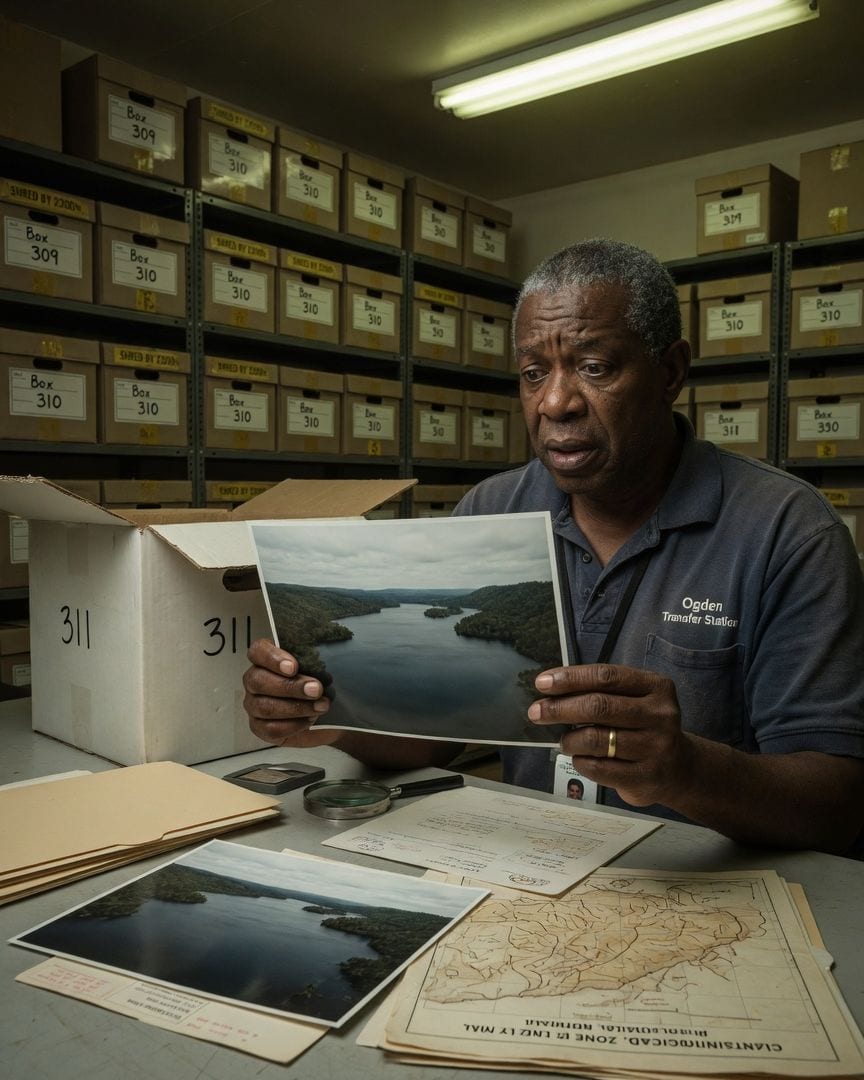
Just six days from retirement, Wilmot Achebe, a man who had called the Ogden transfer station his second home for thirty years, began his final rotation. Slicing through a box of historical ephemera, he unearthed a folder marked 'Aerial Reconnaissance - VIETNAM - 1968'. Inside were ten glossy prints showing a lush river valley, completely submerged, a massive lake where no lake should have been. The dam for this valley wasn't built until a decade later. Wilmot's unease deepened when he found older maps, dated 1967, labeling the same site a 'CONTAINMENT ZONE - HYDROLOGICAL ANOMALY'.
13 min read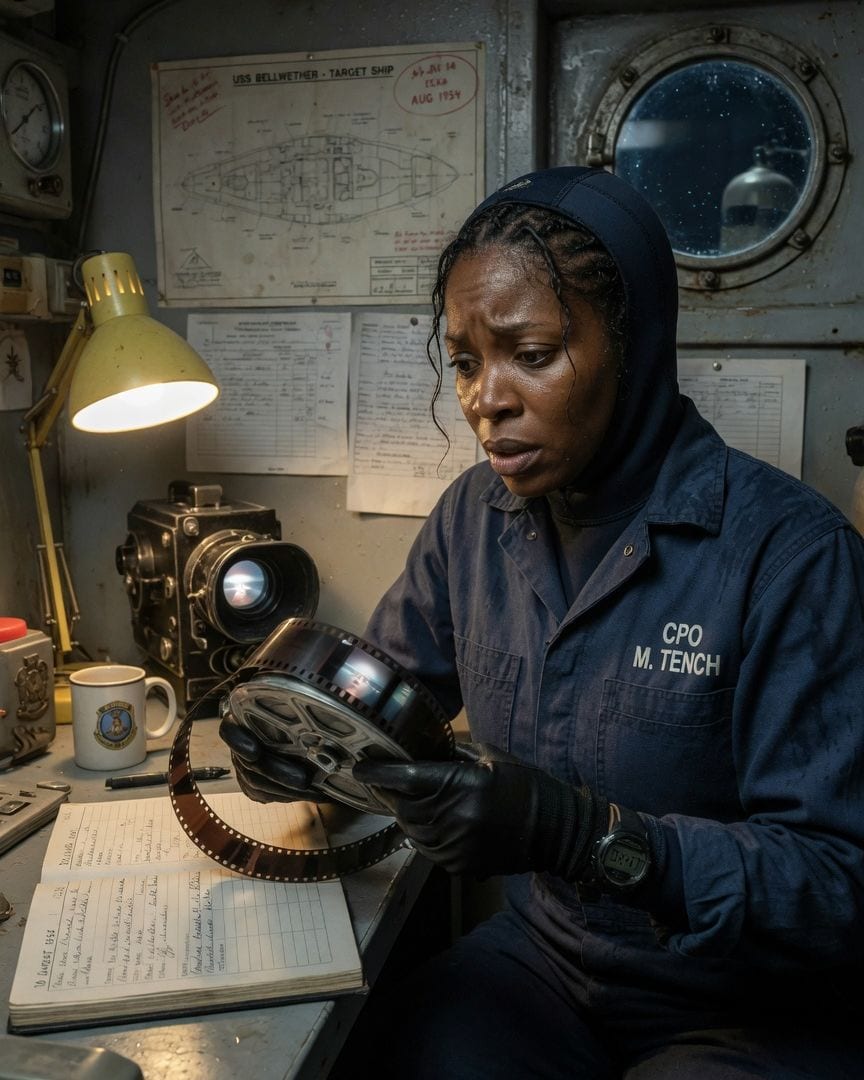 Declassified
Chief Petty Officer Marlo Tench descended into the deep twilight of Ferrell Atoll, her nine-hour salvage window already shrinking. Ninety feet below, the USS Bellwether, a designated Cold War target ship, waited, officially an unmanned wreck from a 1954 atomic shot. But as Marlo’s dive lights swept its hull, she found no blast damage, only impossibly vibrant paint and every hatch dogged from the inside. Her sonar then detected a faint internal hum, reading a live power plant within the sealed vessel, and later, the official film showed a blurred human face pressed against a porthole, staring out from inside the ship just before the atomic blast.
10 min read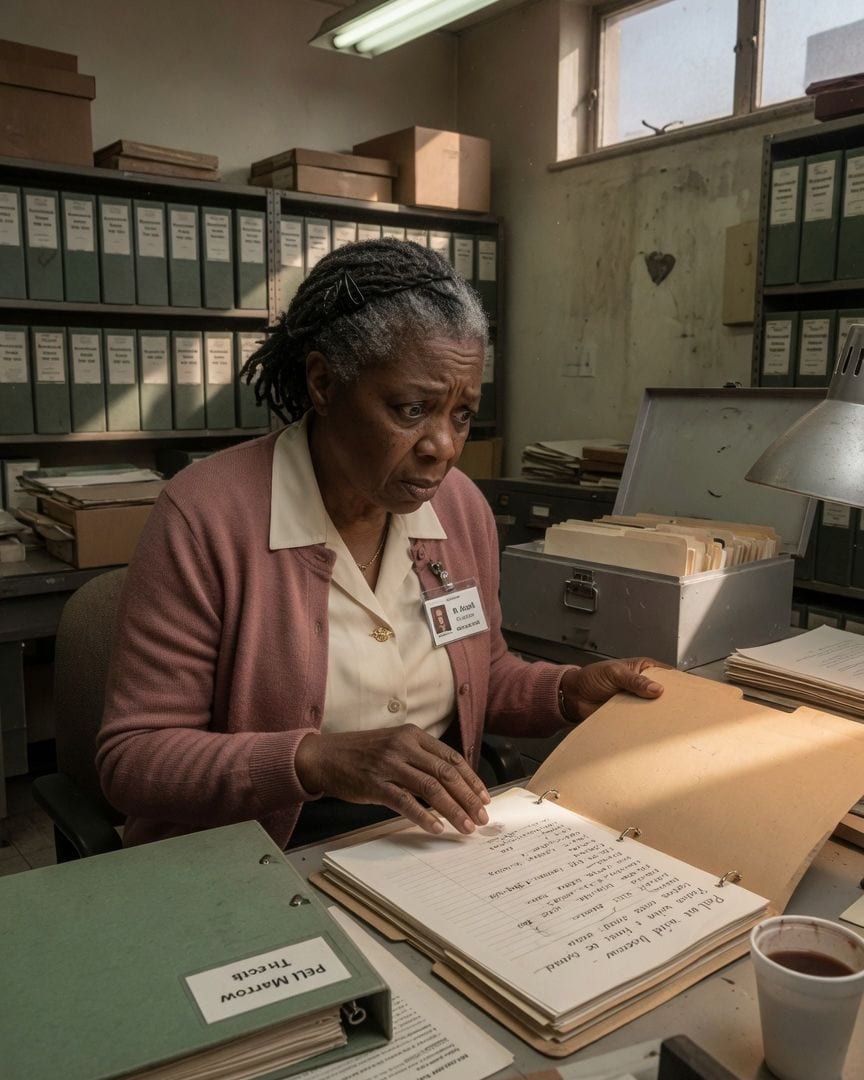 Declassified
Marguerite Ansell, a records clerk nearing her final week before retirement, meticulously audited Cold War-era files. In the cool, dusty archive, she pulled a file for an oiler declared missing in 1951. Inside, she found a fueling schedule with entries stretching into the present, the last dated just eleven days ago. Then, a second lost ship revealed a similar impossible log, and a cold certainty began to bloom in her chest. Deep in the shadows, Marguerite found an unmarked steel box containing a file for a reconnaissance plane lost in 1968. Its flight log showed a final flight yesterday, to the precise coordinates of her own archive building.
15 min read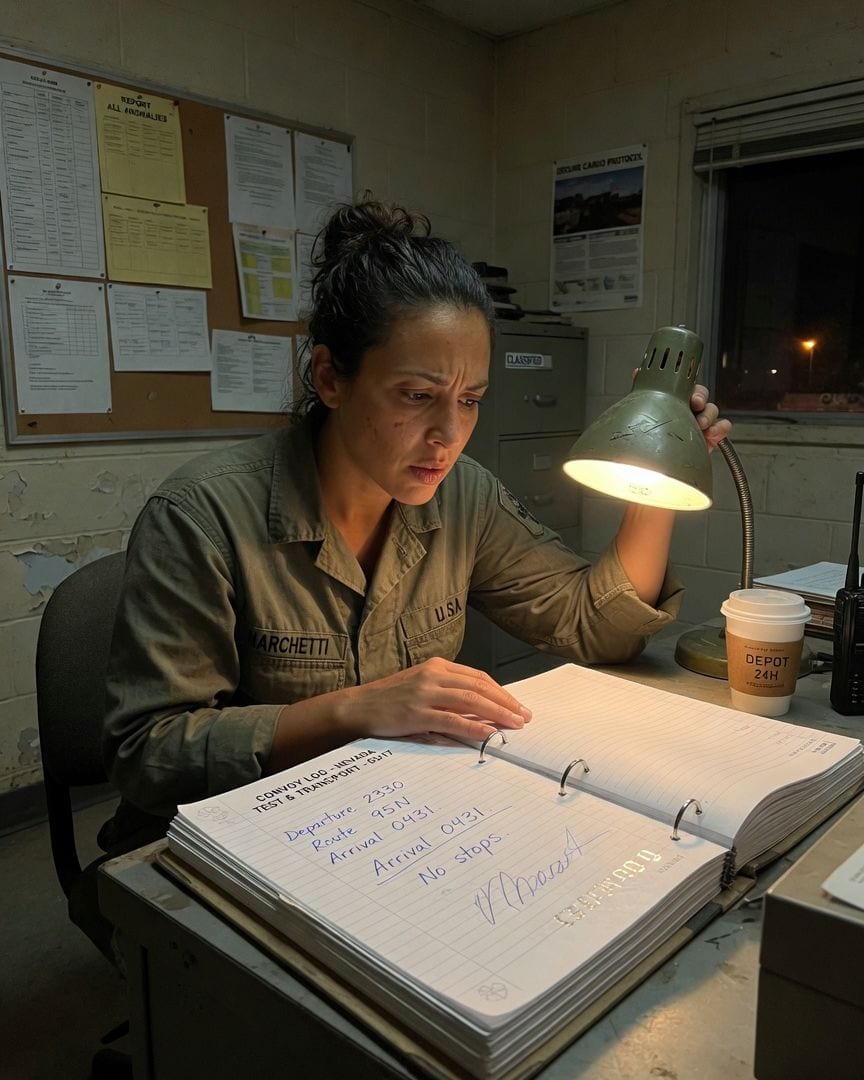 Declassified
Specialist Cleo Marchetti followed the lead truck through the desolate Nevada desert, transporting an unidentified craft. Her only job was to keep the taillights of Senior Specialist Felix Hartley’s rig in sight. But at the halfway point, they simply vanished, leaving Cleo alone in the oppressive dark for four silent minutes. When the lights reappeared impossibly closer, Cleo knew something was terribly wrong. Yet, the official convoy log, bearing her own signature, recorded a perfect, uneventful journey with no stops. How could an entire four minutes disappear from the official record she herself confirmed?
11 min read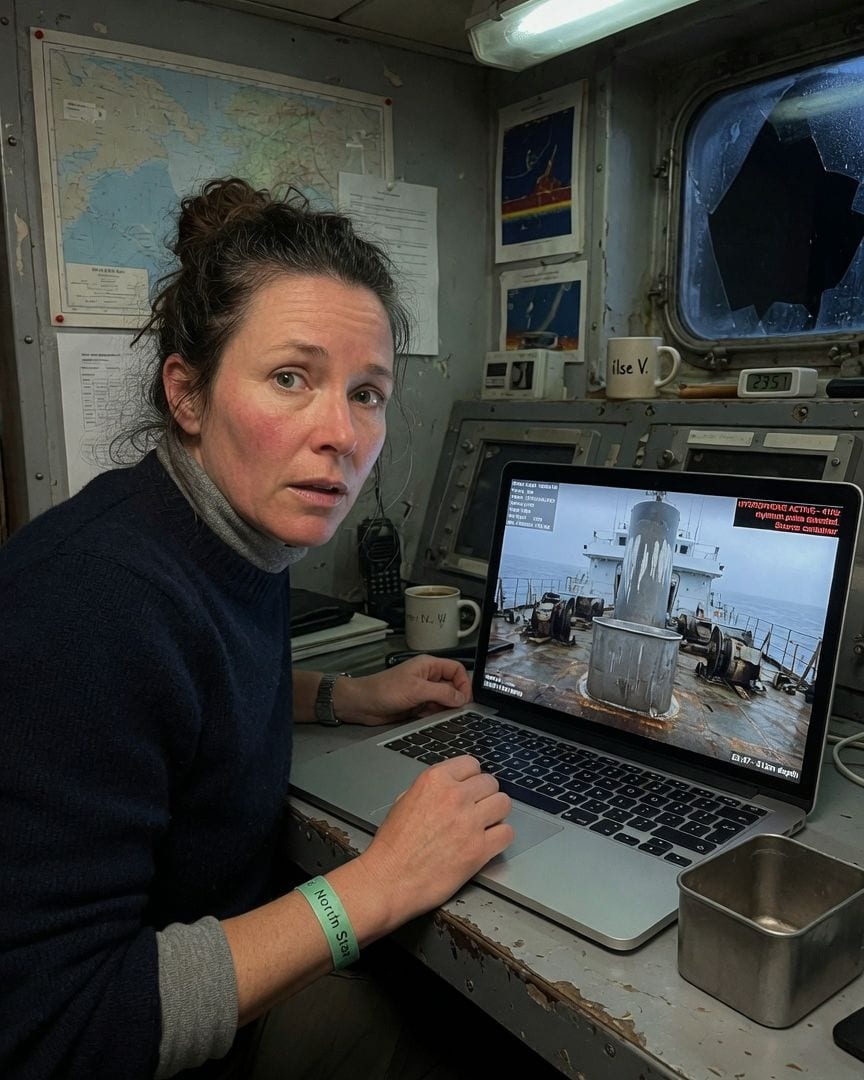 Declassified
Marine archaeologist Dr. Ilse Varren had four days left to find the *Cadmus Hale* before the Bering Sea ice ended all operations. Her uncle Joseph was among the 311 men lost with the transport ship in 1944, and this was her last chance to locate it. When her AUV finally found the wreck, perfectly preserved on the abyssal plain, Dr. Varren was stunned. Yet, a modern, unmarked container sat on the ship's main deck, utterly devoid of marine growth and humming a faint, rhythmic pulse from the deep.
12 min read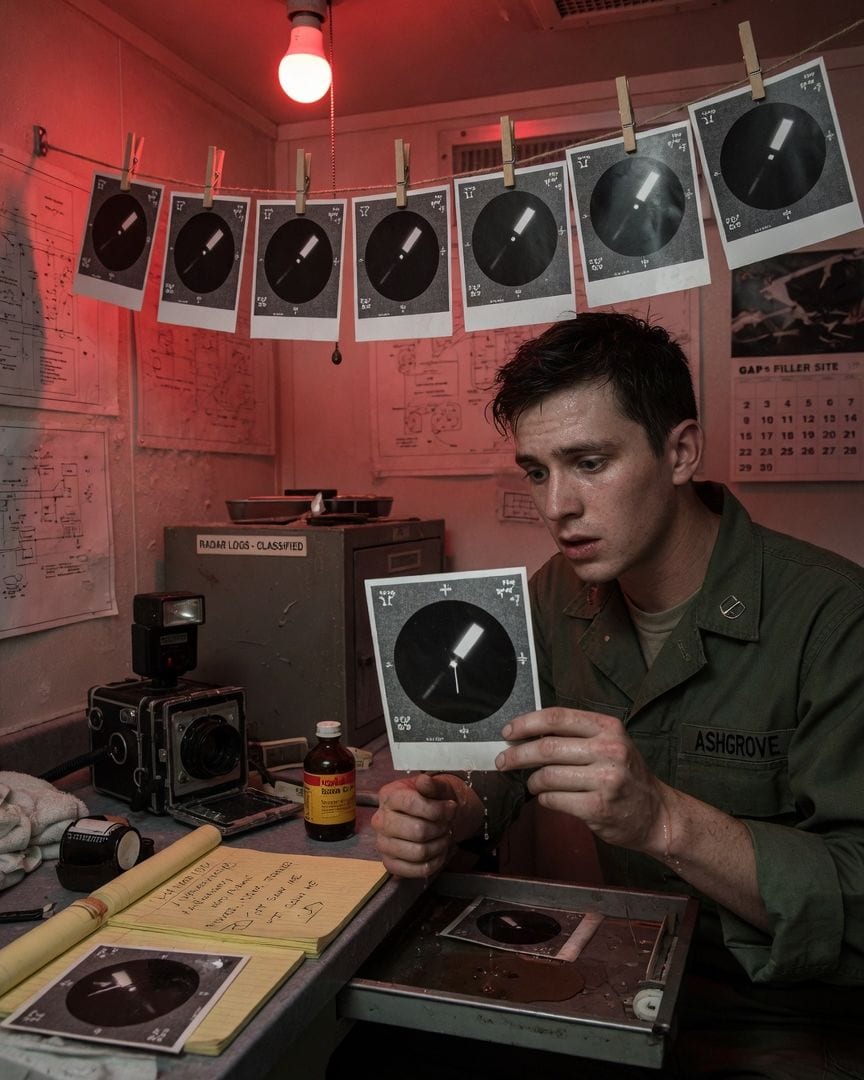 Declassified
Airman First Class Tobin Ashgrove knew his radar scope, the constant drone of the dish, the ground clutter that smeared the screen like ink. For two years at the Montana gap-filler site, he'd memorized its lies and truths. But one day, the familiar clutter vanished, leaving a single, hard-edged return: a stationary, hangar-sized blip at eleven miles on the empty prairie. He photographed it for nine hours, until it moved two miles closer, its hard edges angled precisely toward his camera lens, an undeniable, deliberate turn. What impossible thing had just seen him and responded from the desolate plains?
13 min read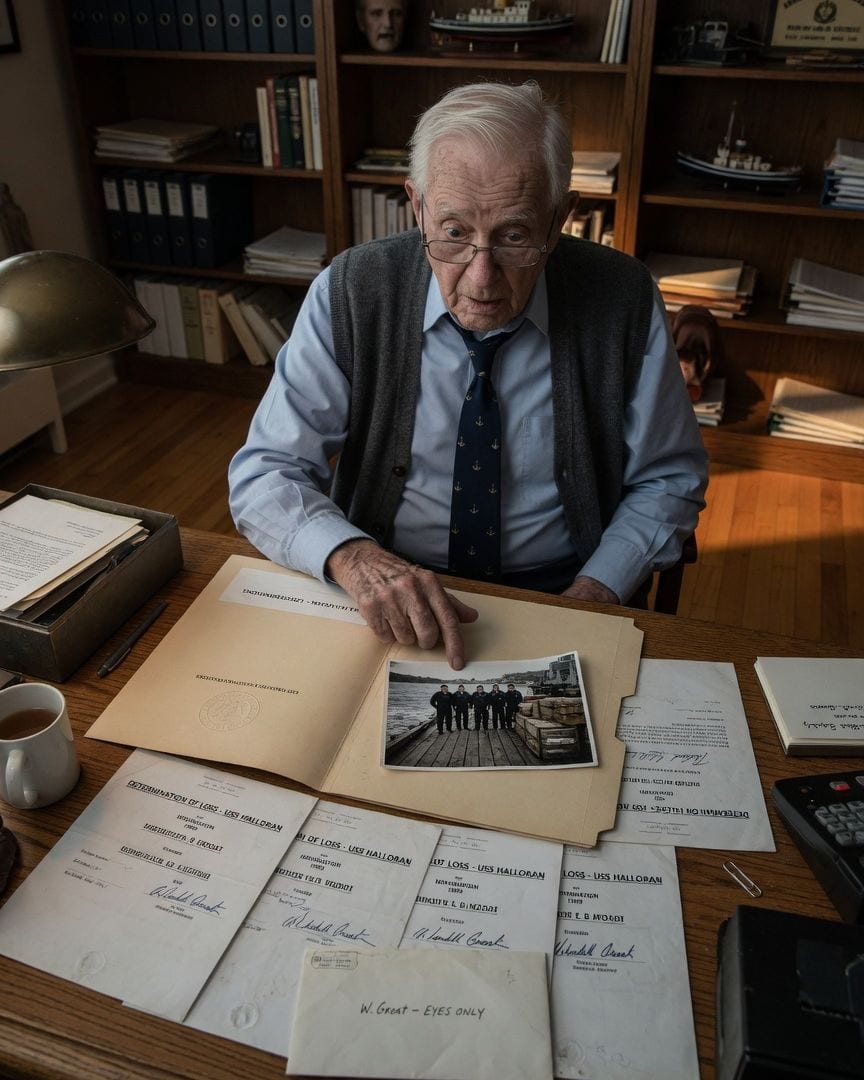 Declassified
A ninety-one-year-old Navy veteran, Wendell Groat, settles into his Annapolis study, expecting a routine review of his long career. But as he opens his service file, he finds a cold dread spreading through him. His own signature appears on four impossible loss determinations for the same vessel, the tug Halloran, spanning decades after its initial loss. Each signature, undeniably his, shows an impossible youthfulness for its given date. Groat's methodical cross-referencing only confirms the chilling truth: these official records are authentic, leaving him to confront an impossible reality hidden within his own life's work. What could explain his younger self signing off on losses that hadn't even happened yet?
9 min read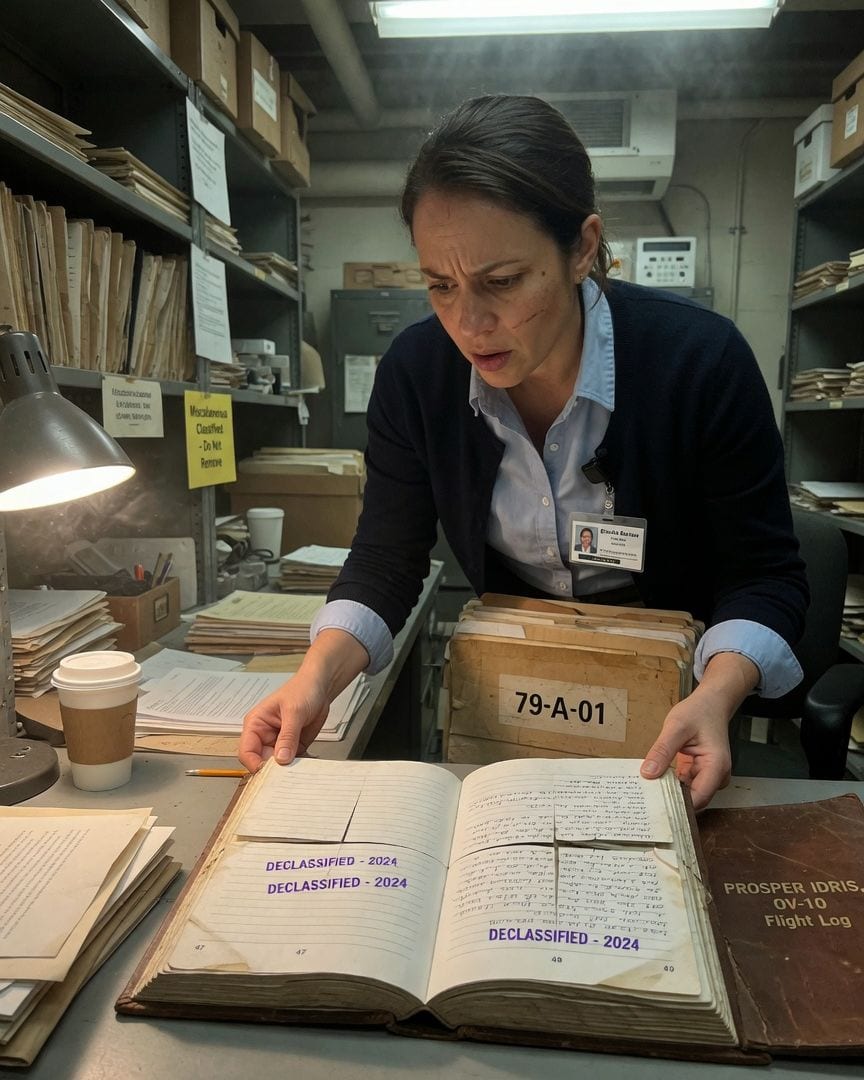 Declassified
Declassification archivist Brooke Barlow faced reassignment if she couldn't uncover something meaningful amidst the National Records Annex's frantic consolidation. As decades of forgotten files threatened to vanish, she pulled a Cold War incident report referencing a mysterious 'Box That Is Not on Any List'. Tucked away in a sub-basement, she found a heavy wooden crate, its stenciled number linking back to the report. Inside, an official flight log belonging to Warrant Officer Prosper Idris felt strangely warm in her hands, despite the cool room. What happened to the pages surgically cut from its middle, officially stamped ‘DECLASSIFIED’?
10 min read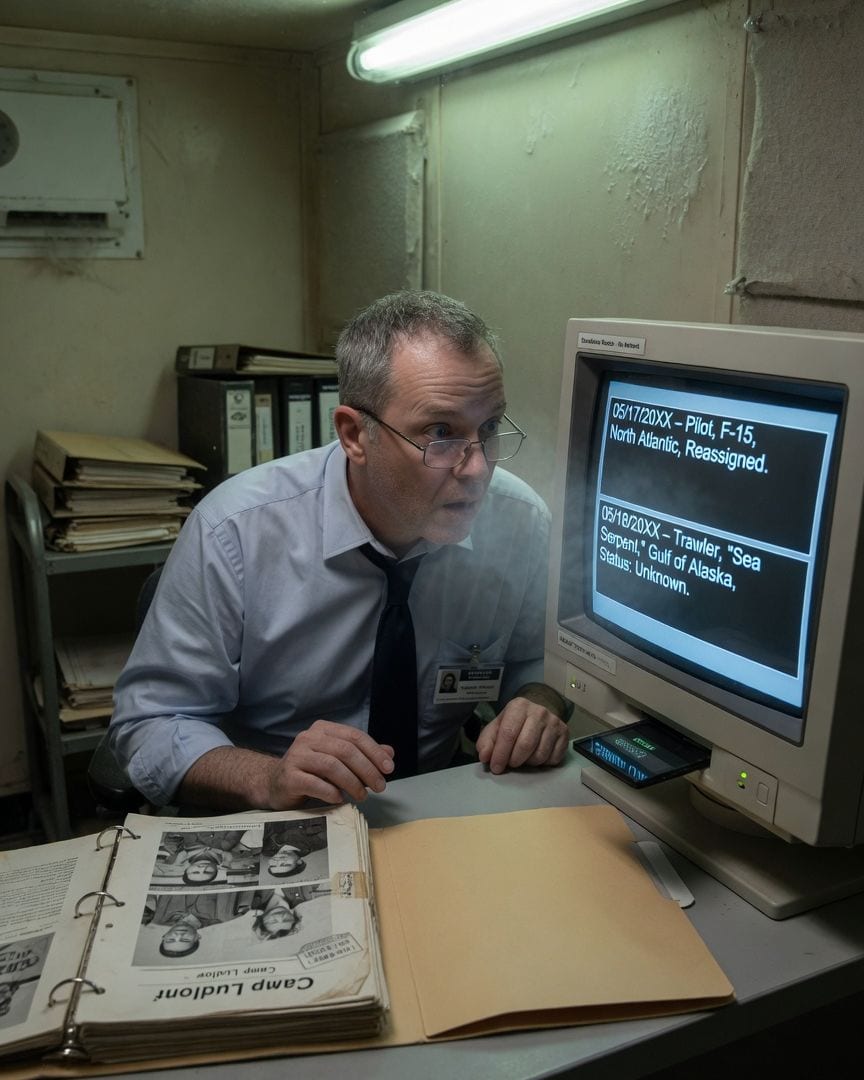 Declassified
Declassification reviewer Samuel Vance, whose world was built on the rigid order of official history, smoothed a letter confirming Camp Ludlow’s 1959 closure was a lie. Despite decades of records, the Air Force insisted the Greenland base remained active, its last radio check logged just four days prior. Driven by this profound wrongness, Samuel unearthed the base's ancient physical file, only to find a pristine, modern data chip hidden within its brittle pages. When he inserted it into a secure reader, the screen didn't show history, but a scrolling list of current missing persons—a pilot from yesterday, a trawler from today. How could an archived file hold a living record of the world’s most recent disappearances?
9 min read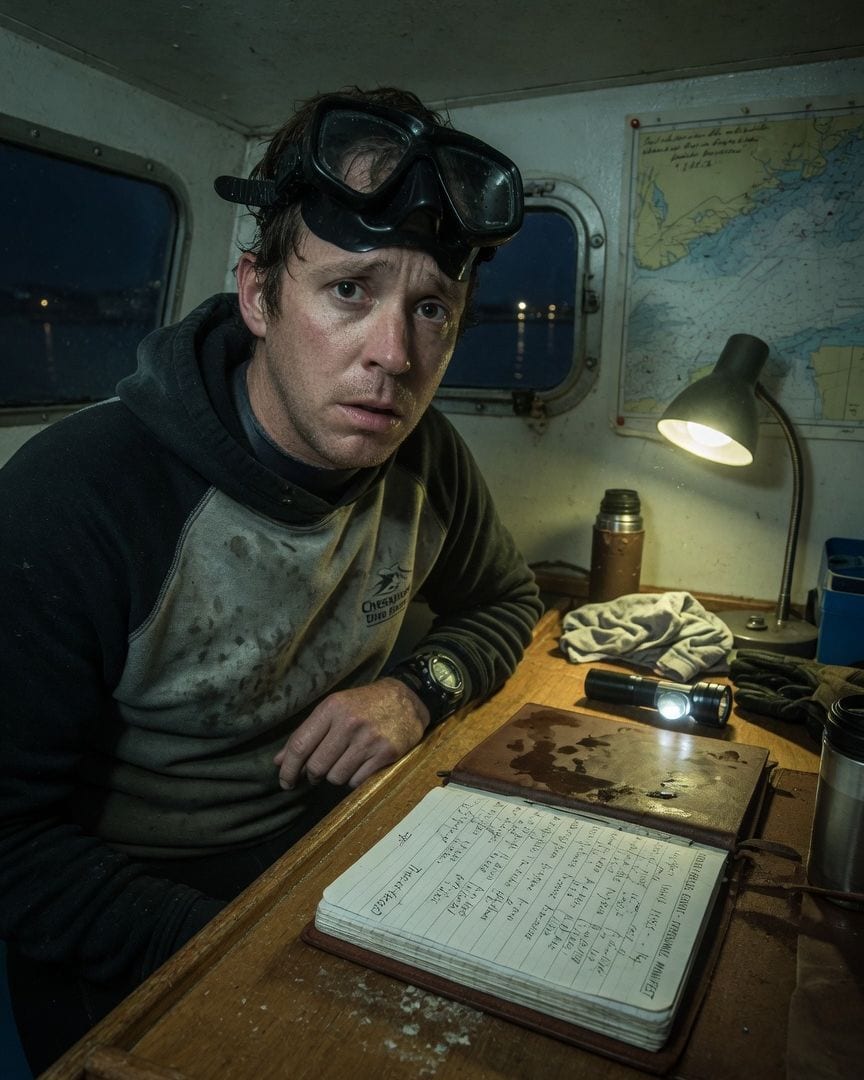 Declassified
Corey Nascimbene embarked on his last dive of the season, a personal quest to the sunken tug Harrow Belle, the ship his mother watched vanish decades ago. Descending into the cold Chesapeake gloom, he discovered a galley perfectly preserved, save for an impossibly folded, stark white napkin lying pristine on the muddy deck. Driven by unease, Corey later found a hidden, welded compartment in the engine room, containing a heavy, sealed logbook. Its personnel manifest listed the entire crew, not as lost, but with a single, unsettling word: 'Transferred.'
10 min read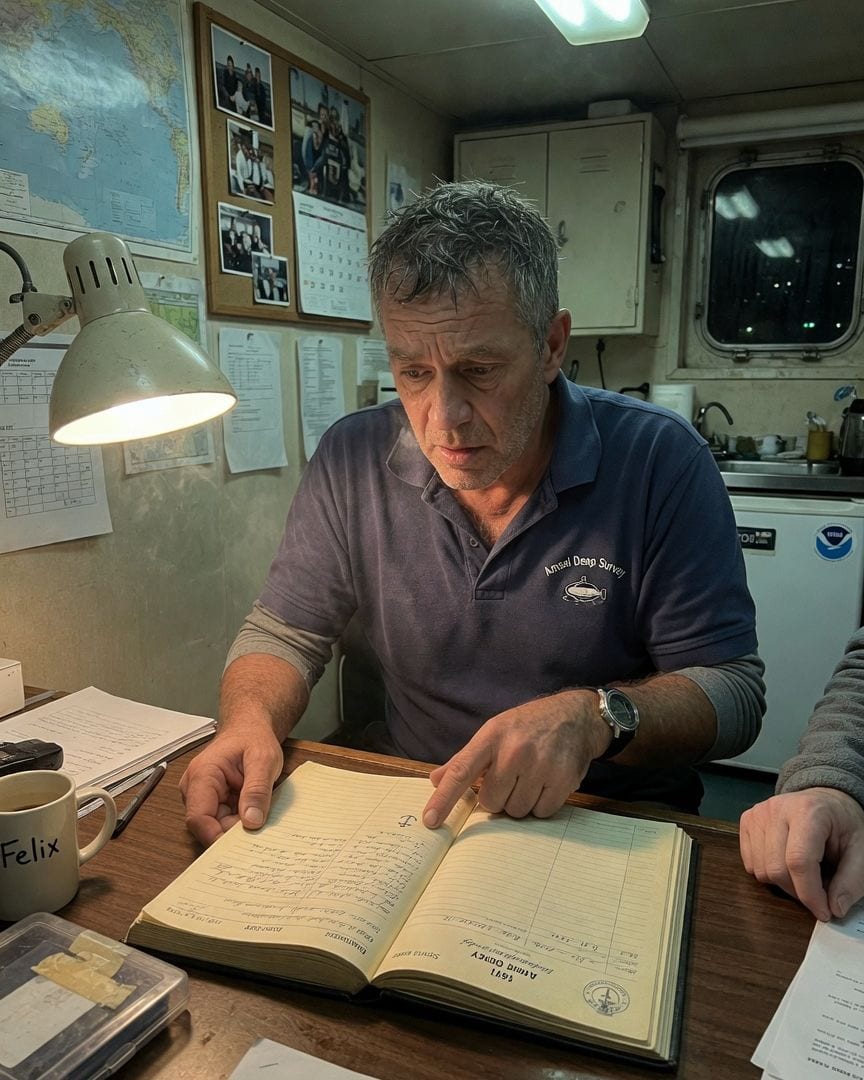 Declassified
Deep-sea surveyor Hugo Amsel embarked on his final major dive, anticipating a quiet retirement after decades exploring the crushing pressures of the deep. His submersible's lights cut through the murky green, revealing the *Wynn Portal*, a sealer vanished in 1991, eerily preserved with unnervingly clear windows, free of any marine growth. Then, the inexplicable: the wreck's rudder angle indicator, softly lit, twitched two degrees further to starboard. Later, inside the wheelhouse, Hugo found the ship's official logbook, its final entry dated three days *after* the vessel's recorded disappearance, hundreds of miles north. How could a ship vanish, only to log a journey days later, from a place it never reached?
11 min read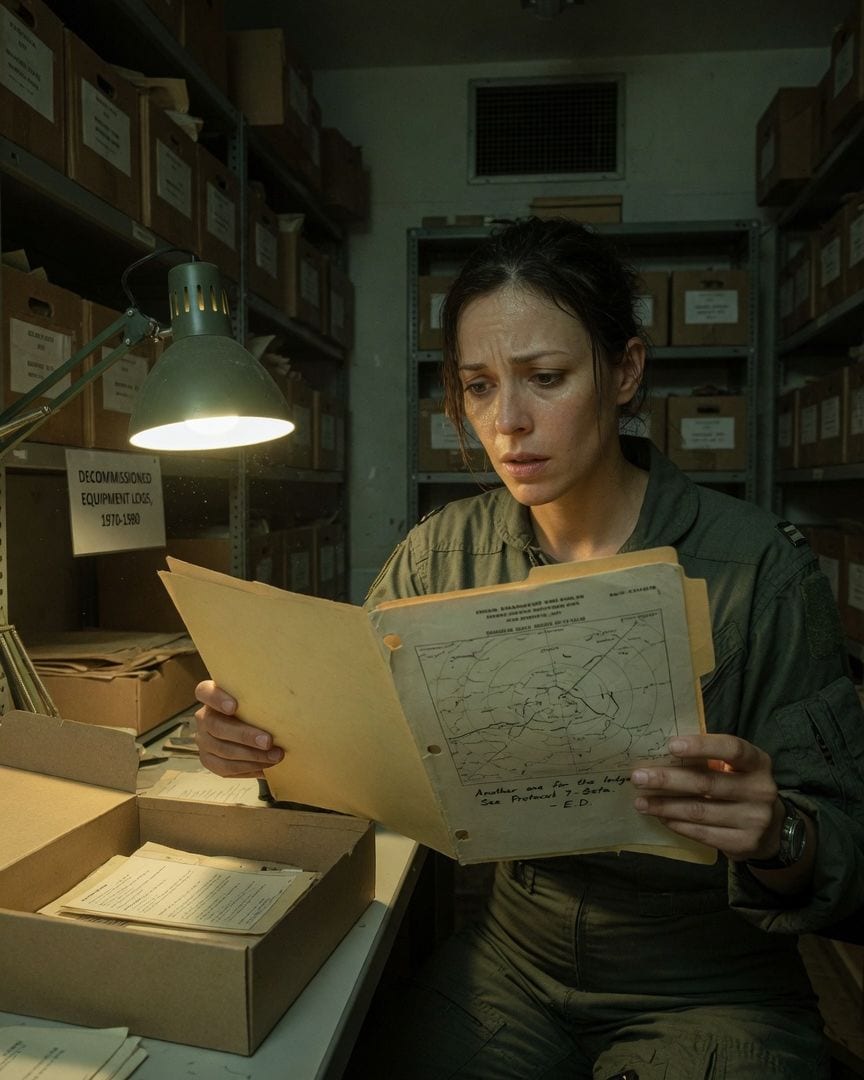 Declassified
Captain Ines Bardolph, a 34-year-old radar operator in Bavaria, lived by the precise hum of her console. One quiet night, an impossible contact appeared over the Danube, then vanished from her scope just as a pilot swore it filled his windscreen. Replays showed the object had crossed the Alps in a single blink, defying all known physics. When bureaucracy sought to bury the incident, Captain Bardolph sought answers, leading her to a forgotten archive where a brittle folder revealed a chilling pattern: 'Another one for the ledger.'
9 min read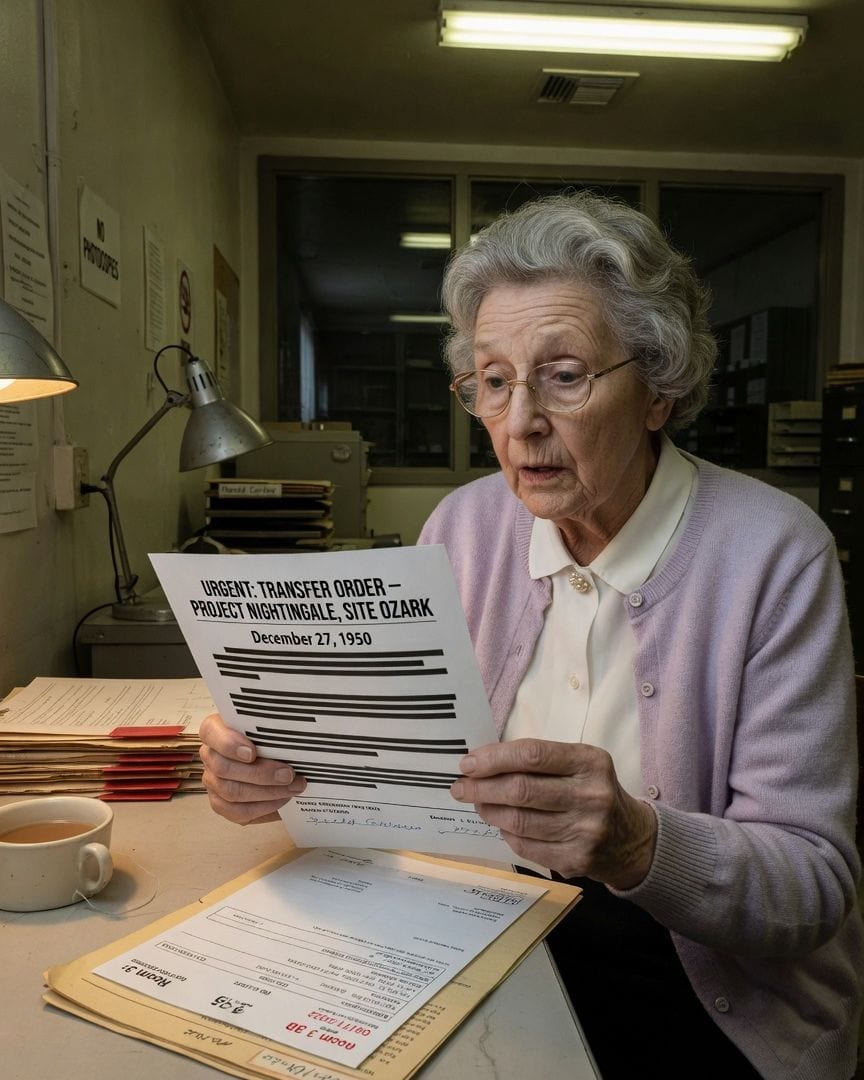 Declassified
Odette Cardew, a woman in her seventies, spent her days sifting through her father's old Army papers, a quiet ritual honoring a man she knew only as a ghost. Harold Cardew had been declared dead in the brutal Chosin cold of 1950, when she was just two years old. But among the yellowed documents, a crisp, modern medical bill for his current care arrived, detailing his room number and dietary needs at an Ozarks facility, dated her own birthday in 2022. When Army records confirmed his death decades ago, Odette then found an impossible transfer order, dated two weeks after he was officially gone, linking him to a mysterious 'Project Nightingale.' How could a man officially dead still be receiving care and be subject to a secret transfer?
12 min read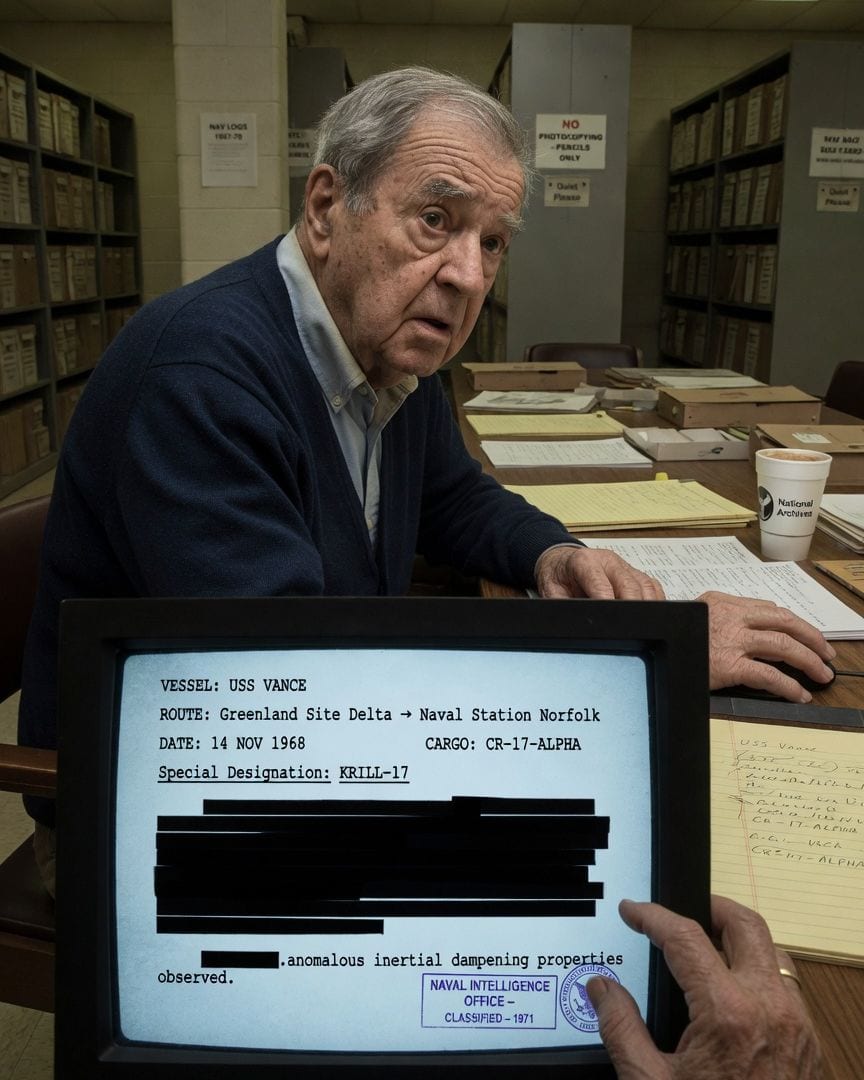 Declassified
Staff Sergeant Ivo Krall, 22, gripped the rail of the USS Vance, facing his last assignment before separation. The North Atlantic raged in 1968, tossing their 10,000-ton Cold War transport vessel like a toy. His mission was simple: watch a dark, unlabeled container that must not be turned. As the storm bucked the ship violently, Krall watched, soaked to the bone, as the massive crate remained perfectly level, defying the ship's every lurch. Fifty-six years later, still haunted by the impossible sight, Krall, now 78, found a declassified log confirming the container's "anomalous inertial dampening properties." What impossible truth had Naval Intelligence hidden for decades?
15 min read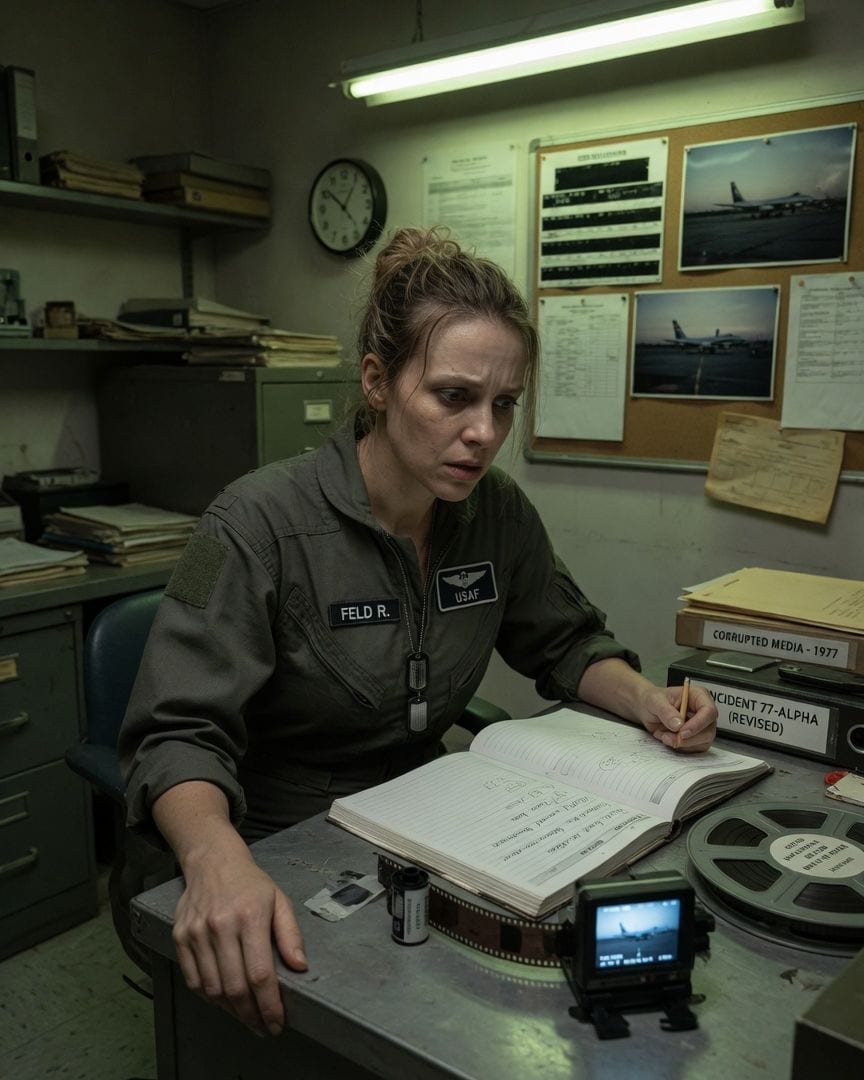 Declassified
Captain Rosamund Feld sat in a sterile debriefing room, her flight log open, battling the fatigue in her eyes. She insisted her jet had returned to base ahead of her, silent, orbiting an empty tower. But Major Ingram claimed sensor malfunction and presented a 'revised' radar tape, erasing the incident. Determined to prove what she saw, Feld unearthed her gun camera footage from old records. The grainy film revealed a dark, non-metallic craft, rotating impossibly, then pulsing a strange geometric symbol directly at her lens.
12 min read