 US Armed Forces
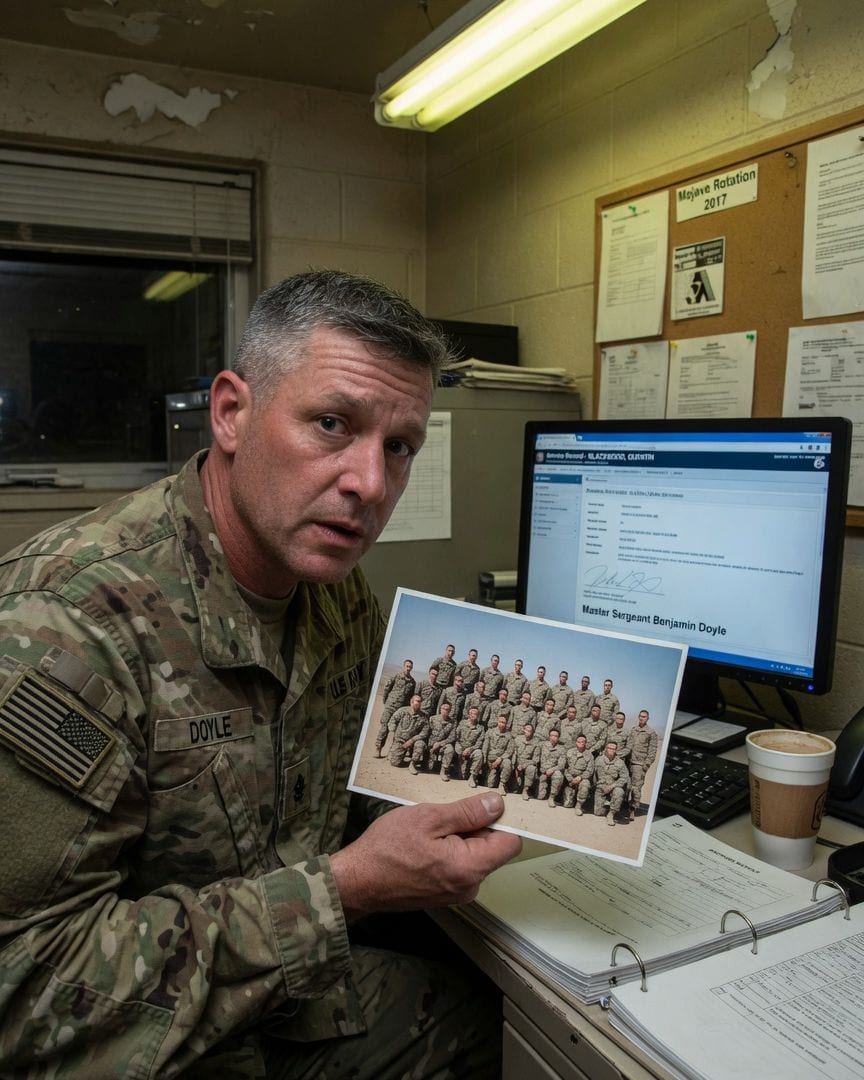
Master Sergeant Benjamin Doyle, a man whose life was built on precise manifests and head counts, maintained a quiet daily ritual: glancing at his Mojave rotation platoon photo. One morning, the familiar thirty-one faces stared back with an impossible addition: an extra man, grinning between Suggs and Ramos, a face he and his colleagues recognized but couldn't place. His search through official digital rosters yielded nothing, yet old physical logs, signed in his own hand, confirmed the phantom soldier’s presence on a dangerous patrol he couldn't recall. The ultimate blow came with a valor citation for this same soldier, bearing Master Sergeant Doyle’s own digital signature for an award he knew he never certified.
13 min read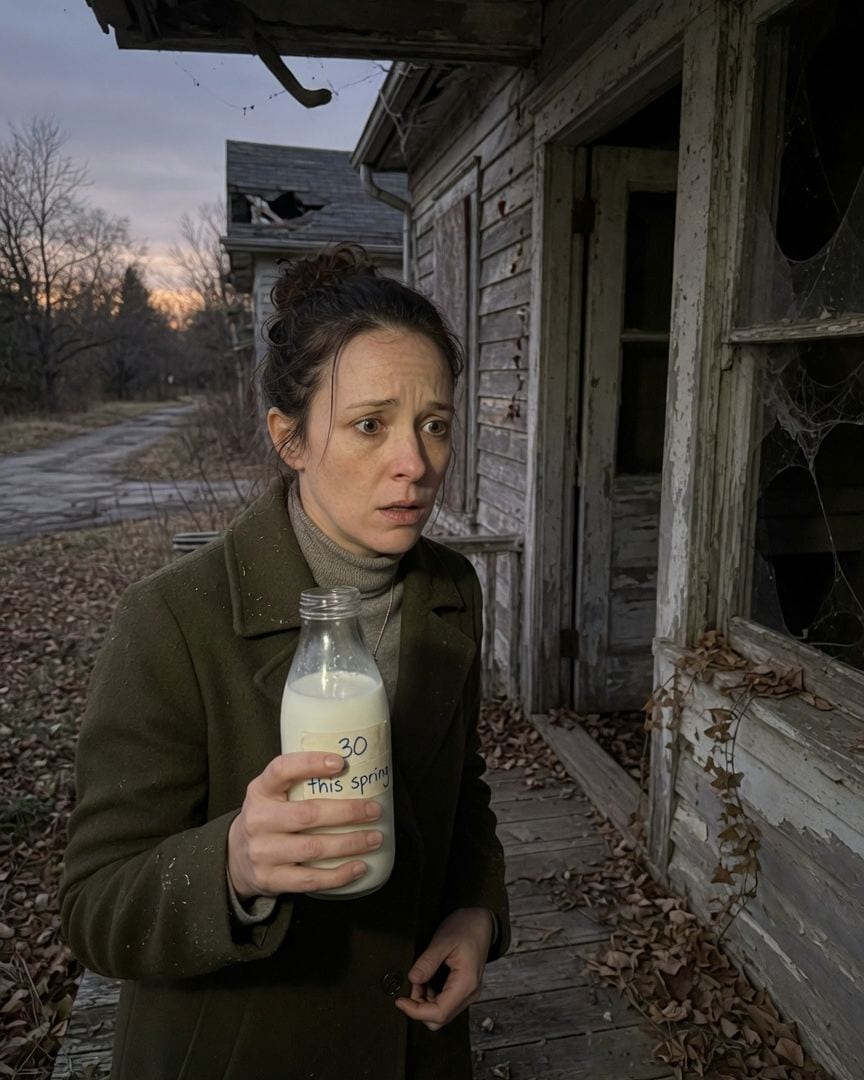 The File They Kept
Sifting through my grandfather Howard's old things, I found his milk ledger. One account for a house long abandoned on Foldyard Lane showed a strange pattern of recurring 'stopped taking milk, gone' entries, ending with 'unpaid' this spring. Driving out to the decades-old ruin, I found a pristine, sealed milk bottle, dated 'this spring,' on its crumbling porch.
14 min read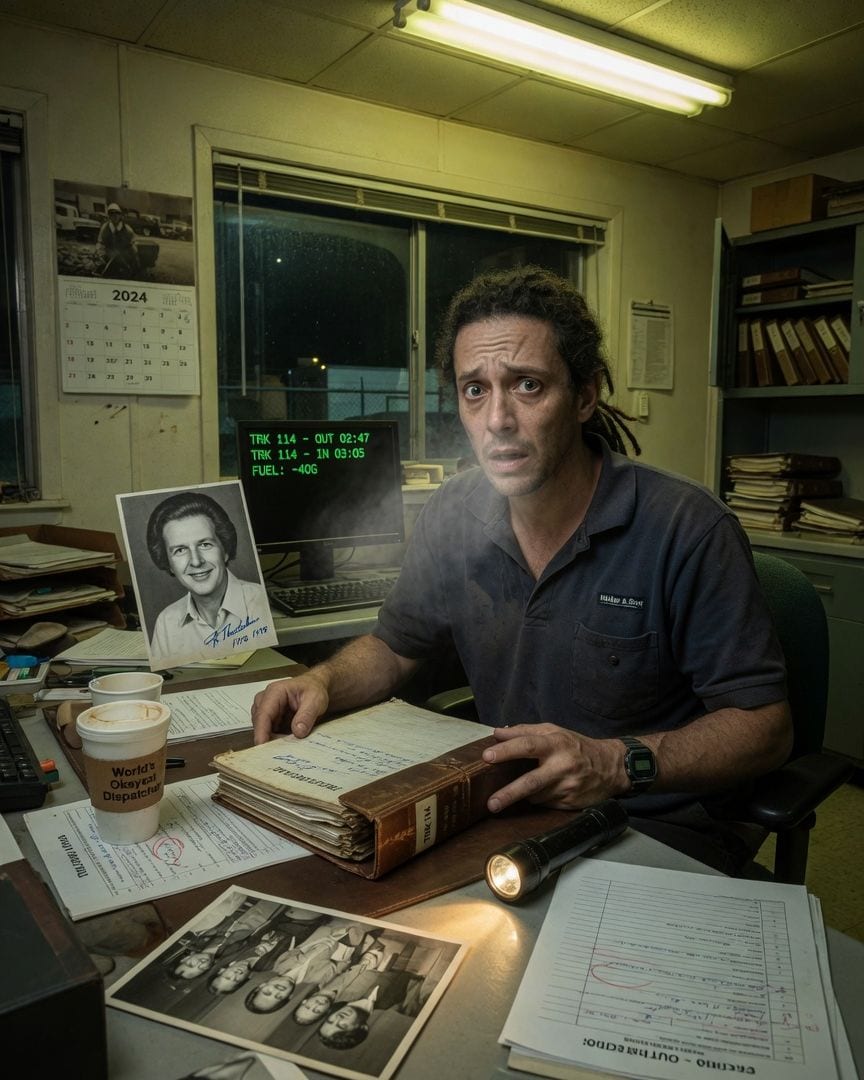 The Night Shift
My shift in the freight yard dispatch office was quiet, just routine monitoring. But then the CAD system logged Truck 114 moving out for a forty-mile run. That truck was impossible; it had no wheels and was on blocks in maintenance all week.
12 min read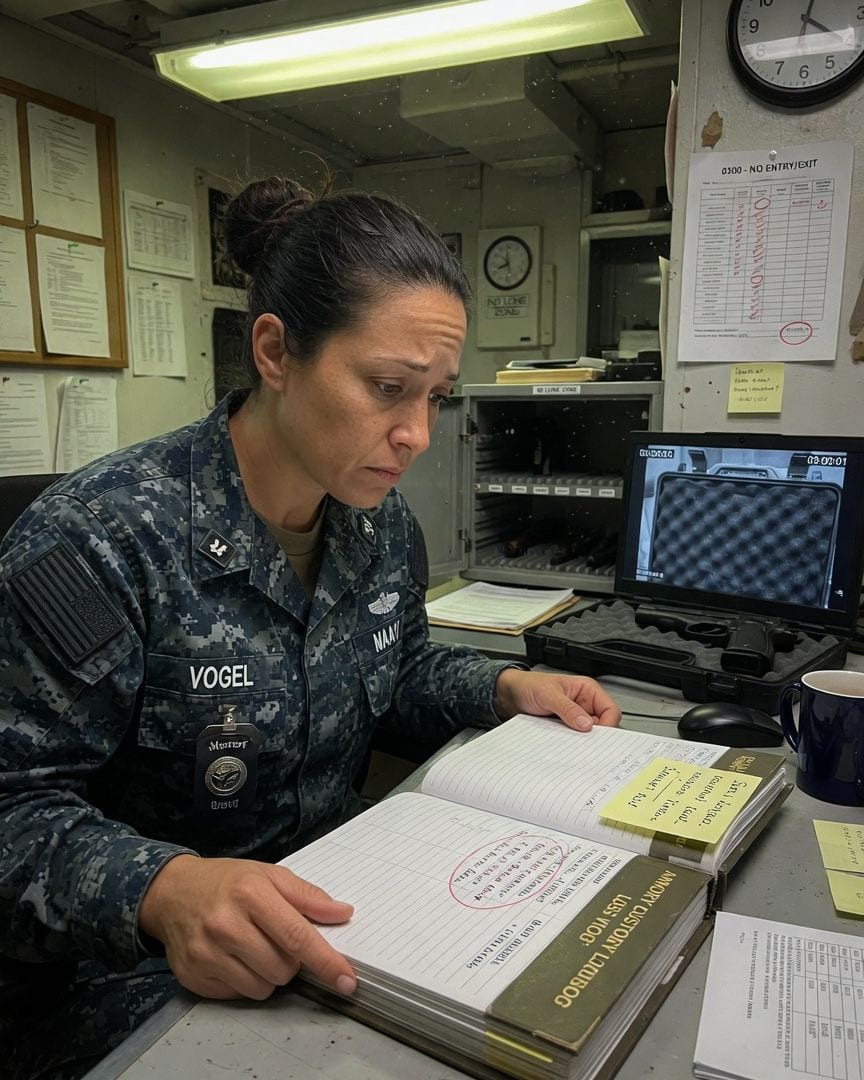 US Armed Forces
Master-at-Arms First Class Dana Vogel stared at the USS Vance armory log, a testament to her years of perfect service. An entry for 0300 during a recent strait transit listed her name, signing out a standard M9 pistol. Yet, Vogel knew she was thousands of miles away on emergency leave, her sister in the ICU. The armory camera’s timestamp for 0300 showed the weapon case secured in its rack, distinctly opening and closing, with no person visible. How could her signature be in a log for an event she couldn't have performed, witnessed only by an empty room?
12 min read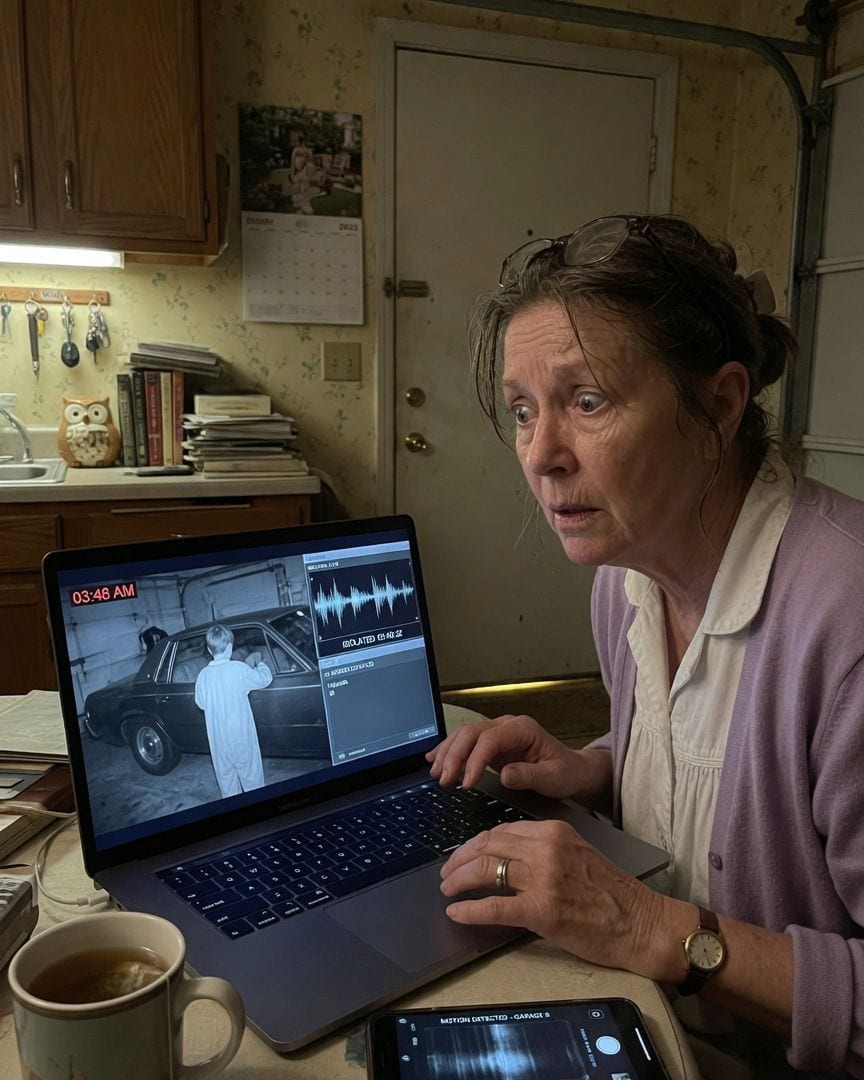 The Recording That Shouldn't Exist
I live in a quiet, solid house, my children grown and gone. But one night, my garage camera caught an impossible sight: my internal door, locked and bolted, slowly opened. A small, solid boy, no older than six, stepped through, then stood staring into the driver's seat of my empty car.
14 min read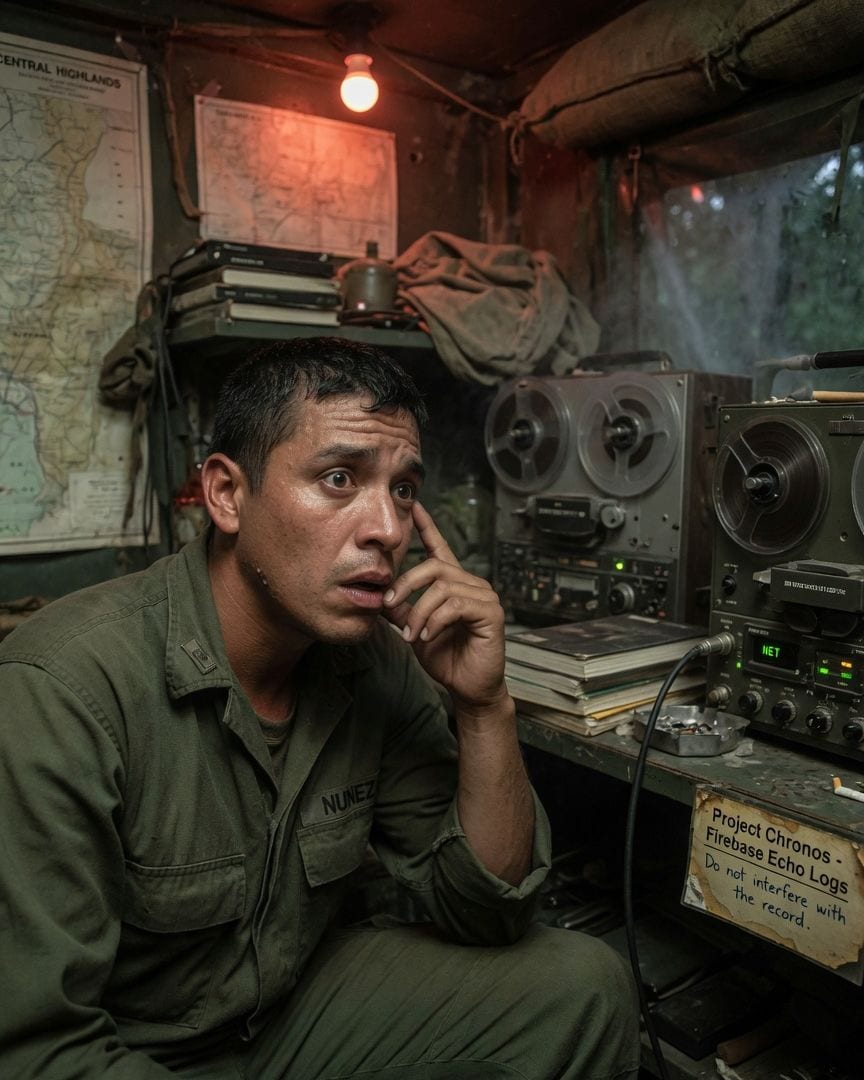 US Armed Forces
Specialist Arthur Nunez sat alone in the RTO shack, preparing his routine 0400 SITREP amidst the humid Central Highlands night. The familiar hum of equipment was his only company, a constant drone against the isolation. Just as his thumb hovered over the transmit switch, ready to report "Perimeter quiet, all positions manned," his own voice crackled over the company net, delivering those exact words with uncanny precision. A sickening lurch twisted in his gut; he hadn't spoken a word, yet his report was already delivered by himself. Desperate for an explanation, he soon uncovered an ancient, jury-rigged reel-to-reel recorder, humming faintly. A faded label on the machine bore a stark instruction: 'Do not interfere with the record'.
11 min read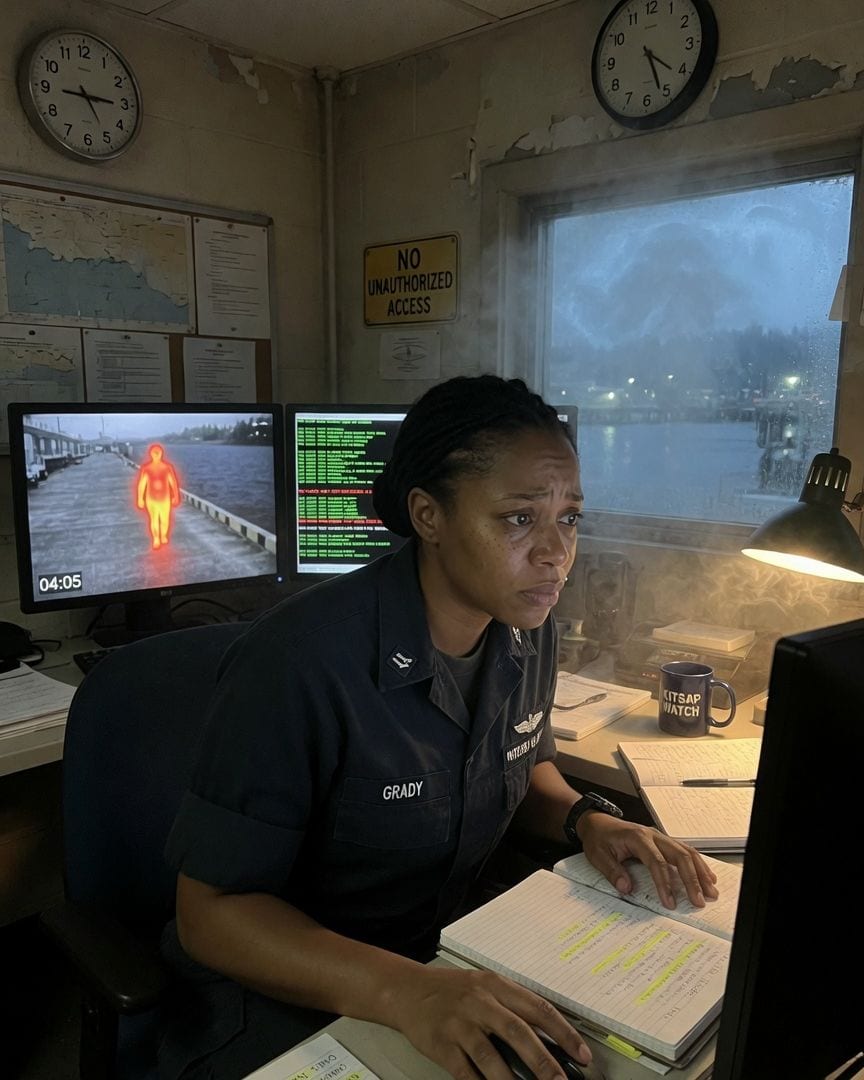 US Armed Forces
Petty Officer Olivia Grady stood her predawn watch on Pier 7, the cold mist of Puget Sound a familiar companion. Her routine scan of monitors at 0405 was shattered when an IR sensor flared with a man-sized heat bloom moving along the pier. Yet the camera feed showed only empty concrete and swirling mist. When historical logs confirmed the invisible presence had walked that exact path every night for years, Olivia dug deeper. She found a ghost "access log" entry with a unique ID but no name attached, meticulously aligned with the 0405 bloom. What impossible entity was the base system logging, night after night?
11 min read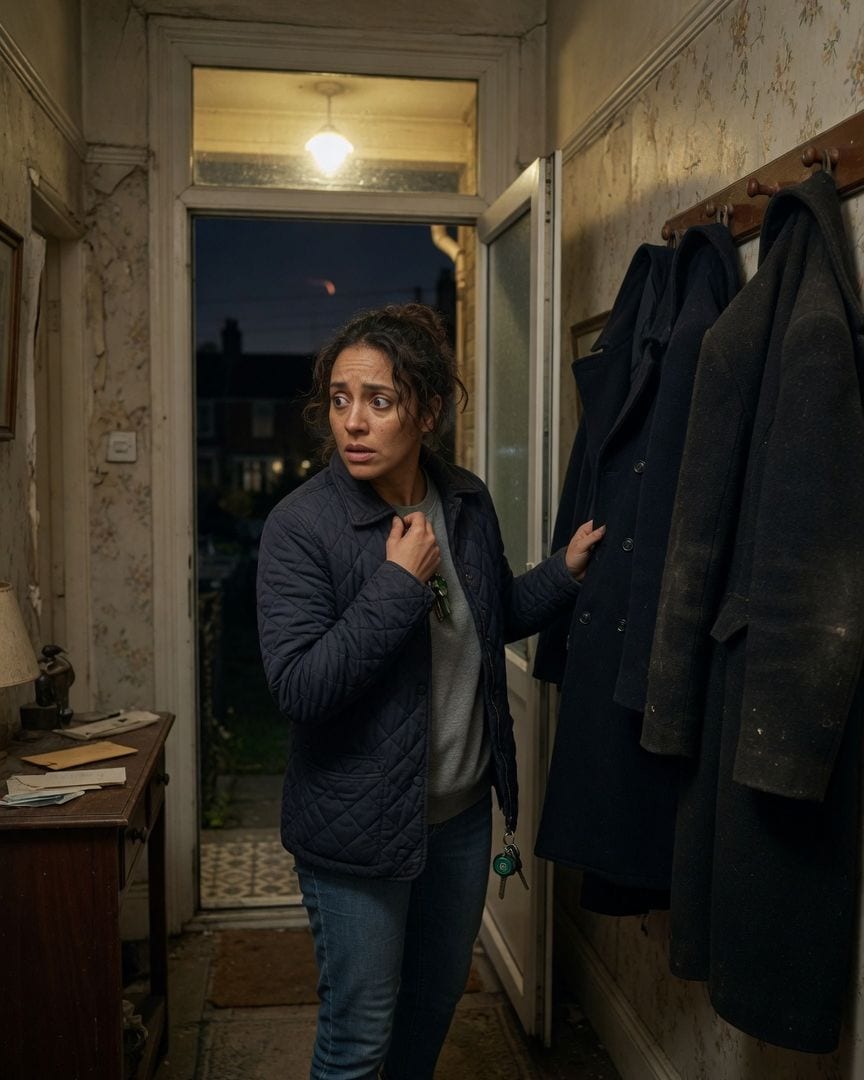 The House Remembers
After a late night watching the lunar eclipse, I returned to my Victorian house, only to find the path and front door inexplicably changed. Though the house seemed to revert to normal, strange things started appearing: a kettle warm from boiling, a distinct impression on my armchair. Then, an antique, lavender-scented handkerchief appeared on my bedside table, an undeniable presence in my private space.
13 min read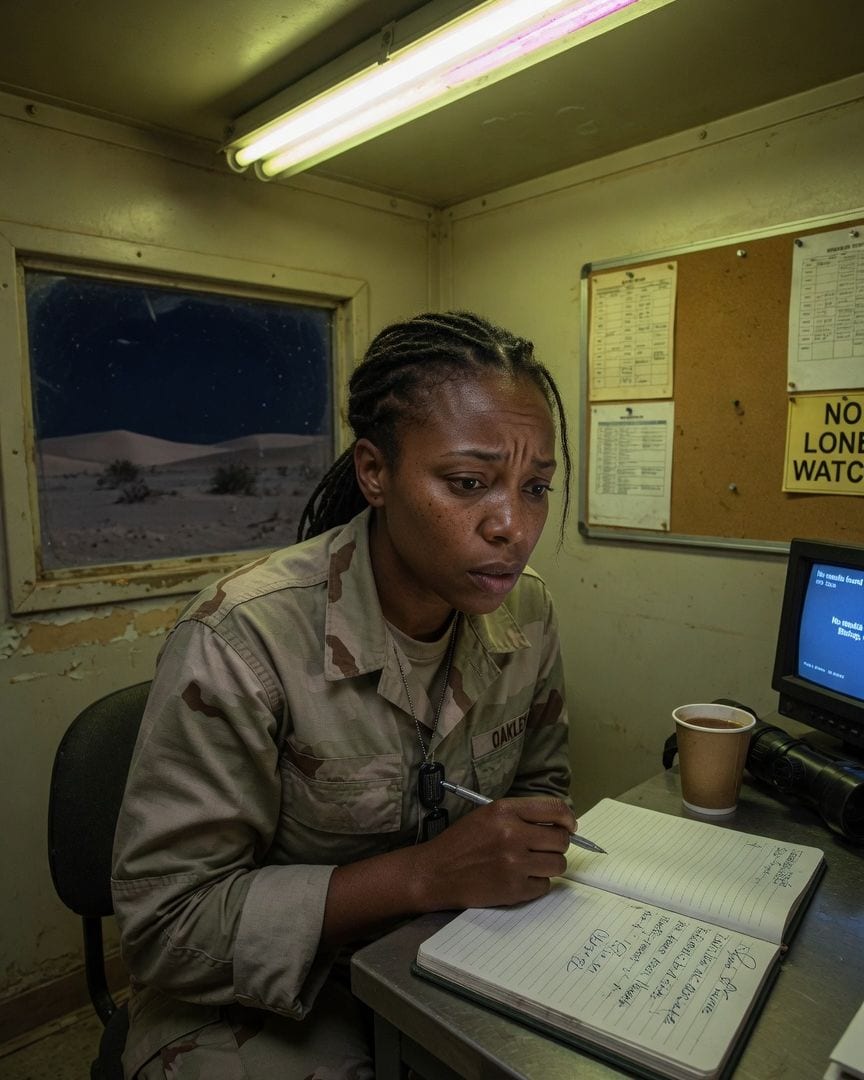 US Armed Forces
Corporal Sylvia Oakley had just two nights left on her remote Yuma desert deployment, scanning the vast, empty landscape with her thermal scope under a cool, biting wind. Every night, precisely at 0247, a human-shaped figure shimmered across the wash, invisible to her night-vision but clear in the heat display, leaving no tracks. Back in the guard shack, reviewing her meticulous patrol logbook, a chilling detail caught her eye. An entry from three nights prior, signed in her own undeniable hand, claimed 'Pvt. K. Bishop' was her battle buddy—yet Corporal Oakley knew she’d stood that watch completely alone. With no digital record or comms log showing any such soldier, she faced a disturbing question: who had written him into her reality?
9 min read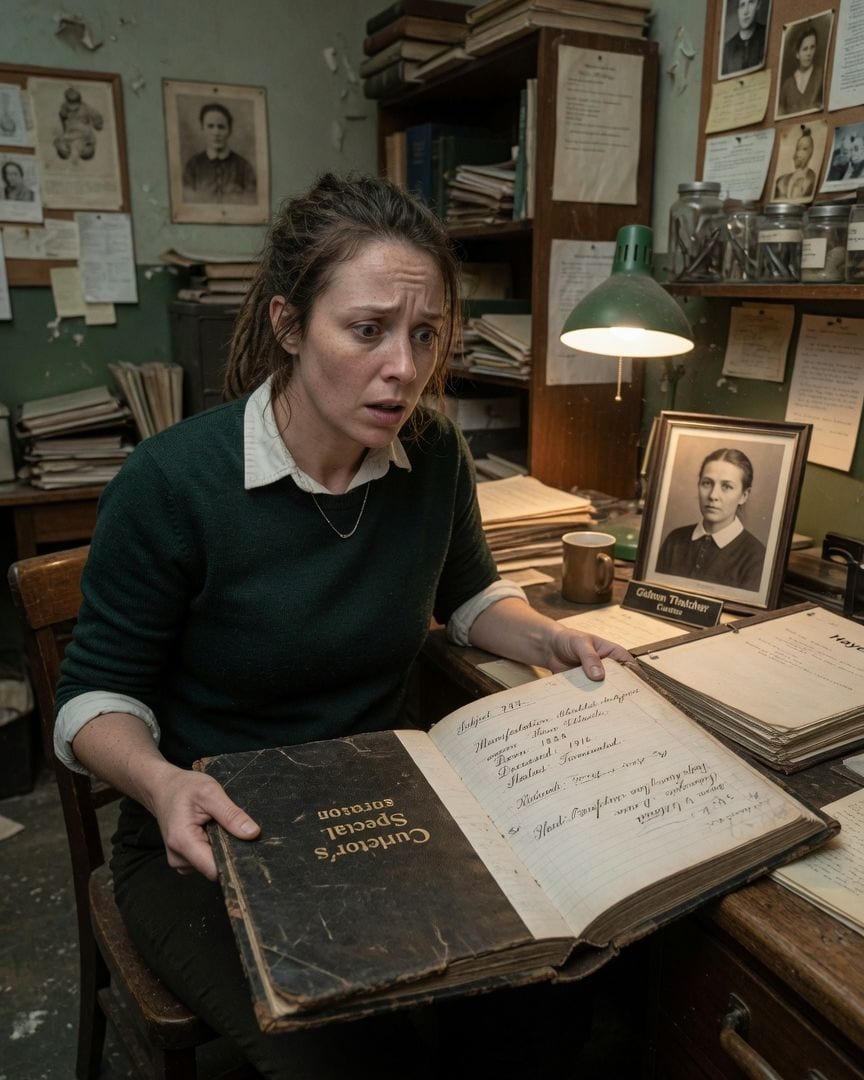 The Body That Doesn't Fit
The hushed, cool air of the Museum of Medical History always gave me a strange reverence, until I stopped. Inside a display case, among other plaster death masks, was one labeled 'Theresa Whitfield, 1888.' It was undeniably my face, exact in every detail, down to the faint bump on my nose.
13 min read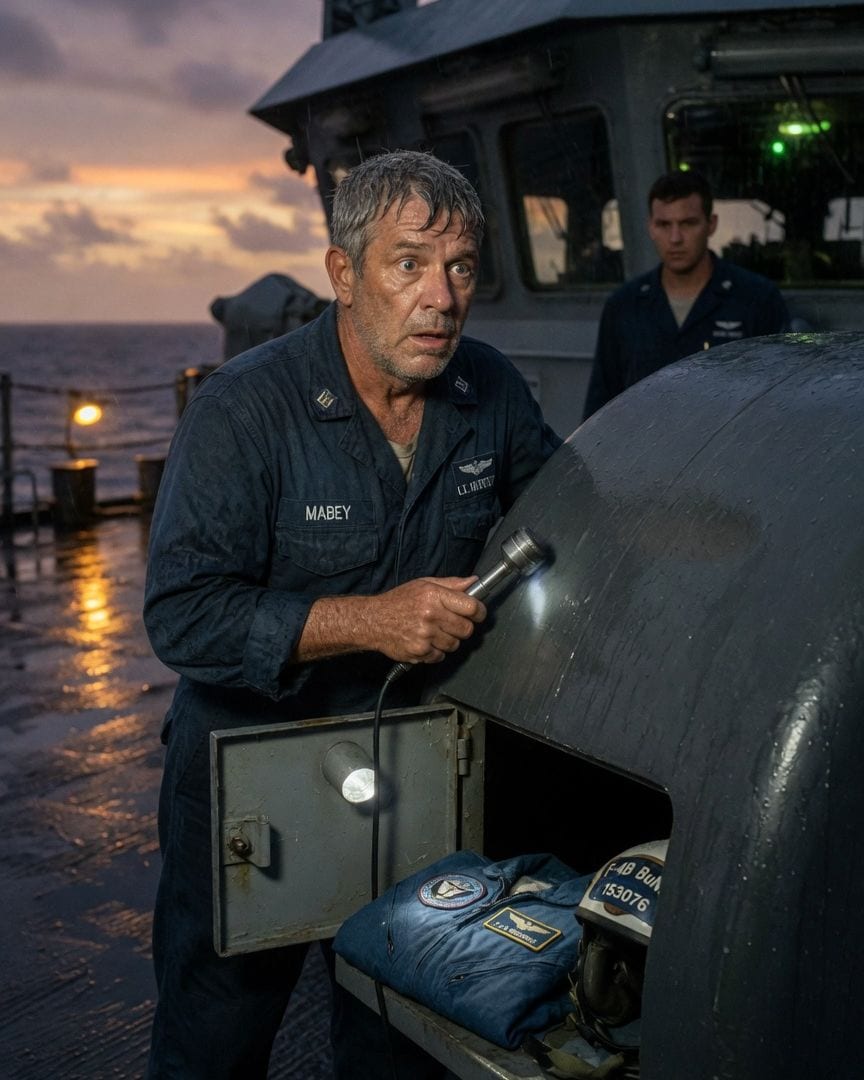 Declassified
In 1972, Chief Petty Officer Walter Mabey supervised a recovery mission aboard the USS Vance, straining against rain and unease as the crane began to haul up what sonar promised was a lost F-4 fighter jet. But the crane's gauge screamed past sixty tons, a massive weight for a jet, and the dark shape that broke the surface was no mangled aircraft. Instead, a seamless, charcoal-gray mass sat on the deck, cool and featureless, devoid of any wings, cockpit, or even a single rivet. As Mabey investigated its impossibly smooth surface, a hidden hatch opened to reveal a pristine Navy flight suit inside, bearing the name and tail number of the very pilot they were meant to be recovering.
14 min read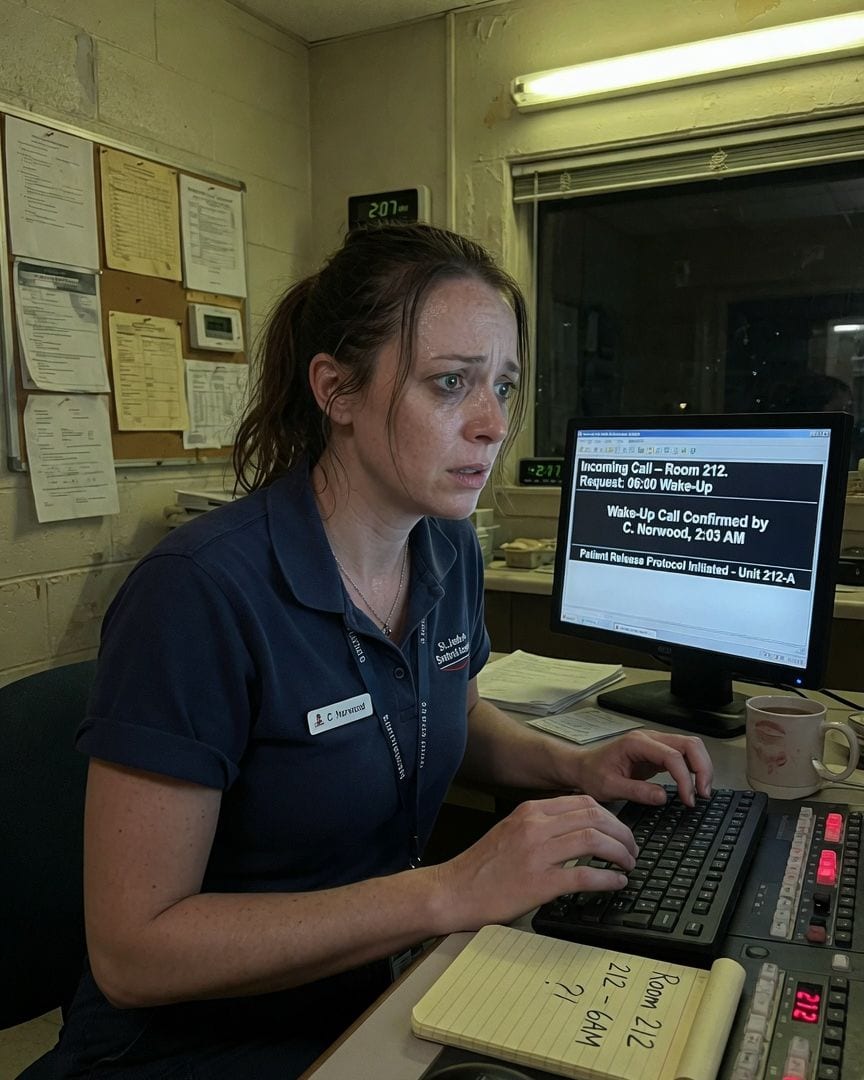 The Night Shift
Working the quiet night shift switchboard at St. Jude's, I took a routine wake-up call from Room 212. But the system showed Room 212 had been stripped bare and its phone line disconnected for months. Then, my own login showed I had confirmed the impossible call.
13 min read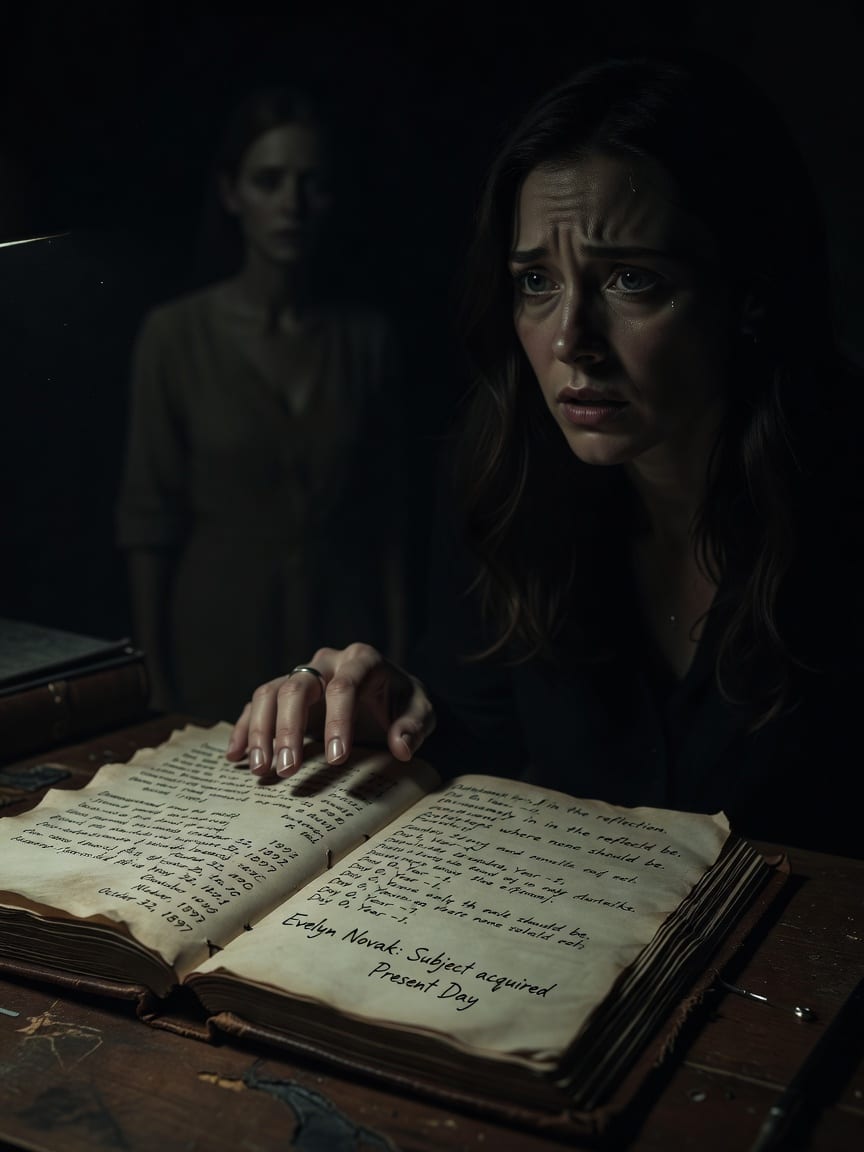 The Record Disagrees
Evelyn Novak, a police officer, finds her signature and badge number on sealed evidence logs from missing person cases. The impossible truth? These logs are dated years before she ever joined the force, her handwriting undeniably confirming receipt of items and even equipment she couldn't possibly have handled.
11 min read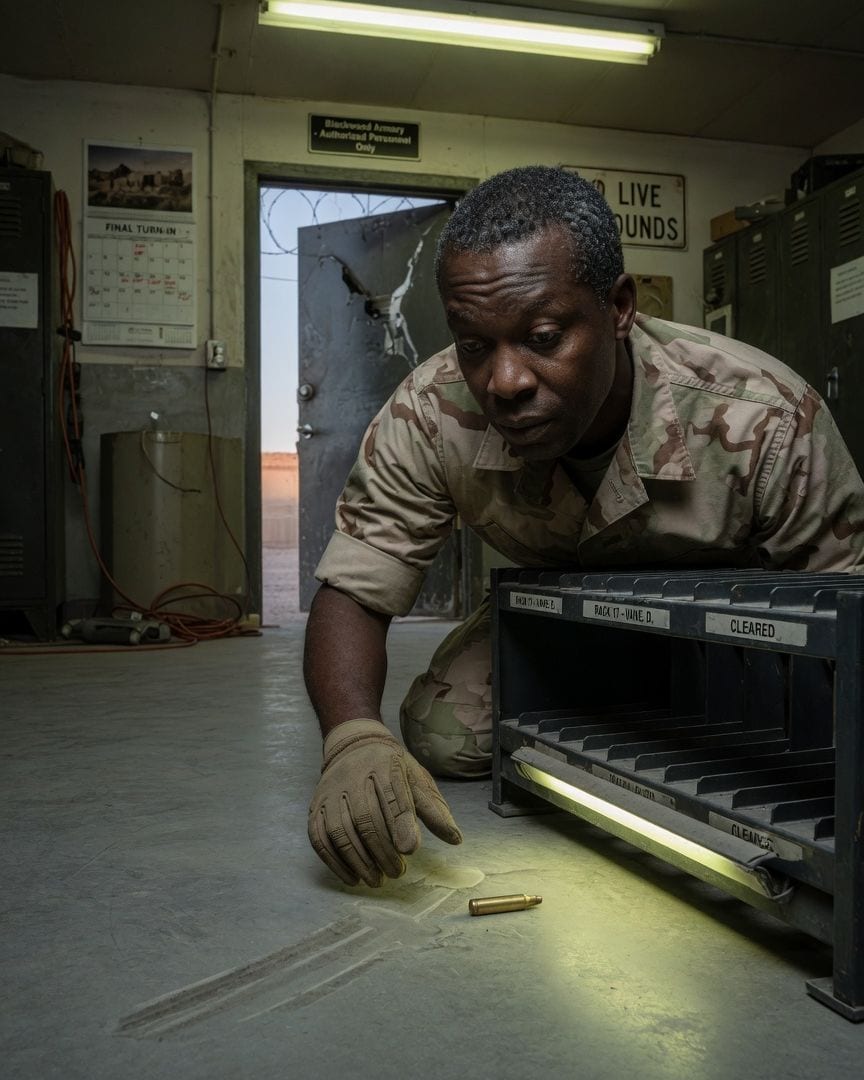 US Armed Forces
Corporal Desmond Vane, a soldier known for his rigid adherence to procedure, meticulously cleared his M4 carbine for its final turn-in at the soon-to-be-decommissioned FOB Blackwood. Defying the armorer's odd rule, he ensured his weapon was absolutely empty, double-checking every component. Yet, hours later, from the locked and supposedly empty armory, Vane heard the unmistakable metallic click of a rifle round chambering itself, over and over, through the night. The next morning, a full inspection revealed no sign of intrusion, but beneath where Vane's carbine had been racked, a single spent brass casing lay on the pristine concrete, accompanied by a faint, impossible boot print. Who or what had violated the secure armory, and how?
12 min read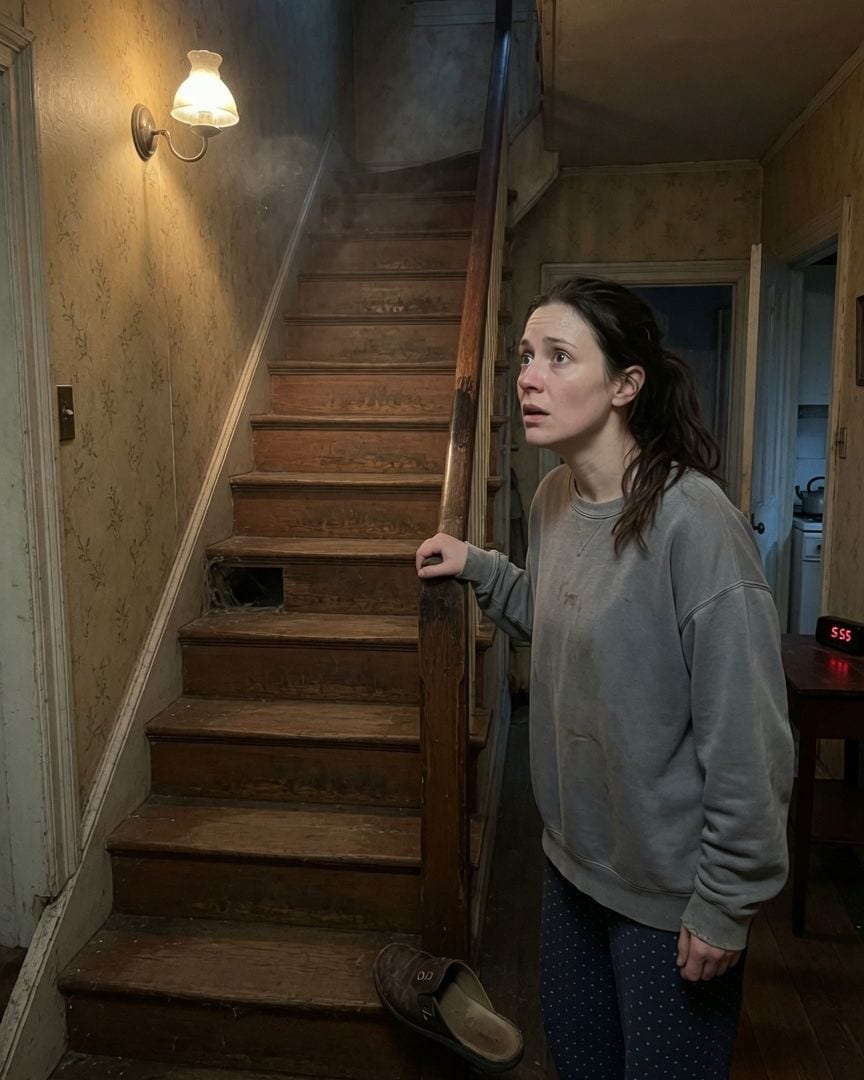 The House Remembers
Every morning at 5:55 AM, my house wakes with the sound of footsteps descending the stairs, favoring a left leg, yet no one is ever there. I tried to explain away the specific creak of the seventh step, until I found a heavily worn leather slipper hidden in the wall beside it, clearly for a left foot.
11 min read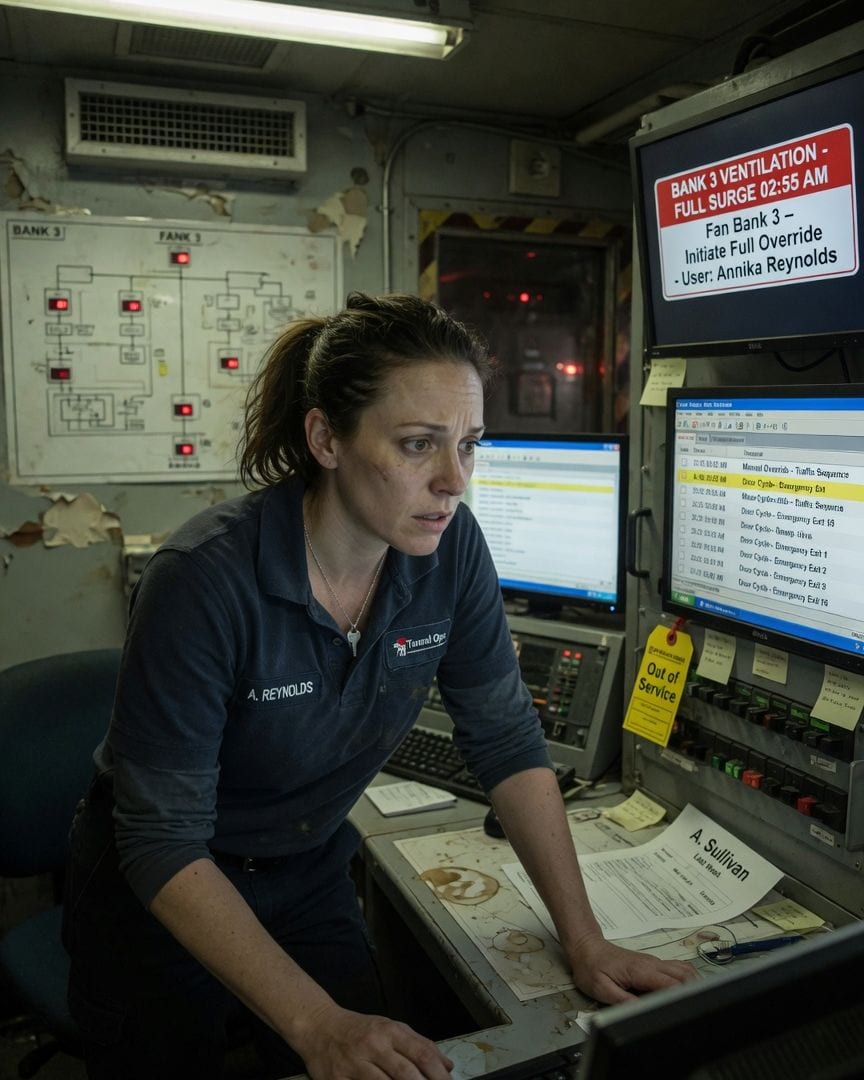 The Night Shift
Working alone in the tunnel control room, I found my user ID logged for a system override I didn't make. Digging deeper, I discovered other inexplicable commands from an unknown user, 'A. Sullivan.' The problem? No one named A. Sullivan works here, according to any official record.
9 min read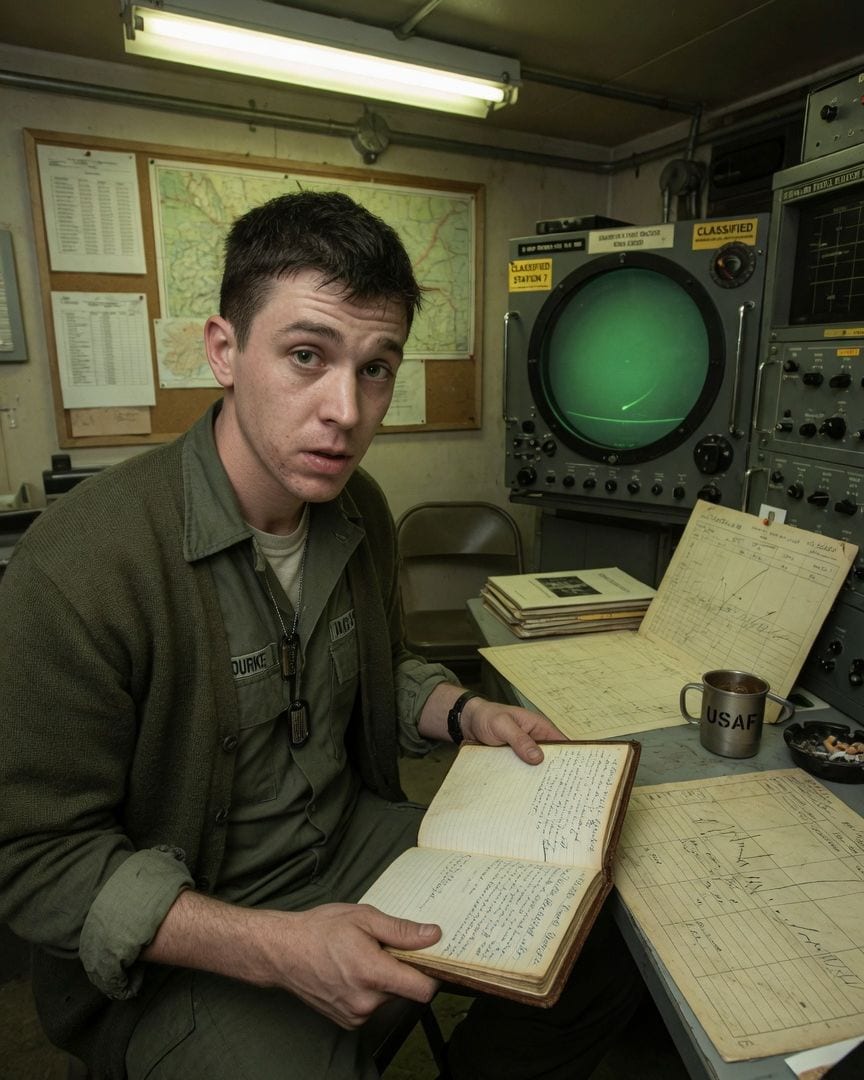 US Armed Forces
Airman Second Class Preston Rourke was nearing the end of his two-year tour at Gap-Filler Station 7, a lonely outpost in the Montana high country. Every night, his radar screen painted a phantom contact, a slow line across the valley floor always dismissed as a temperature-inversion ghost. But while clearing a storage closet, Rourke found old plotting boards from prior winters, each showing the exact same impossible trace, drawn by different hands over successive seasons. His meticulous checks found no weather anomalies to explain the persistent radar ghost. Then, he uncovered a worn, unofficial logbook detailing more radar plots. One entry from 1968, next to an identical trace, contained a date and a name: Airman Gerald Thornton.
9 min read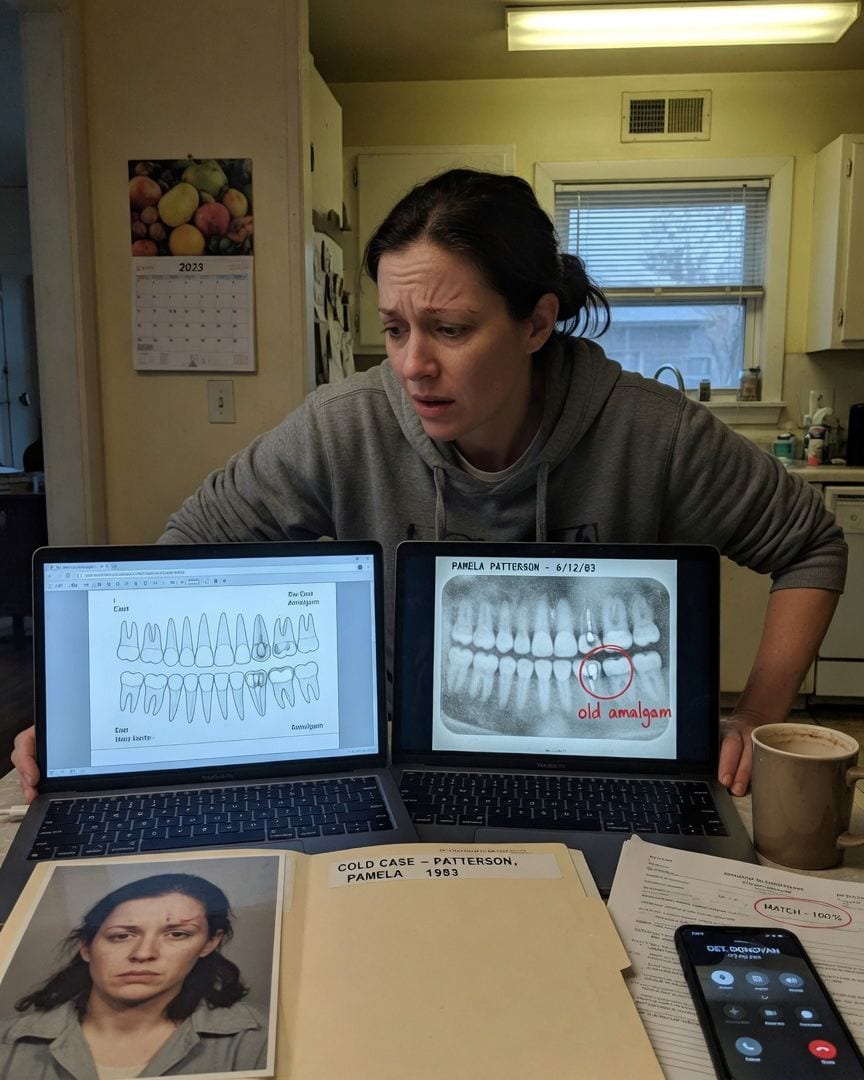 The Body That Doesn't Fit
I gave a routine cheek swab for a 1983 cold case, barely thinking about it. But then Detective Donovan called, telling me my DNA matched the victim's hair exactly. The impossible truth: I wasn't born until 1991.
13 min read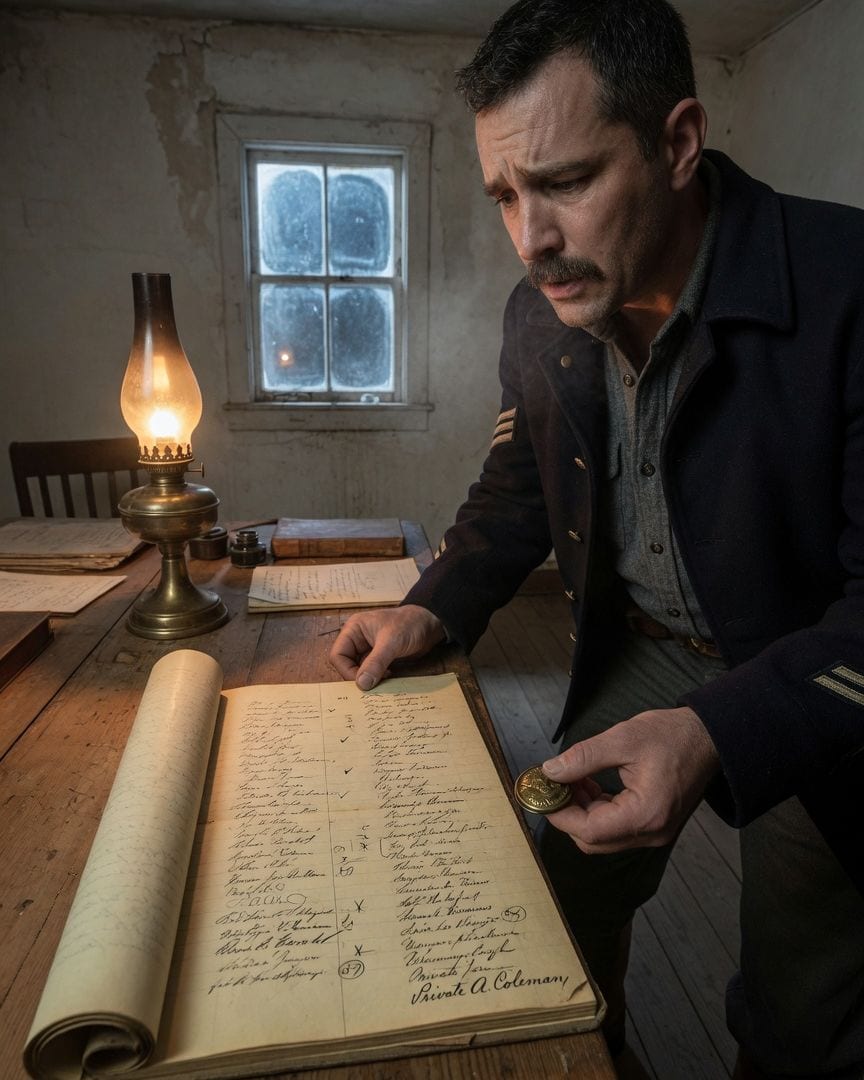 US Armed Forces
Sergeant Felix Thatcher stood in the paymaster's office at Fort Hayes, the bitter Wyoming wind rattling the panes as the last company signed their muster roll. He needed a clean closure here before his transfer, but his meticulous count of thirty-six men soon clashed with Corporal Whitlock's tally of thirty-seven signatures. The discrepancy led him to 'Private A. Coleman,' an unknown name on the roll, signed with an oddly archaic hand. Beneath where the roll lay, Thatcher discovered a tarnished brass button, inexplicably warm to the touch, and matching a uniform design from the 1850s. How could an ancient, warm relic be linked to a fresh, impossible signature?
13 min read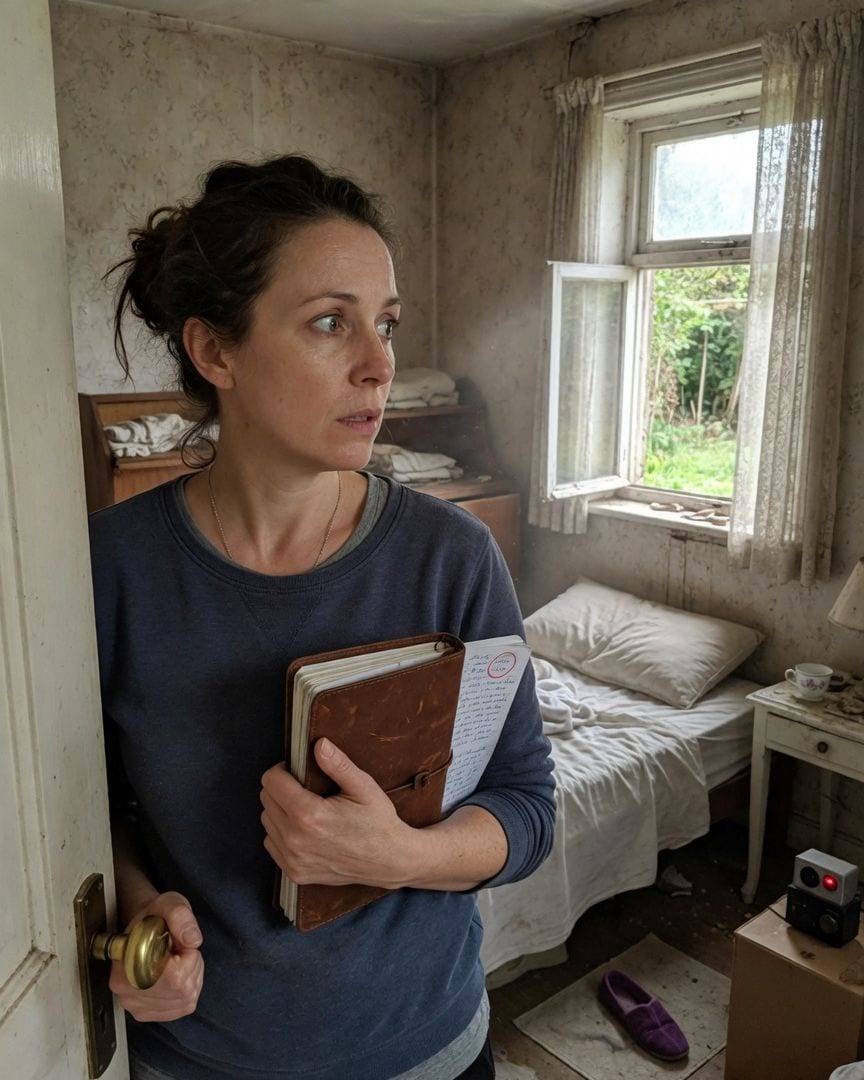 The House Remembers
I've lived in Grace's house for six months, adjusting to its quiet rhythms. But the spare room, which I keep shut and empty for storage, has a disturbing routine of its own. Every few mornings, the bed is clearly slept in, the sheet rumpled and warm, and the window I painted shut is open exactly two inches.
11 min read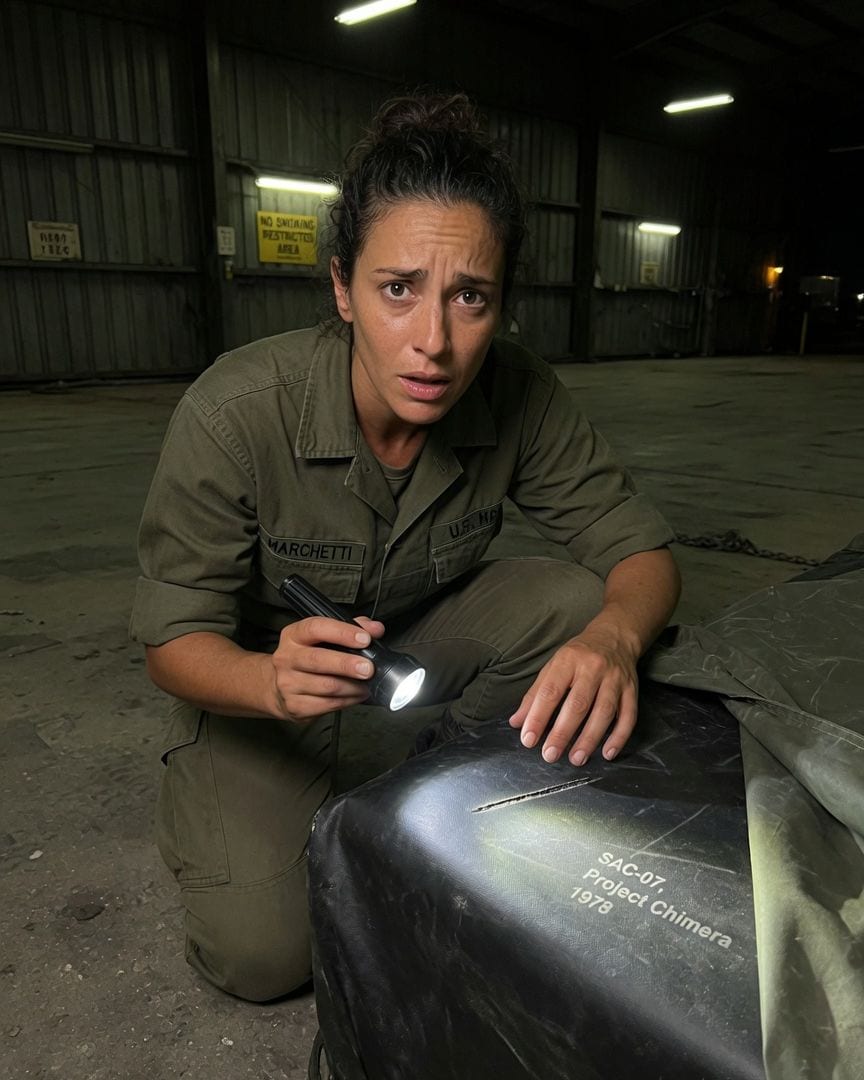 Declassified
Specialist Cleo Marchetti knew her job was simple: keep the lead truck's taillights in sight across the empty Nevada desert. But at 0200, Sergeant Caldwell's truck simply blinked out, only to reappear three hundred yards closer moments later. Despite Cleo's shock, the official convoy log recorded a perfectly routine, non-stop journey, denying her very perception of reality. Her professional integrity demanded answers, leading her to the sleek, tarped craft she'd transported. There, she found a fresh scratch, and beneath it, an impossibly warm, faded stencil revealing a classified 1978 project name on a supposedly modern asset.
10 min read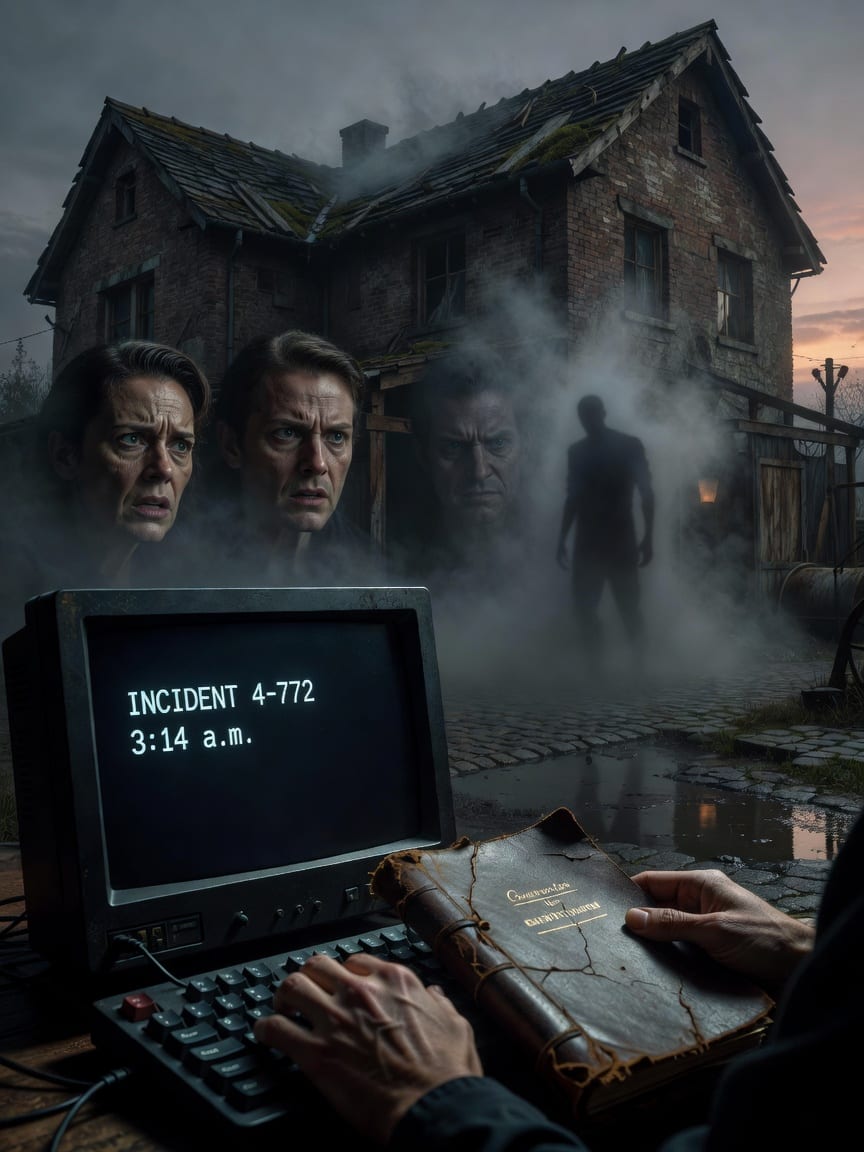 The File They Kept
As a new archivist, I usually found my work digitizing old fire service records monotonous, until I found a heavily redacted line in a 1961 site assessment. Faint letters beneath the black bar slowly revealed my own family name, DRUMMOND, dated years before I was even born.
12 min read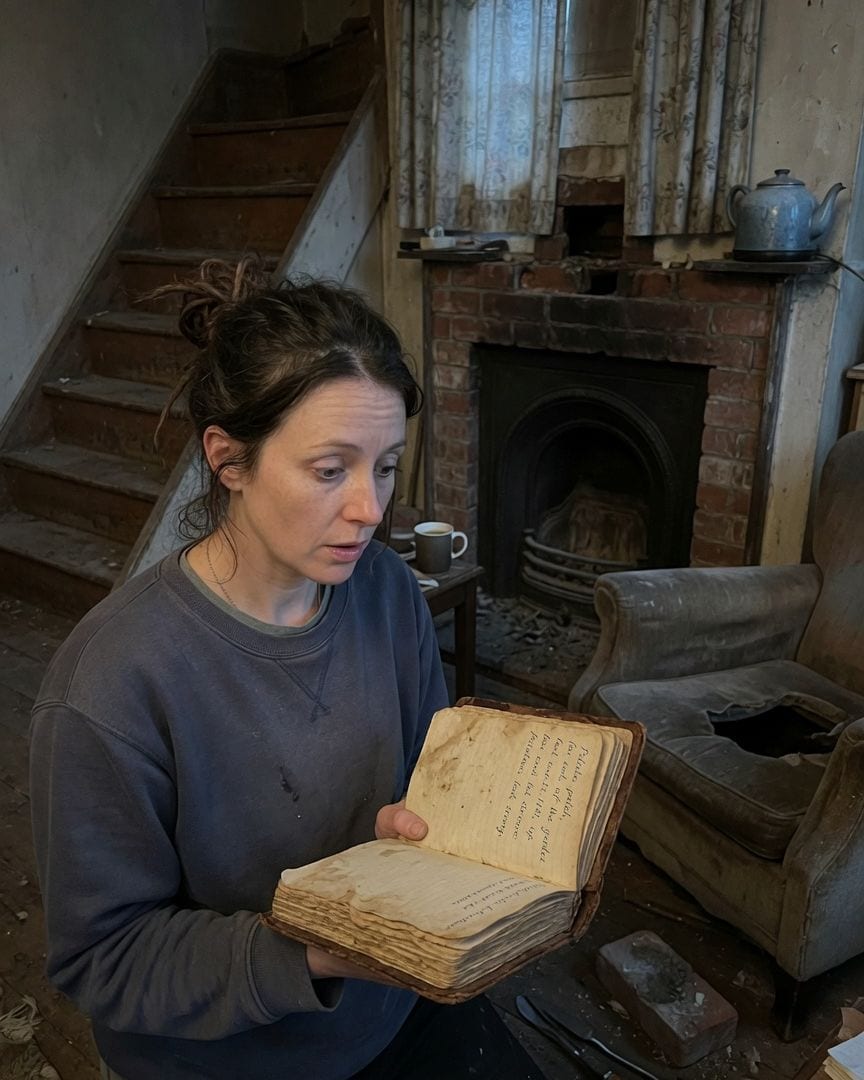 The House Remembers
After moving into my new house, I started noticing small, unsettling things. My deeds described the far end of the garden as a 'paved yard,' but each morning I'd find neat, turned earth with string lines, and eventually lush rows of potatoes. I own no gardening tools and certainly never saw anyone out there.
10 min read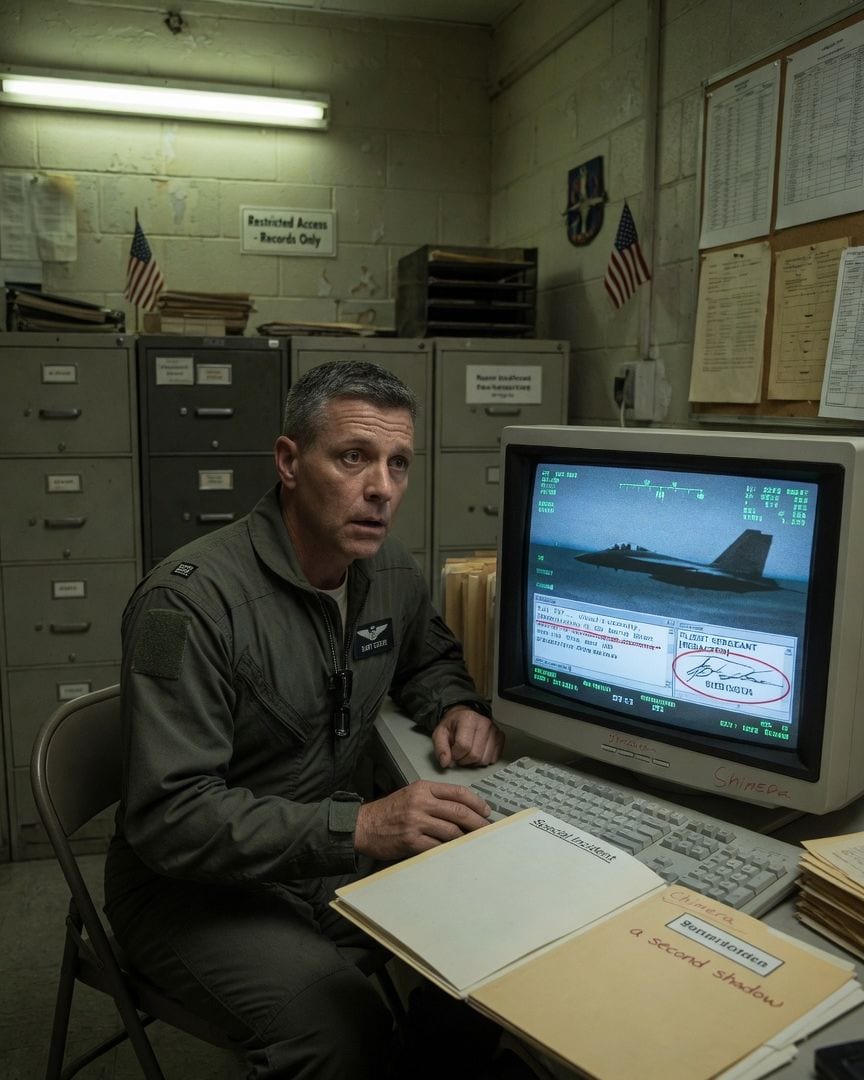 US Armed Forces
Chief Warrant Officer Gary Estes, a man whose career was built on precision, found his impending Pentagon transfer shadowed by a baffling anomaly. On every flight, at exactly 800 feet, his aircraft's display would briefly show a sleek, dark second plane tucked off his right wing, its canopy subtly angled toward his, watching him. Ground radar never saw it, and his wingmen swore they flew alone. Desperate to maintain his clean record, Estes dug into maintenance logs and uncovered an entry for *his* tail number from weeks prior. It described the exact same 'visual anomaly' during a flight he knew, with chilling certainty, he had never flown.
11 min read