 US Armed Forces
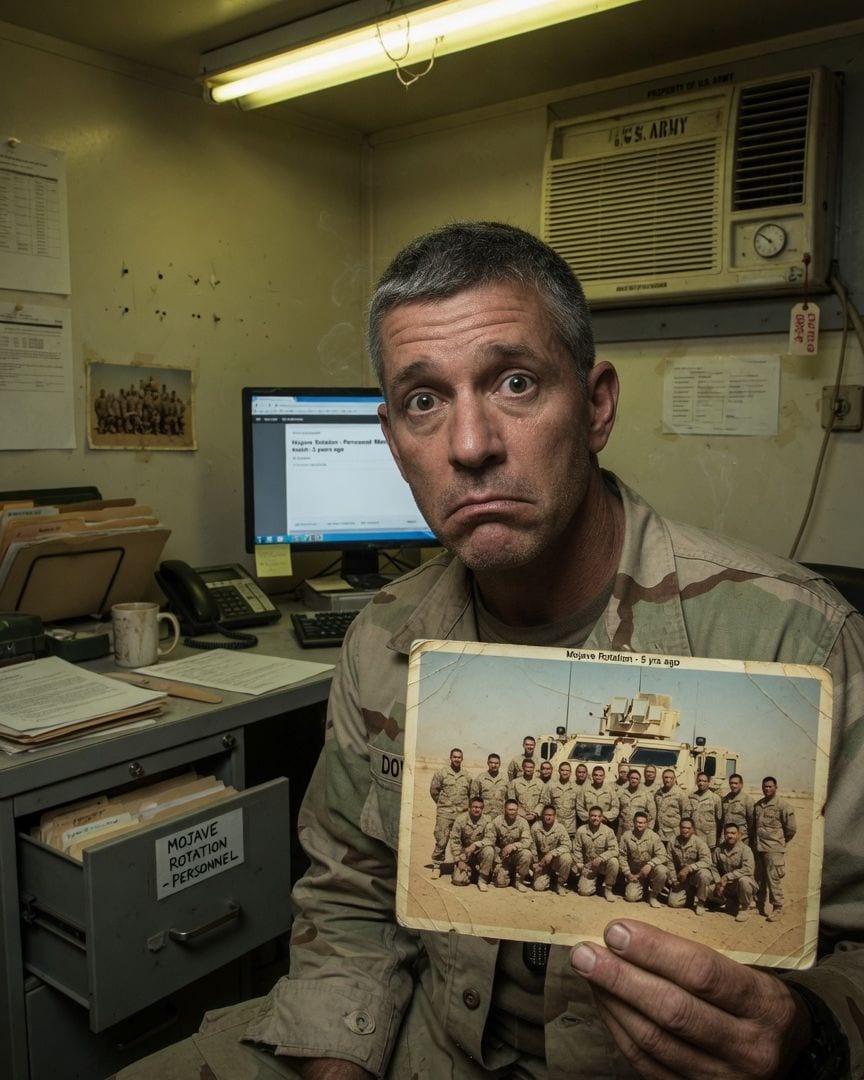
Master Sergeant Oliver Doyle was two weeks from his transfer, overseeing the final decommissioning of FOB Erebus, finding solace in routine. His old Mojave platoon photo, a yellowed record above his desk, always showed thirty-one faces from his past. This morning, however, an extra man grinned from the back rank, a face both familiar and utterly alien. When he showed it to Sergeant Barlow, the younger man immediately named the newcomer, "Ryan Stratton," a name Doyle hadn't spoken, yet one that felt ready on Barlow's tongue. Official records listed only thirty-one, but a hidden digital history revealed a manifest with thirty-two names, signed by Doyle himself.
14 min read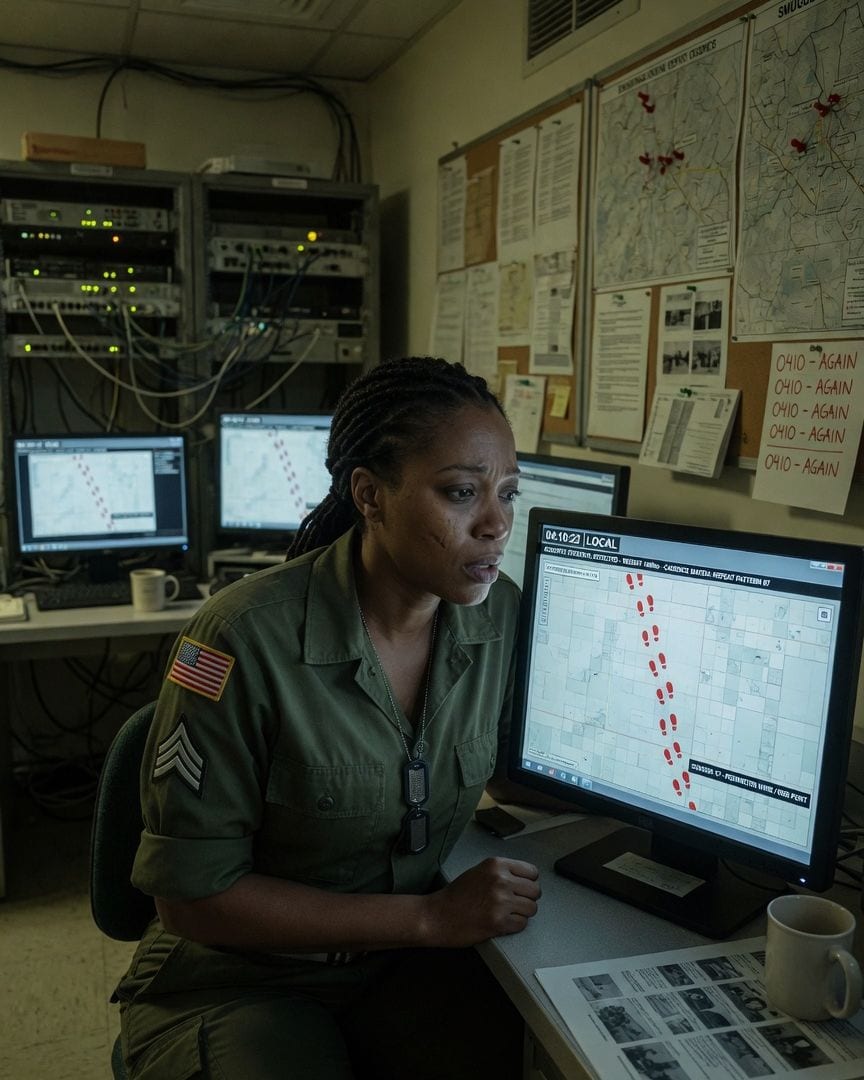 US Armed Forces
Sergeant Naomi Prescott, a border-support analyst, had grown accustomed to the quiet routine of OP Nightingale. For three months, however, her sensors have registered a single, repeating footfall signature every morning at 0410. This unseen walker's track moves with impossible precision, stopping dead at the perimeter wire just outside her post, leaving no visual or thermal trace.
13 min read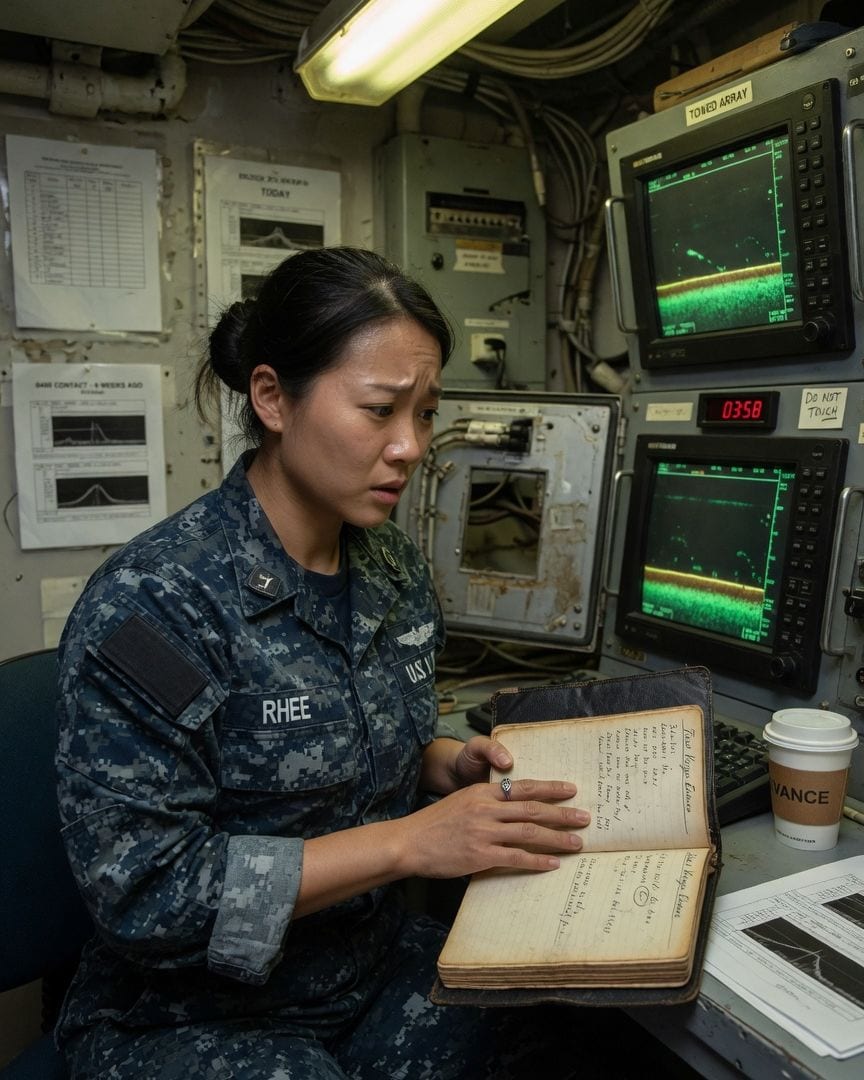 US Armed Forces
Sonar Technician Emily Rhee had just two days left before her transfer from the aging USS Vance, on its final patrol through the pea-soup fog of the Aleutians. In the dim, humming sonar station, her console registered an impossible biologic contact, echoing like a hull and holding its position against the currents—a phantom trace mirroring one from six weeks prior. When her commander dismissed it as a glitch, Emily searched for answers, unearthing a secret, water-stained logbook hidden behind a panel. Its decades-old entries detailed identical '0400 contacts' and 'unusual transfers,' and chillingly, listed Emily Rhee's own name—dated 1982.
14 min read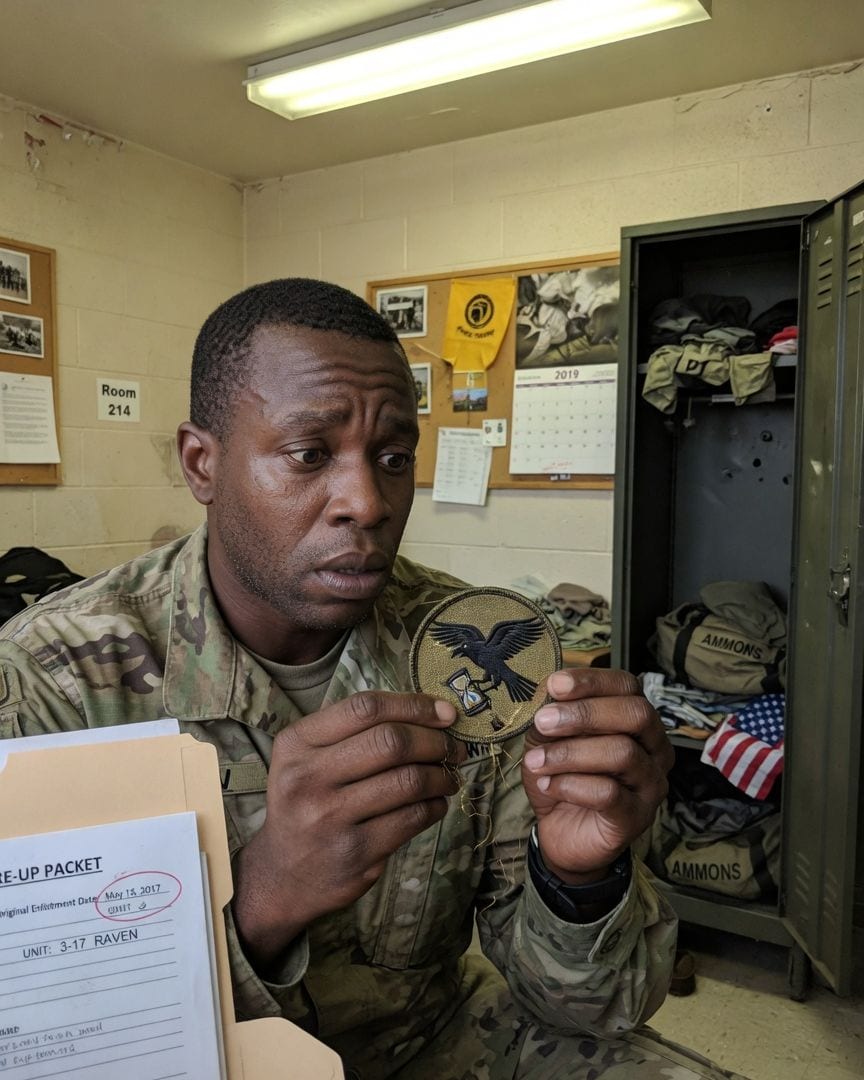 US Armed Forces
Specialist Joel Ammons faced a routine re-up, but his official paperwork showed an impossible enlistment date. It listed May 15, 2017, a full four years before he remembered joining the service, logging a three-year deployment with a unit he’d never heard of. His own life history was being rewritten by the facts on the page.
11 min read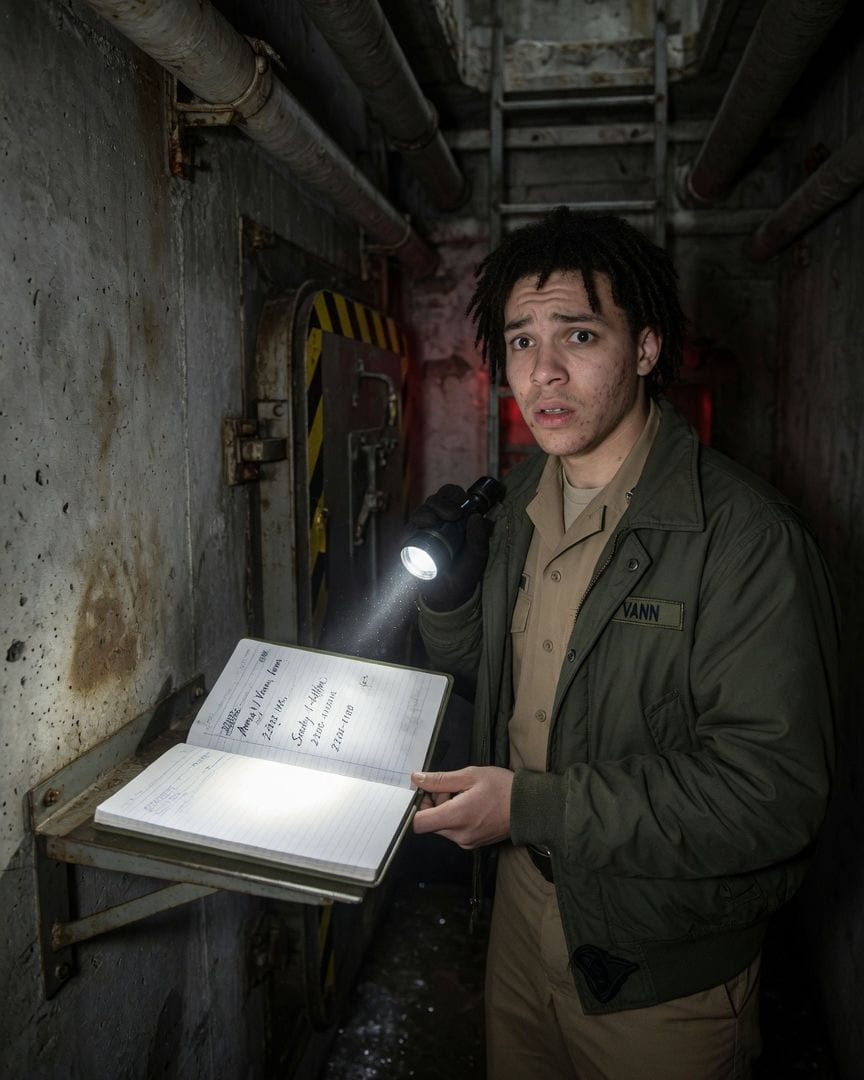 US Armed Forces
Airman Vincent Vann was on his last patrol across a vast, desolate Cold War missile field in the Dakotas, the cold, starless sky mirroring the emptiness of the landscape before his transfer. His routine check of eight hardened silo caps was shattered when a red fault light pulsed on Silo 4’s access panel, signaling an impossible breach from *inside* a hatch sealed for a decade. As more silos lit up, ignoring base orders, Vann found the hatch unlocked from within and descended into the dark shaft, where he discovered a pristine logbook bearing his own signature next to a chilling entry from a non-existent sentry, dated for *that very night*. Now, a steady *thump* echoed from deeper within the sealed concrete, leaving the Airman desperate for an explanation that simply wasn't there.
12 min read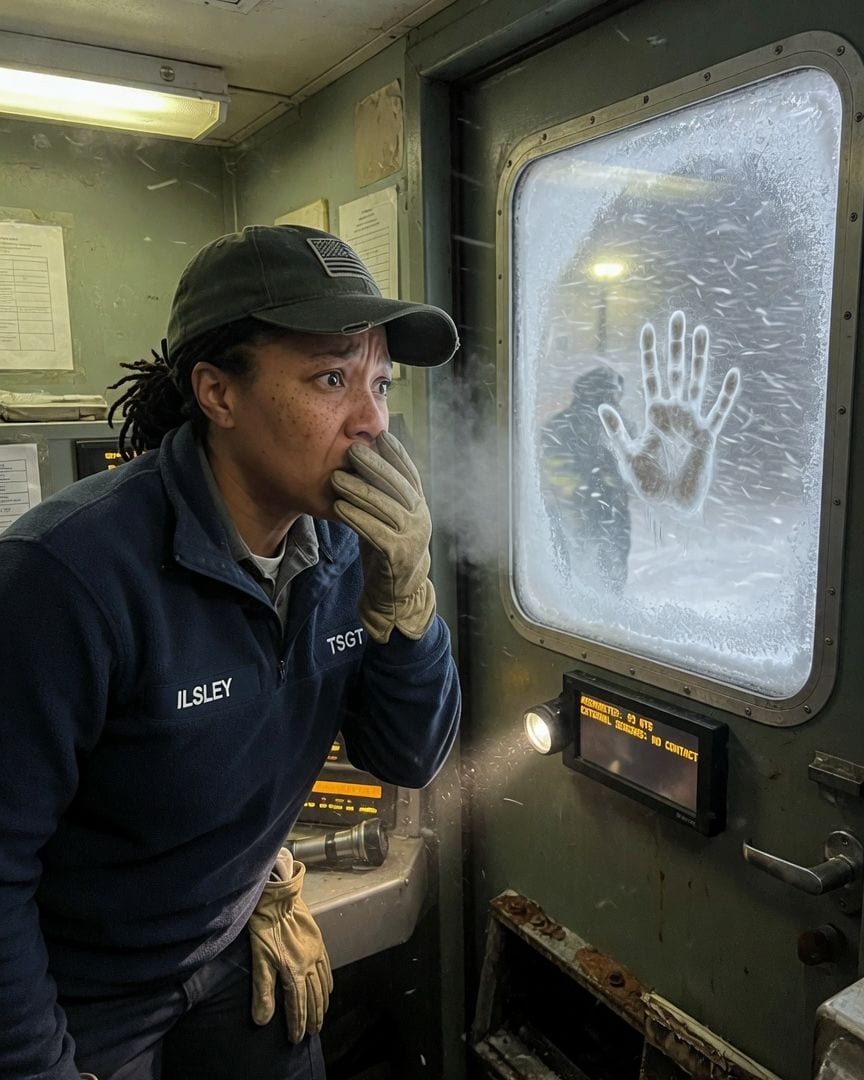 US Armed Forces
Technical Sergeant Ada Ilsley was counting her last two weeks on the Greenland ice-cap before Thule-Gamma Station closed for good. Tonight, the polar wind howled at ninety knots, clawing at the station's insulated walls as she kept a lonely vigil. Through the main door's triple-paned port, she watched a dark figure emerge from the impossible blizzard, its face pressed against the glass, only to vanish. On the frost outside, a perfectly clear handprint remained, unnervingly warm and undeniably pressed from the *inside* of the sealed pane. How could anything have touched the glass from within a supposedly impenetrable barrier?
14 min read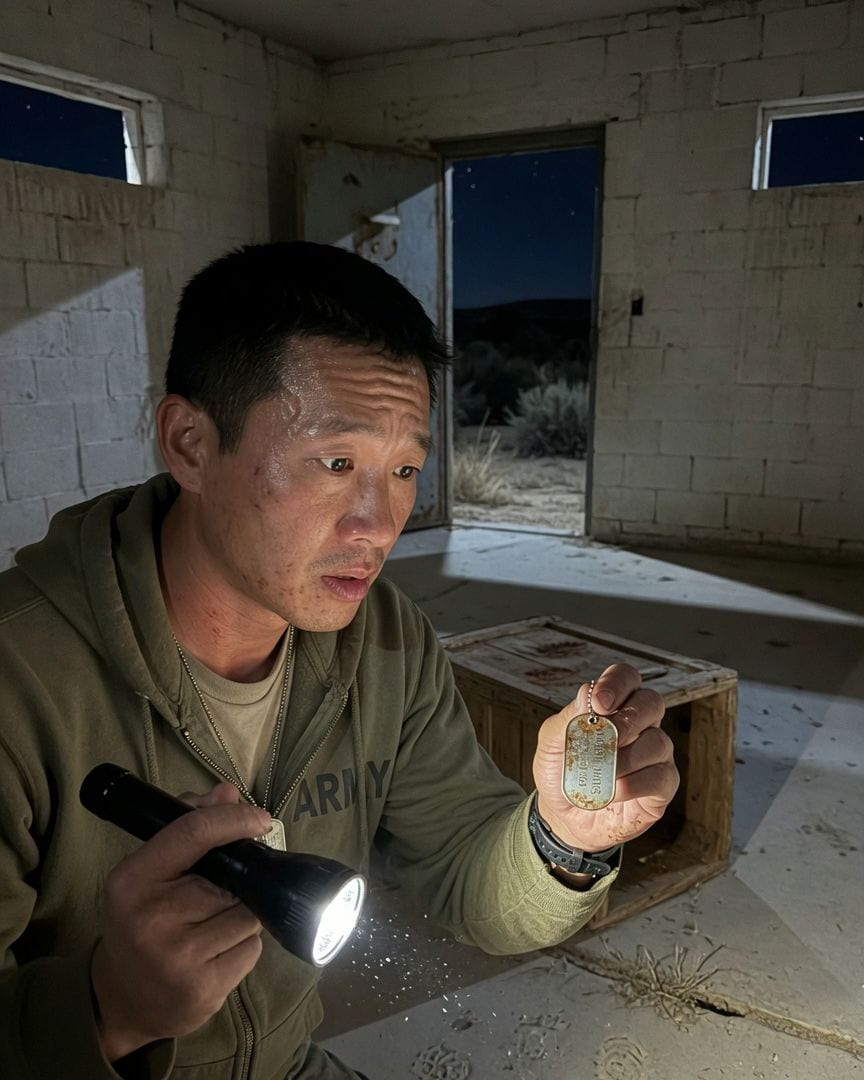 US Armed Forces
Staff Sergeant Adam Rhee halted his squad at the Yakima Training Center, staring at a cinderblock building that simply wasn't on his map. Range Control confirmed there was no structure at his coordinates, leaving him to wonder what impossible thing stood before them. Moments later, after the range-safety truck arrived, the building vanished, leaving only a rectangular patch of earth with a foundation of decades-old weeds. That night, driven by an unsettling certainty, Rhee returned to find the building reappeared, its door ajar, holding a single, rusted dog tag from 1983. How could a place appear and disappear, leaving behind evidence from forty years ago?
13 min read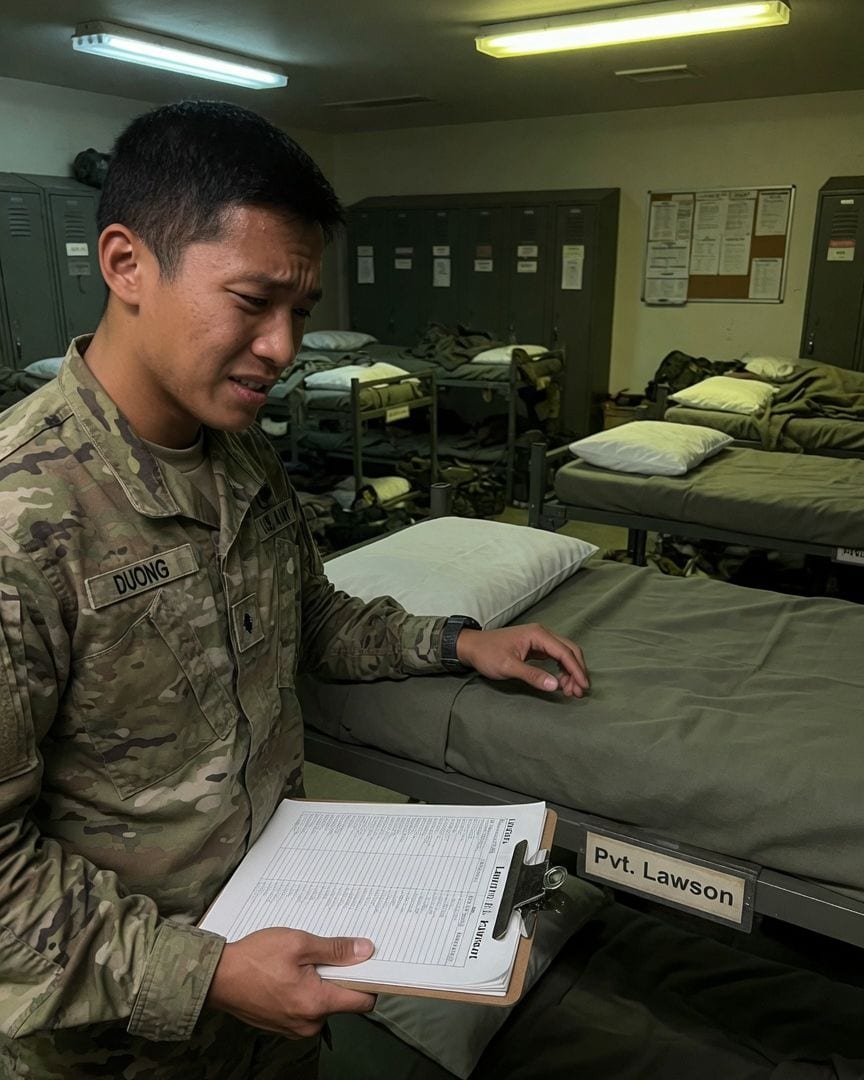 US Armed Forces
Specialist Gideon Duong found solace in the precise order of barracks life, especially after a grueling week in the field. His final task before tomorrow's graduation was barracks accountability, a routine count of sleeping soldiers against the official roster. But at the end of the aisle, a tenth bunk stood impossibly perfect, sheets hospital-folded, with a faded name tag for 'Pvt. Lawson'. No one was in it, no one ever used it, yet the roster listed Lawson, and Duong's own signature later appeared on a duty log for a patrol he never pulled, alongside the phantom Private. What secret did the meticulously made bunk hide?
13 min read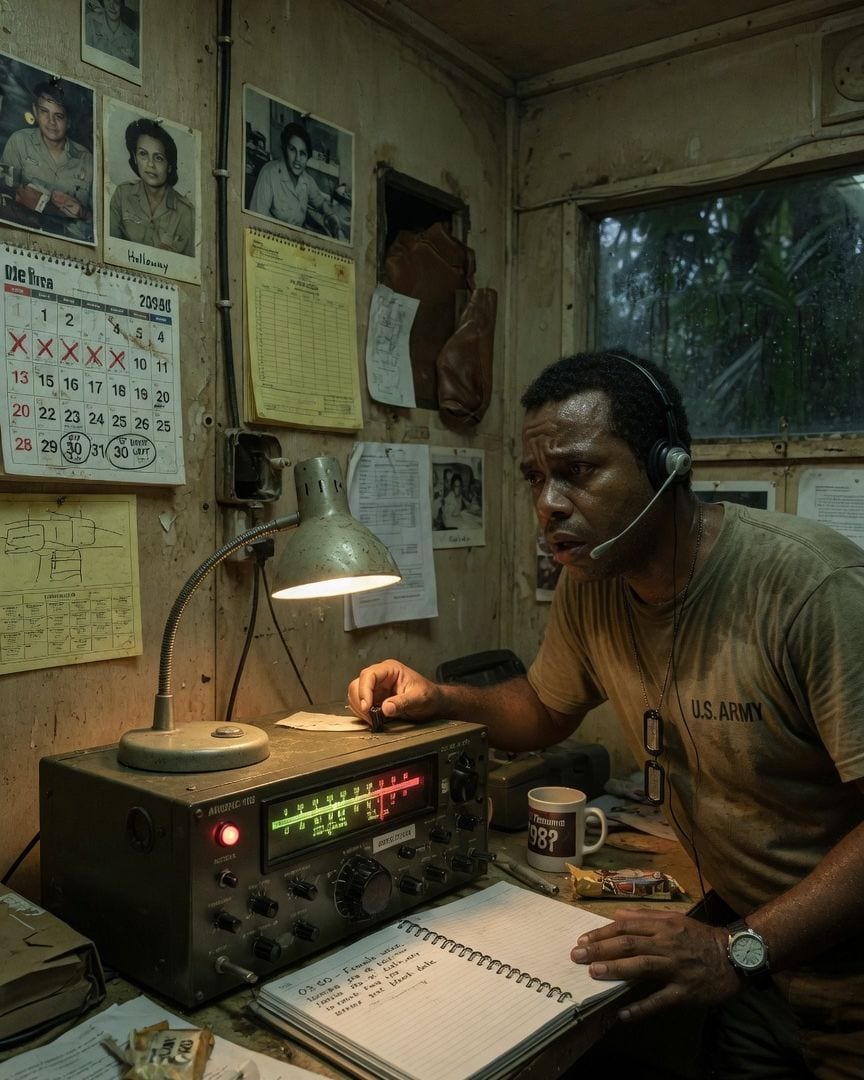 US Armed Forces
Sergeant Kevin Brooks was three months from finishing his year-long tour at a remote Panamanian jungle station. He meticulously marked each passing day, eager to escape the humid nights and unseen blossoms pressing against the comms shack walls. But at 0300, his old radio crackled to life with a woman's calm voice, listing names of past operators who 'ceased answering.' Then the voice spoke his own name, leaving a chilling blank space where his date should have been. What grim roll call had Sergeant Brooks stumbled upon?
13 min read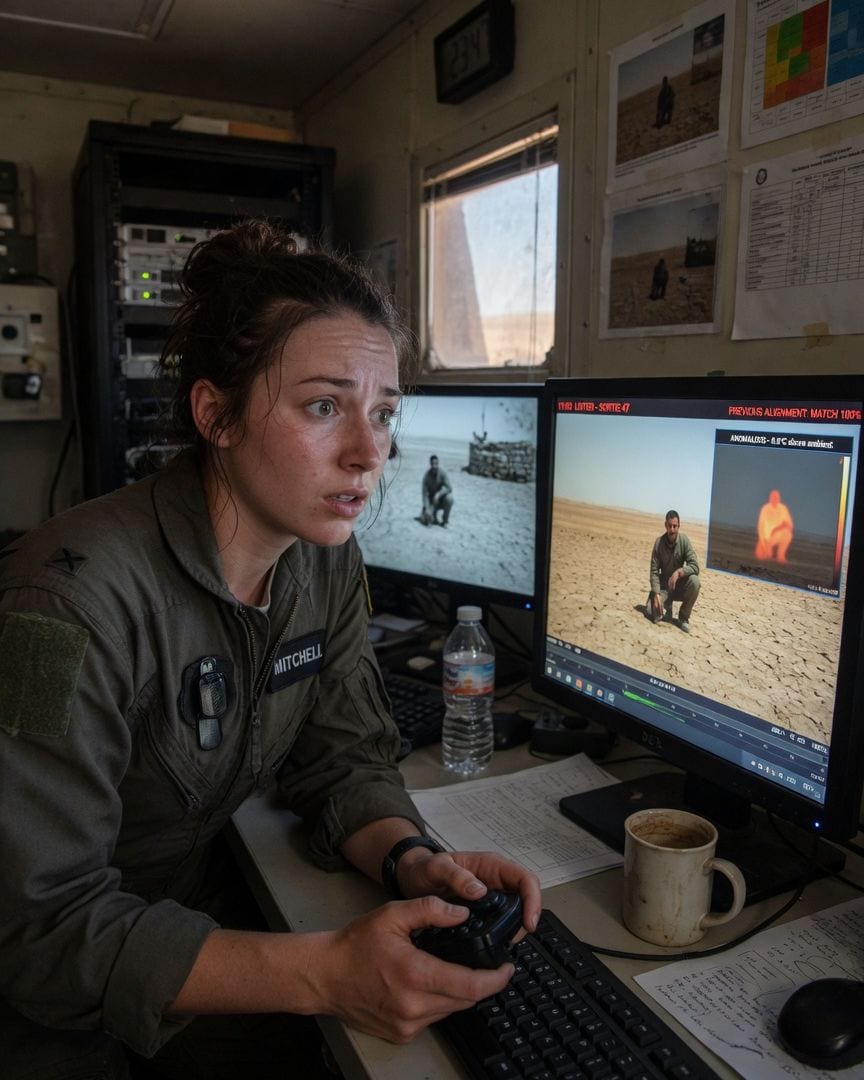 US Armed Forces
Airman Laura Mitchell prepared for one of her squadron’s final sorties at Forward Operating Location Sandstone, the desert sun beating down. On her drone display, a lone man knelt, impossibly still, at the edge of a dry field, his form perfectly outlined. Her ground team searched for forty minutes below, finding nothing but dust, yet the figure remained in sharp, unwavering focus on Mitchell's screen. She later discovered this same unseen man had appeared across three previous sorties, always at the eleventh minute of loiter, his faint heat signature slowly shifting inches across the parched ground. What was this impossible presence in the desolate desert?
13 min read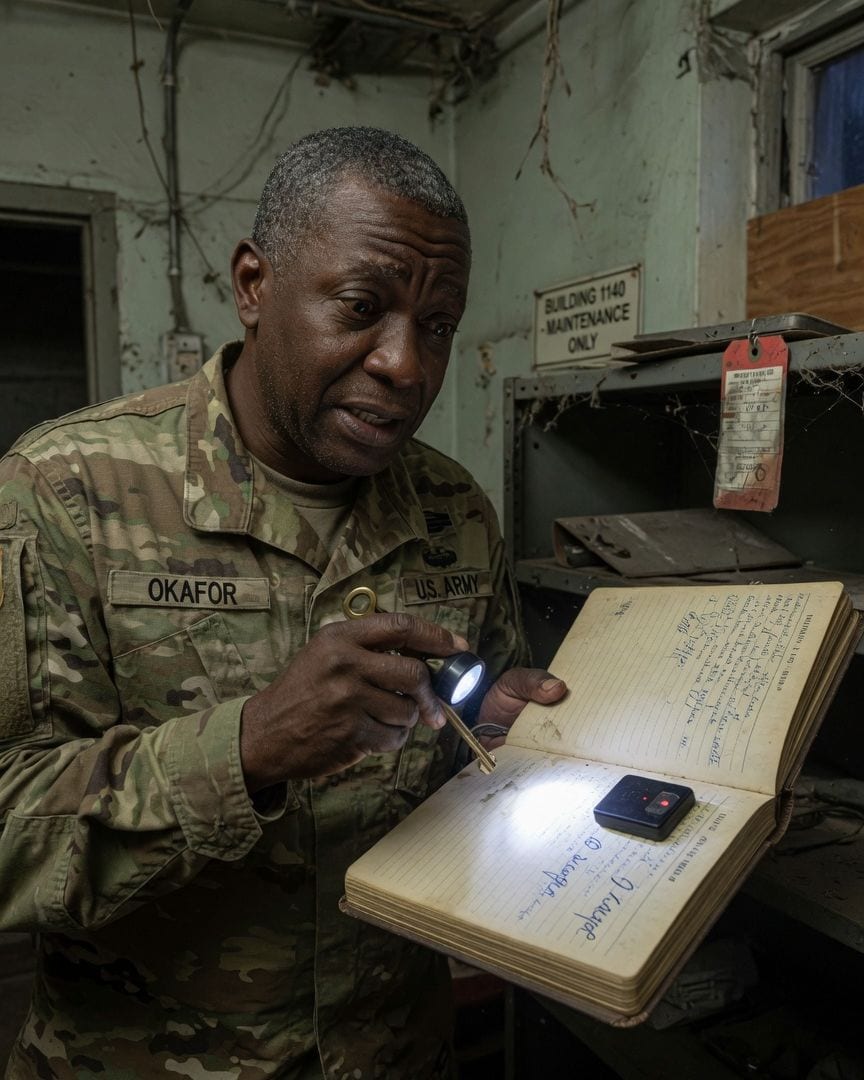 US Armed Forces
Master Sergeant Gideon Okafor arrives at Fort Selby, a base closed for three years, to investigate impossible activity. A contractor reports a badge reader logging hits nightly, despite the building having no power. Okafor finds the unit glowing faintly, drawing power from nowhere, and discovers his own signature filling its maintenance logs for the past three years he was deployed thousands of miles away.
9 min read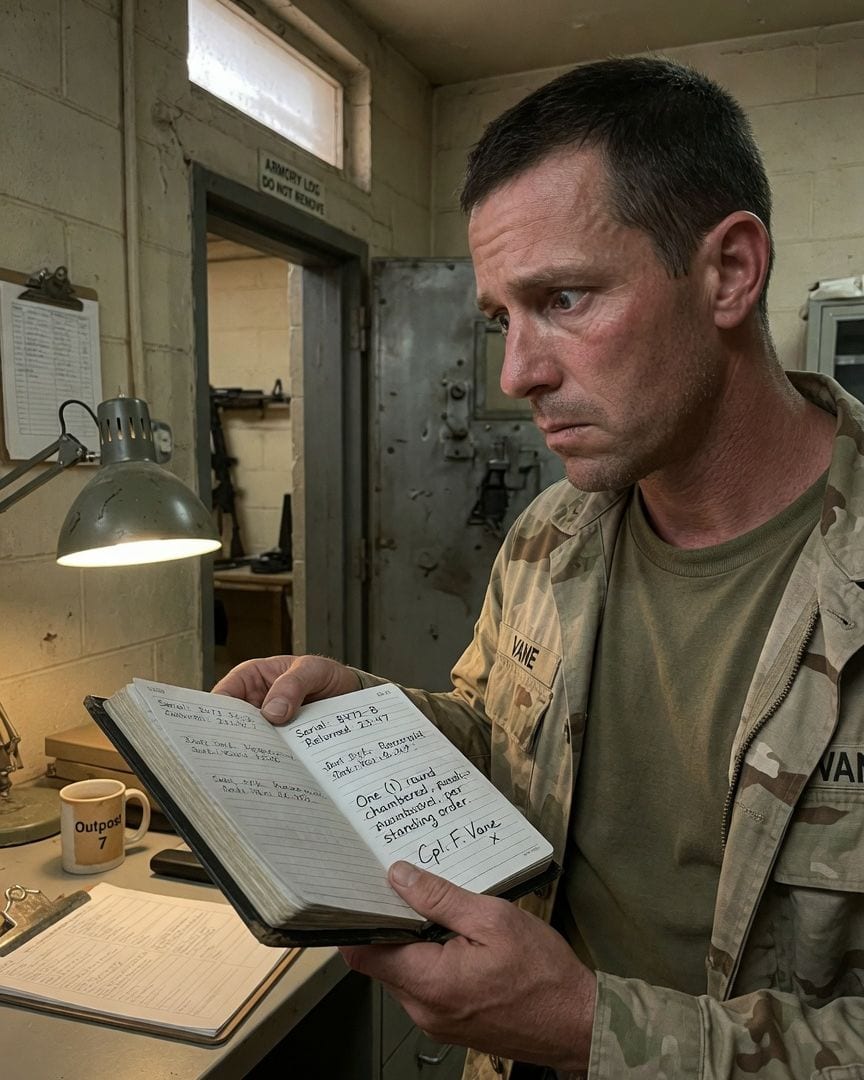 US Armed Forces
Corporal Felix Vane, a stickler for protocol at Outpost 7, always ensured his service rifle was meticulously cleaned, reassembled, and dry-fired empty. He defied an unwritten rule to leave a round chambered, a testament to his meticulous nature. But hours later, in the dead of night, the metallic 'CLACK-CHICK' of a rifle cycling a round echoed repeatedly from the secure armory. The next morning, the undisturbed logbook showed his own signature documenting a chambered round—with a faint, impossible tremor in the 'x' of his name. A cold draft and a heavy, watchful presence then made the tightly sealed space feel impossibly crowded, leaving Corporal Vane frozen, unable to turn from the page.
9 min read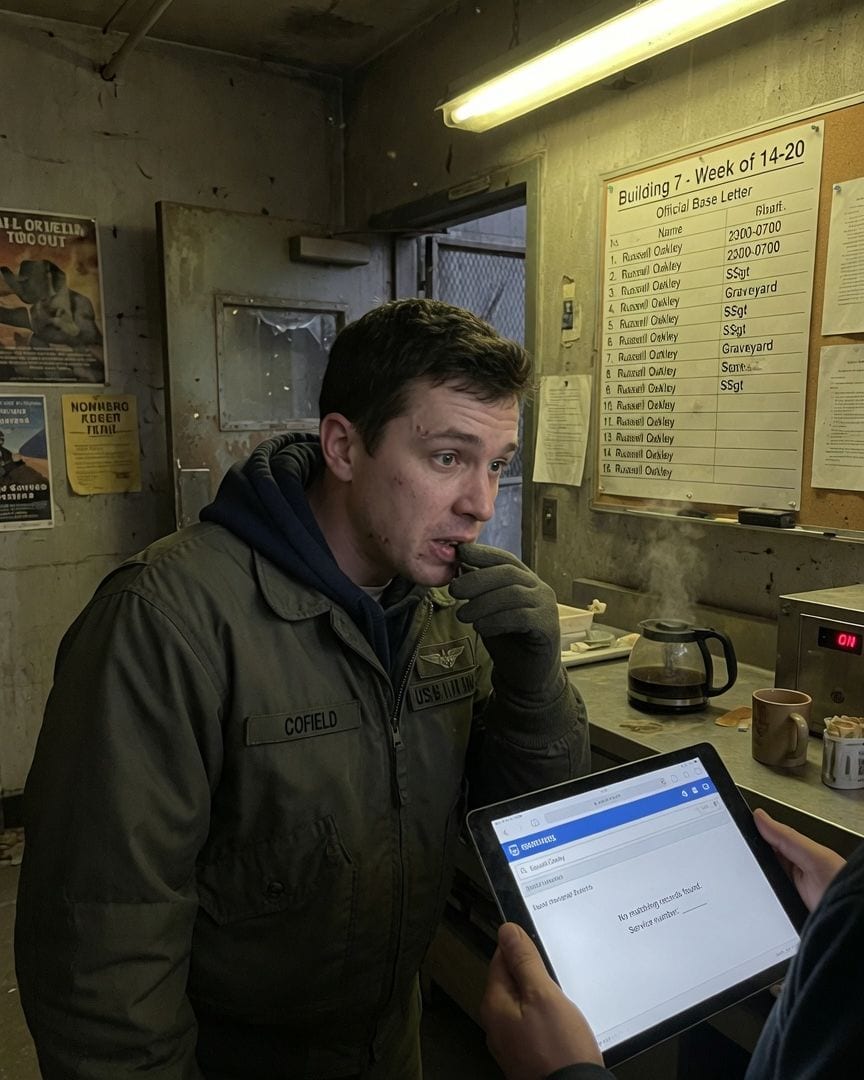 US Armed Forces
Senior Airman David Cofield, just two weeks from his long-awaited transfer, patrolled the perimeter of a decommissioned weapons storage area. Building 7, a concrete shell dark since 1992, suddenly showed a faint, warm light in its window. Inside, fluorescent lights hummed, and a coffee pot on the counter was still warm, defying the building's decades-long power shutdown. A freshly pinned shift roster for the coming week then revealed a name: 'Russell Oakley,' listed for Cofield’s own graveyard shift, yet completely absent from every official base record. Who was Russell Oakley, and how was he on shift in a dead building?
11 min read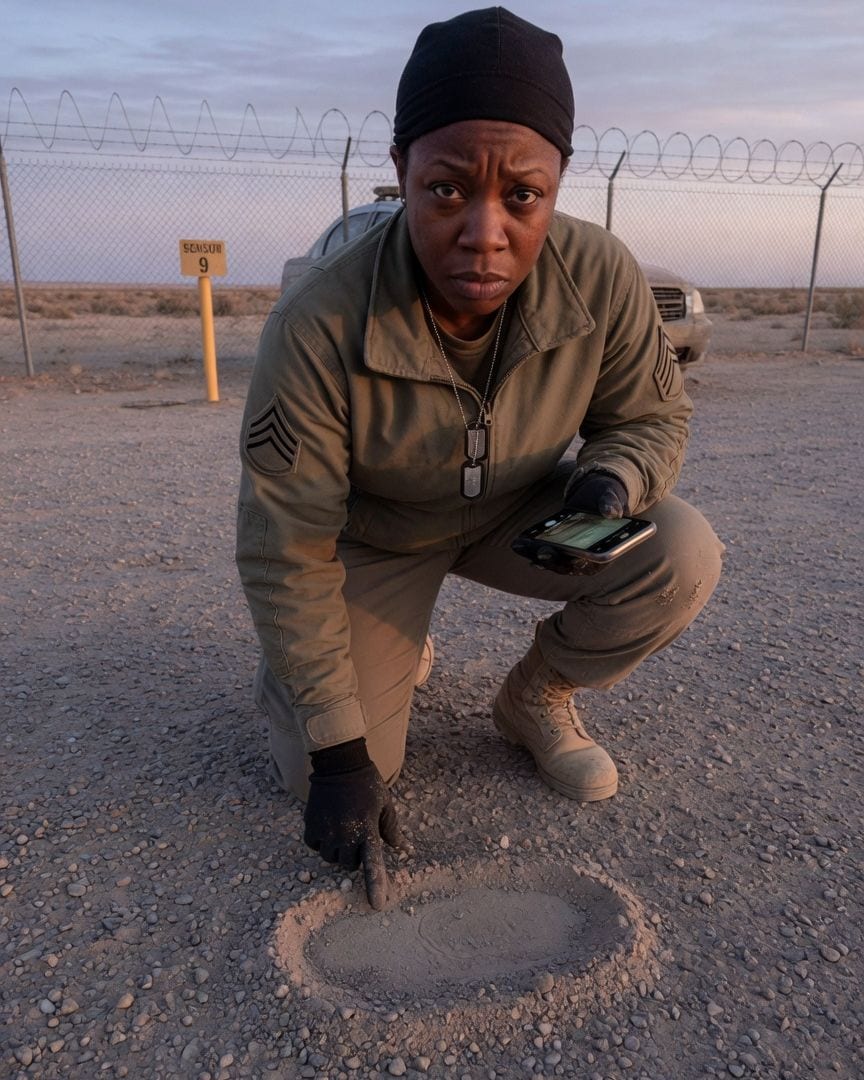 US Armed Forces
Sergeant Eleanor Okafor's nightly perimeter watch at a remote Nevada storage site was usually mind-numbing until a month-long impossible rhythm emerged: every night at 0122, sensor nine logged a distinct footfall, though cameras showed only barren desert. Driven by growing dread, Okafor stood at the sensor herself, feeling a faint tremor through her boots as the system confirmed a mass-displacement event between her own feet. Historical logs later revealed the sensor was calibrated decades ago for "non-standard mass-displacement signatures," hinting it was designed to detect something that shouldn't exist. What phantom presence left a subtle, foot-shaped depression in the gravel inside the perimeter, precisely where those impossible footsteps registered?
9 min read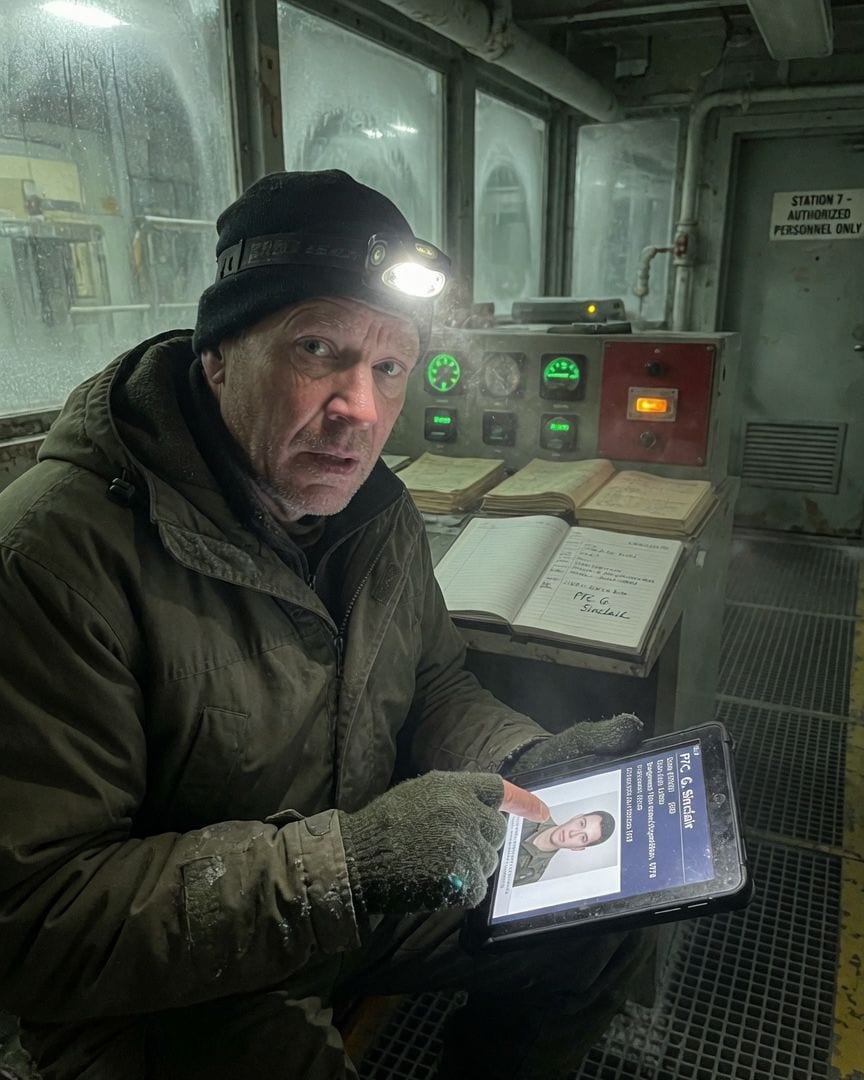 US Armed Forces
Chief Warrant Officer Franklin Ellison was two days from ending his Greenland deployment when his final core probe plunged into an unexpected void. A strange warmth and humid scent rose from the shaft, revealing the long-abandoned Station 7 below, its plant room surprisingly active with glowing gauges and a rhythmic hum. Ellison discovered an open shift log, its last entry, dated for the previous week, signed in fresh ink by PFC. G. Sinclair. Yet, a quick database check revealed Sinclair was reported Missing in Action in 1978, years after the station was officially decommissioned. How could a soldier missing for decades have signed a log last week in a base abandoned for half a century?
11 min read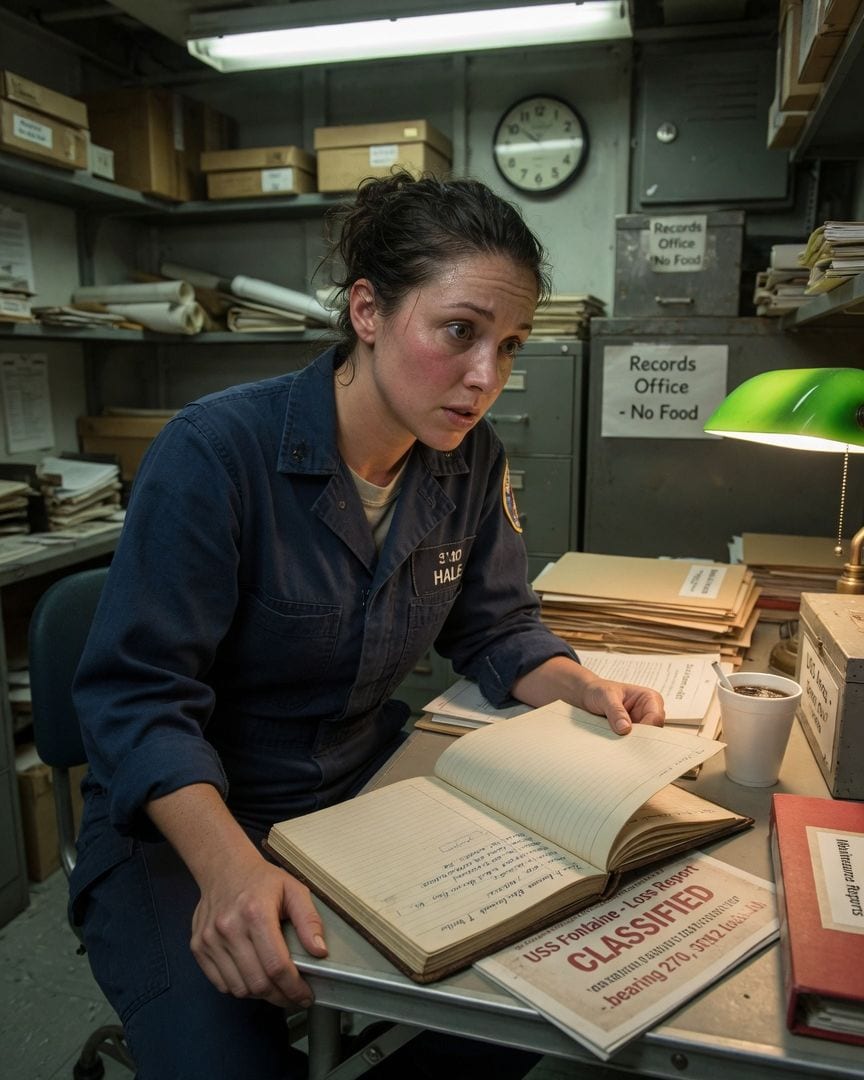 US Armed Forces
Petty Officer Sarah Hale needed a spotless record for her coveted shore duty transfer, a posting she'd worked five years to secure. Alone in the USS Ares sonar shack, three days out from San Diego, her midwatch was broken by an impossible contact: a close, slow echo holding perfect pace, invisible to radar, then vanishing. Her heart hammered, not from fear, but from the data's impossibility. When she found an identical entry in her own log from just one week prior, the cold dread tightened its grip. But the true chill settled when she unearthed decades of similar records, signed by other sonar officers, all showing the same impossible contact at 0212, off the port beam, for nineteen minutes, on the same ship, stretching back years—a persistent echo tied to a classified loss report.
13 min read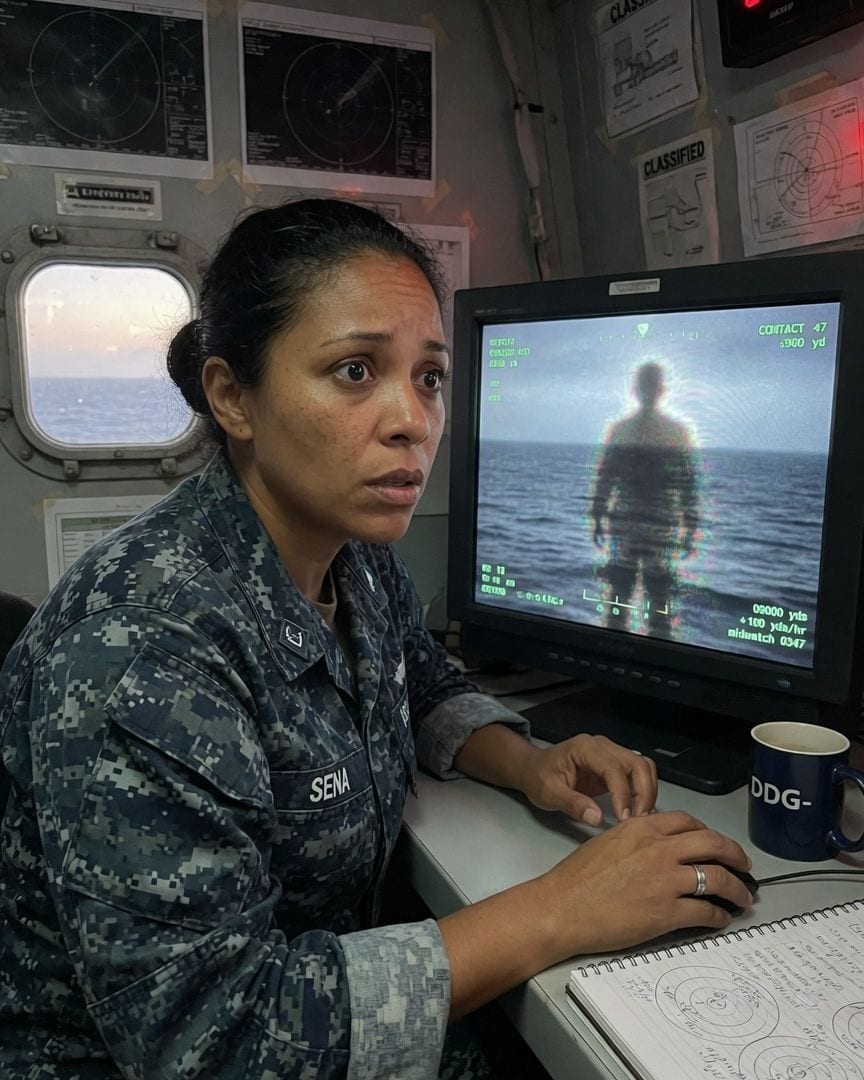 US Armed Forces
Fire Controlman First Class Iris Sena, just two weeks from a pivotal career transfer, kept watch over her radar console aboard a destroyer off Norfolk. For three midwatches, a phantom contact held perfect station, a faint blip invisible to every optical sensor, yet inching closer each hour. Reviewing the radar’s video, she zoomed in to find not a glitch, but a shimmering, human-shaped distortion of light, undeniably a figure standing on the vast, empty sea. A cold dread seized her as the figure’s formless head slowly tilted, its gaze now fixed directly on her ship, as if watching her watch it.
10 min read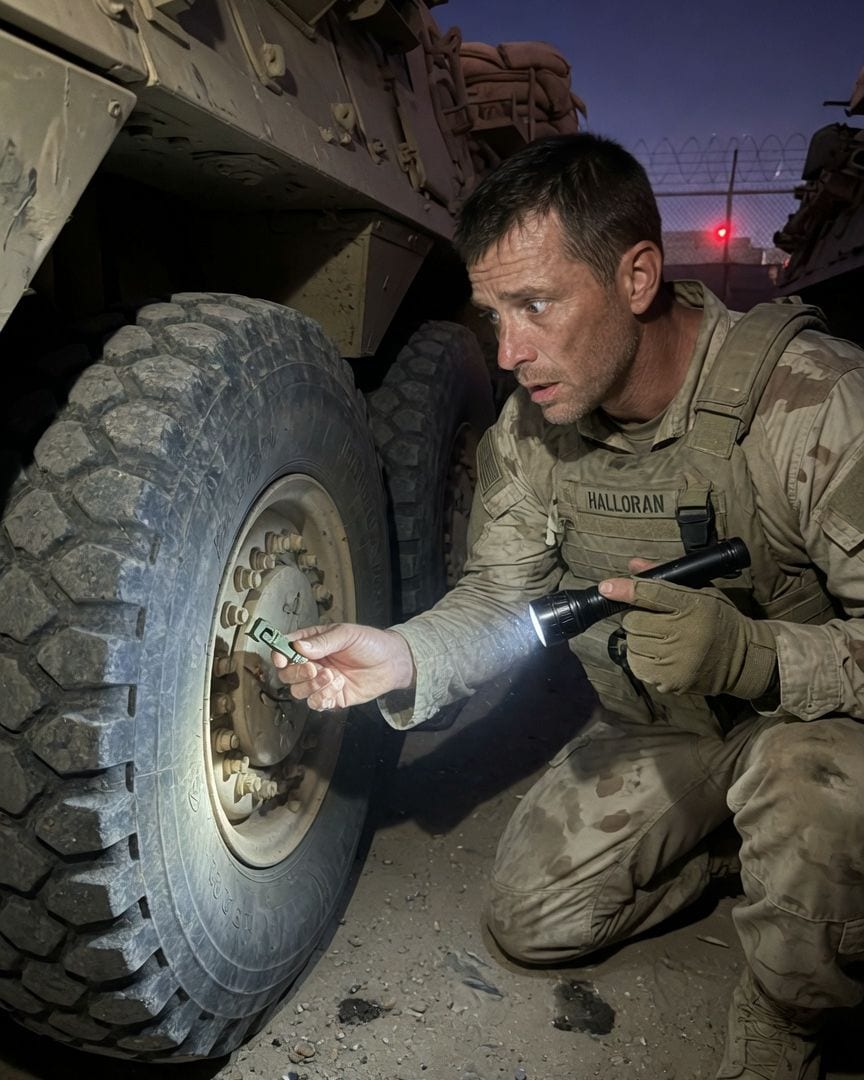 US Armed Forces
Sergeant Halloran led his Stryker back to base, three hours across the desert, when an unlisted checkpoint materialized out of the fading light. A lone soldier logged their bumper number, but Captain Merritt's voice crackled back, sharp and immediate, denying any checkpoint on Route Anaconda. Back at the FOB, the impossible denial gnawed at Halloran as his crew confirmed what they'd seen. Inspecting his vehicle, he found a specific, older model comms wire clip, identical to one worn by the phantom soldier, tucked deep in his wheel well. The desert wind seemed to whisper command's denial, but the cold metal in his hand spoke an undeniable truth.
11 min read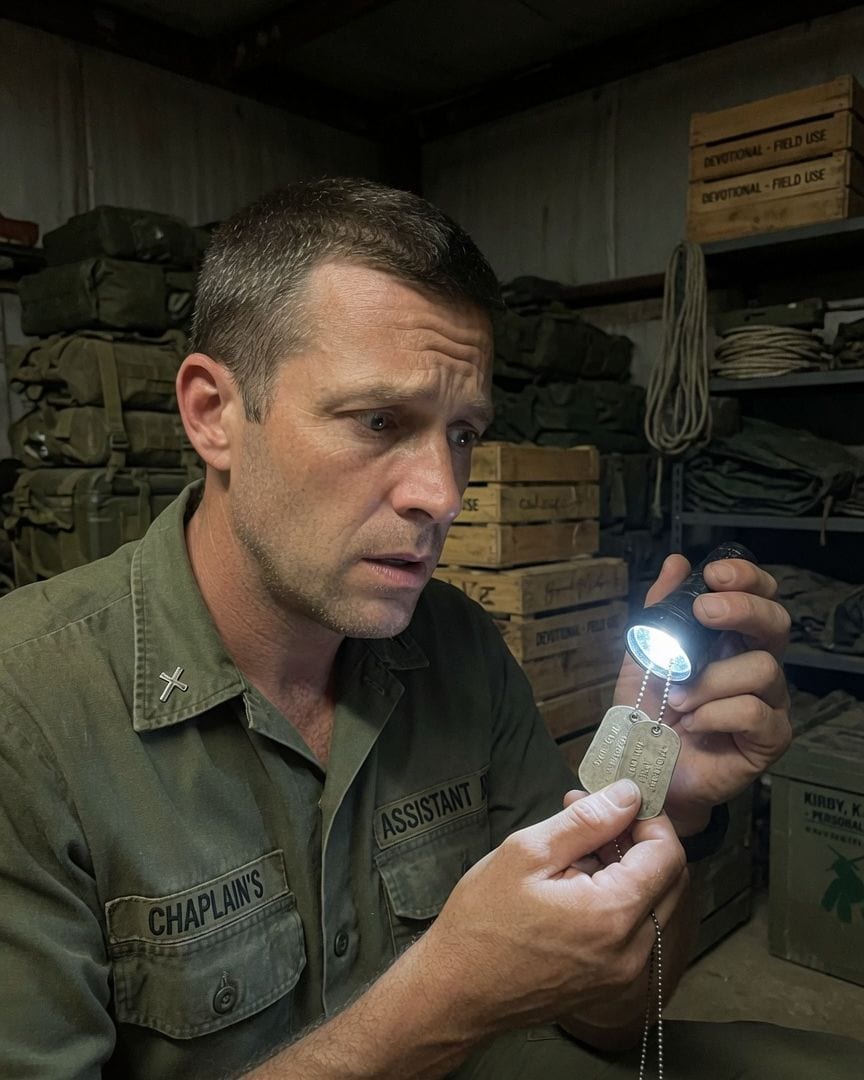 US Armed Forces
Chaplain's Assistant Moss had always known Private Kirby to cross himself the 'wrong way round,' a small joke in their grim routine. After three weeks missing, Kirby returned, but during service, his hand moved cleanly, the 'correct' way. The usual chuckle and self-deprecating shrug were gone, leaving Moss with a specific, cold unease.
13 min read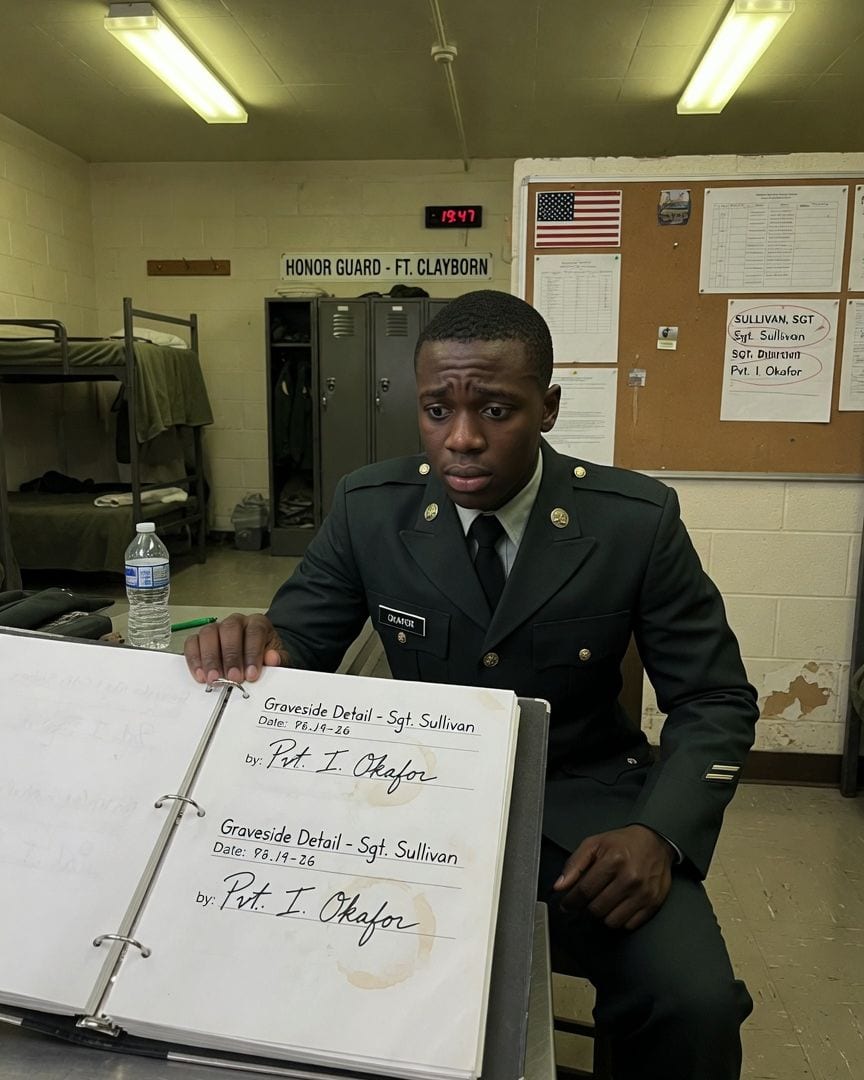 US Armed Forces
New to the Fort Clayborn honor guard, Private Isaac Okafor meticulously folded the flag at a graveside service, only for the thirteenth section to resist his hands. Back in the barracks, the duty log showed his signature on an identical entry for a second service for Sergeant Sullivan, hours later, that never happened. The official record, unyielding and digital, then confirmed a commendation for this impossible second ceremony, leaving the private to wonder what truth the system had truly recorded.
11 min read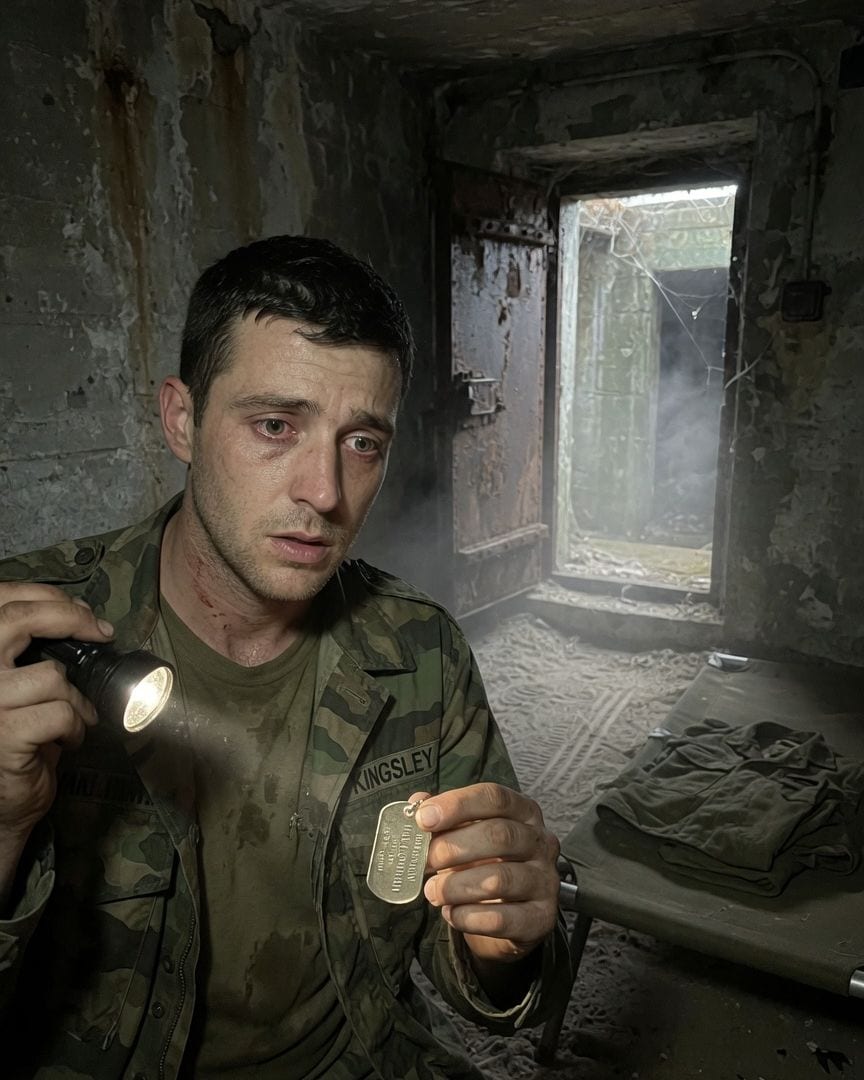 US Armed Forces
Private Roland Kingsley endured the bone-deep weariness of his final graveyard watch at a reactivated WWII bunker on the Northern California coast, just hours from dawn and the end of his deployment. His searchlight cut through thick fog, revealing impossible figures: men in archaic WWII uniforms, assembling on the deserted beach, only to vanish moments later. As dawn broke, Kingsley discovered the bunker's rear hatch, sealed for decades, now stood mysteriously ajar. Inside, on an empty cot, lay a WWII-era field jacket, and in its pocket, a dog tag for 'Halloran' — a name impossible to the bunker's eighty-year history. What unseen presence had disturbed the long-sealed past?
14 min read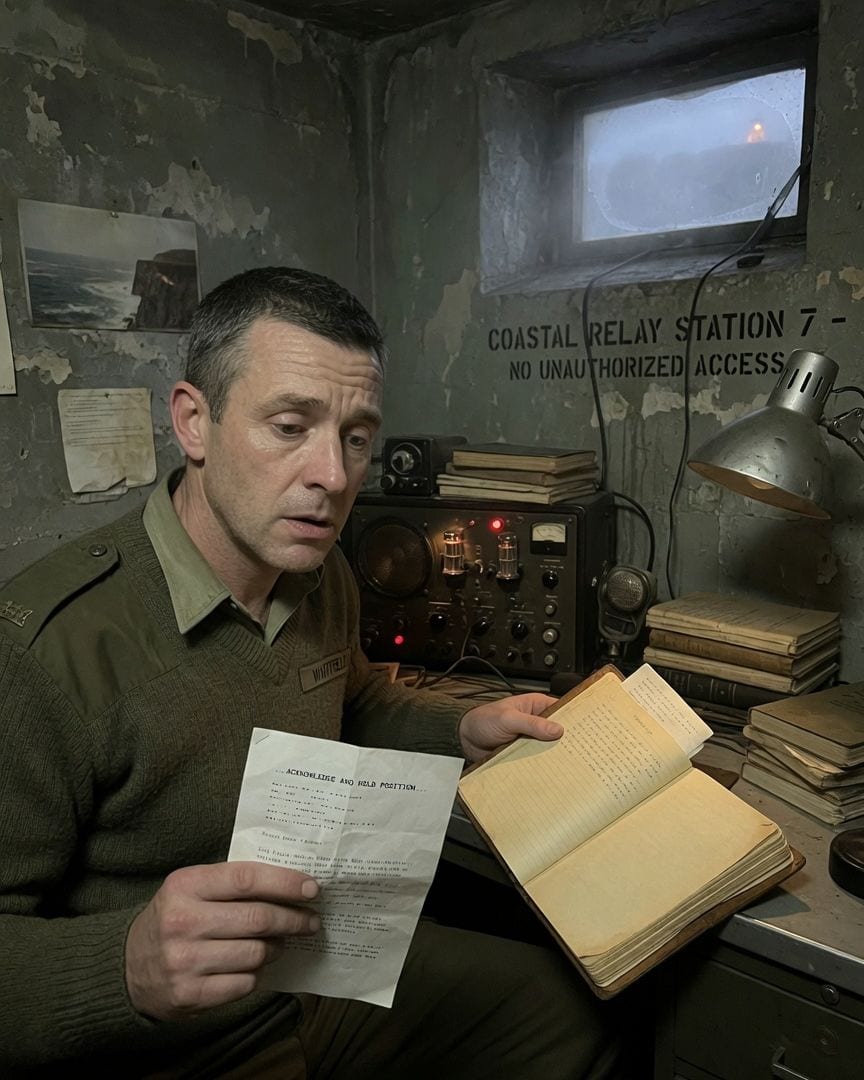 US Armed Forces
Corporal Greg Whitfield stood watch on one of the final nights before his old coastal relay station was mothballed. The fog-bound English coast echoed with the lonely boom of the sea, the bunker's ancient equipment humming its last familiar tune. Suddenly, a burst of Morse code cut through the static on a long-dead frequency, an impossible convoy sighting for a shipping lane closed for forty years. Decrypted, the message named his exact station and tonight's date, instructing the operator to acknowledge and hold position, no matter what. Later, a dusty archive revealed a logbook entry from precisely forty years ago, recording the same message, acknowledged by a Private Barlow, followed by a chilling blank page. What happened to the last operator who acknowledged a forty-year-old ghost order?
10 min read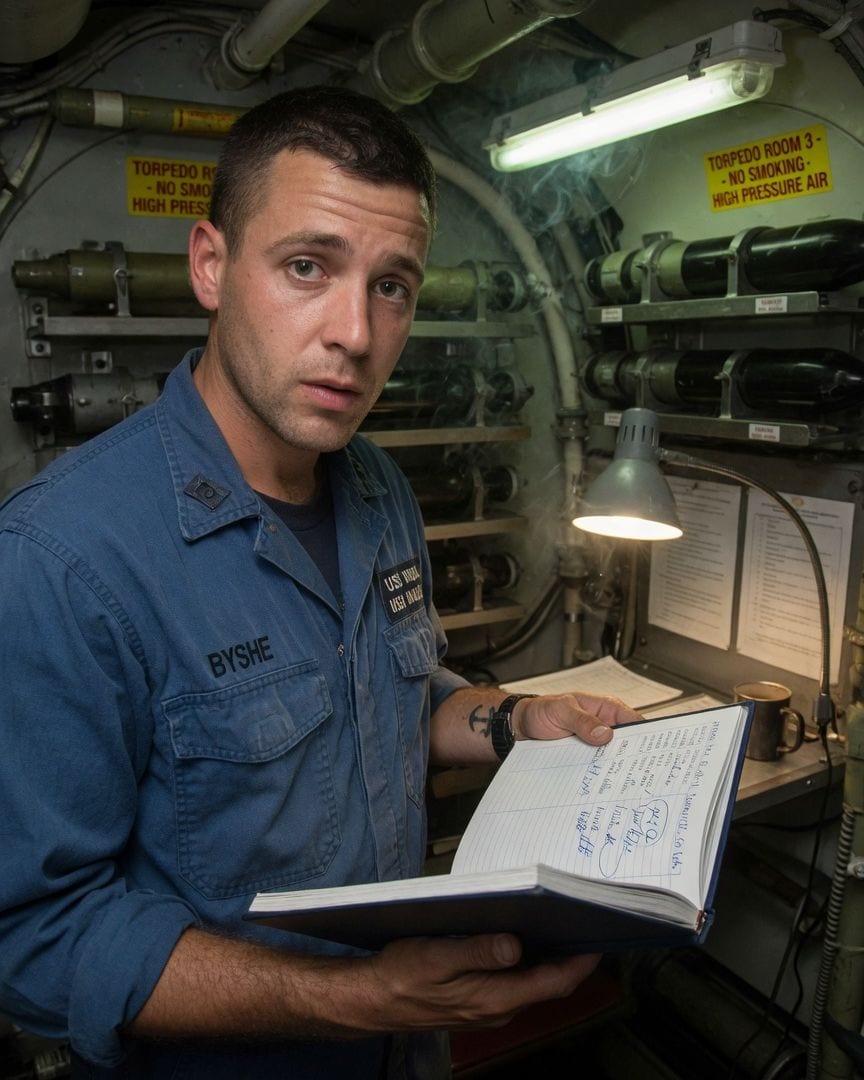 US Armed Forces
Torpedoman Oscar Bysshe, a rational sailor on his first deep patrol aboard the USS Vanguard, dismissed the messcook's nervous claim of an extra man at the table. He attributed the perfectly clean, untouched tray left behind to a prank. But later, during a routine systems check, Bysshe discovered his own familiar signature in the official duty logbook, for a watch he had been asleep through. Beside it was a name he didn't recognize, a name that shouldn't be there. A frantic check of the master crew manifest confirmed the impossible: the name appeared in the 'temporary assignments' section, dated just yesterday, scrawled in a hand eerily similar to his own.
11 min read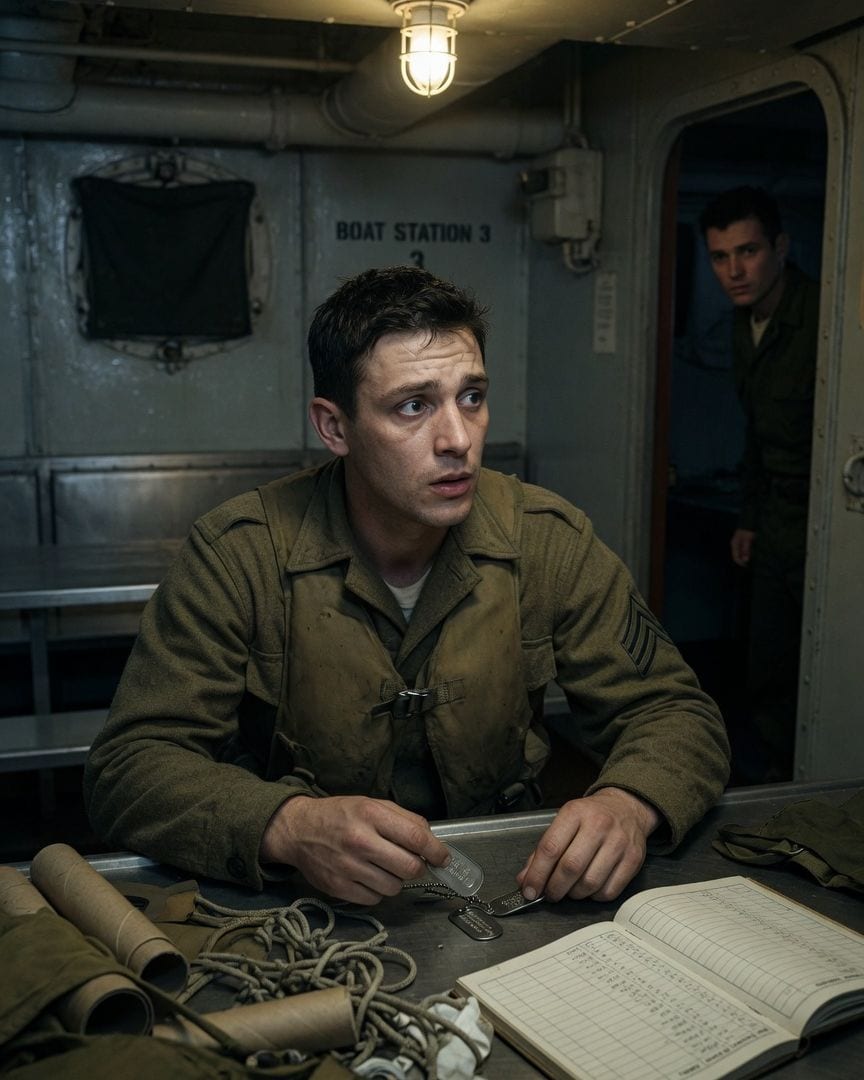 US Armed Forces
Corporal Desmond Novak was meticulously squaring away his last troopship crossing before transfer to shore duty on the USS Vance in 1943. He carefully counted 402 infantrymen onto the blacked-out vessel. But at the first boat drill, under dim emergency lights, 403 men solidified in formation, an impossible count that gnawed at him. Despite cross-referencing every roll, the extra man was always there, yet never the same twice. Then, tucked beneath rope in an emergency kit, Novak discovered a second, identical dog tag for Private Adam Hughes, a man he'd just seen in line, and a cold dread began to solidify.
11 min read