 Declassified
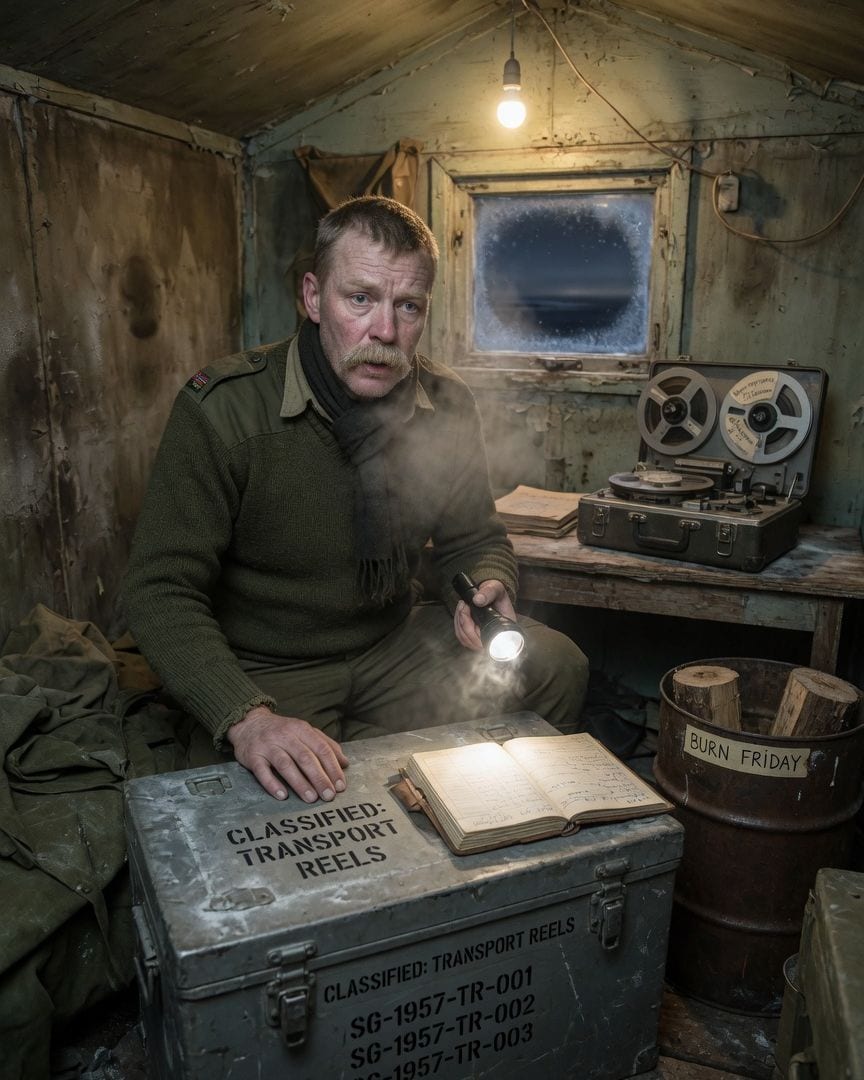
Sergeant Pell Ostrander shivered alone in a remote Norwegian fell hut in 1986, the Barents Sea his only company. With a stack of old reels to burn by Friday, he threaded one labeled "Barents ionospherics from 1957." A dry baritone voice crackled through the speaker, reading mundane log entries from decades past, until it detailed "three sealed transport reels" for disposal on Friday at 1600. Ostrander, a man of routine, checked his watch: it was only Wednesday, and no such reels existed in his hut. Then, in a dusty closet, he found a heavy metal box, sealed and marked 'CLASSIFIED', with the exact serial numbers of the reels the voice had described, waiting for its appointed burn.
11 min read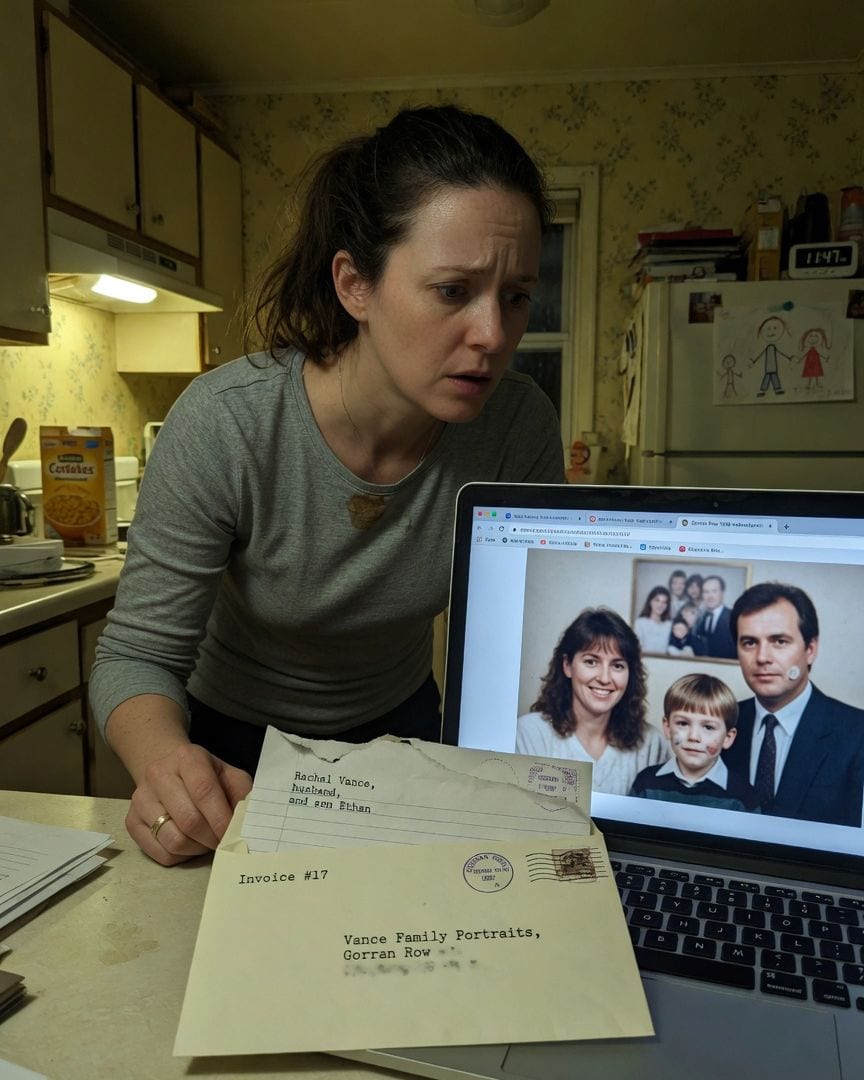 It Knows My Name
I've been receiving baffling invoices for a family portrait from a studio that closed in 1987, each one listing my son Ethan. My son was born decades after that studio shut its doors. Now, I've found an archived studio photo from 1987: my younger face, a stranger, and my son Ethan, his unique birthmark clear.
14 min read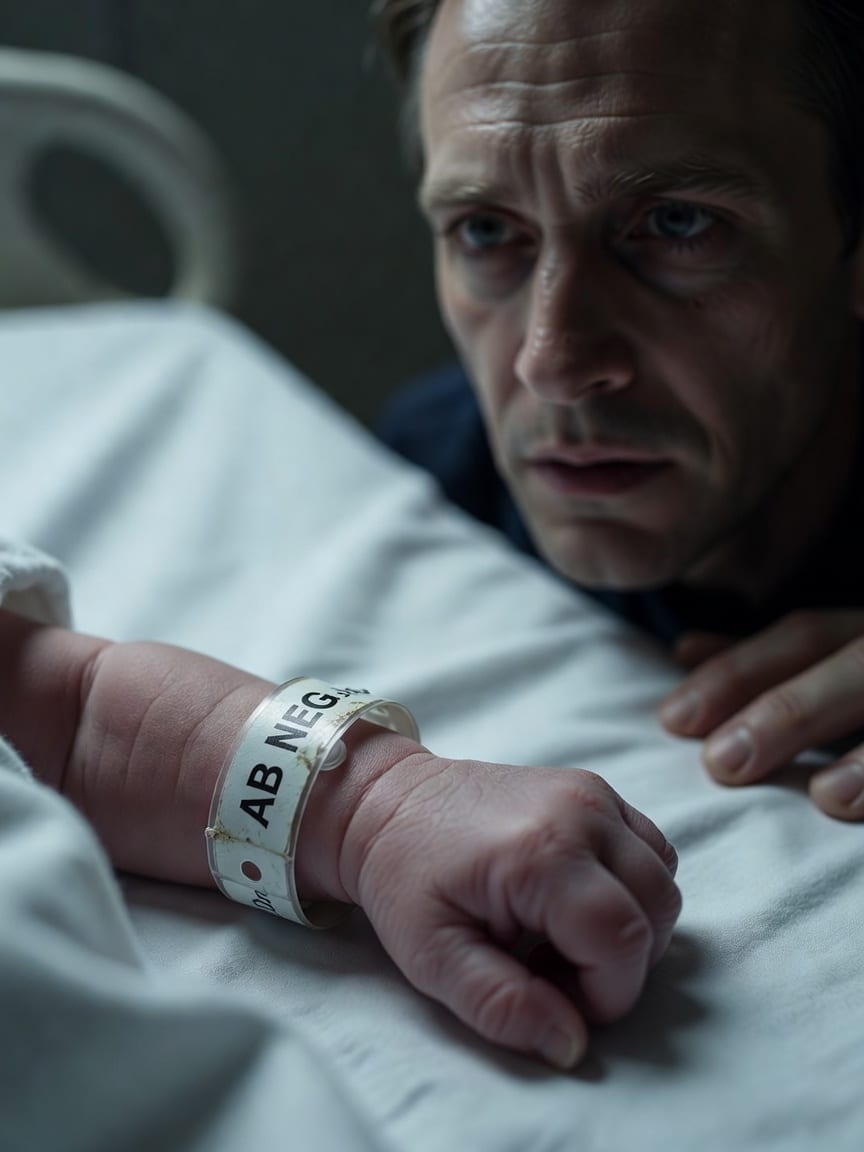 The Body That Doesn't Fit
I usually find the sterile scent of antiseptic calming, but not today. Dr. Mitchell revealed my bl**d type had changed from AB Negative to O Positive. Despite multiple fresh samples, the new results were undeniable, a medical impossibility that defied everything I knew about my own body.
12 min read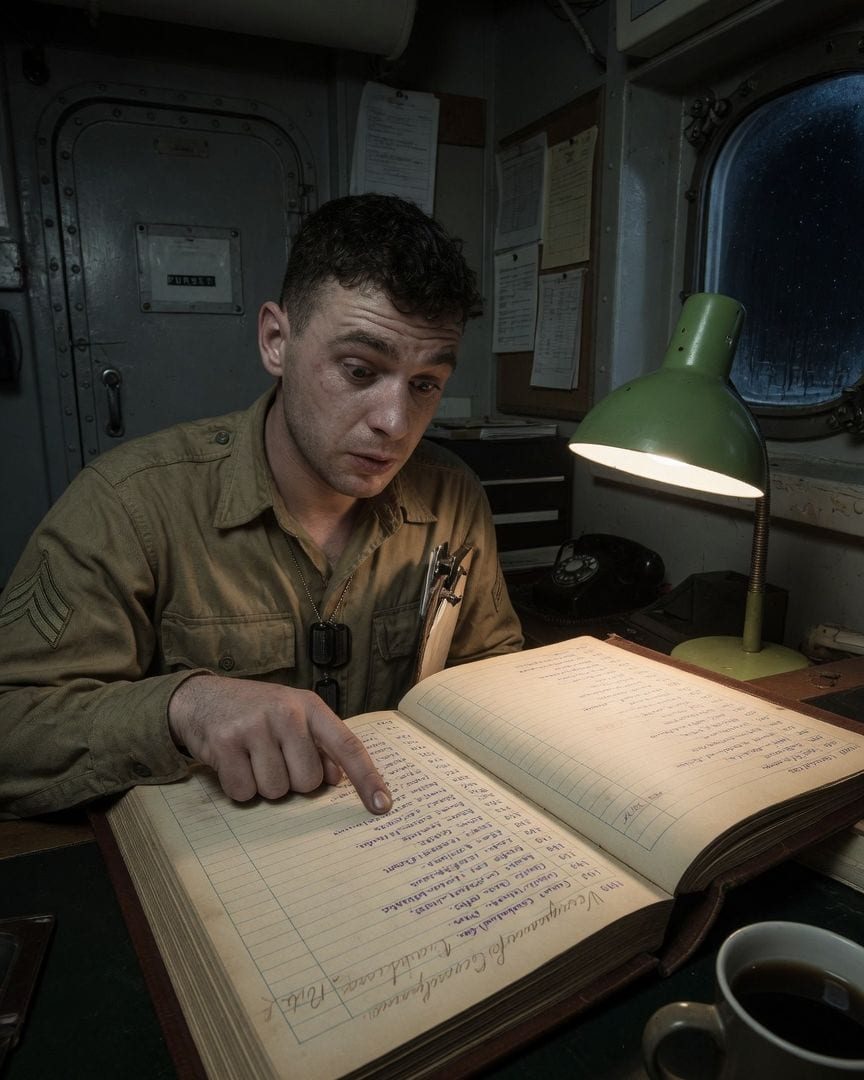 US Armed Forces
Corporal Arthur Kowalski was on his final Atlantic crossing aboard the USS Harrington, a promised reprieve before reassignment, but the cold Atlantic air was nothing compared to the chill seeping into his bones. Despite the official roll listing 402 men, the boat drill revealed 403 soldiers lined up, an impossible discrepancy that defied every record. His discreet investigation led him to the ship's master embarkation roll, where beneath the 1943 entries, he found a faint, handwritten name: 'Vestergaard, Corporal. 1918.' A World War I soldier’s name, in archaic ink, woven into a modern manifest – how could such an impossible entry exist?
12 min read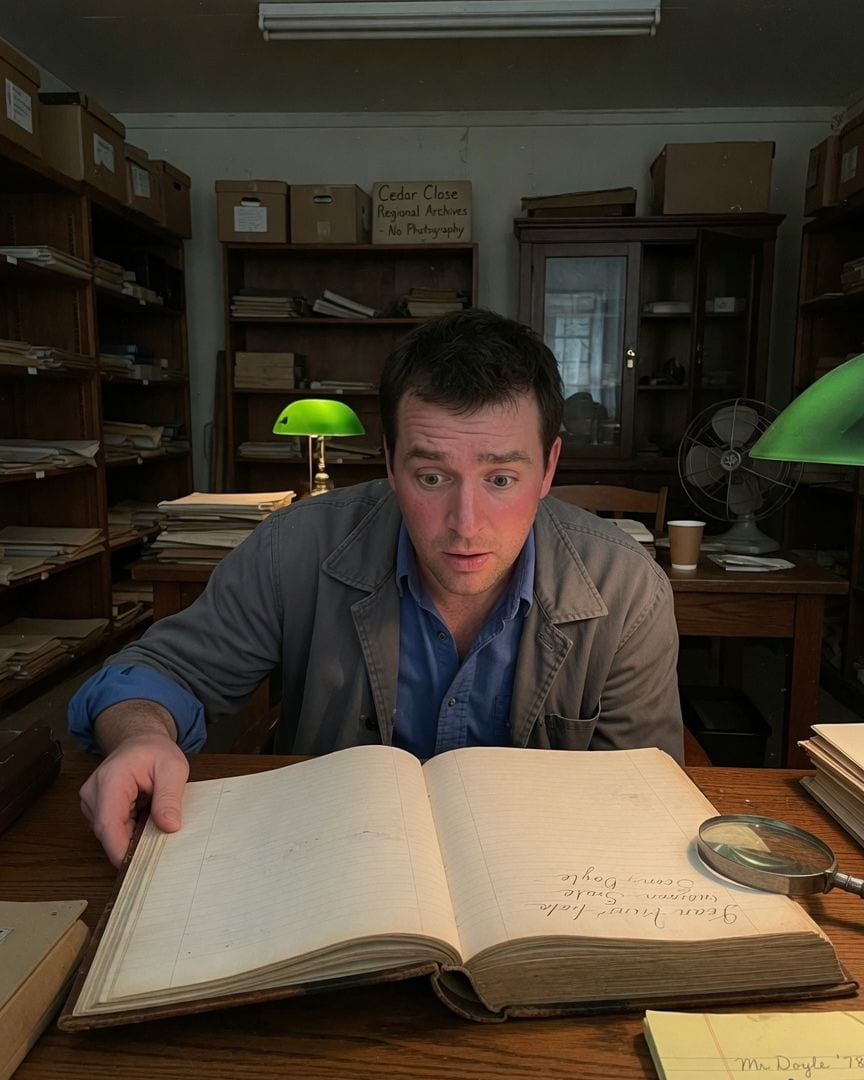 It Knows My Name
I was enjoying a quiet afternoon with my daughter at the Cedar Close playground when a small boy pedaled up to me. With unsettling blue eyes, he said, 'Sorry about your car, Mr. Doyle,' before turning and leaving. I had never seen him, and my car was perfectly fine.
15 min read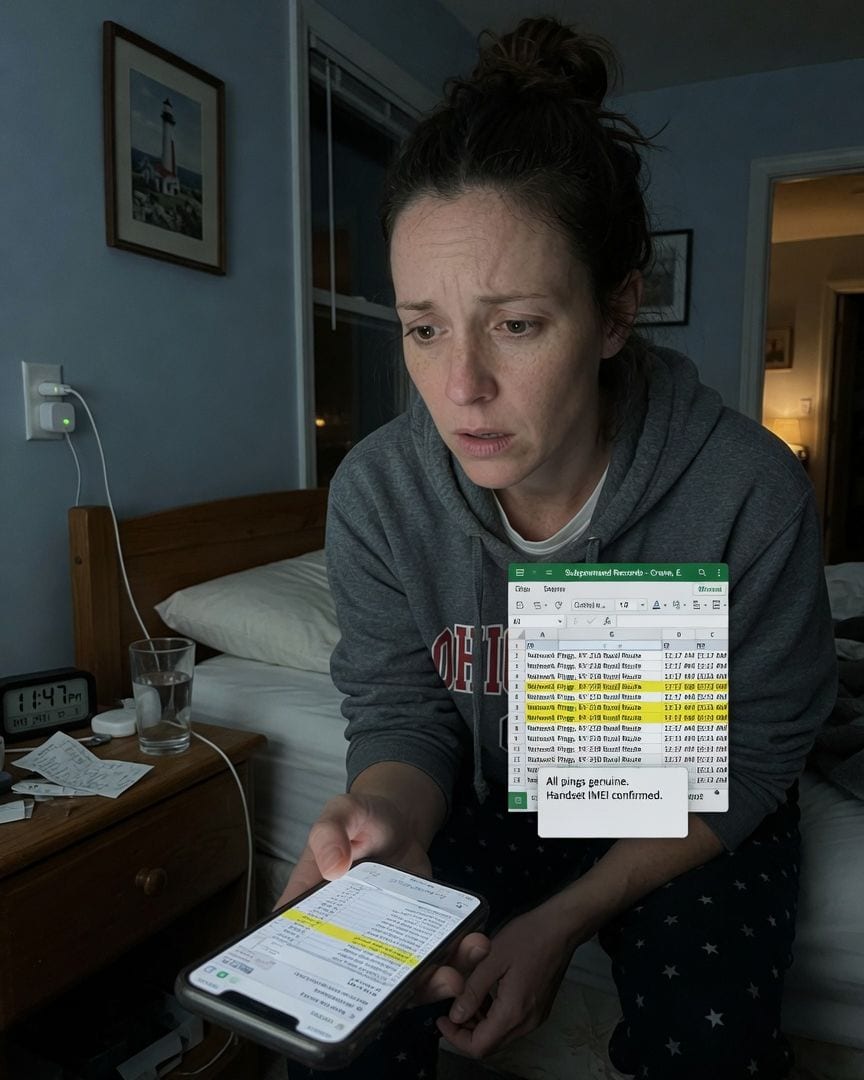 The Record Disagrees
My lawyer sent subpoenaed phone records showing my device driving through rural Kentucky for hours, even though it was plugged in beside my bed in Ohio. My smart-plug log confirmed its continuous charge, unbroken, all night. But then, a small charge on my bank statement for gas from that exact Kentucky route solidified the impossible.
11 min read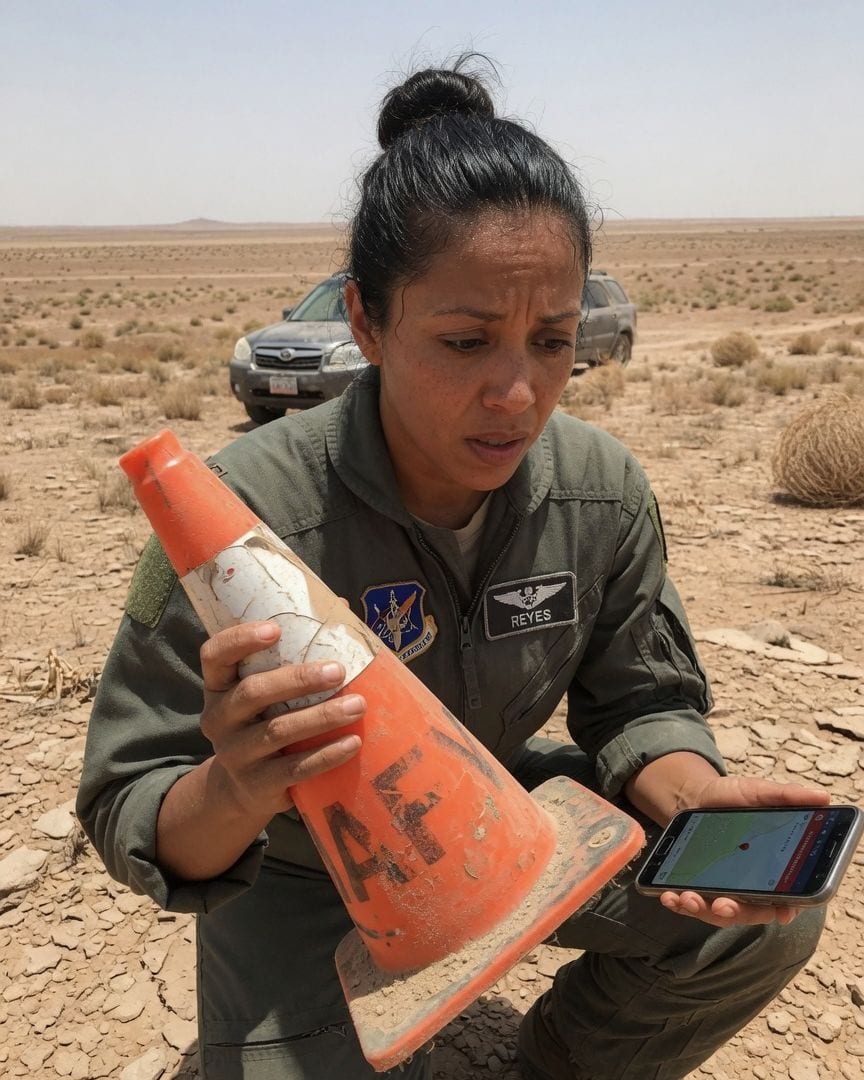 US Armed Forces
Captain Elena Reyes faced a dire situation: low on fuel and a storm blocking her home field, leaving one desperate divert option. A calm voice guided her to Outpost 73, and she landed her F-16 with immense relief, grateful for the lit runway and the man waving wands. However, her relief shattered when her home tower reported Outpost 73 had been decommissioned in 2005, its coordinates now just empty scrub. Faced with a career-ending inquiry, Reyes insisted on what she saw, driving to the desolate coordinates where a half-buried airfield marker cone proved her impossible landing was real. How could a ghost airfield leave physical proof?
12 min read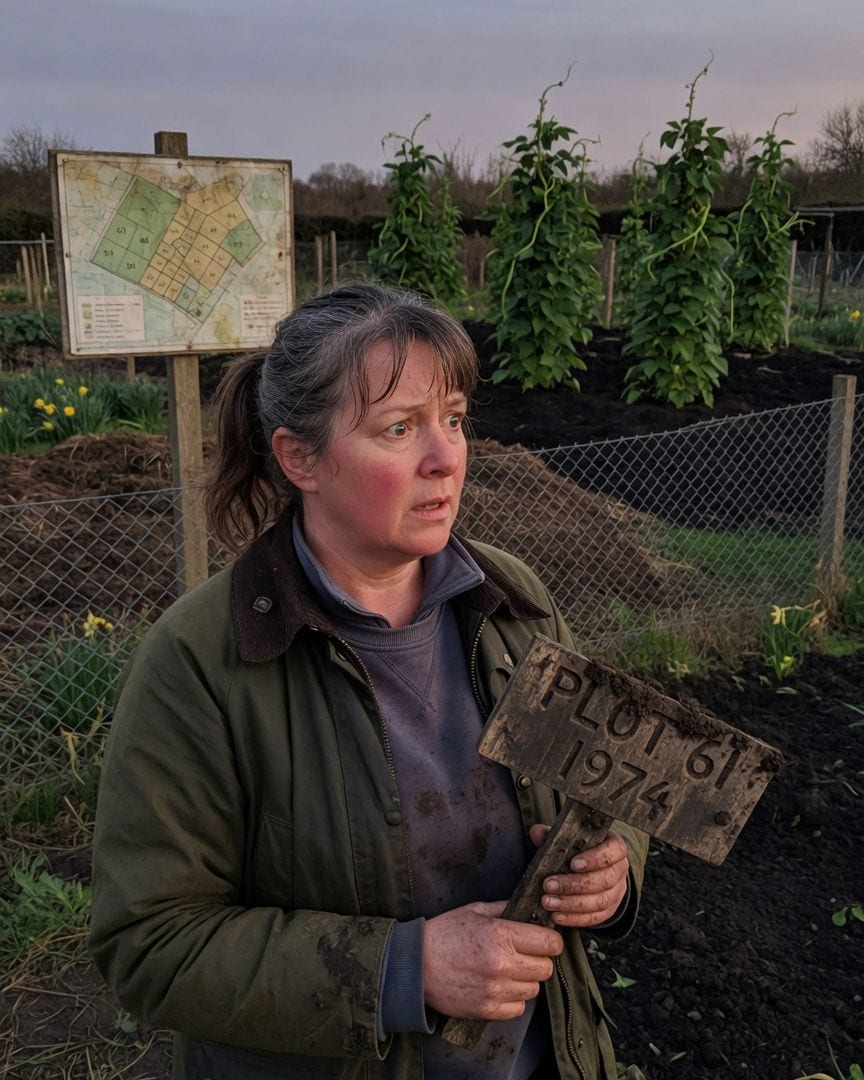 The Place That Isn't On The Map
My boots crunched on the gravel path towards my allotment, a twenty-year routine. But this morning, beyond the boundary fence where only weeds should be, a perfectly tilled plot lay, its runner beans already a foot high. The official map ran only to 60, yet this was undeniably Plot 61, with a weathered wooden marker carved '1974'.
15 min read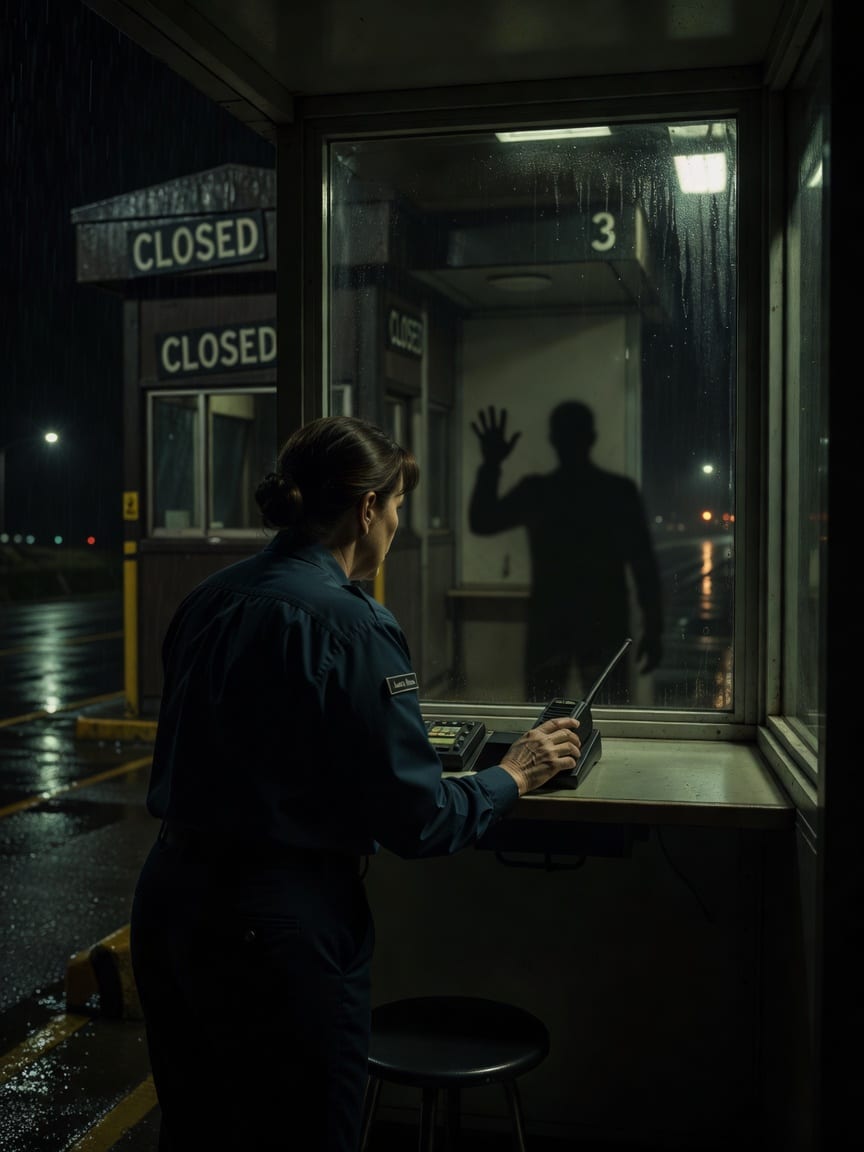 The Night Shift
Working the night shift, I logged vehicle counts from Booth 3 just like every other night. But my manager called, her voice tight, to tell me Booth 3 has been closed and unmanned since 2016. So who just reported the vehicle count?
11 min read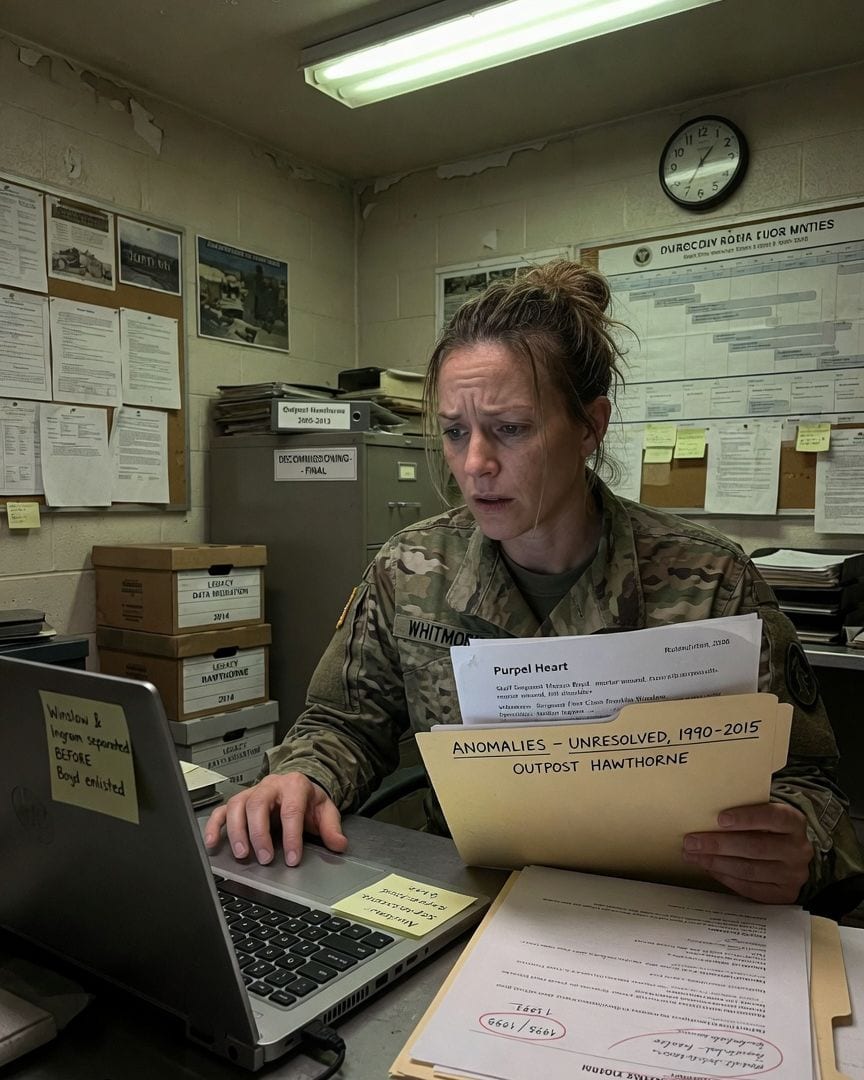 US Armed Forces
Captain Diane Whitmore, Adjutant for the soon-to-be-decommissioned Fort Clay, meticulously reviewed the final awards roster. Her office, usually bustling, was eerily quiet save for the fluorescent hum as she found an entry for Staff Sergeant Marcus Boyd: a Purple Heart for a mortar wound in 2012. But Boyd had returned unharmed, and the listed witnesses had separated from the Army years before he even enlisted. Colonel Sinclair dismissed it as data corruption, but Whitmore sensed a deeper anomaly, and ignoring a post historian's warning, she found another file from Outpost Hawthorne with the same impossible witnesses. What pattern was buried in Fort Clay's archives?
11 min read The One Who Came Back
After fifteen years, my daughter Naomi is finally home, and the relief is a physical thing. But at the dinner table, she recalled helping pick out my son Maxwell's name and using a private nickname I'd invented just for him. Naomi vanished a year before Maxwell was even born.
16 min read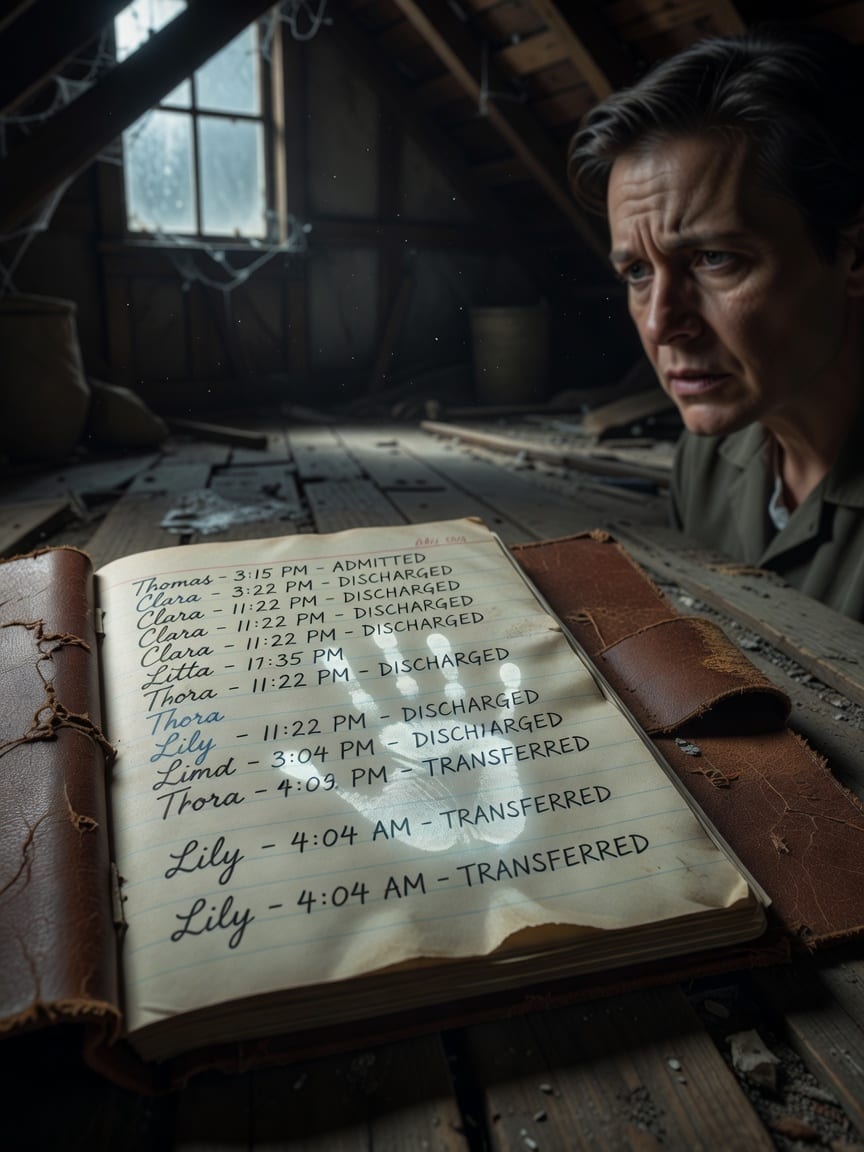 The Recording That Shouldn't Exist
For a week, my smart speaker has woken me at 4:04 AM with a faint chime. Its activity log reveals a small child's voice asking 'What time is it?' But Everett and I have no children, and no one else has been in our house.
14 min read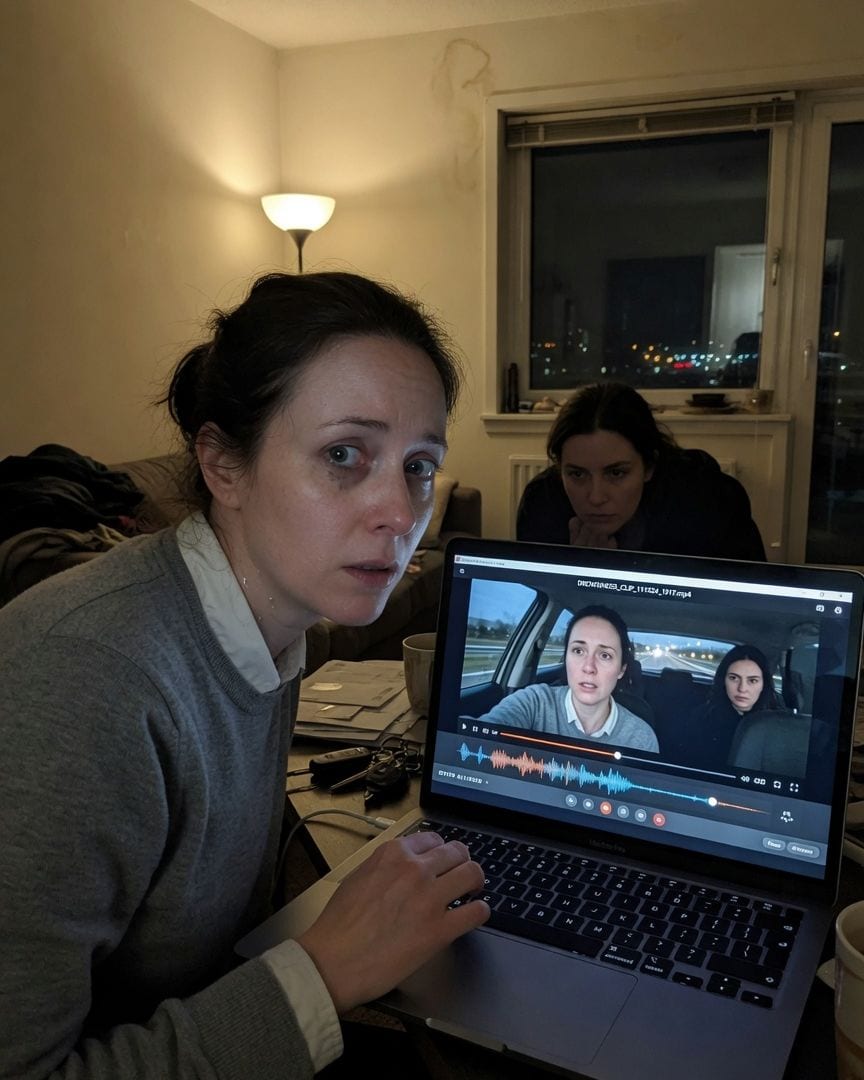 The Recording That Shouldn't Exist
My car's drowsiness alert camera usually just records my yawns. But a clip from my Friday commute showed a woman in the back seat, a space I knew was empty. Then, reviewing the audio, I heard a whisper from behind me, clear despite the static, articulating a single, desperate word: 'Conrad'.
15 min read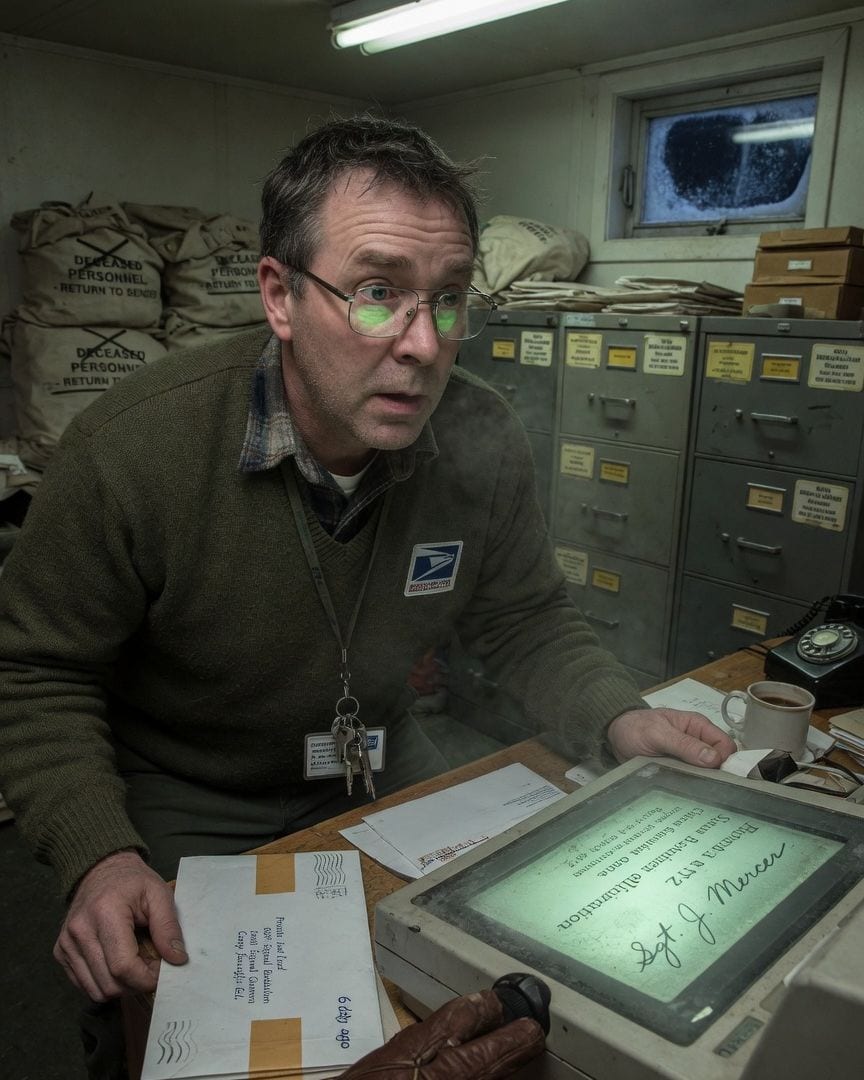 Declassified
Postmaster Rowan Ashcroft had spent two decades watching the weekly mail plane land at Camp Bidwell Annex, a lonely outpost in the bitter Alaskan wind. His methodical mind, accustomed to order, was jolted when the latest mail sack contained forty-three letters for men officially declared dead in 1969. Each envelope, postmarked within days, was addressed to a soldier who wasn't coming back, and Rowan found one already opened and neatly resealed. Driven by duty, he began to sift through declassified Army archives, only to uncover a chilling maintenance log entry for the camp's equipment, dated three years after the base was officially shuttered. What was still happening at Camp Bidwell?
9 min read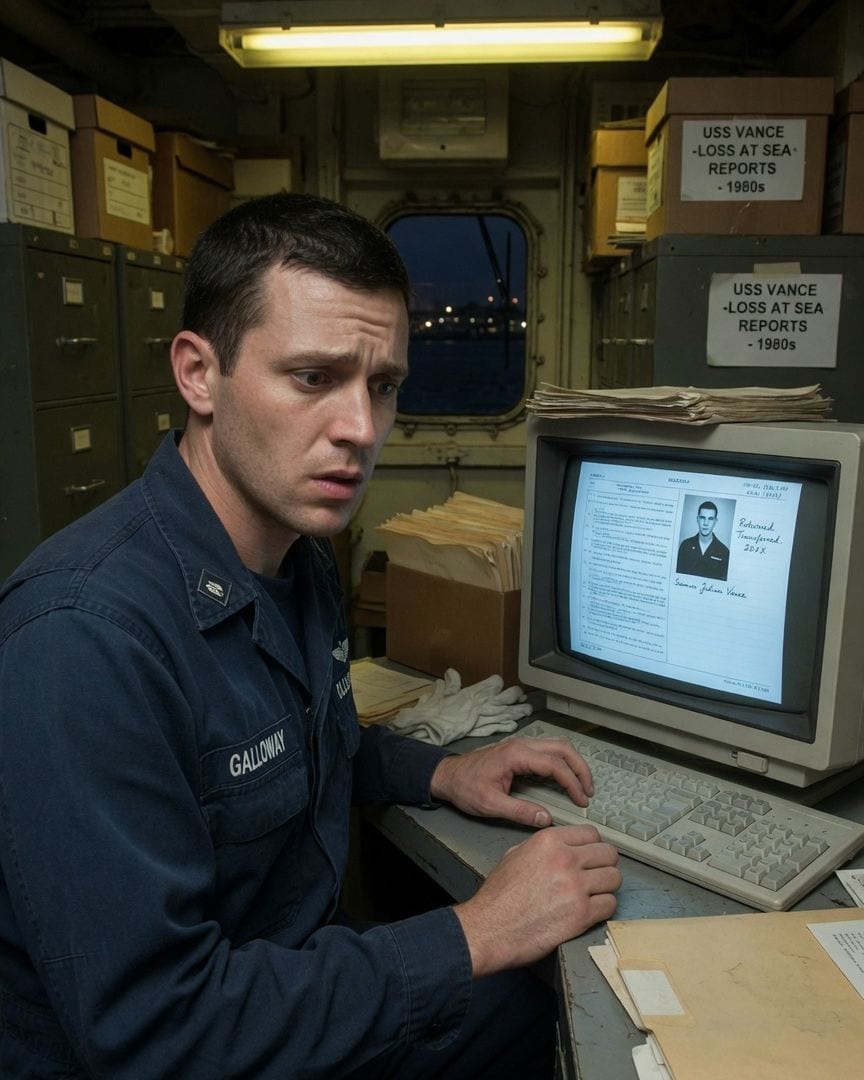 US Armed Forces
Petty Officer Joel Galloway scanned a sailor's ID on the USS Vance quarterdeck. The man's name, 'Seaman Julian Vance,' and his out-of-date uniform pricked at Galloway's memory. Later, the ship's berthing count came back one over, with an extra entry in the system but no physical body.
14 min read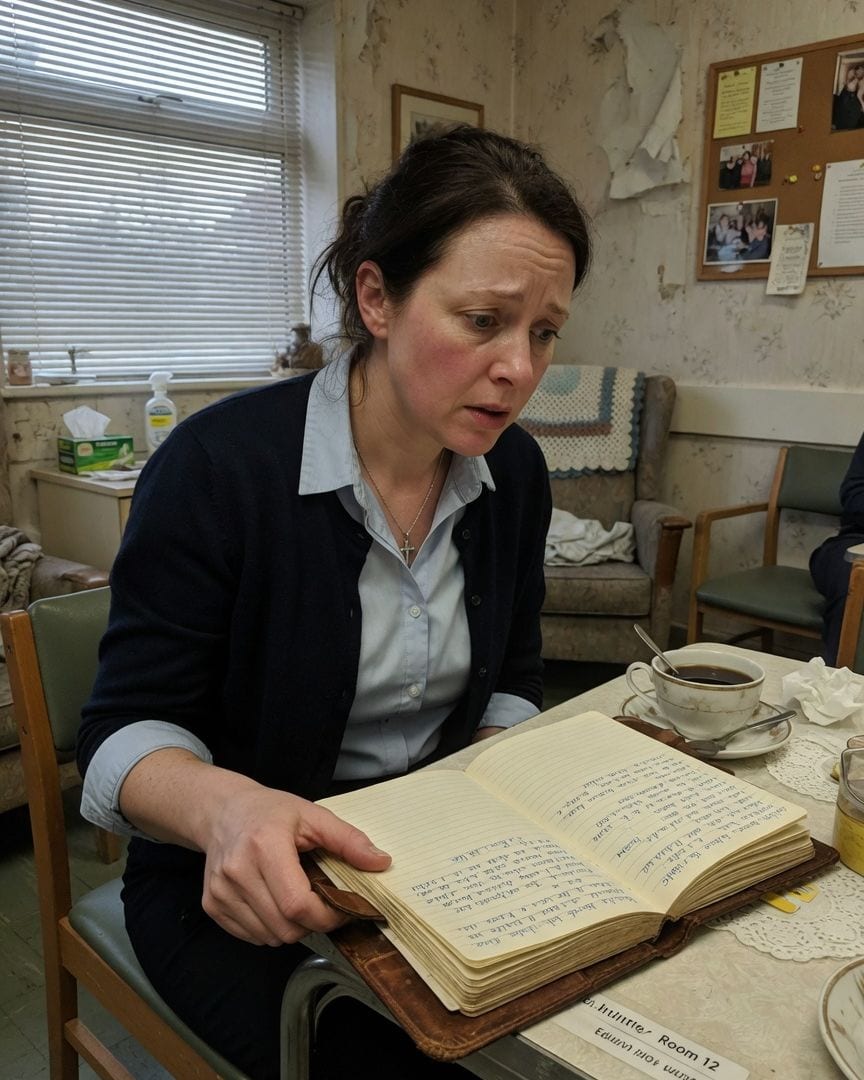 The One Who Came Back
My grandmother, Edith, returned to the hospice after five missing days, her serene smile a comfort. But as she made the sign of the cross, her hand moved in a mirror image—right to left instead of left to right. A cold, sharp dread settled in; this was not the ingrained habit of a lifelong Catholic.
12 min read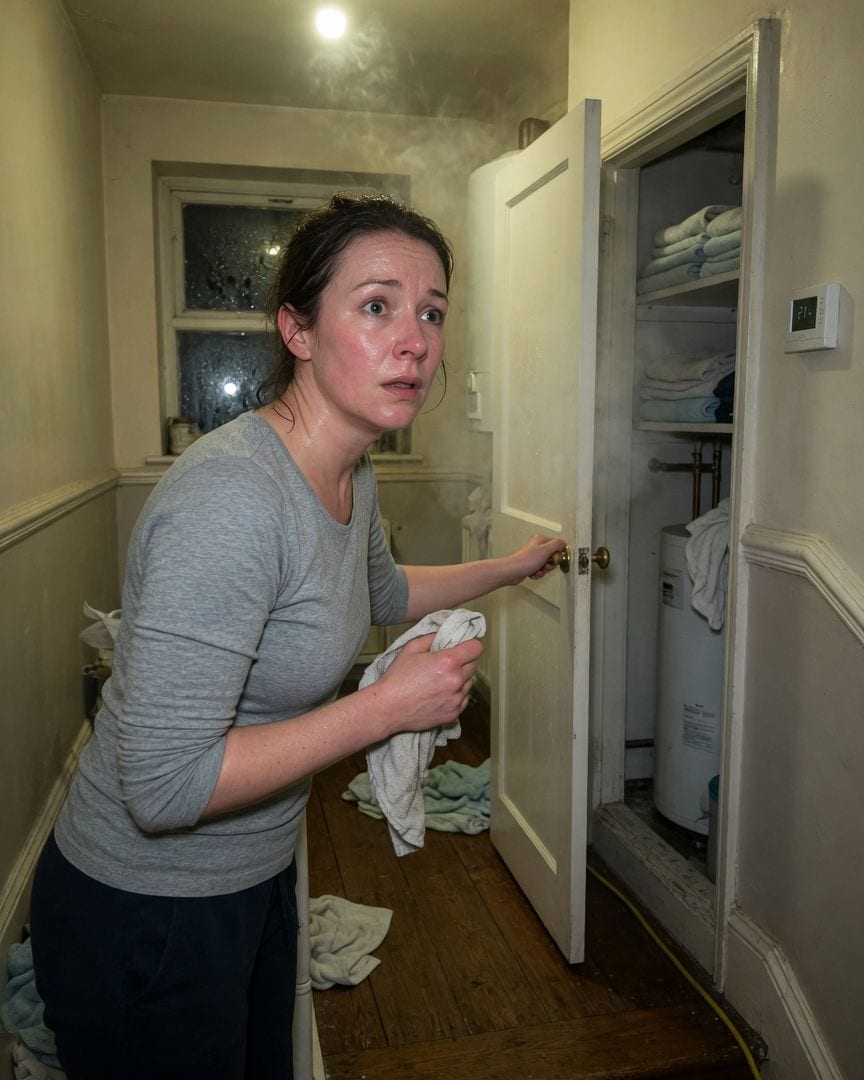 The House Remembers
My new house, bought just last spring, felt colder than expected. When I opened the airing cupboard, it wasn't mine at all, but a blast of steam and a roaring fire from an impossible past. Days later, a faint, metallic smell still drifted from the landing, and a worn path on the floorboards led to a hidden, ancient sampler beneath my feet, dated 1892.
15 min read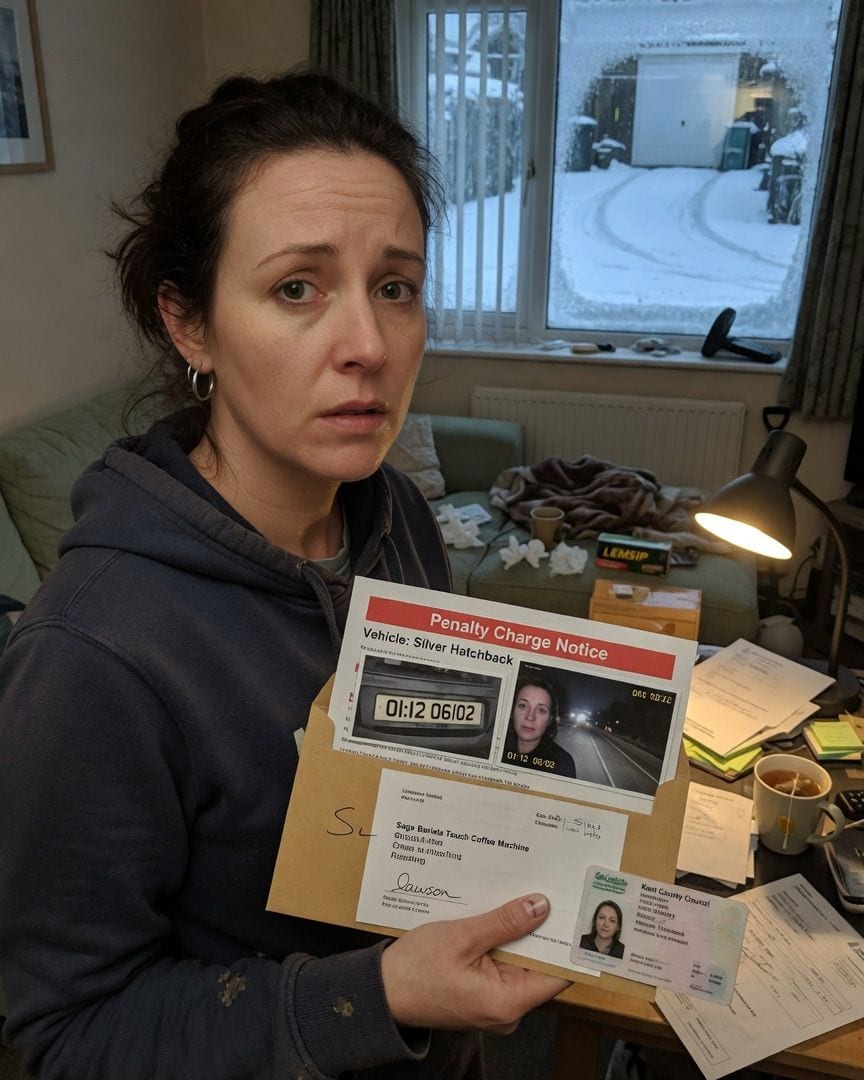 The Record Disagrees
I received a speeding ticket from Kent, claiming my car was clocked at 94 mph 200 miles away. But my silver hatchback was snowed into my Bristol garage that night, witnessed by my neighbor. The attached photo, grainy but undeniable, showed my face behind the wheel, staring back.
11 min read The Night Shift
The pharmacy logs showed a controlled substance dispensed under my login at 3:02 AM. I was in the break room, nowhere near the counter. But then the security camera showed my face, performing the dispense, a perfect but terrifying imitation.
11 min read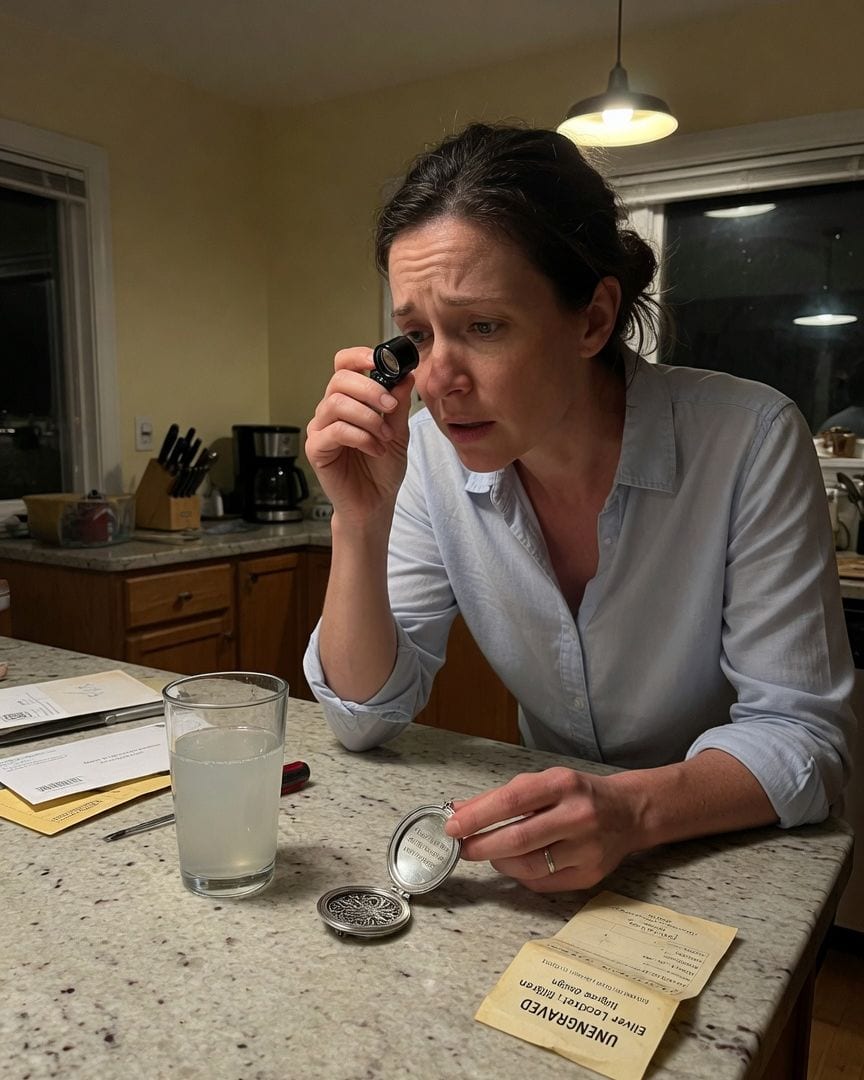 It Knows My Name
My husband gave me a beautiful antique locket, a heavy silver oval. Inside, etched in microscopic script, I found my maiden name 'Marsh' – unused in eleven years – and the chilling phrase 'until the ninth.' But the dealer later confirmed this very locket was sold just five years ago, explicitly marked 'unengraved'.
14 min read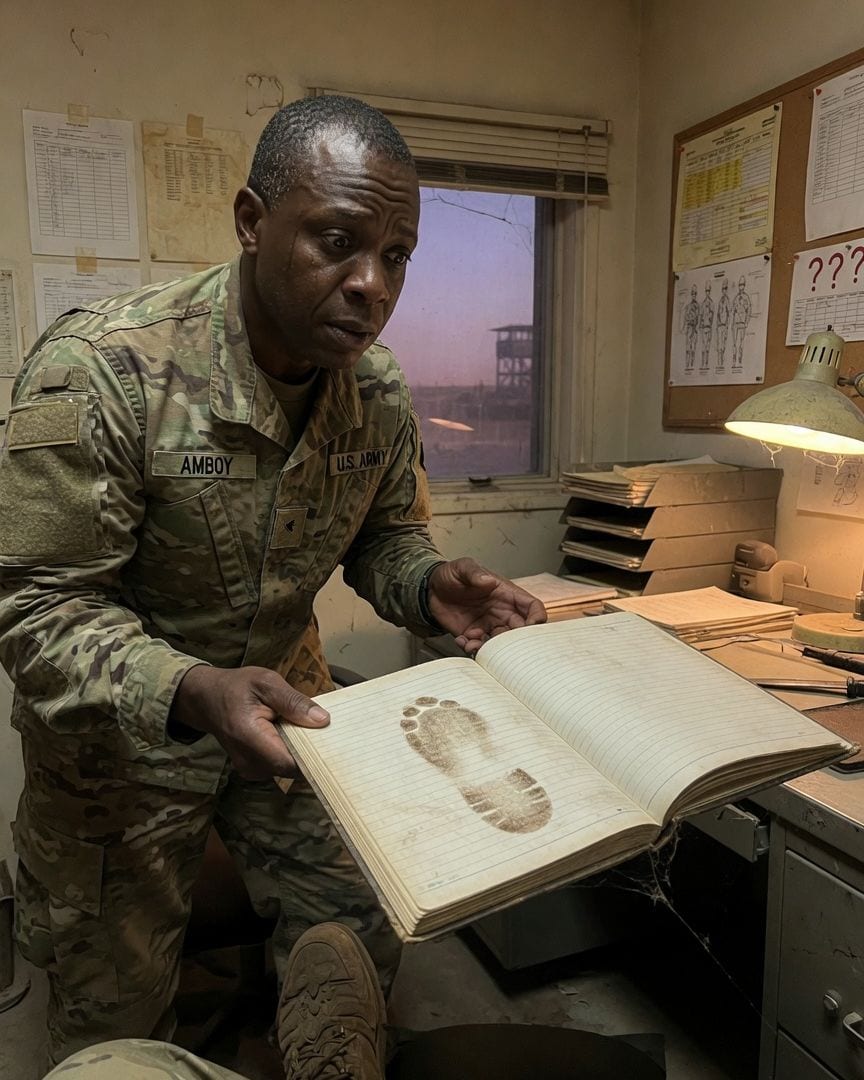 US Armed Forces
Sergeant First Class Nathaniel Amboy, a by-the-book NCO, was eager to complete his temporary assignment at the desolate FOB Kestrel. During a routine morning formation, his count came up one man over, a discrepancy he promptly reported to Captain Hughes, dismissing an old, superstitious warning. But that evening, after a correct count, an extra soldier shimmered into existence behind the last man, solid and silent, visible only to Amboy. As the phantom soldier persisted, defying all reason, Amboy's search for answers led him to a hidden logbook, where a bootprint on the last page matched his own combat sole exactly.
11 min read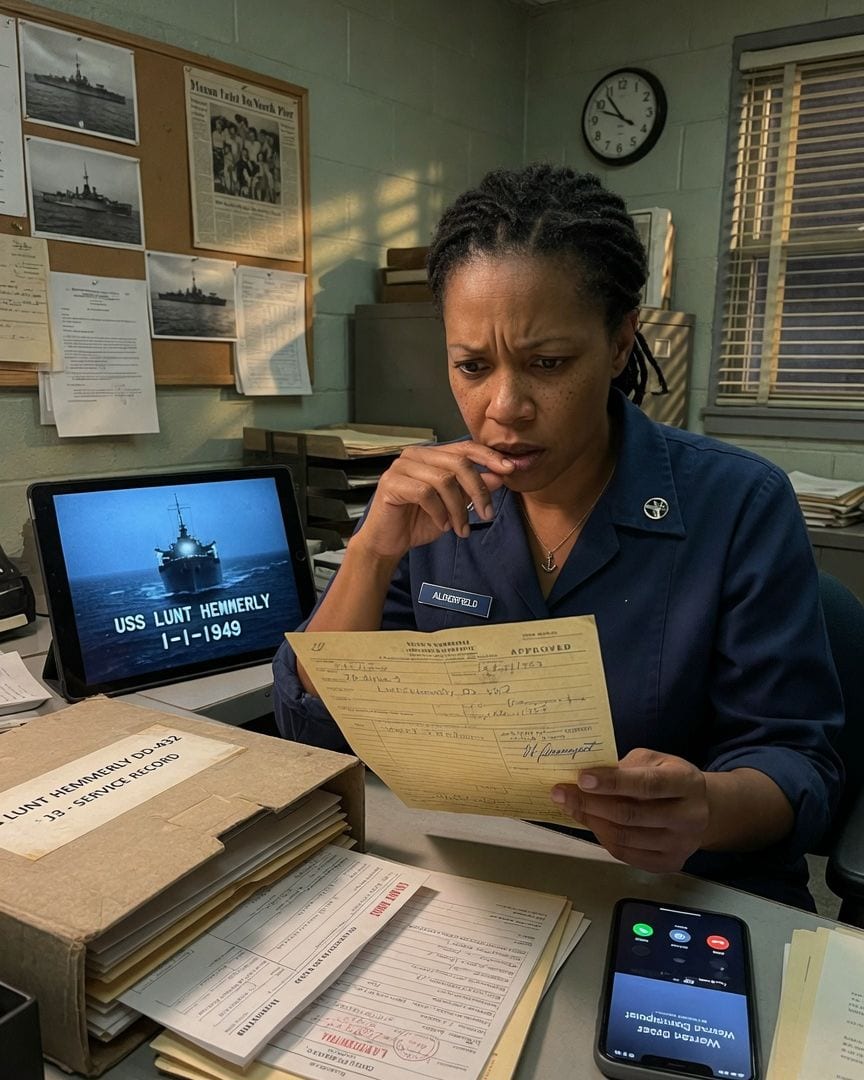 Declassified
Public Affairs Officer Reece Alderfield was professionally satisfied, watching a livestream of the USS Lunt Hemmerly wreck. The destroyer escort, officially lost in 1949, had its name legible on the stern plate. But then the camera dipped, revealing the ship's loss date, '1-1-1949', welded starkly beneath its name. Back at Naval Station Norfolk, Reece's cold dread deepened when she found a requisition form for the same ship, ordering a specific part, dated April 14, 1953 — four years after its official loss. Could a lost ship still be ordering parts?
11 min read The House Remembers
I moved into my old house for a fresh start, loving the quiet kitchen with its antique cast-iron range, disconnected since 1990. One morning, the cold iron inexplicably radiated heat, a strange kettle began to sing, and the scent of woodsmoke and tea filled the room. It vanished as quickly as it appeared, leaving only an impossible dread.
14 min read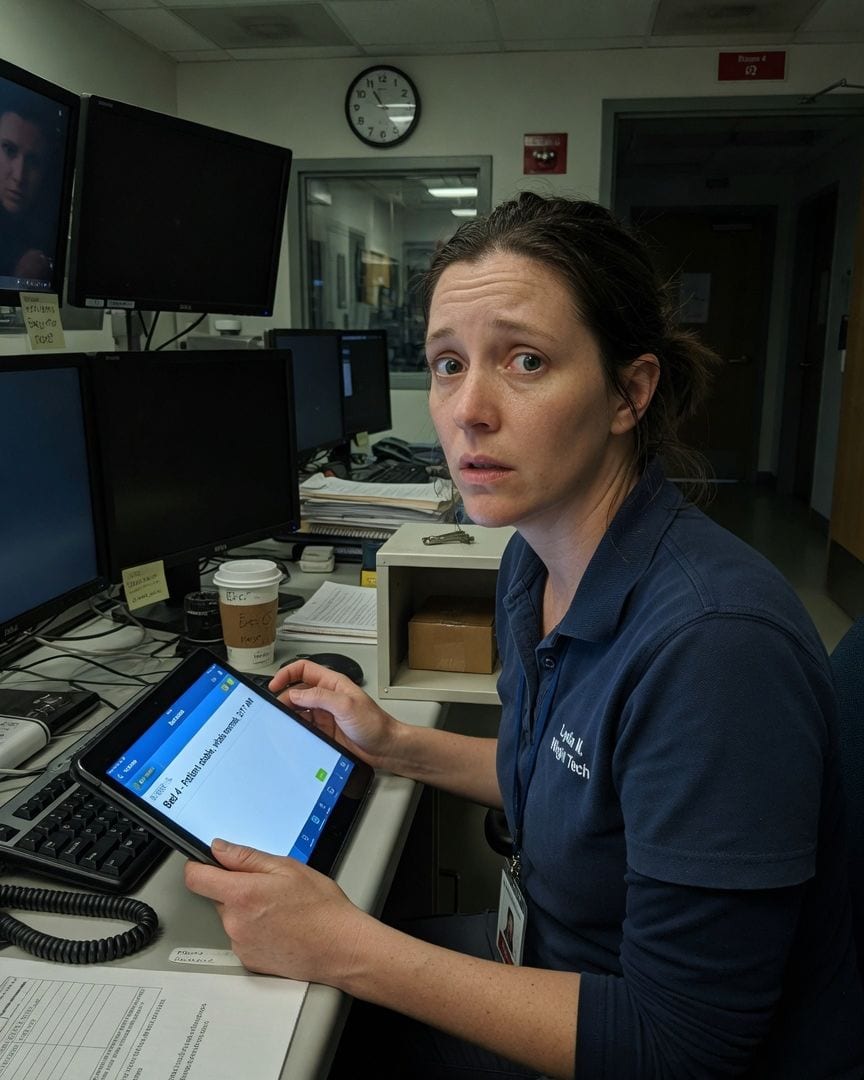 The Night Shift
It was 3 AM, and the sleep clinic should have been empty, especially Bed 4, which was officially offline for repair. But for the third night in a row, a patient in Bed 4 was waving at me, their voice asking about a humming sound through a disconnected intercom.
12 min read