 Declassified
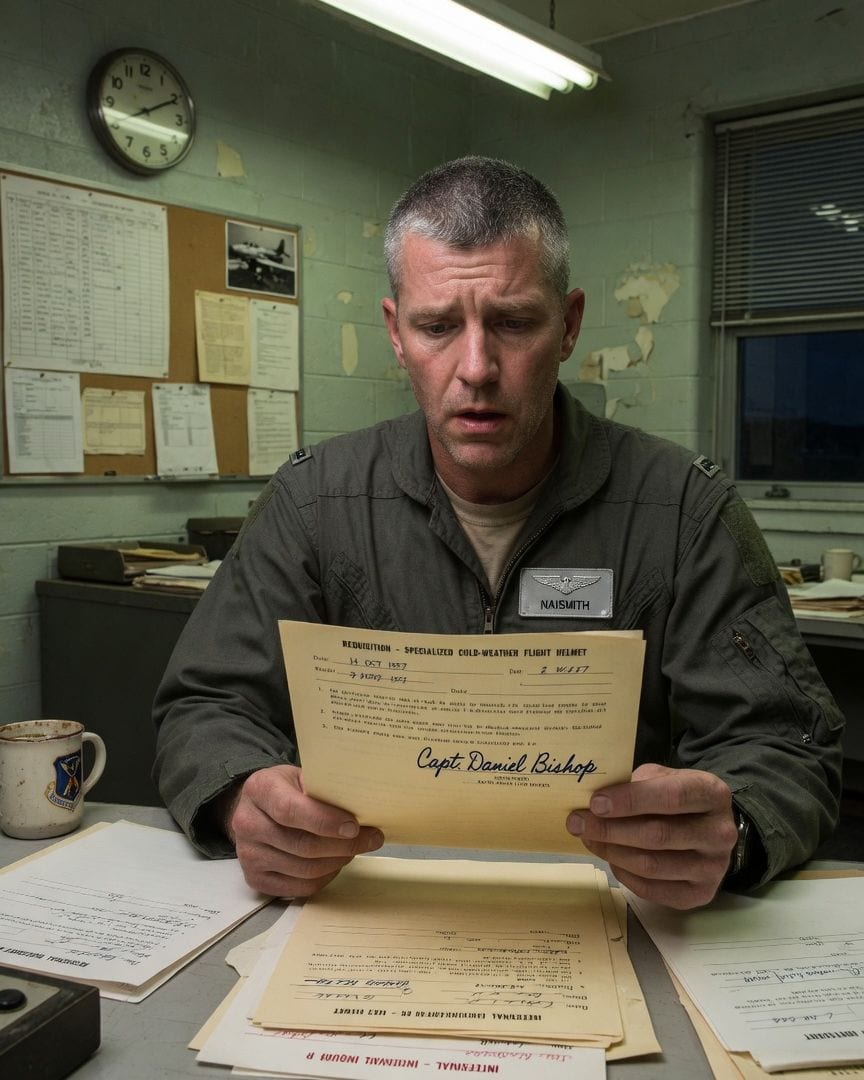
Colonel Ward Naismith faced the grim task of reviewing Captain Daniel Bishop’s personnel file, a routine chore for a man listed as Missing in Action. Bishop had vanished days after he and Naismith chased an impossible, silent disc over Lake Superior, leaving only an empty patch of air and a knot of unease in Ward's gut. Sifting through commendations, Ward found a requisition for flight gear and a maintenance sign-off, both dated *after* Bishop’s disappearance. The true chill came with the requisition for a specialized flight helmet, bearing Captain Bishop’s unmistakable signature, weeks after he was presumed lost. How could a man presumed lost have signed anything?
11 min read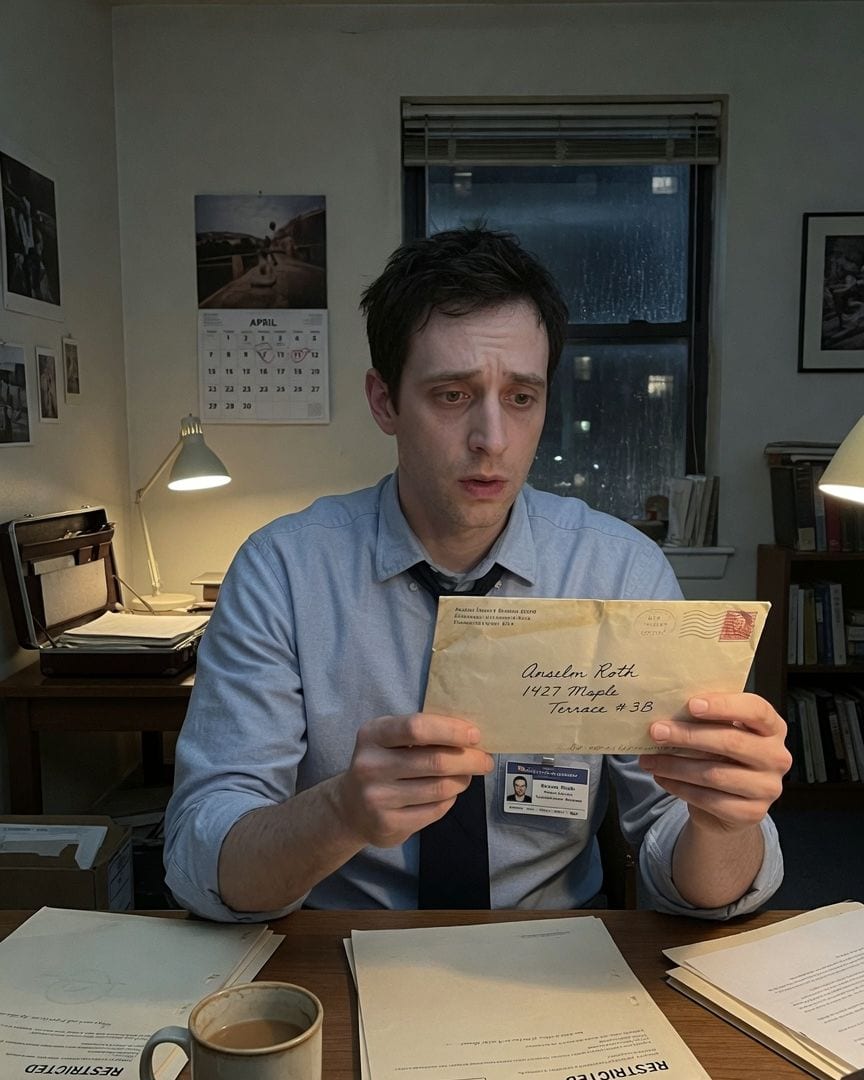 Declassified
Declassification reviewer Anselm Roth meticulously sorted through a Cold War-era file on impossible disappearances at the National Archives, a routine 'thirty-year clock' review in 2014. Among the countless records of vanished ships and military units, he found an unscheduled addendum: a thick, sealed envelope addressed to him in his dead grandmother Eleanor Vance’s unmistakable hand. The postmark read 1974, years before he was born, and the paper itself was faintly, inexplicably warm against his fingers, defying every archival principle. Later, a photograph inside revealed his grandmother in an unknown uniform with a stark warning: 'They file us, Anselm. Don't let them finish.' This wasn't just a record of the lost; it was still active.
13 min read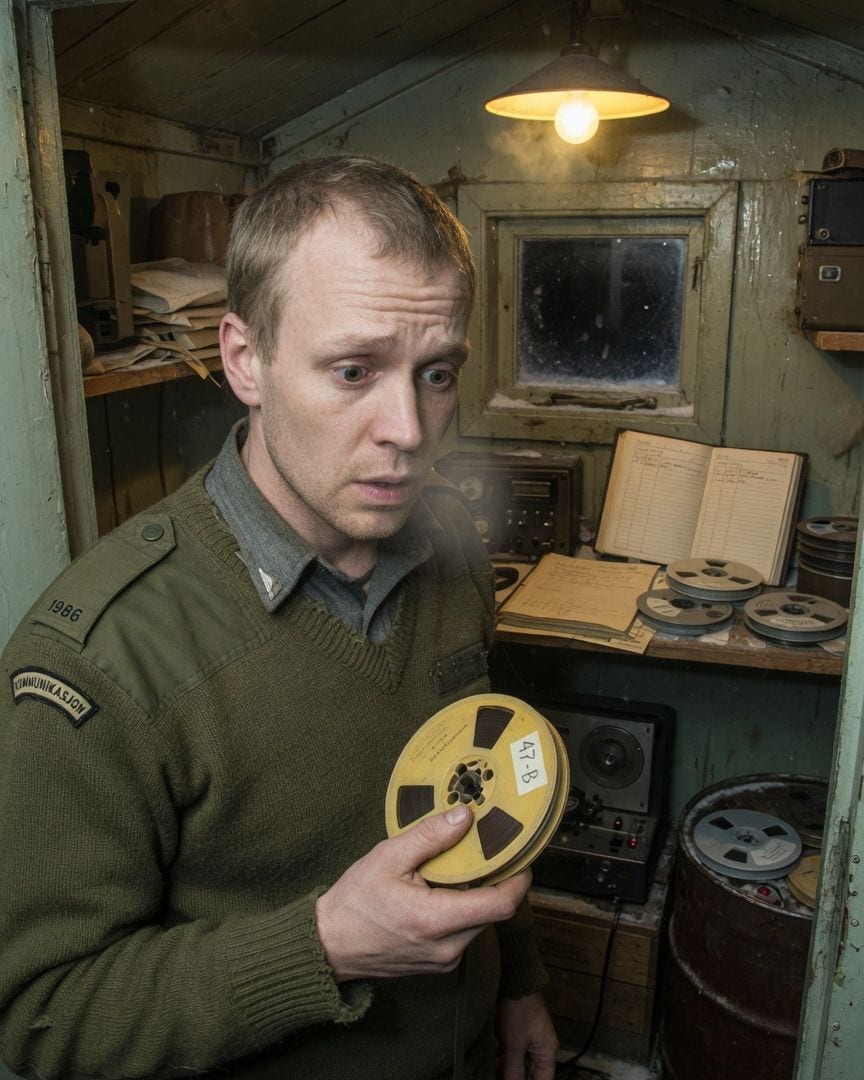 Declassified
Sergeant Pell Ostrander, a methodical communications specialist, shivered in the damp chill of a remote Norwegian fell hut in 1986. It was his last night before the facility was decommissioned, and the last resupply chopper had left him alone with crates for tomorrow's burn. Playing an old magnetic tape, Ostrander heard a station log for his very outpost. The calm voice on the recording began to read "Friday's entries," detailing a disposal count for the next day – yet it was only Thursday night. Moments later, he discovered a specific missing reel, unnaturally warm and thrumming with a faint vibration in his hand.
10 min read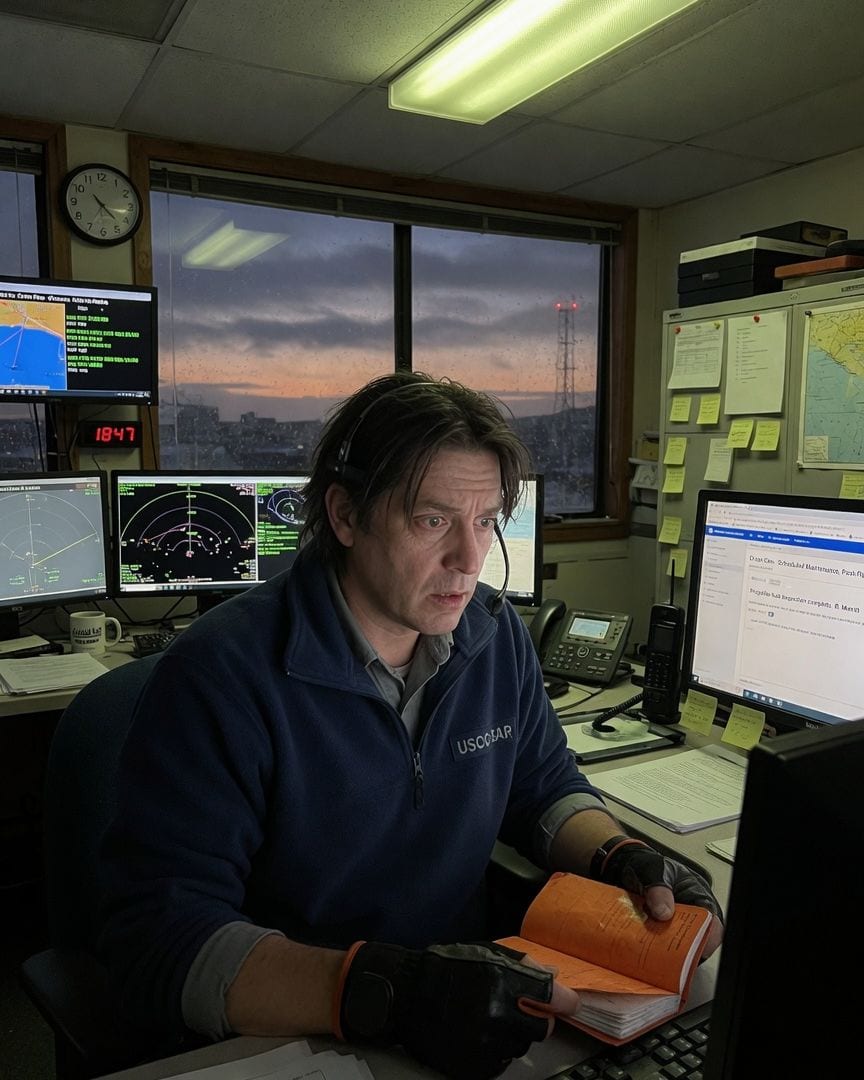 Declassified
Dell Krznaric, a US Coast Guard Search and Rescue Coordinator, faced the grim task of standing down the search for 'Orion One,' a transport missing nine souls for eleven hours as sundown approached over the frigid Aleutian waters. His critical rescue window was closing fast. When a fishing trawler found an empty life raft, Dell discovered a survival log inside—its last entry dated eight hours into the future, reporting an engine sound yet to be heard. Later, he found a maintenance report for the lost aircraft, digitally signed by Loadmaster R. Merritt, dated two days after its presumed loss. The system accepted the impossible signature, leaving Dell to wonder how a lost plane's records could still be writing from a future that hadn't arrived.
13 min read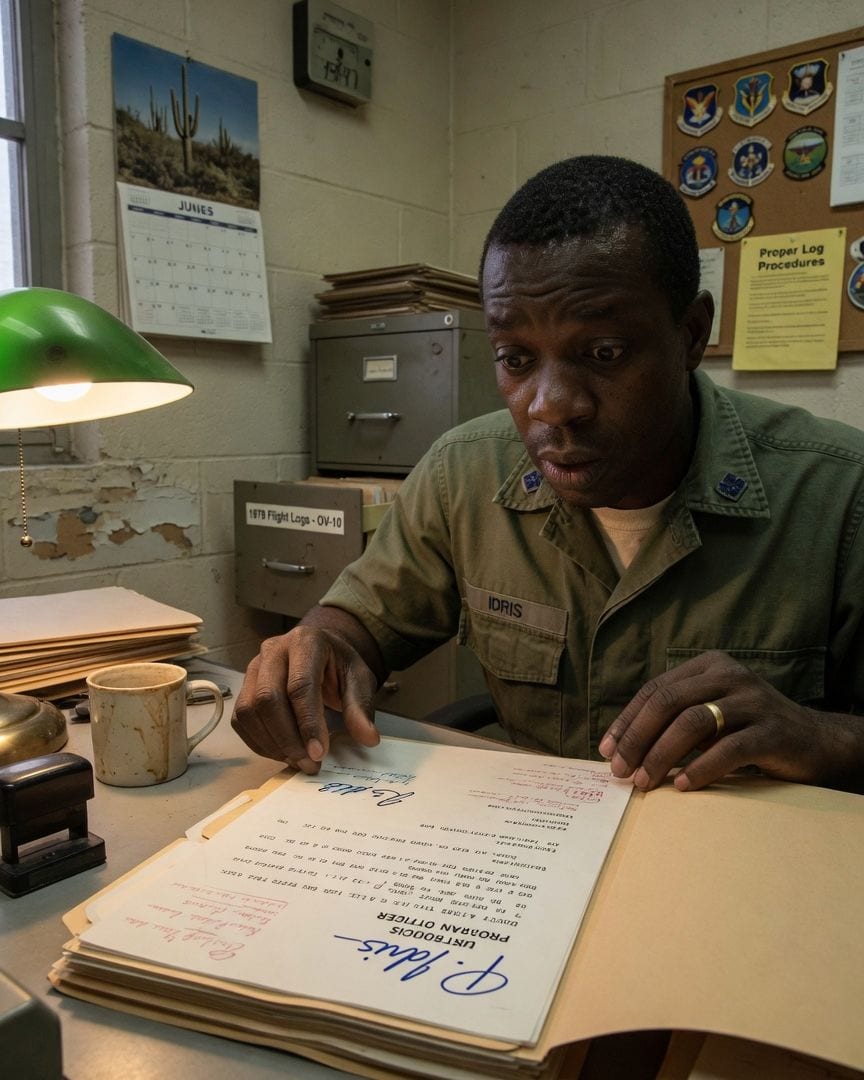 Declassified
Warrant Officer Prosper Idris was on a lonely border patrol over the Arizona desert in 1979, the brutal sun matching the heat of his dwindling marriage. His twenty minutes of loiter fuel felt like an eternity when a solid, metallic disc, impossibly still and silent, rose from a dry lakebed ahead. After reporting the UFO and a terse debriefing, he was grounded for psychological evaluation. Weeks later, sifting through routine flight logs, Prosper found a report for his own OV-10, dated three weeks *after* his encounter, bearing his unmistakable signature for a patrol he had never flown. He stared at the perfectly rendered ink, a cold knot tightening in his gut, knowing this wasn't just paper.
8 min read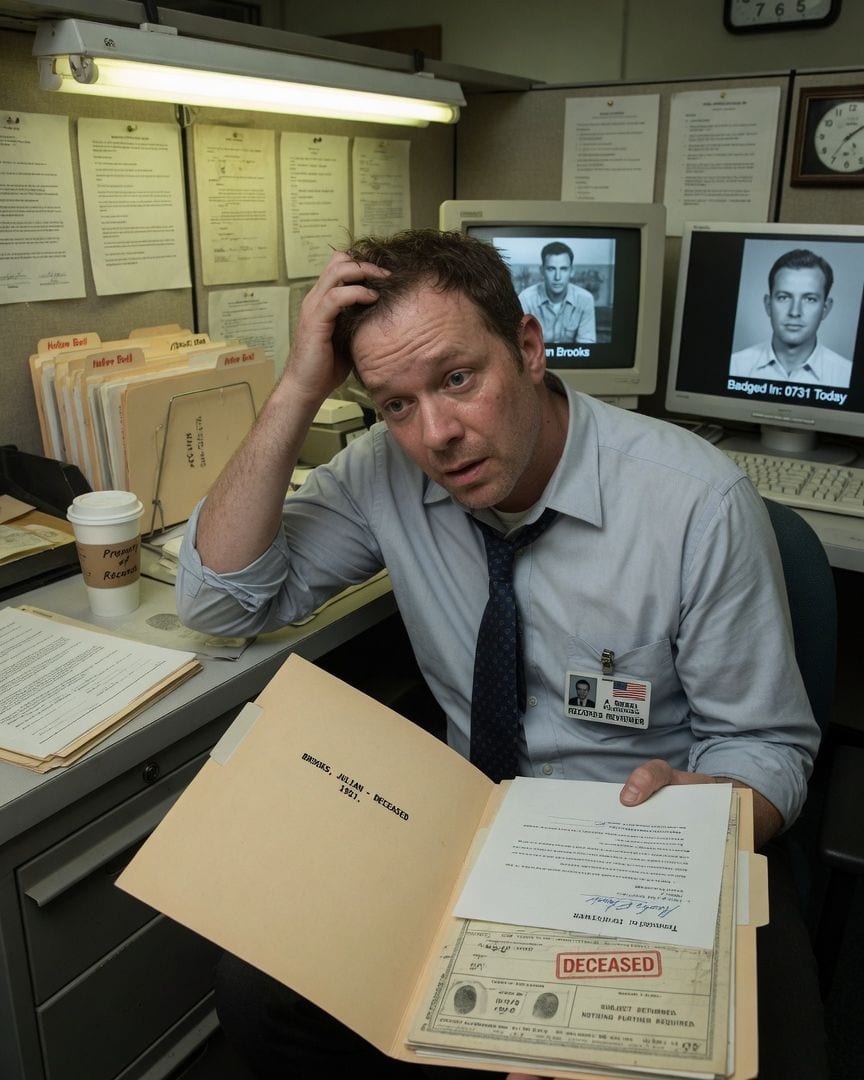 Declassified
Anton Skeel, a meticulous government records reviewer, typically found his cubicle farm full of stale coffee and routine. But a slim folder marked 'RESTRICTED' shattered his quiet order: it contained a fingerprint card for Julian Brooks, a man officially dead since 1951. The system, however, showed Brooks badged into the building just hours earlier. Skeel's search revealed a file that simply kept writing, documenting a full career after Brooks’ official demise, culminating in a transfer order signed by Skeel’s own supervisor. The quiet hum of the office suddenly felt deafening as the impossible truth settled in.
10 min read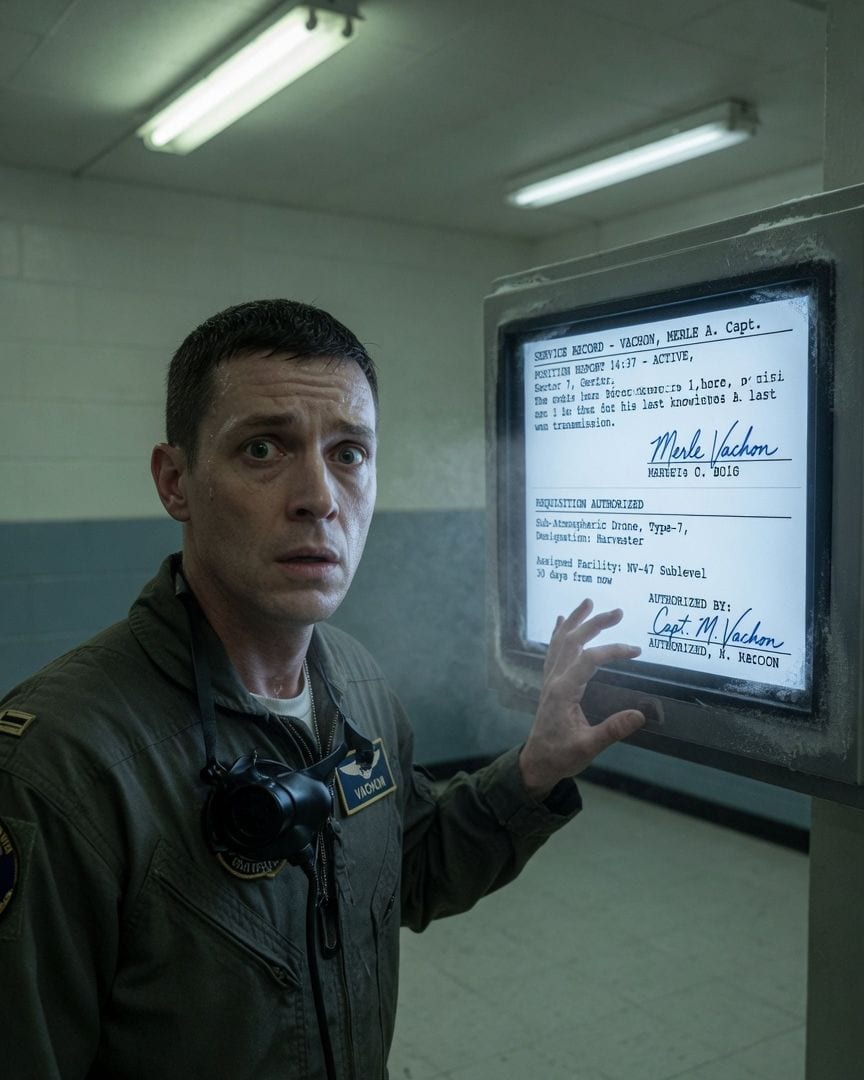 Declassified
Captain Merle Vachon was just eleven minutes from seeing his newborn daughter when his F-86 Sabre encountered an impossible sight: a silent disc, utterly still, forty thousand feet above him. Radio silence turned to dead air, then the pilot was suddenly no longer in his cockpit, but floating in a vast, cold, sterile space. There, a glowing console displayed his service record, new entries scrolling into existence, listing him active *after* his last transmission. But the true dread landed when he saw his own confident signature on a requisition for an unknown 'Harvester' drone, dated a month in the future, for a facility hundreds of miles from any base he knew.
10 min read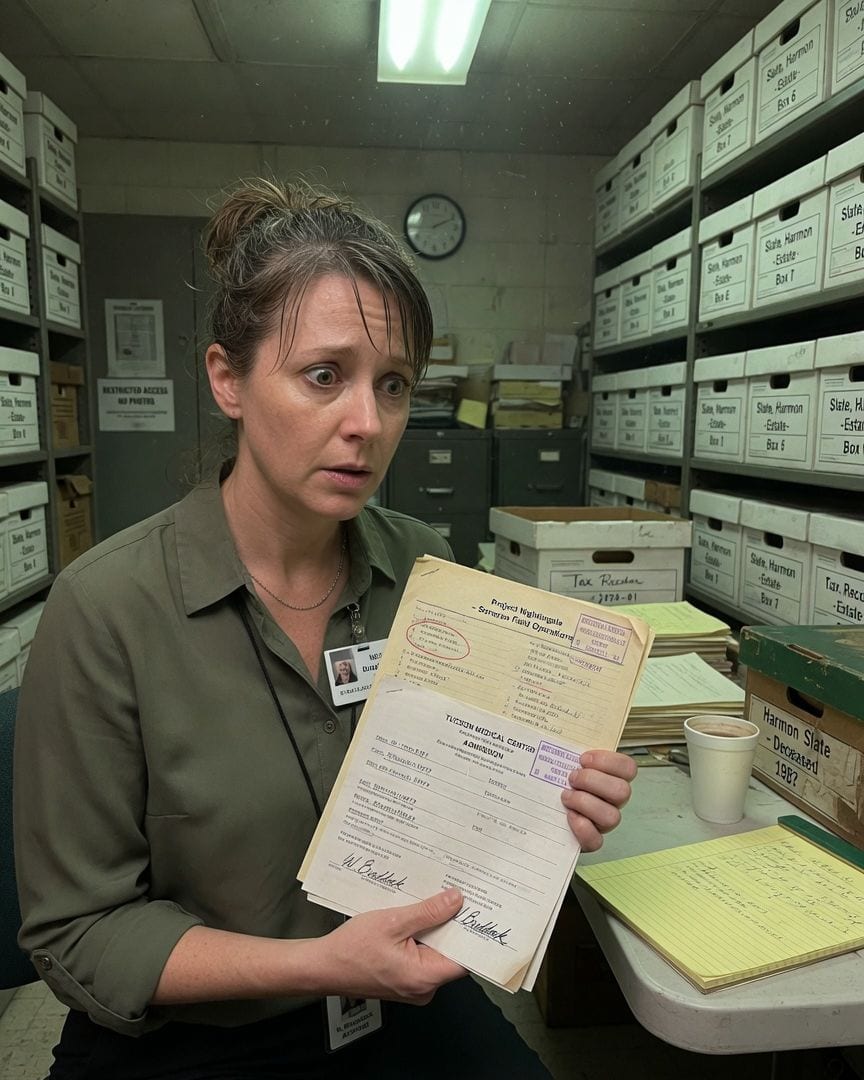 Declassified
Librarian Nell Braddock, 42, spent years meticulously cataloging declassified government records, a quiet life dedicated to uncovering obscured histories. Her routine search through an accountant's mundane estate records turned chilling when she found two official documents from 1977. One placed Harmon Slate at a highly restricted desert facility, while the other admitted him to a hospital with a broken back – both on the exact same night. Even more unsettling, both impossible records bore the undeniable signature of her own father. What hidden truth had he approved?
11 min read Declassified
Corporal Deyna Vosk spent a cold February morning in a Berlin listening room, passing the smallest hours playing unscheduled reels. She discovered SPOOL 44, marked blank and sealed in 1949, a date years before her specific station was even built on the city's rubble. Yet, playing the tape, she heard the unmistakable creak of her own chair, the distant tram, and the radiator's knock – sounds that were undeniably her room, right then, five years before it physically existed. A cold dread settled over her, leaving her to wonder how a recording of her present could exist from a past that never was.
9 min read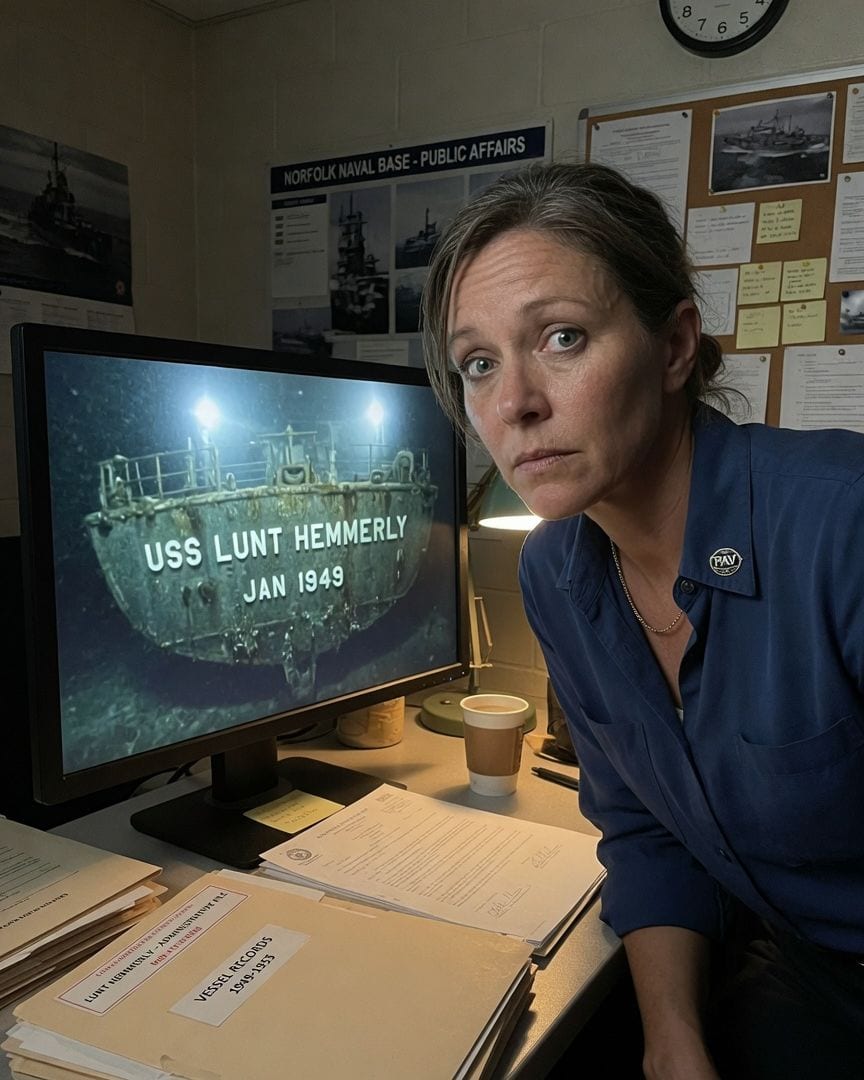 Declassified
Public Affairs Officer Reece Alderfield knew her job was purely bureaucratic, but watching the wreck survey of the USS Lunt Hemmerly held a morbid fascination. The destroyer escort had vanished without a trace in January 1949, leaving families waiting on a Norfolk pier. Now, a remote camera streamed its hull from the deep, encrusted with decades of growth. But as the ship's name emerged from the gloom, Reece saw something impossible: the date 'JAN 1949' welded directly onto the steel, as old as the rust around it, yet undeniably there. How could a ship bear the date of its own disappearance?
10 min read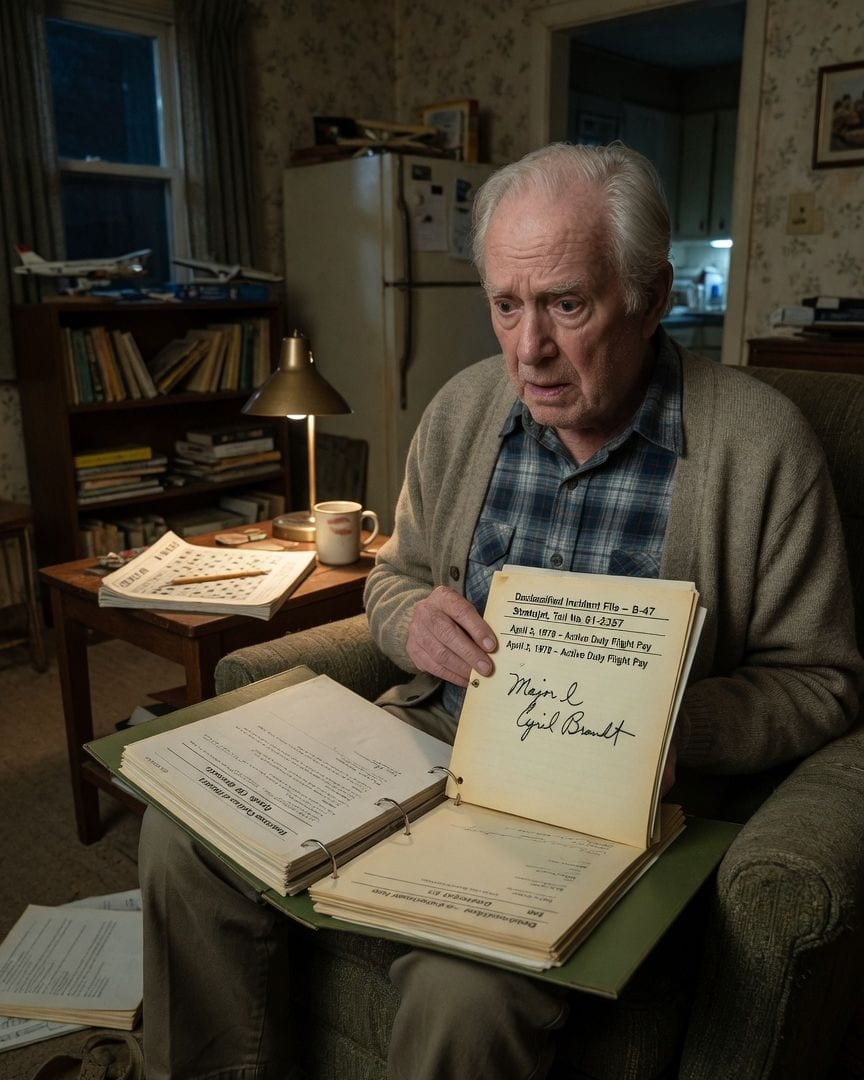 Declassified
Cyril Brandt, a seventy-two-year-old retired B-47 pilot, cherished his quiet Dakota retirement, his days filled with crosswords instead of combat. He expected to find long-awaited closure on a strange 1968 UFO incident when a heavy, declassified file arrived. Settling into his armchair, the weight of the olive-green binder felt familiar, but its contents quickly shattered his calm. He discovered maintenance logs for his B-47, detailing engine hours and tire rotations, dated years after the aircraft had been scrapped. Then, buried deeper, he found a payroll entry for himself, dated 1978 — five years after he left active duty — bearing his own unmistakable signature, the ink unnervingly fresh. How could his own hand have signed off on a mission that never happened, for a plane that no longer existed?
11 min read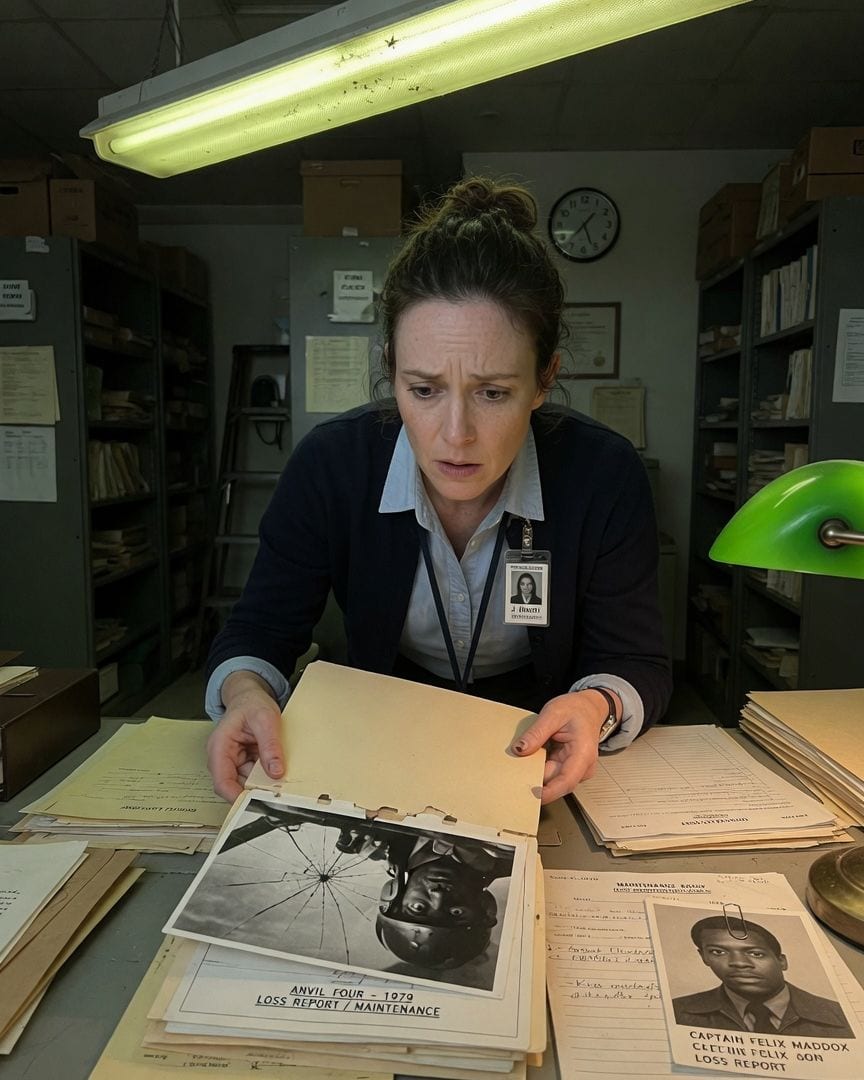 Declassified
National Archives archivist Josie Ilnicki spent years immersed in forgotten histories, the fluorescent hum of the annex a constant companion. Today, processing a declassification request that had waited forty years, she opened the file for 'Anvil Four,' a helicopter lost in the Nevada ranges in 1979. Inside, past the official loss reports, Josie found a maintenance sheet dated eight months after the crash. Stapled to it was a grainy photograph, showing the cracked windscreen – and behind it, Captain Felix Maddox, the pilot officially dead, staring out with wide-open eyes, as if still flying.
10 min read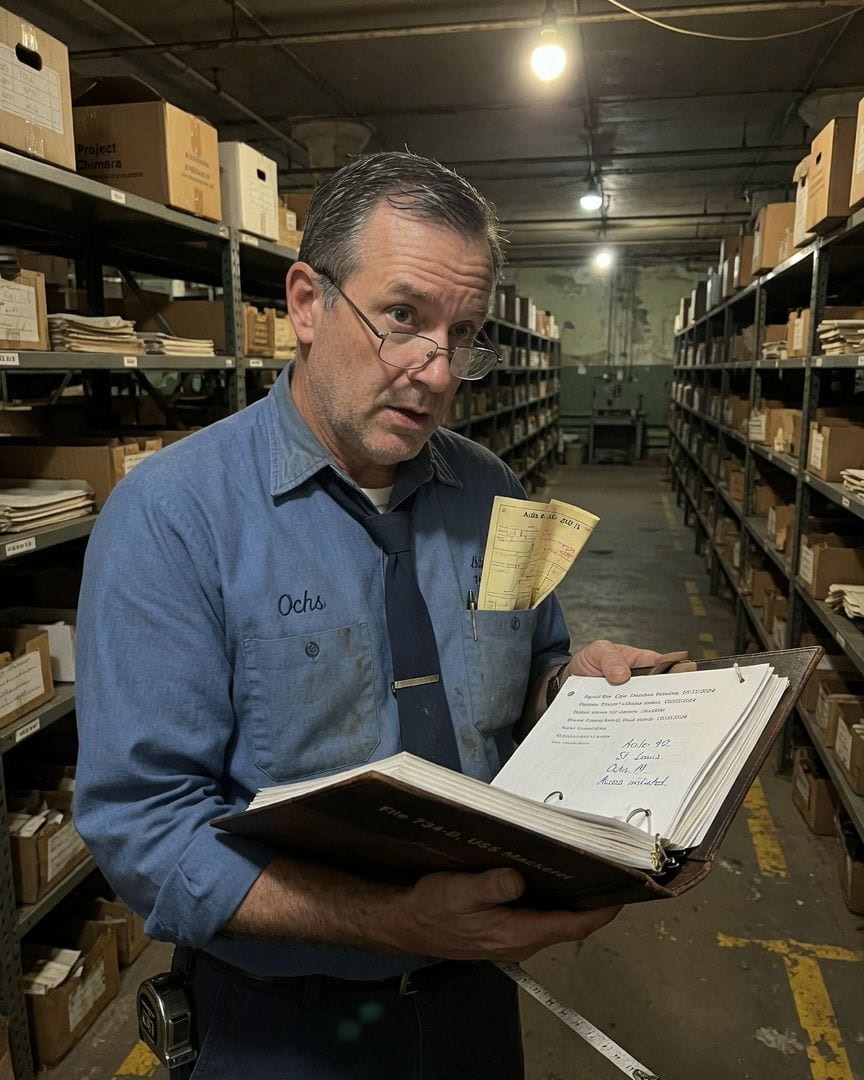 Declassified
Marlin Ochs, a man of precise rhythms at the St. Louis depot, approached Aisle 40 for its final inspection before the entire structure was pulped tomorrow. For nearly two decades, the aisle had been a consistent ninety-two paces long. But on this night, his boot heels clicked past the expected mark, stretching to one hundred and nineteen paces, revealing an impossible, colder extension. Deep inside, Marlin found a heavy, leather-bound binder titled 'File 734-B, USS Mackerel,' a Cold War submarine lost with all hands in 1958. It felt oddly warm, almost humming against his palm, filled with maintenance logs and payrolls dated decades after the sub was sunk.
12 min read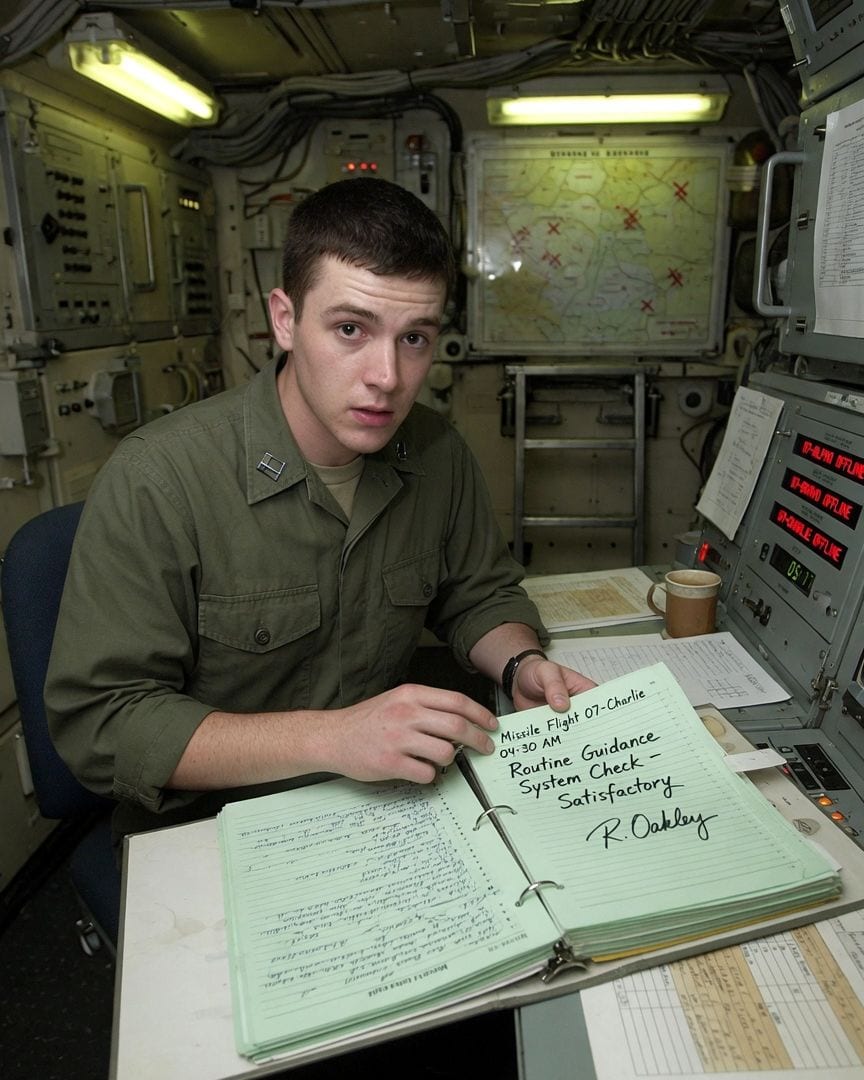 Declassified
Six weeks into his command, Second Lieutenant Hobart Nye’s Wyoming missile capsule went silent after a 0247 shriek. Topside security reported an unidentified object near the fence, their radio dissolving to static as Hobart watched his missile flight go dark in a precise, terrifying sequence. The official explanation blamed equipment, but the profound eleven minutes of silence and his security team's amnesiac return left him unsettled. Later, reviewing physical launch logs, Hobart found a 'Routine Guidance System Check' for a dead missile, dated hours after the incident and signed by his crew chief, Reginald Oakley – a man confirmed asleep in his bunk. How could a dead missile undergo a check by someone miles away, asleep?
10 min read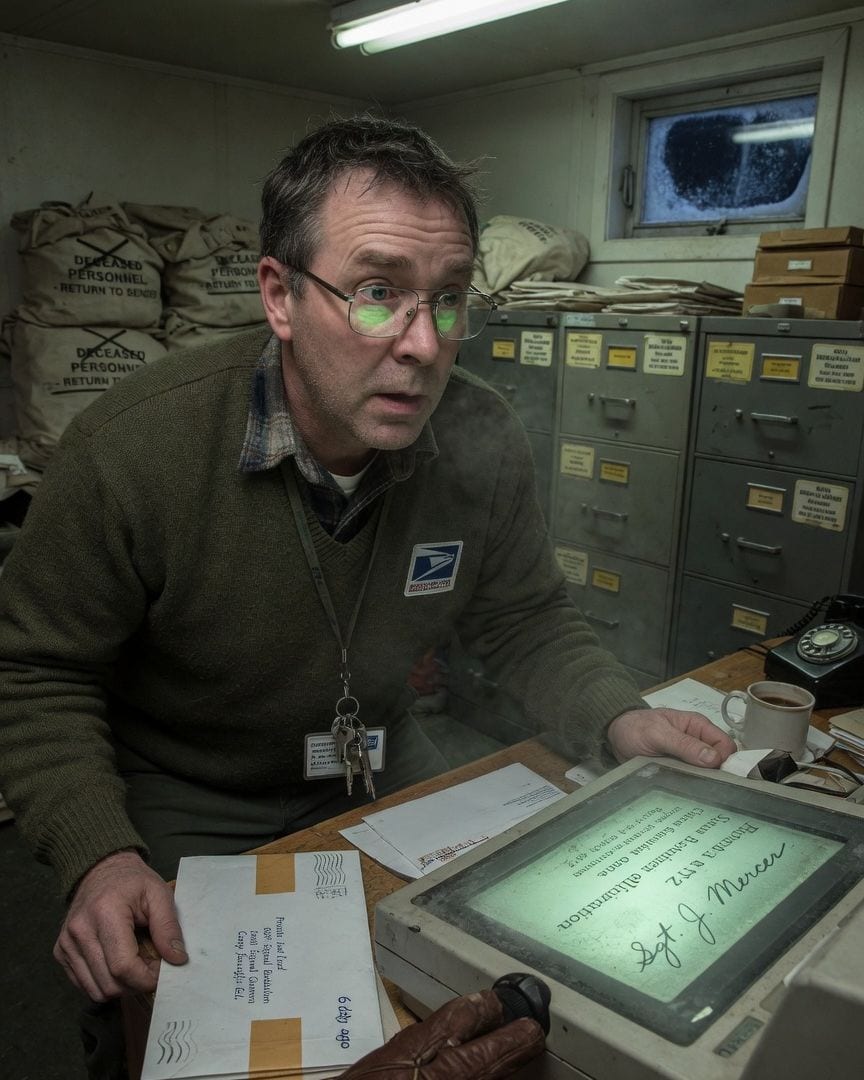 Declassified
Postmaster Rowan Ashcroft had spent two decades watching the weekly mail plane land at Camp Bidwell Annex, a lonely outpost in the bitter Alaskan wind. His methodical mind, accustomed to order, was jolted when the latest mail sack contained forty-three letters for men officially declared dead in 1969. Each envelope, postmarked within days, was addressed to a soldier who wasn't coming back, and Rowan found one already opened and neatly resealed. Driven by duty, he began to sift through declassified Army archives, only to uncover a chilling maintenance log entry for the camp's equipment, dated three years after the base was officially shuttered. What was still happening at Camp Bidwell?
9 min read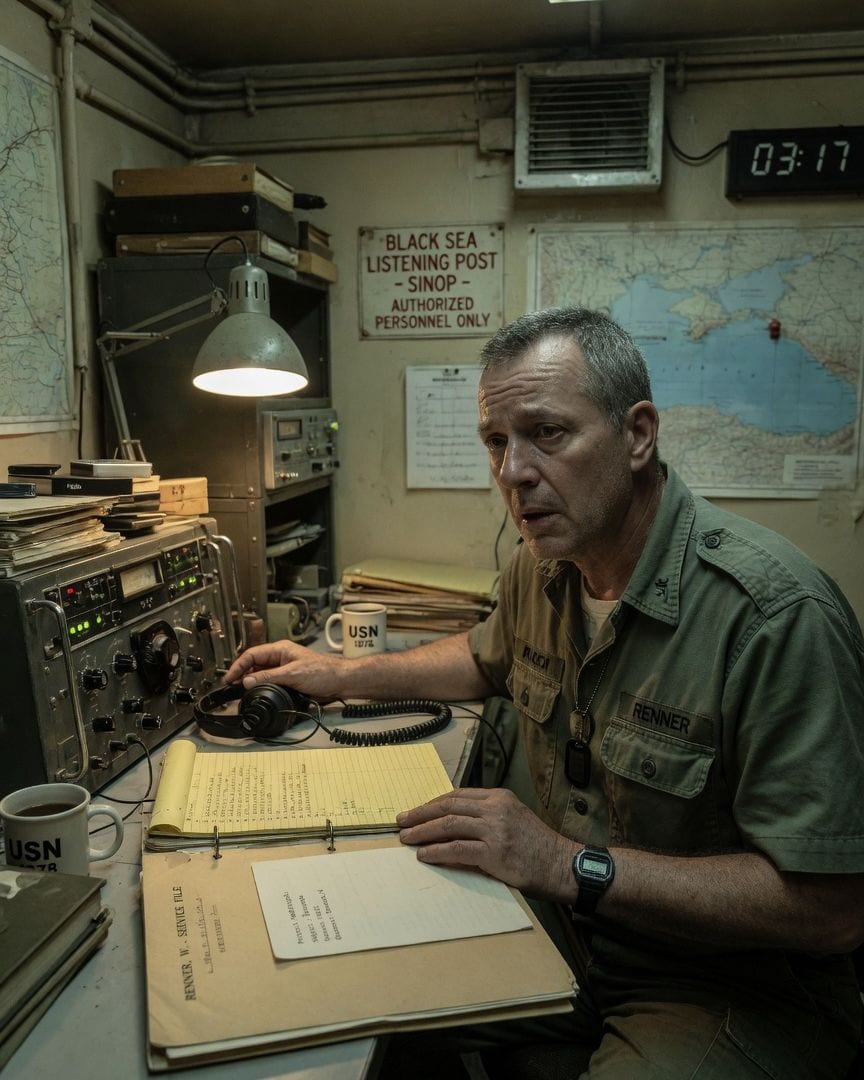 Declassified
Specialist Walt Renner had just six weeks left at the Sinop station, anticipating the close of his thirty-year career. For almost two decades, he had tracked a mysterious numbers station, broadcasting from an impossible point in the Black Sea. Tonight, the woman's flat voice stopped counting, and the static cleared, replaced by a single, perfectly clear word: 'Walter.' It was the intimate name his mother had used, a name he hadn't answered to in decades. Yet, it emanated from the same empty water, a deeply personal address from the void itself.
11 min read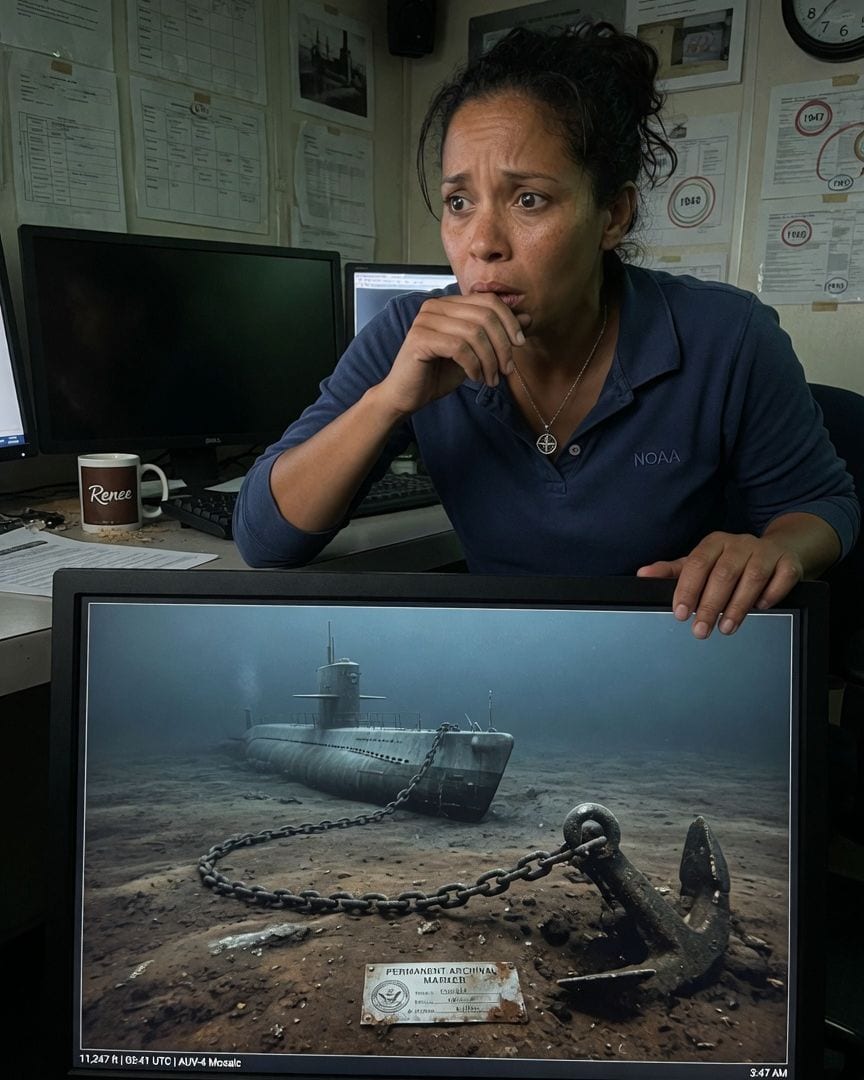 Declassified
Oceanographer Marisol Beckwith's career-defining discovery began with the ghostly outline of a 1943 submarine, the USS Kettle Iron, resolving from the abyssal murk at eleven thousand feet. Her initial elation curdled into dread when she realized the long-lost vessel was not a wreck, but sat upright, its massive anchor deliberately set. Even more unsettling, the sub's official service record, supposedly lost with its eighty-seven men in 1943, contained meticulous maintenance logs and commendations dated well into the Cold War era. Someone, or something, had been keeping watch over a ship filed as 'permanently retired,' long after its crew vanished.
8 min read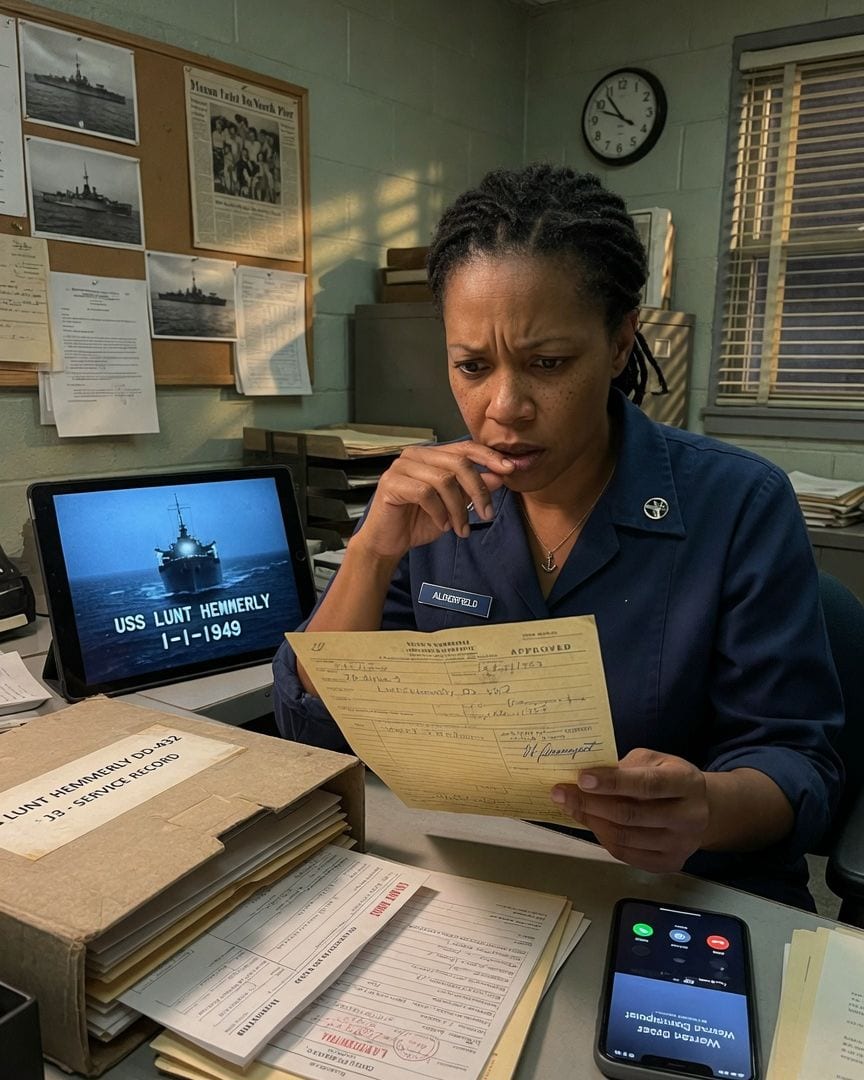 Declassified
Public Affairs Officer Reece Alderfield was professionally satisfied, watching a livestream of the USS Lunt Hemmerly wreck. The destroyer escort, officially lost in 1949, had its name legible on the stern plate. But then the camera dipped, revealing the ship's loss date, '1-1-1949', welded starkly beneath its name. Back at Naval Station Norfolk, Reece's cold dread deepened when she found a requisition form for the same ship, ordering a specific part, dated April 14, 1953 — four years after its official loss. Could a lost ship still be ordering parts?
11 min read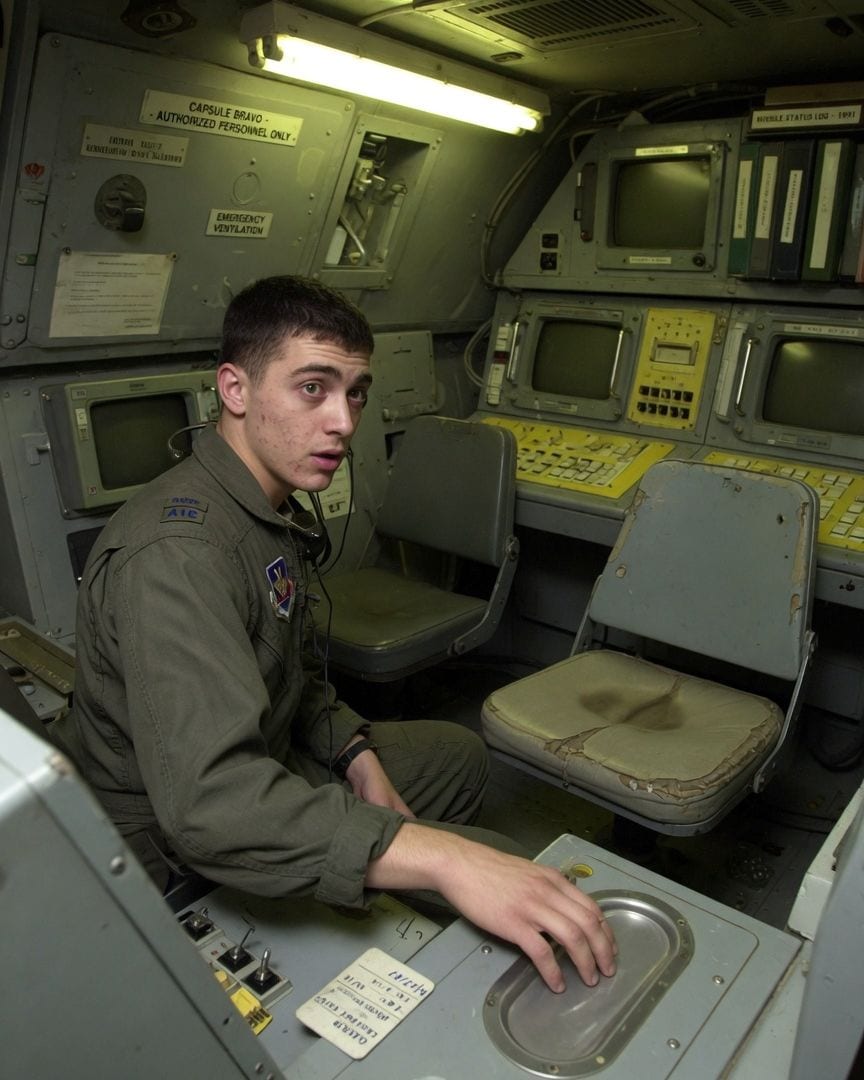 Declassified
Airman First Class Dov Kestrel was on the last watch of the last alert at Halloway Site Bravo, just seventy-two hours before the entire missile wing stood down for good in late 1991. Isolated in the underground capsule, built for two operators, he found a third, worn chair bolted to the deck. At 0300, a soft sigh echoed in the silence, the distinct sound of a man settling into that empty cushion. Moments later, the auxiliary system logged a chilling entry for 'Operator 3: Status Green, Ready for Transfer,' timestamped just one minute after the sound. With no authorized personnel logged in, a cold dread began to coil in the young Airman's gut, leaving him to wonder who or what was truly ready for transfer.
11 min read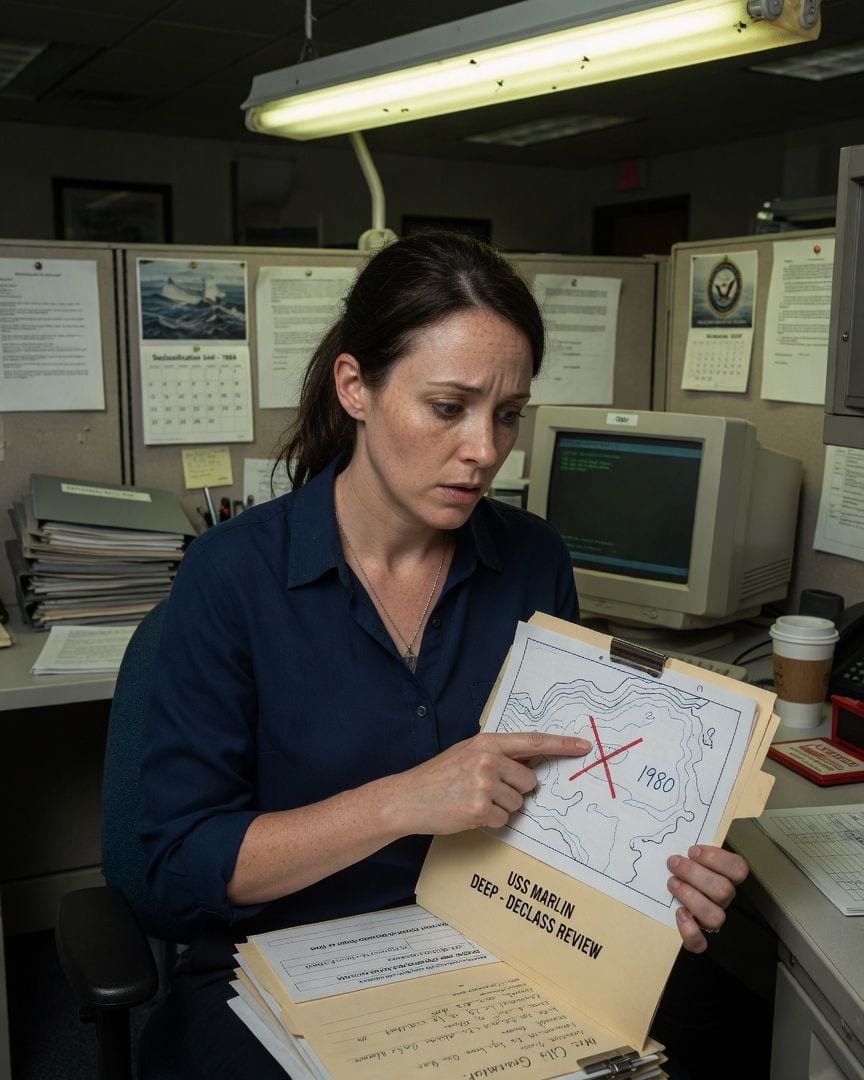 Declassified
Declassification reviewer Cass Berrigan understood the quiet anguish of widows, sifting through files like the USS Marlin Deep's. The submarine was lost in 1978, leaving behind Lily Granger's desperate letters, asking where her husband Arthur Thatcher's body was. But deep within the file, Cass found a chart of the wreck site, dated 1980—two years after the loss—in Thatcher's unmistakable hand. The dread solidified when she later uncovered an official report, also in his hand, dated 1981, stating 'Station Maintained. Status: Green.' How could a man officially dead for three years still be filing reports?
10 min read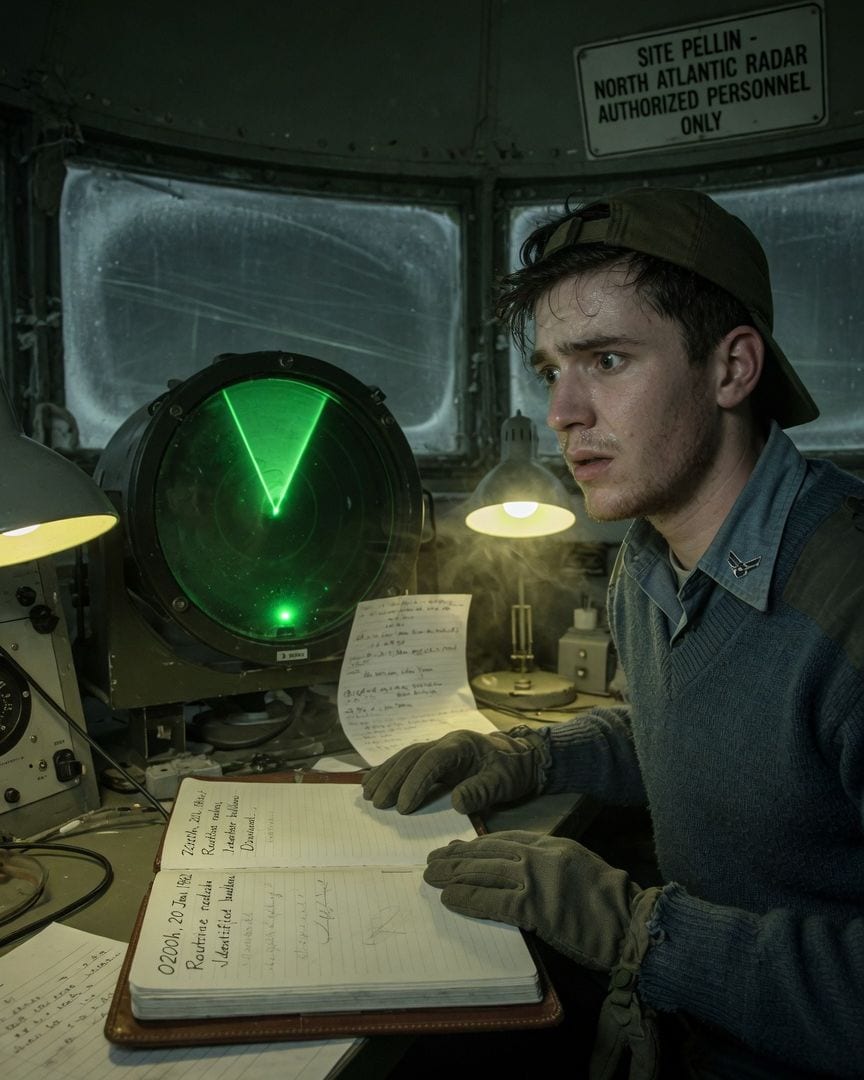 Declassified
In the dimly lit dome of Site Pellin, Airman Ordway Vance, just days from discharge, ran his final radar sweeps before the base closed for good. Outside, the North Atlantic wind howled, but inside, only the hum of his console broke the silence. His last calibration had been clean, yet a single, unwavering green blip appeared on the scope, forty miles out, in open water where no vessel should be. The impossible return moved closer with each sweep, defying all logic and other sensors, until it sat static just beyond the coast fence line. What unseen presence did the radar truly hold in its unwavering green grip, contradicting the official record?
15 min read