 Declassified
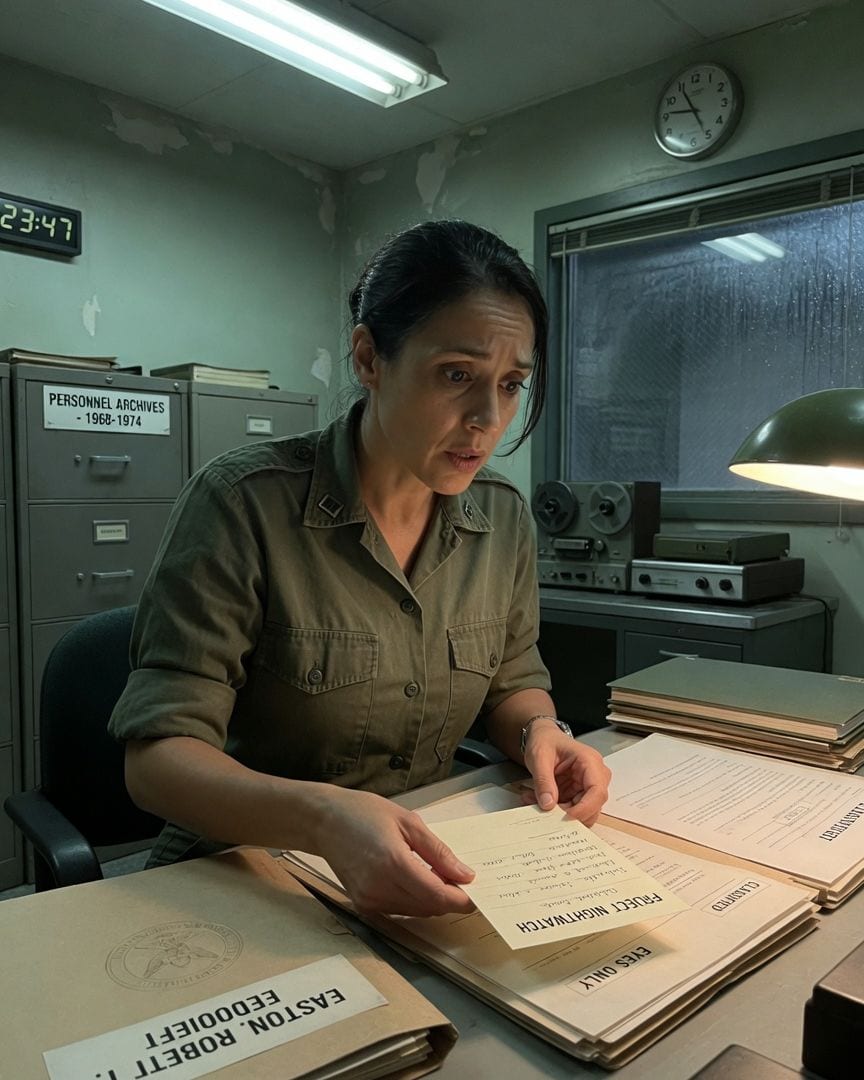
Captain Ines Bardolph, a tower controller, was counting down the months until her transfer to Langley and the decommissioning of her base, hoping to leave behind the unsettling incidents of her final posting. But one night, her radar scope showed an impossible blip, solid and unwavering, 40 miles north of the Danube, only to vanish in less than a second, leaving a pilot screaming in terror. Despite the clear evidence, the official report blamed "atmospheric inversions," while the terrified pilot received a glowing review and promotion, his file meticulously scrubbed of any anomaly. As Captain Bardolph reviewed the pilot's pristine record, she found a hidden slip of paper, revealing a chilling truth: 'Subject: Bardolph, Ines. Status: Observed.' Was she merely an observer of the impossible, or was she now part of something far more sinister?
13 min read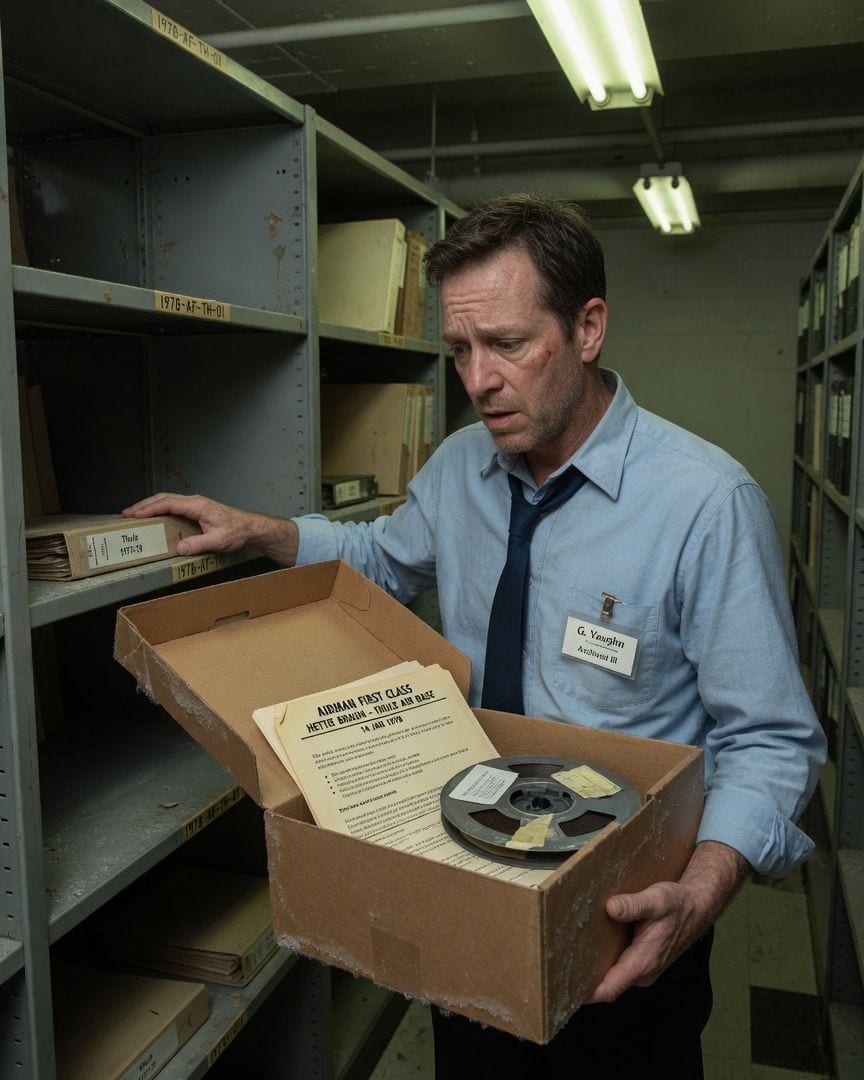 Declassified
Airman First Class Hettie Braun, with just eight days left on her enlistment at Thule Air Base in January 1978, scanned her radar scope through endless Arctic night. Her screen, the only light in the cavernous chamber, suddenly showed a blip *inside* the minimum range, an impossible presence hovering and glowing above the ice. Decades later, archivist Greg Vaughn reviewed Hettie's declassified report, digitally flagged but missing from its shelf in the echoing archive basement. Wedged behind the empty slot, he found an unmarked brown box, unnaturally cold to the touch, containing the original incident report and an unlabeled reel of scope tape.
10 min read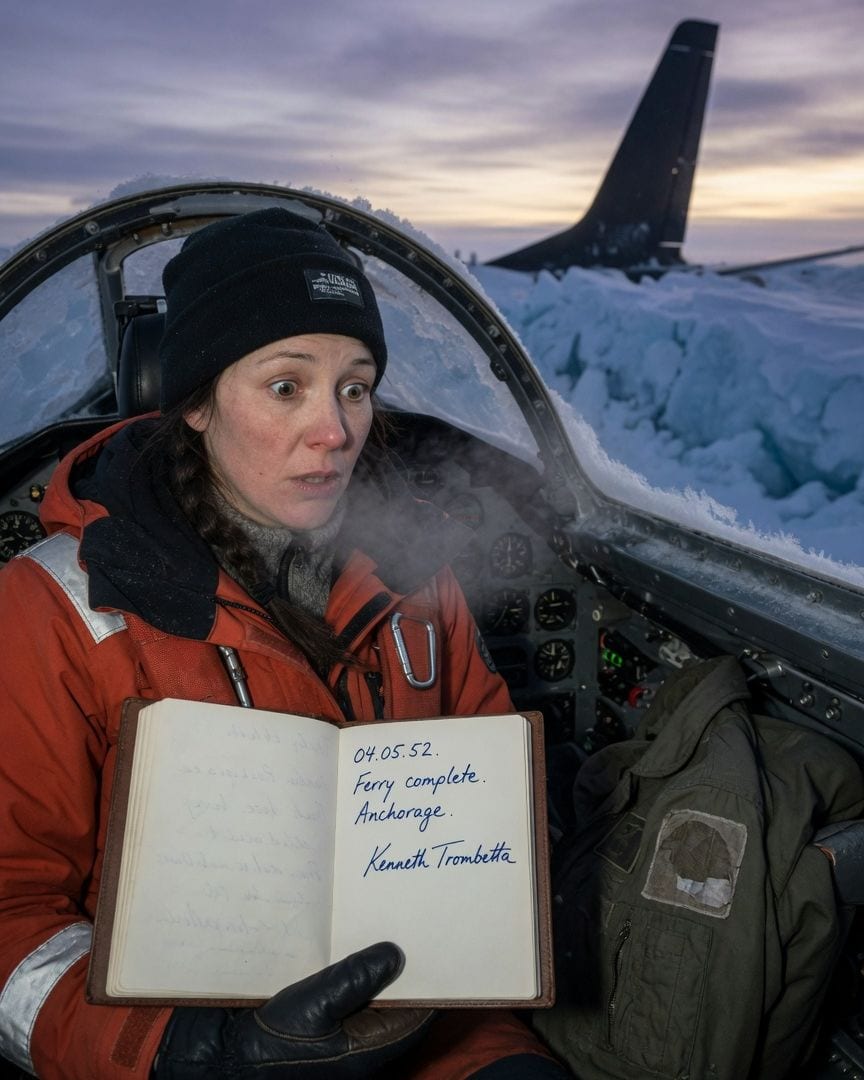 Declassified
Geologist Faye Trombetta had only a two-week window on the Bering ice before the pack closed, but she found more than ice cores. A black fin of metal, impossibly upright, rose from a pressure ridge: the tail of an F-86 Sabre jet, like the one her grandfather vanished in over that very sea. Approaching, she found the jet impossibly preserved, gleaming under the weak Arctic sun, its cockpit pristine and smelling faintly of new leather. Her heart hammered as she saw the tail number matched her grandfather's lost aircraft, then discovered his own unmistakable signature in the logbook on an entry dated three days after he was declared missing.
9 min read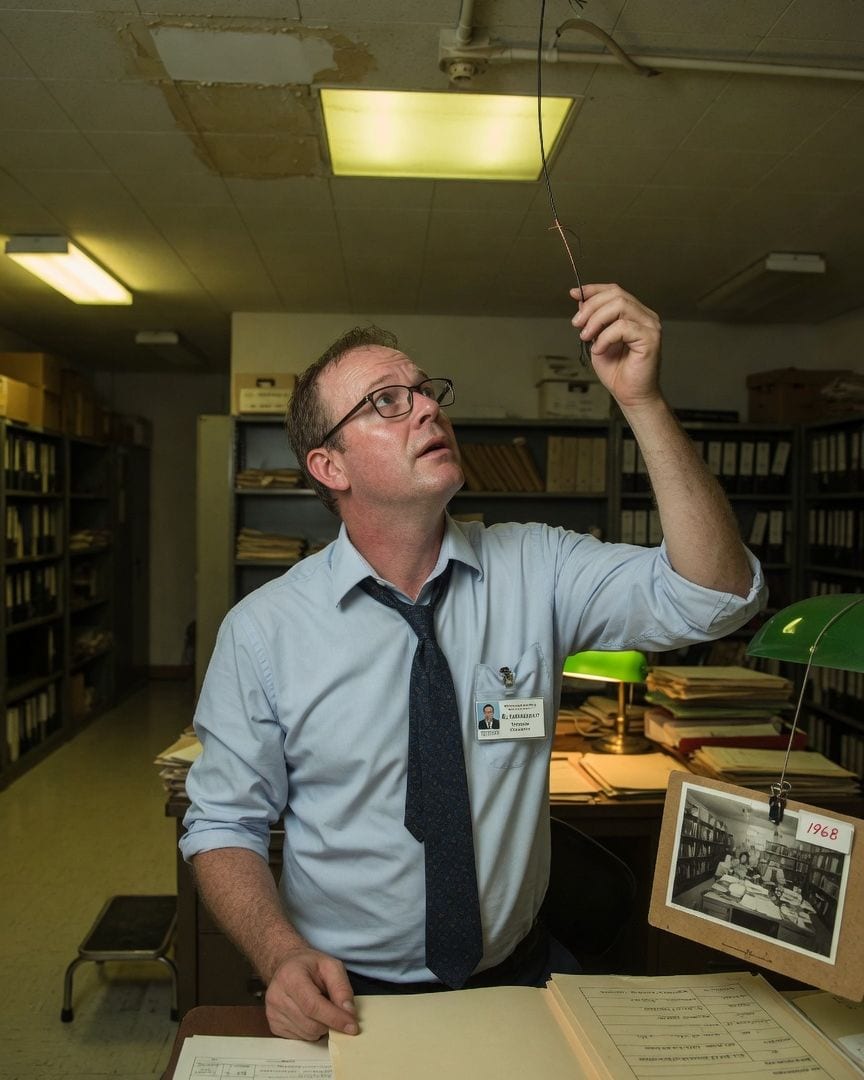 Declassified
Records Officer Beau Lindqvist sat at his usual desk, opening a peculiar case file inherited from a recently retired colleague. Inside, he found a faded, grainy photograph of himself sitting at that very desk, the same file open, taken from above in 1968. A thin, warm wire still dangled from that exact spot in the ceiling. As Beau sought a rational explanation, he discovered a margin note in the file, dated July 14th, 1968, that read: "Lindqvist will examine the photographic anomaly on 07/14." Beau checked his watch; it was July 14th.
10 min read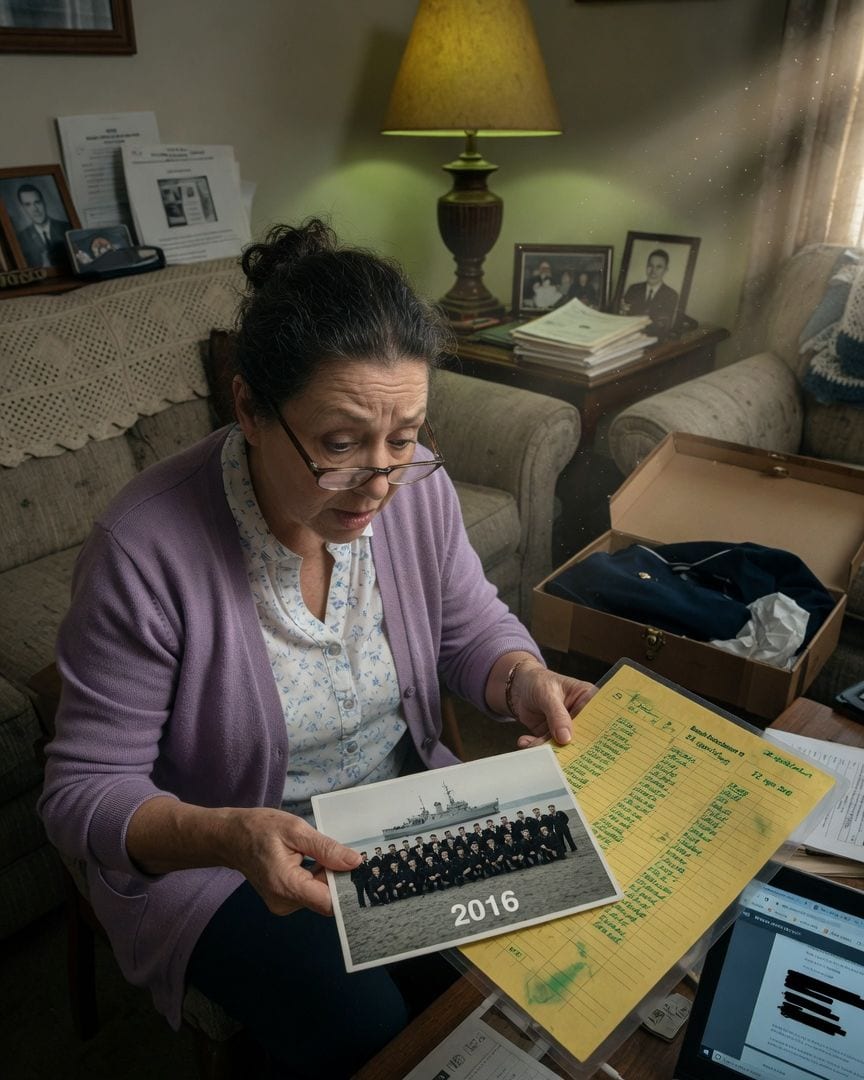 Declassified
Marisol Frayne, 62, finally unlatched her husband’s old footlocker in 2024, eleven years after the Navy declared his ship, the Kaskillan, lost at sea. Dust motes danced in the afternoon light as she lifted the lid, releasing the scent of old canvas and cedar. Inside, beneath his perfectly folded dress blues, she found a photograph of David and his crew standing before a pristine Kaskillan. Her breath caught: the photo was dated 2016, three years after the official reports claimed the ship vanished with all hands. Marisol's methodical search then revealed official logs showing a K-class vessel designation active in 2016, leaving a chilling void where her husband's fate should have been.
14 min read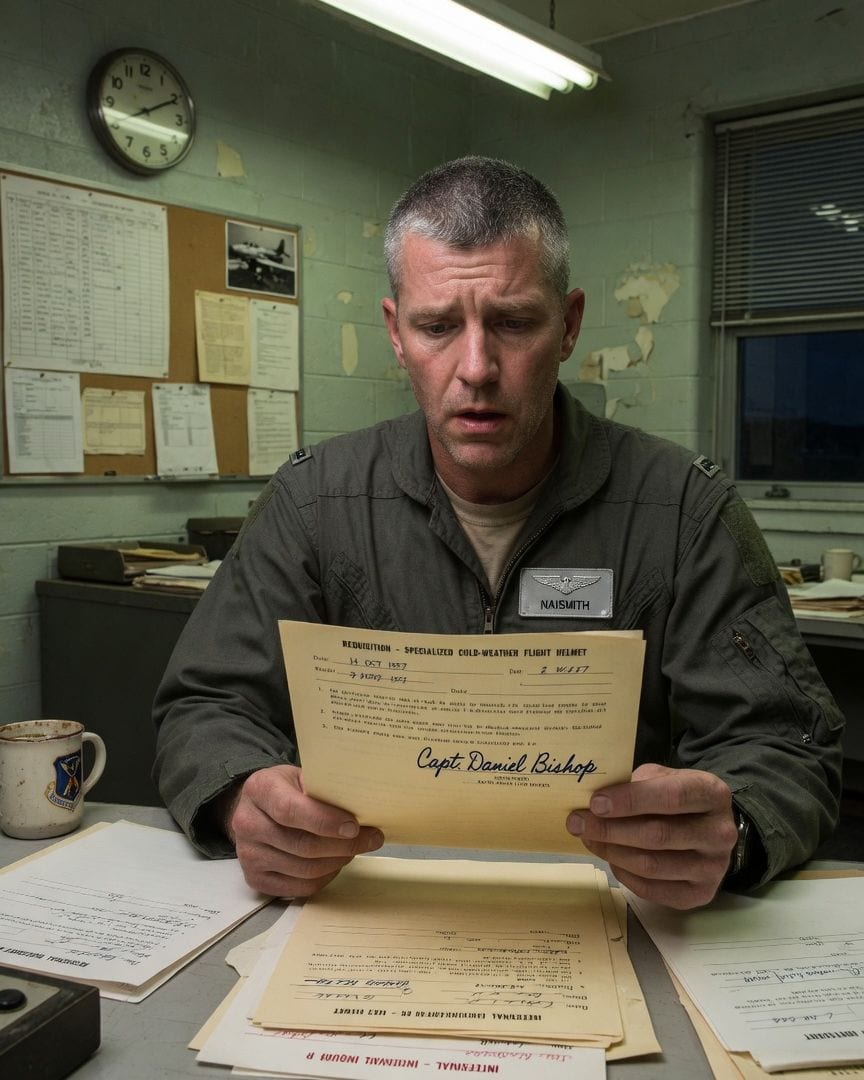 Declassified
Colonel Ward Naismith faced the grim task of reviewing Captain Daniel Bishop’s personnel file, a routine chore for a man listed as Missing in Action. Bishop had vanished days after he and Naismith chased an impossible, silent disc over Lake Superior, leaving only an empty patch of air and a knot of unease in Ward's gut. Sifting through commendations, Ward found a requisition for flight gear and a maintenance sign-off, both dated *after* Bishop’s disappearance. The true chill came with the requisition for a specialized flight helmet, bearing Captain Bishop’s unmistakable signature, weeks after he was presumed lost. How could a man presumed lost have signed anything?
11 min read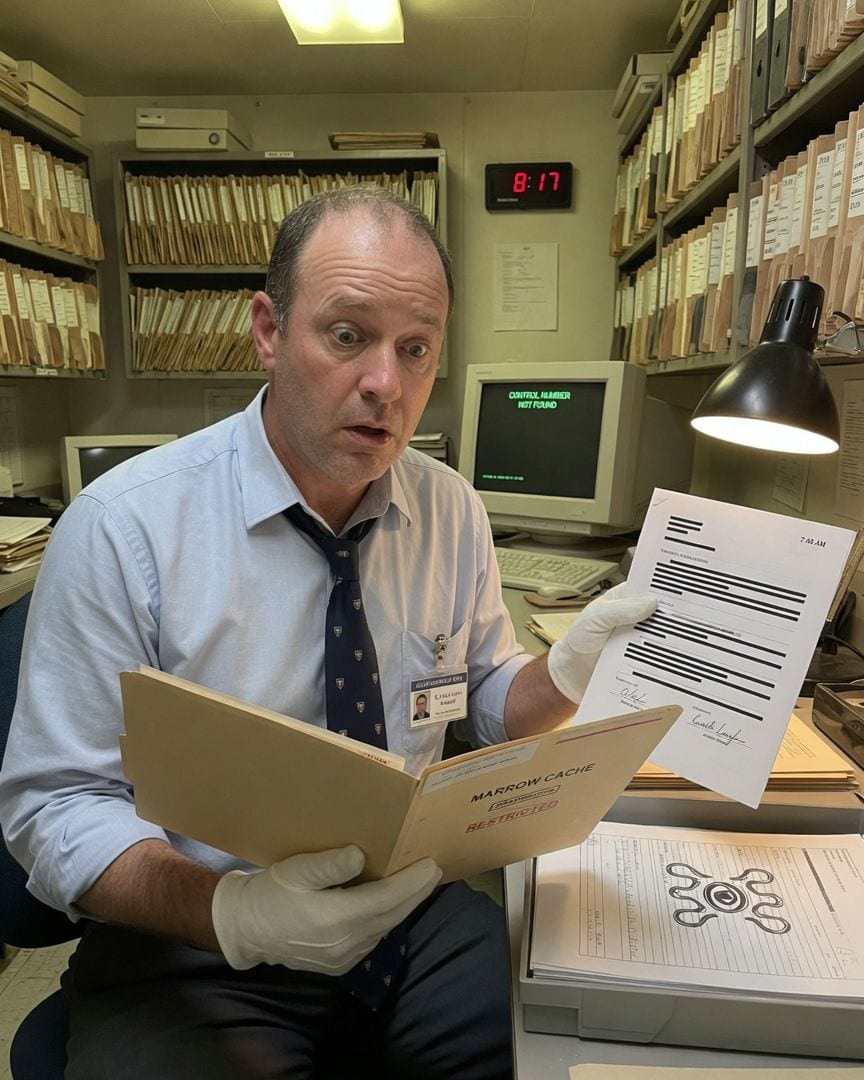 Declassified
Corwin Vale, lead records manager for Fort Ruthven, lived by routine, his world precise and ordered. This morning, however, that order shattered when he found the Marrow Cache file's extension signed at 7:48 AM. Corwin had not clocked in until 8:00 AM, and the vault logs showed no other entry. As he reviewed the heavy file, he discovered its control number did not exist in any database. Then, deep within the redacted pages, a strange, geometric symbol pulsed faintly, an alien glyph etched into the classified paper. What impossible secret did the file hold?
10 min read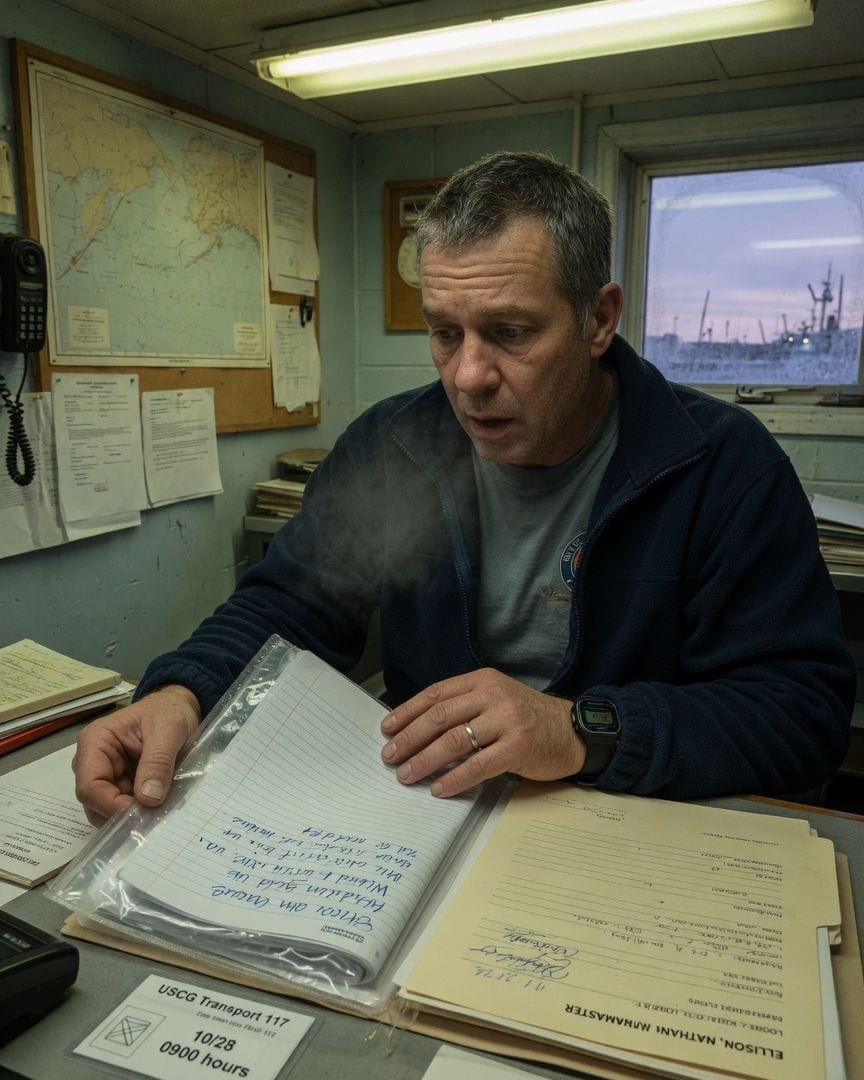 Declassified
Dell Krznaric, a Coast Guard officer, felt no peace as the Aleutian sundown bled purple. The search for USCG Transport 117 had just yielded an empty life raft, recovered from the vast, indifferent Bering Sea. Inside, Loadmaster Ellison’s meticulous survival log detailed hourly positions, but Dell’s eyes snagged on an entry dated eight hours into the future. Then, a second, hidden document in the pouch revealed an impossible date: a full week from now. How could a lost crew log events that hadn't even happened yet?
10 min read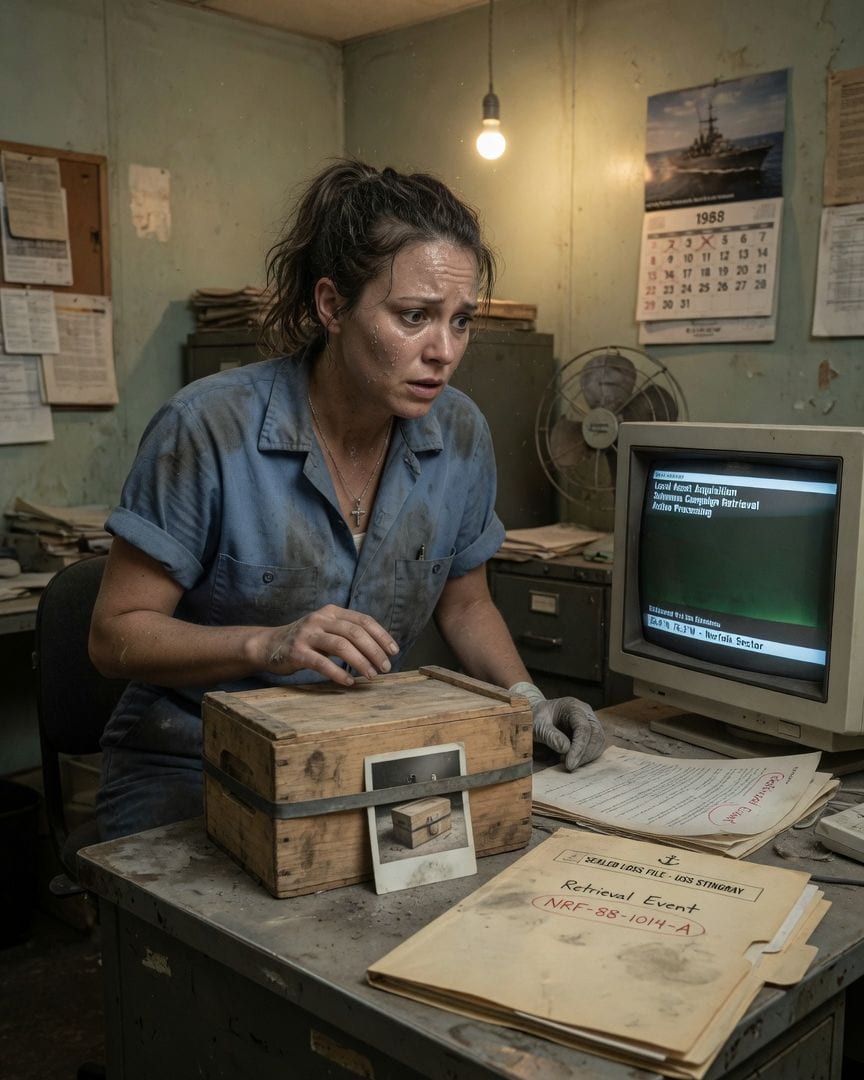 Declassified
In 1988, Callista Rhue toiled in a humid Norfolk records depot, her monotonous job sifting through the charred remains of a 1943 fire that had supposedly incinerated everything. She unearthed a cool, unmarked wooden crate that should not have survived, finding a faded 1944 Polaroid of the very crate tucked into its lead band. Inside, a 'sealed loss file' for the USS Stingray, a minelayer vanished in the Solomons, contained an impossible 'Retrieval Event' dated 1988. Callista's database search for the anomaly then pointed not to the distant Pacific, but to active processing for the lost vessel on a remote Norfolk coastline, just miles from the depot. What had truly vanished, and what had been found?
12 min read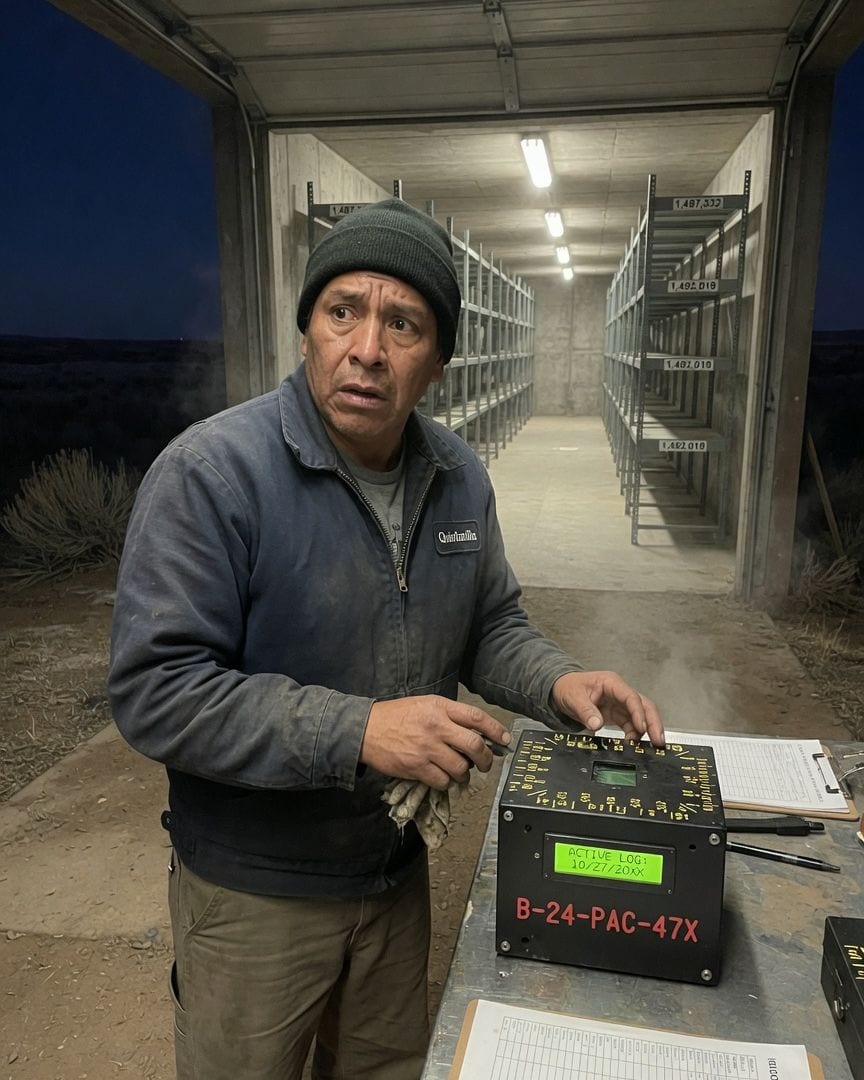 Declassified
Salvador Quintanilla, one of the last two men at the Pueblo storage yard, was on his final inventory, closing out the last bay on his manifest. As he rolled back the heavy door of igloo six-B, he found the high-density racking stretching past the concrete wall, illuminated by an impossibly long strip light into the empty prairie beyond. A profound, unnatural cold seeped from this spectral extension, deepening with every step he took into its silent, lit void. The shelves held accession numbers from decades in the future, but his light soon caught on a pristine black flight recorder, a model from a B-24 bomber officially lost in 1944. When he triggered its hidden screen, it flickered to life with a single, clear line: `ACTIVE LOG: 10/27/20XX`. How could a device lost eighty years ago be logging data from the current year?
10 min read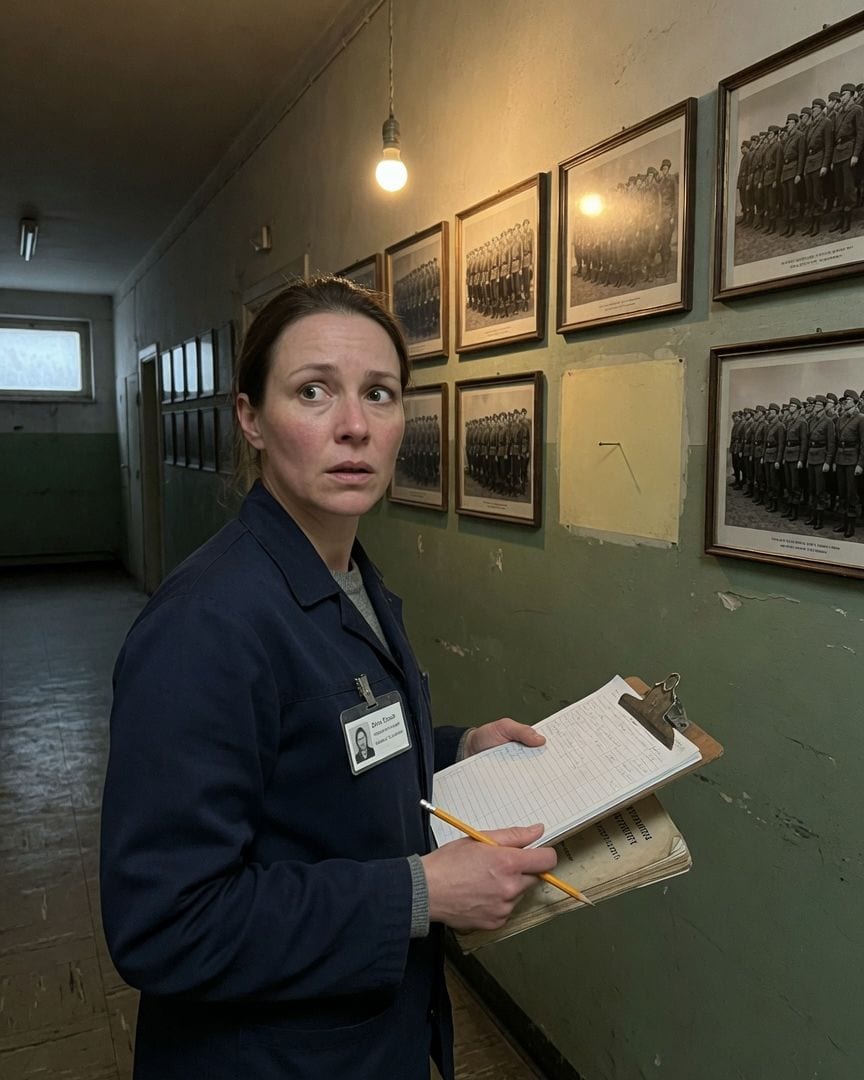 Declassified
Delia Straub has eleven days to inventory Kaserne Ottmarsheim, a former German base slated for demolition. The air in its echoing, abandoned halls smells of coal smoke and old wax as she races against the clock. Her task takes an unsettling turn when she discovers a phantom unit, the '604th Ordnance Detachment,' explicitly listed in old records despite never existing. Even more unnerving, every soldier in adjacent photos stares fixedly at the empty space where its picture should be. But why does a hidden footlocker, bearing Delia's own name, hold the missing photograph, revealing a dark, blurred figure among the men?
11 min read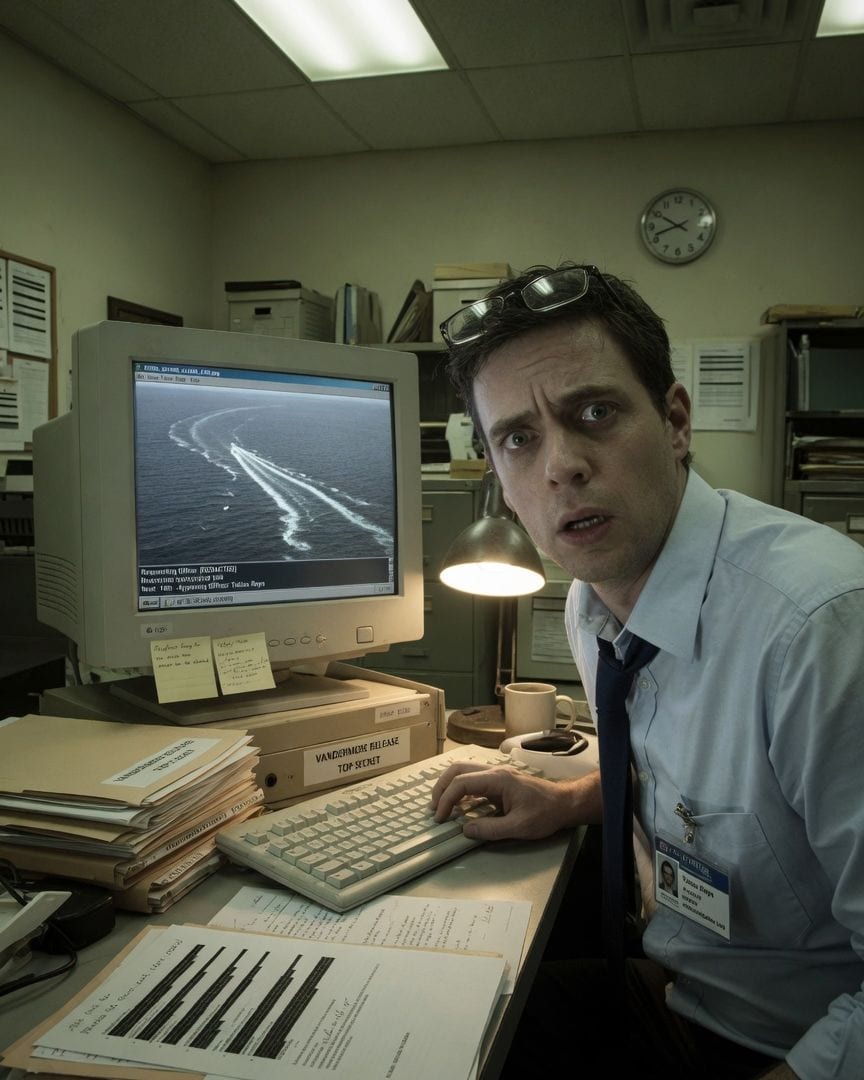 Declassified
Analyst Tobias Reyn, under the crushing weight of a declassification deadline, hunched in his sterile office. He uncovered a pattern: for eleven years, the same empty ocean square was repeatedly imaged, but almost all files were withheld. A single cleared image showed a colossal wake with nothing at its head, an impossible displacement in the desolate Kerguelen sector. As he tried to rationalize the phantom, Tobias found his own name listed as the approving officer for the next imaging request, scheduled for the fourteenth of this month. A buried report then revealed 'Project Deep Scan,' detailing a deep-ocean sonar contact – a 'transient, high-speed, non-reflective signature' moving at impossible depths.
12 min read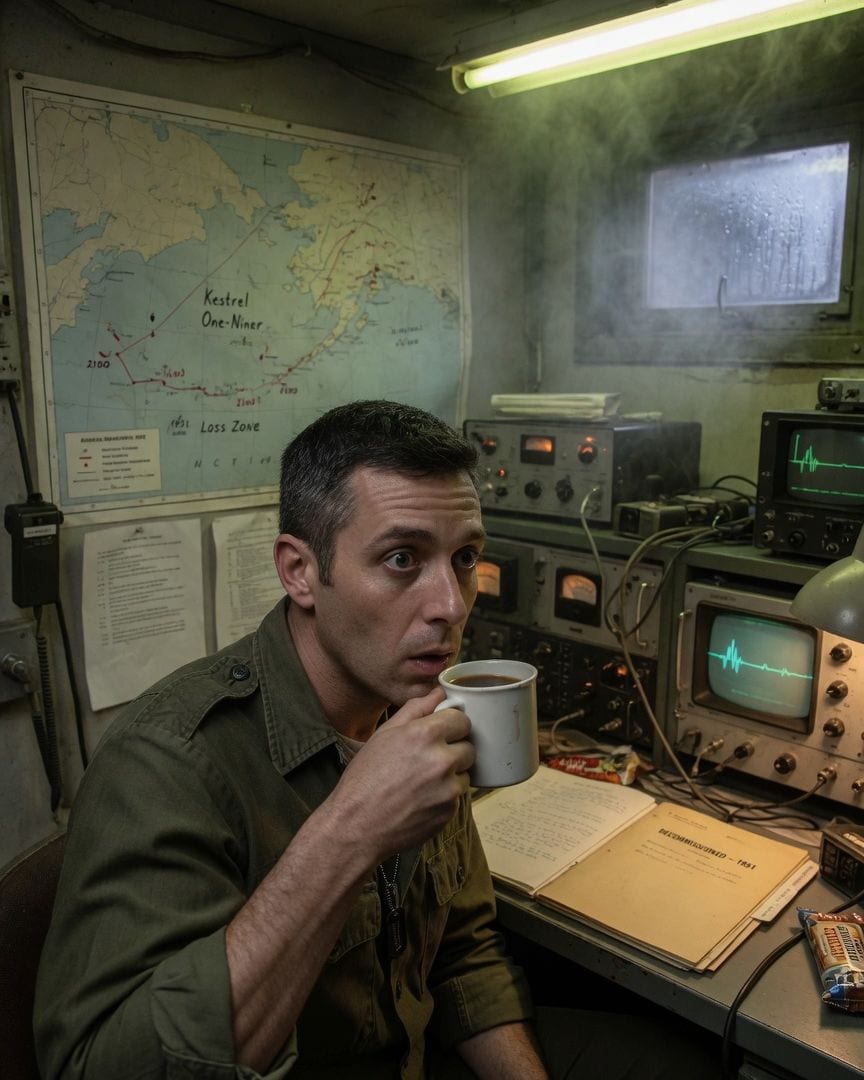 Declassified
Lieutenant Aaron Suvak's shift in the isolated Aleutian communications bunker was usually quiet, a lonely vigil against the thick, silent fog that had closed the strip. But precisely at 2000 hours, the low hum of his radio equipment broke with a clear, professional voice. The signal came from "Kestrel One-Niner," a Cold War reconnaissance plane officially lost over the Bering Sea in 1951. Suvak plotted its impossible progress across his old paper chart, realizing the signal wasn't a glitch, but the same plane, still transmitting its route seventy years later.
11 min read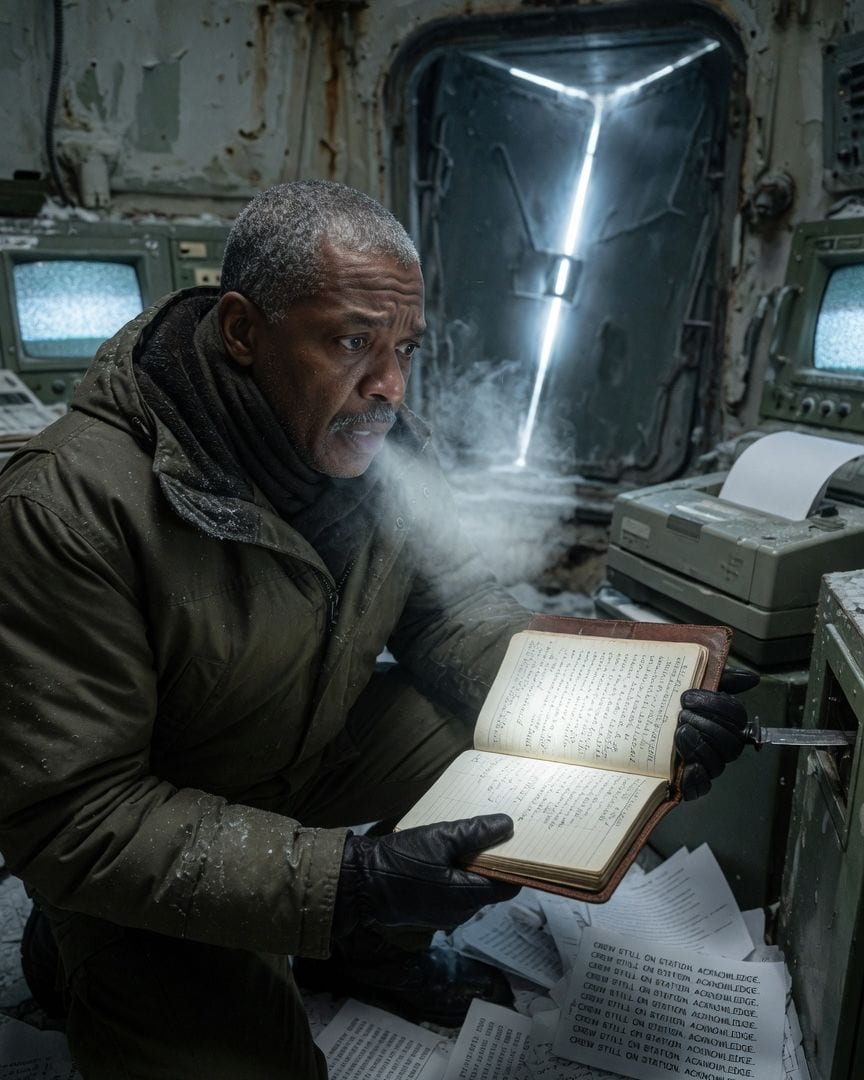 Declassified
Colonel Ren Marsalis braved the brutal North Dakota winter to inspect a decommissioned Cold War missile silo, a squat concrete structure half-buried in the frozen earth. The eight-ton blast door, a monolith whose hydraulics were scavenged in 1985, should have been sealed shut. Instead, an eleven-inch gap bled an unnatural bluish-white light. Inside, two console screens glowed without power, radiating an impossible warmth, while an emergency printer spewed four hundred feet of paper onto the deck. The repeating message chilled him to the bone: CREW STILL ON STATION. ACKNOWLEDGE.
11 min read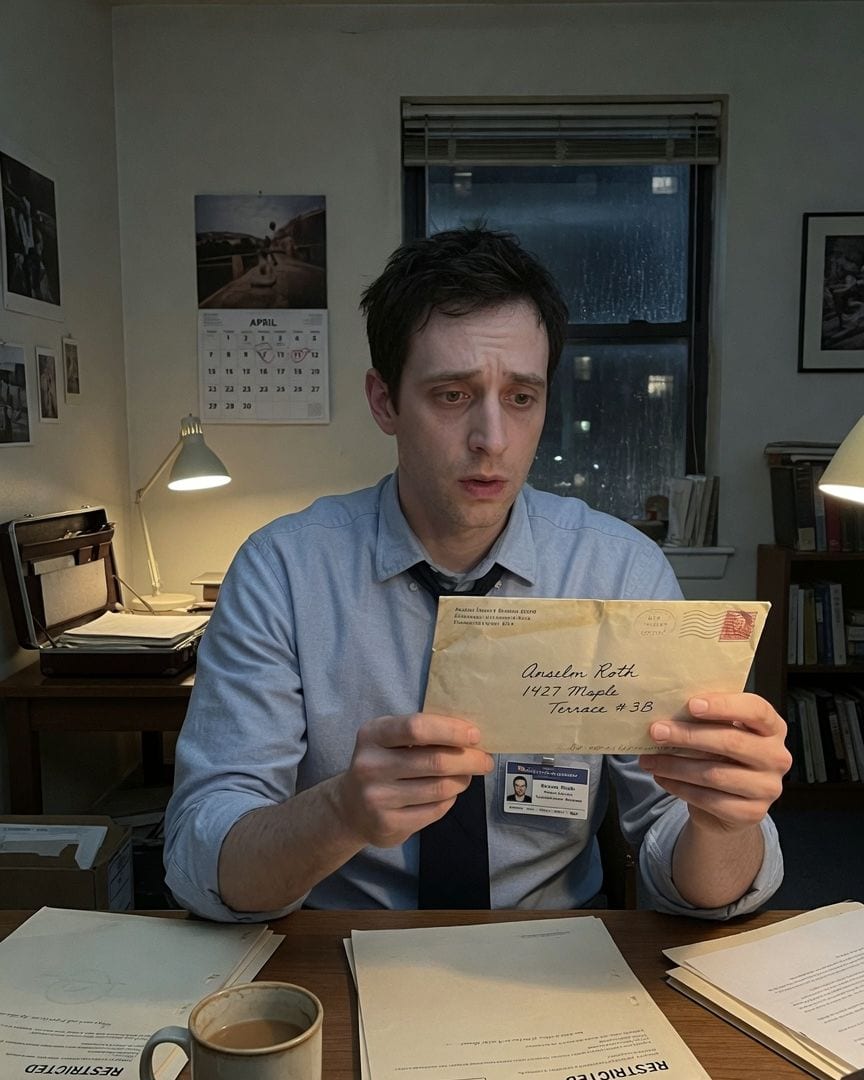 Declassified
Declassification reviewer Anselm Roth meticulously sorted through a Cold War-era file on impossible disappearances at the National Archives, a routine 'thirty-year clock' review in 2014. Among the countless records of vanished ships and military units, he found an unscheduled addendum: a thick, sealed envelope addressed to him in his dead grandmother Eleanor Vance’s unmistakable hand. The postmark read 1974, years before he was born, and the paper itself was faintly, inexplicably warm against his fingers, defying every archival principle. Later, a photograph inside revealed his grandmother in an unknown uniform with a stark warning: 'They file us, Anselm. Don't let them finish.' This wasn't just a record of the lost; it was still active.
13 min read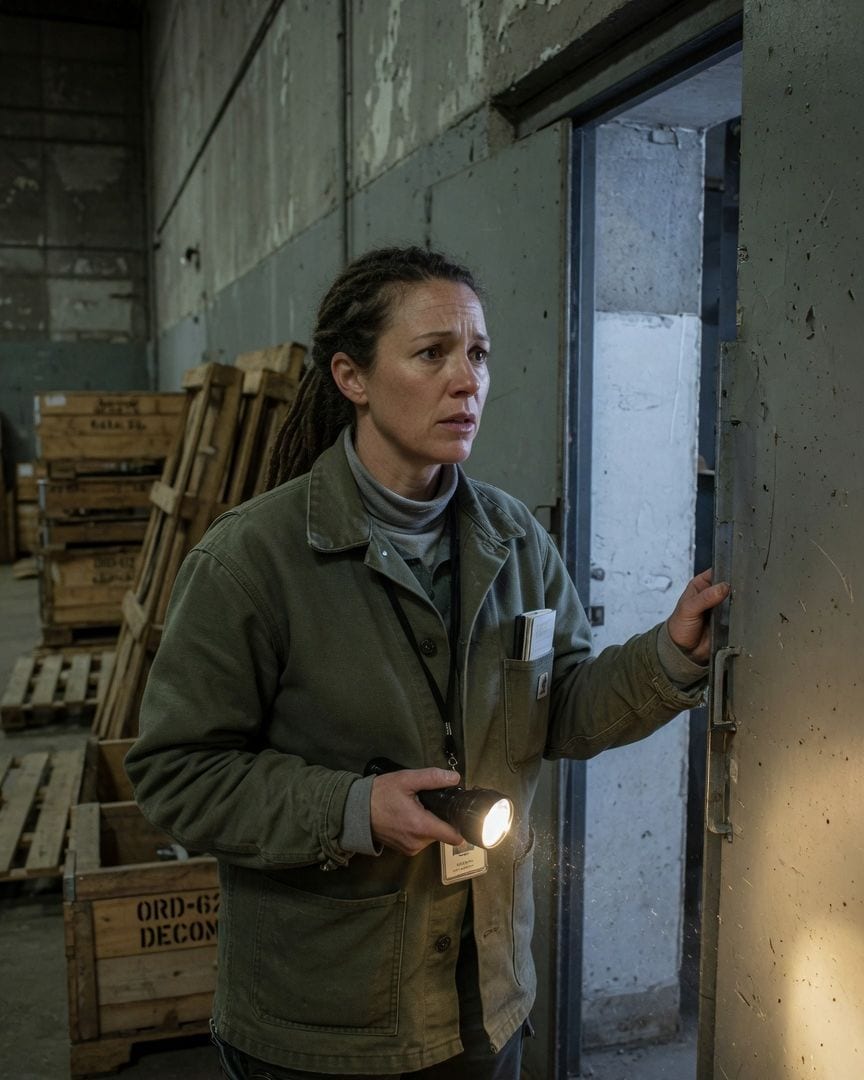 Declassified
Halcyon Reeve, a meticulous inventory specialist, prided herself on the perfect records of the vast Sweetgrass ordnance depot. But one blank space on a 1962 ledger gnawed at her: a missing footlocker for 89 men, when only 16 were ever assigned. Her search led her back to the silent, cavernous warehouse, where she uncovered a cleverly disguised access panel. Behind it, a hidden room, unnaturally cold and sterile, held not the missing footlocker, but 89 identical metal containers, each chillingly marked 'PROCESSED'.
13 min read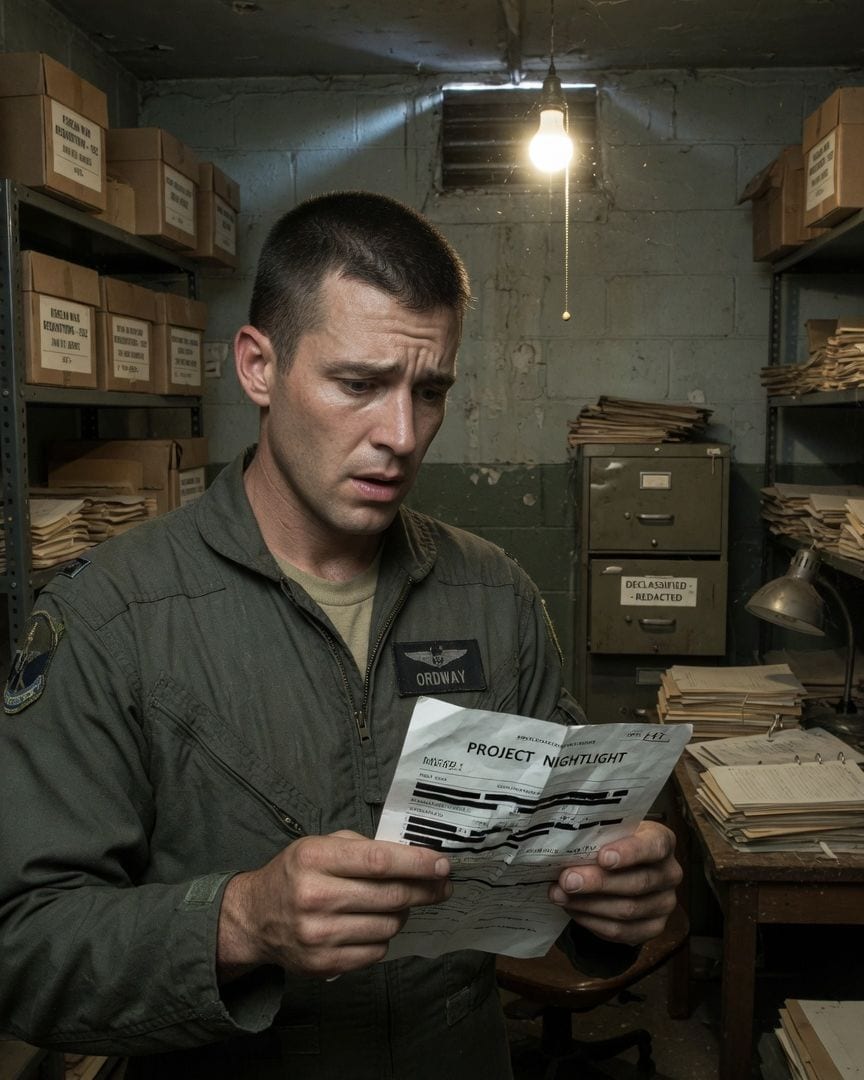 Declassified
First Lieutenant Cal Ordway soared over the Mojave in his F-104 Starfighter in 1962, the night sky a familiar canvas. But that night, one 'star' broke formation, pulling alongside his wing and mirroring his every impossible maneuver. His instruments confirmed the silent, unblinking object, defying all known physics. After filing his precise report, Cal found his flight log altered to 'no incidents,' radar tapes corrupted, and a superior advising him to 'let it go.' Driven by his training, he uncovered a heavily redacted memo referencing 'Project NIGHTLIGHT' and, chillingly, his own service number for 'pilot reassignment protocols initiated.' Was he merely a witness, or already a subject in a much deeper secret?
11 min read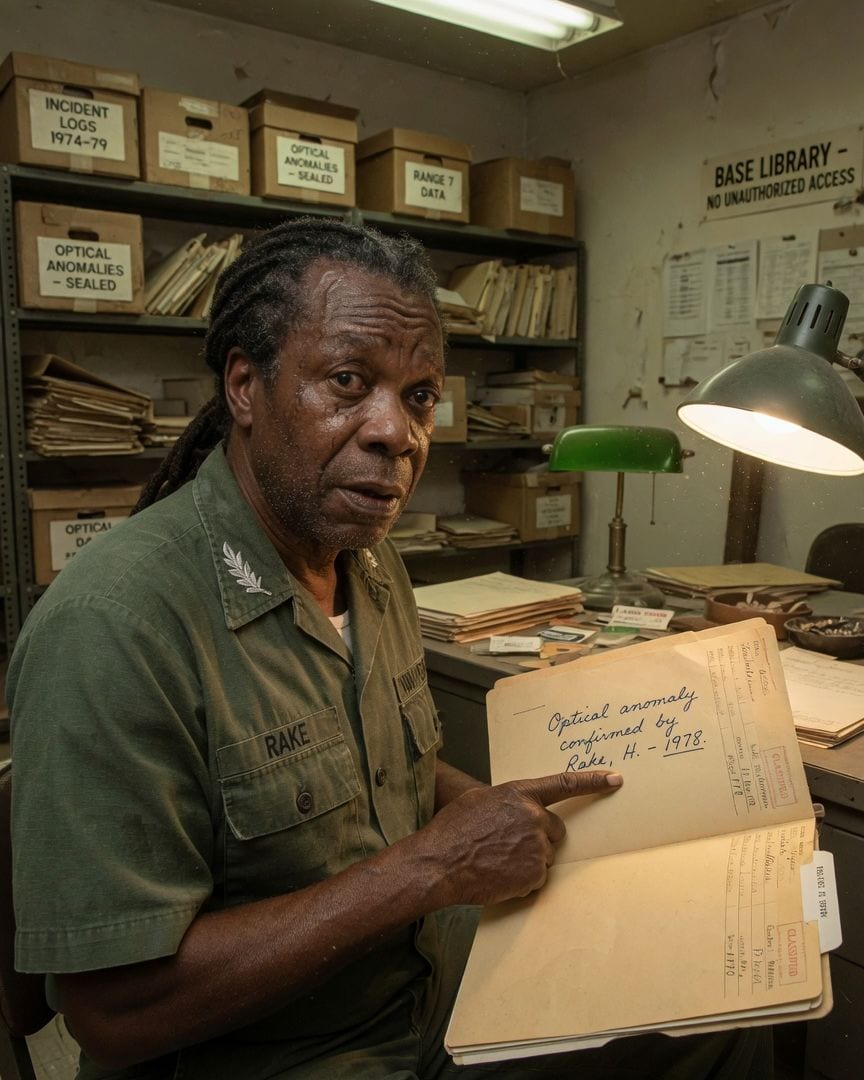 Declassified
Two weeks from his long-awaited retirement, Major Hollis Rake watched the New Mexico desert shimmer, his console suddenly alive with an impossible reading. An object hung perfectly still above the target range, an uncanny sight confirmed by every instrument on base. When official channels dismissed it as an 'atmospheric inversion,' Hollis dug into the archives, searching for any similar incident. He found a yellowed 1978 report detailing an identical anomaly, but the handwritten addendum chilled him to the bone: 'Optical anomaly confirmed by Rake, H. – 1978.' His own surname, recorded decades before he was even born, stared back from the past.
11 min read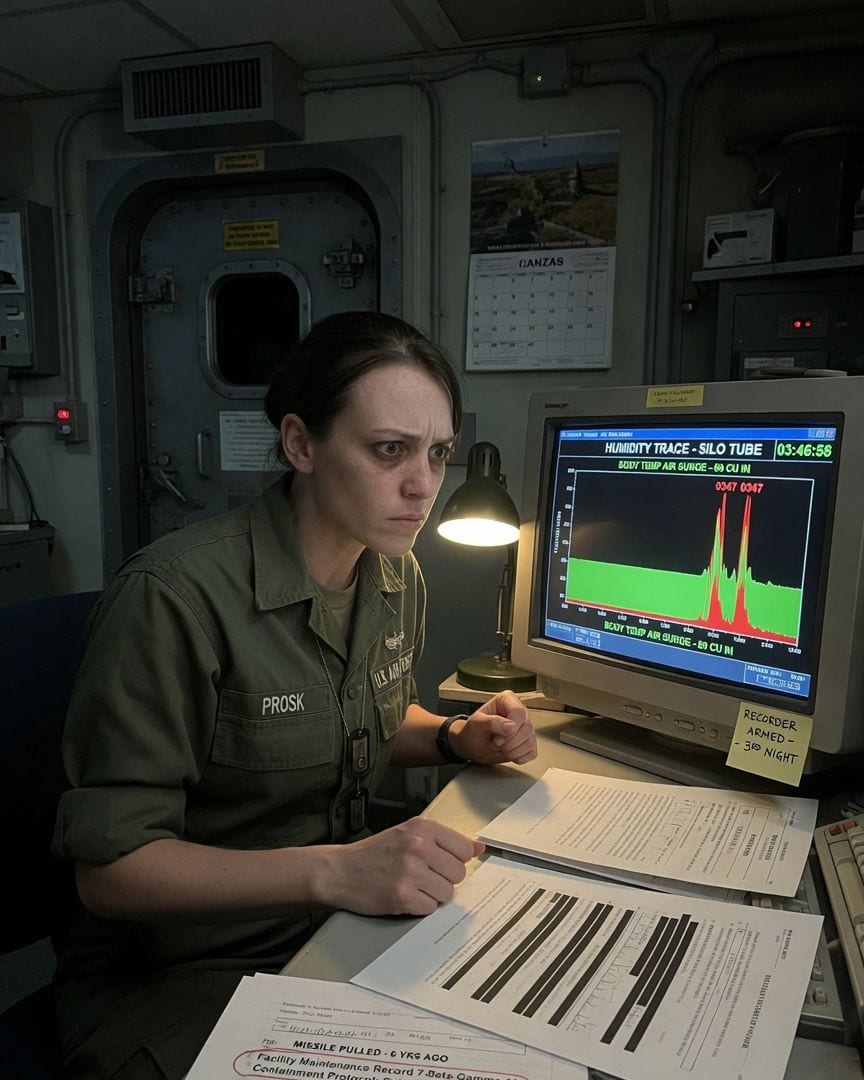 Declassified
Airman Gale Prosk was counting down her final weeks at the silo, eager for her transfer from the isolated Kansas prairie. In the dim control room, the low hum of the ventilation was a constant companion. For years, the environmental monitor for the empty missile tube below had shown a flatline, until three nights ago. A sudden, jagged spike appeared, a surge of air registering at body temperature. She dismissed it as a glitch, but then it happened again. She descended into the vast, echoing chamber where the missile had once stood, finding only cold, polished steel. Back in the control room, redacted declassification files spoke of "biological integrity checks" for the empty space, and Project THRESHOLD documents were missing eight crucial pages. The silence of the silo now hummed with an unseen weight.
11 min read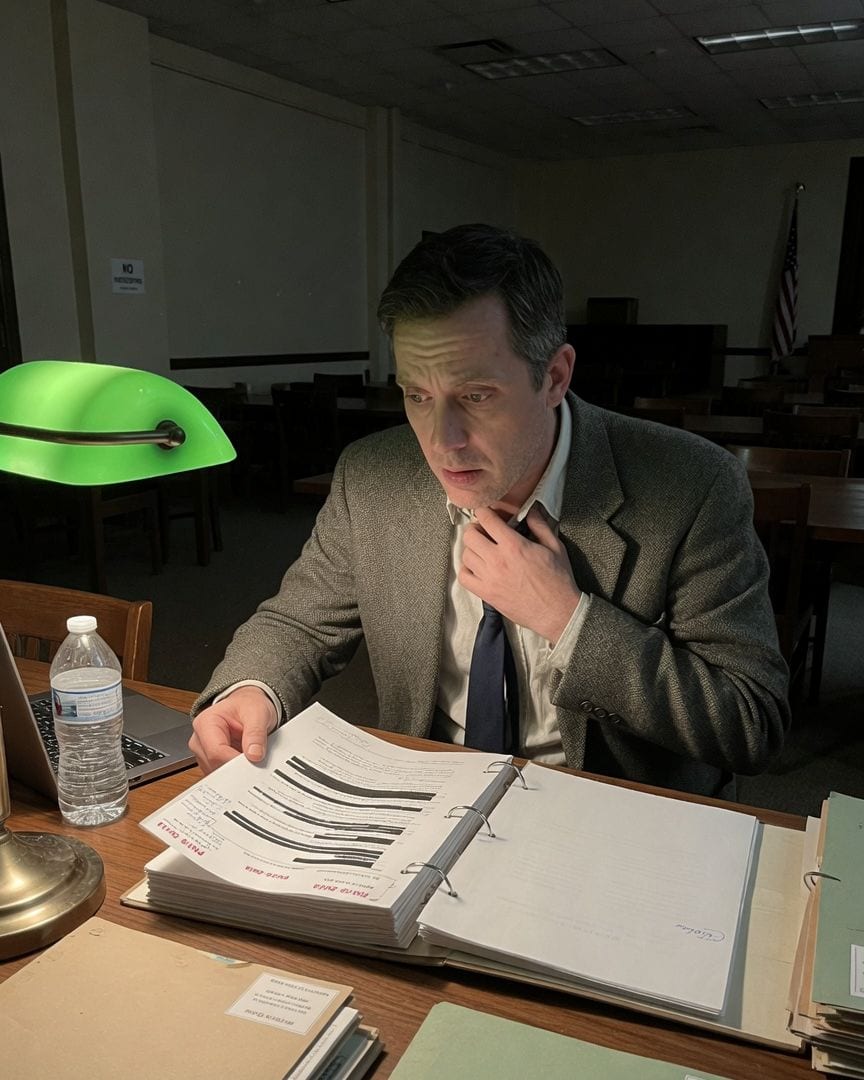 Declassified
Marcus Threlfall, a 38-year-old researcher, hunched over declassified files in the quiet National Archives, racing against his flight home. A single green lamp on his table cast focused light as he delved into 1946 liaison documents. Deep in a folder, he discovered a debrief transcript dated eleven months in his own future, describing his exact setting and a sudden, intense thirst. Searching for an explanation, he uncovered a heavily redacted 1985 memo from 'Project Nightingale' on 'temporal resonance.' How could his own name appear on a list of potential subjects, dated his birth year, decades before he ever stepped into that room?
11 min read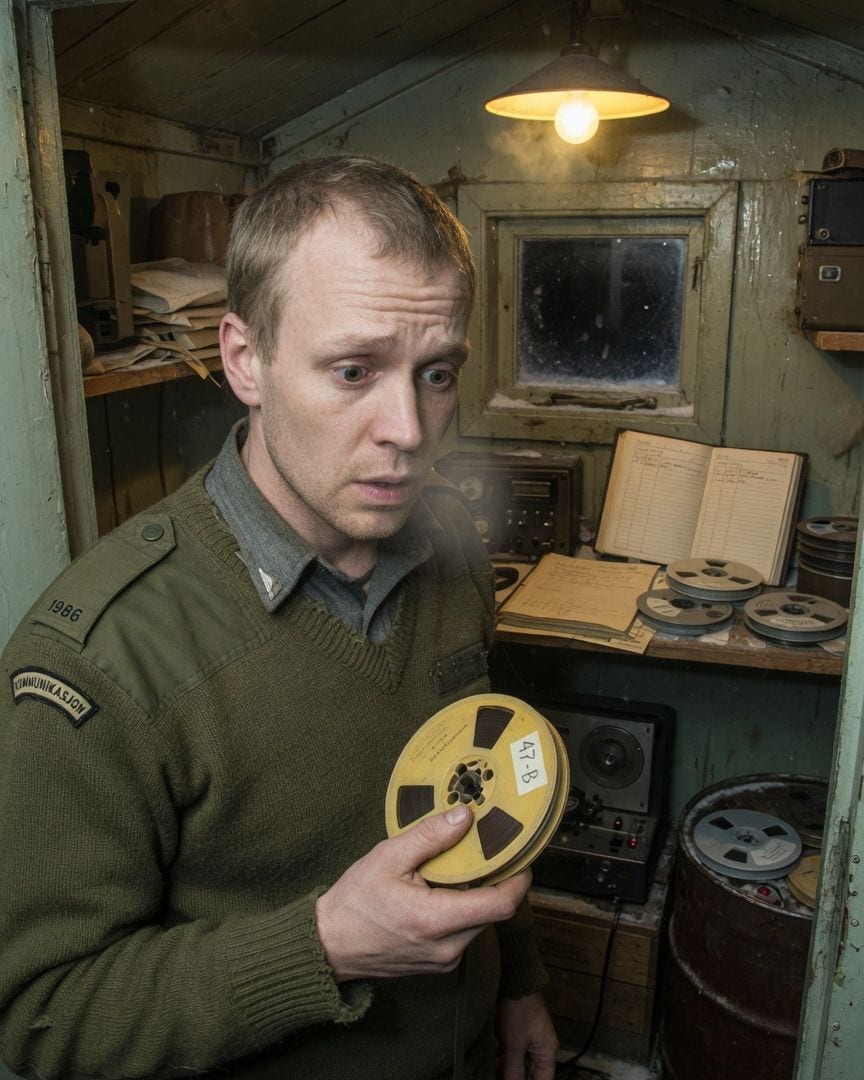 Declassified
Sergeant Pell Ostrander, a methodical communications specialist, shivered in the damp chill of a remote Norwegian fell hut in 1986. It was his last night before the facility was decommissioned, and the last resupply chopper had left him alone with crates for tomorrow's burn. Playing an old magnetic tape, Ostrander heard a station log for his very outpost. The calm voice on the recording began to read "Friday's entries," detailing a disposal count for the next day – yet it was only Thursday night. Moments later, he discovered a specific missing reel, unnaturally warm and thrumming with a faint vibration in his hand.
10 min read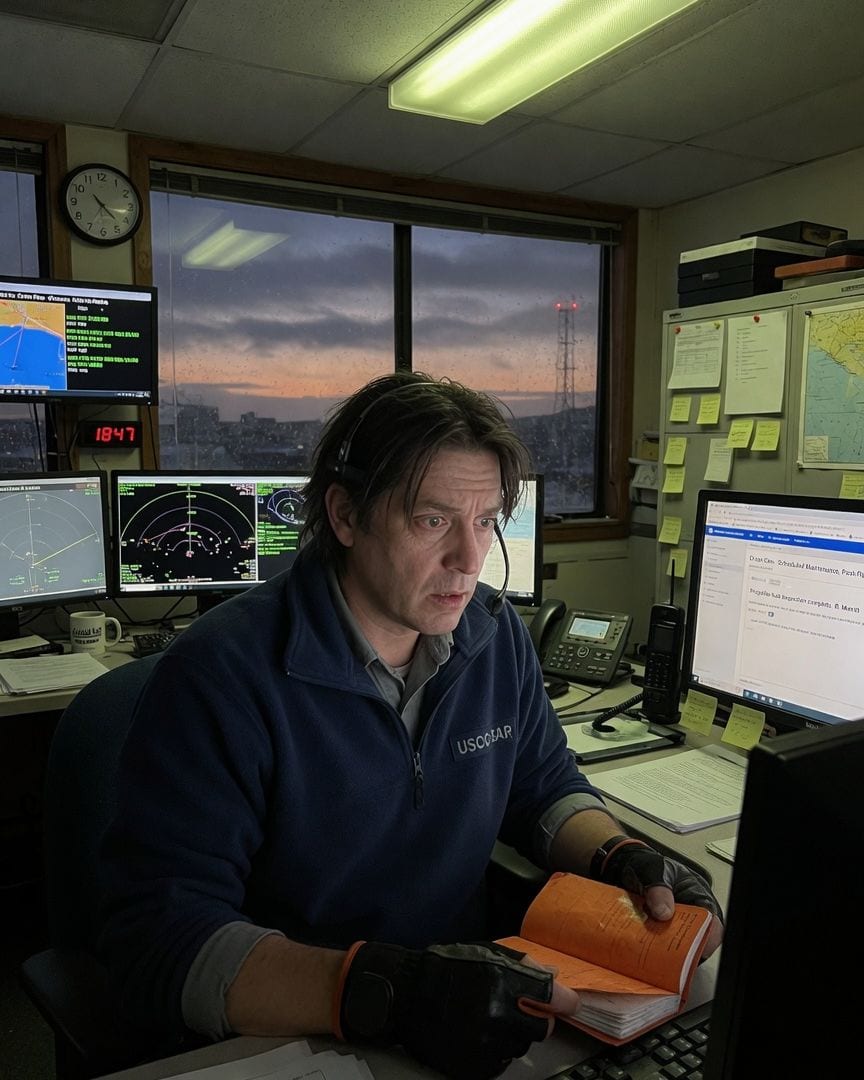 Declassified
Dell Krznaric, a US Coast Guard Search and Rescue Coordinator, faced the grim task of standing down the search for 'Orion One,' a transport missing nine souls for eleven hours as sundown approached over the frigid Aleutian waters. His critical rescue window was closing fast. When a fishing trawler found an empty life raft, Dell discovered a survival log inside—its last entry dated eight hours into the future, reporting an engine sound yet to be heard. Later, he found a maintenance report for the lost aircraft, digitally signed by Loadmaster R. Merritt, dated two days after its presumed loss. The system accepted the impossible signature, leaving Dell to wonder how a lost plane's records could still be writing from a future that hadn't arrived.
13 min read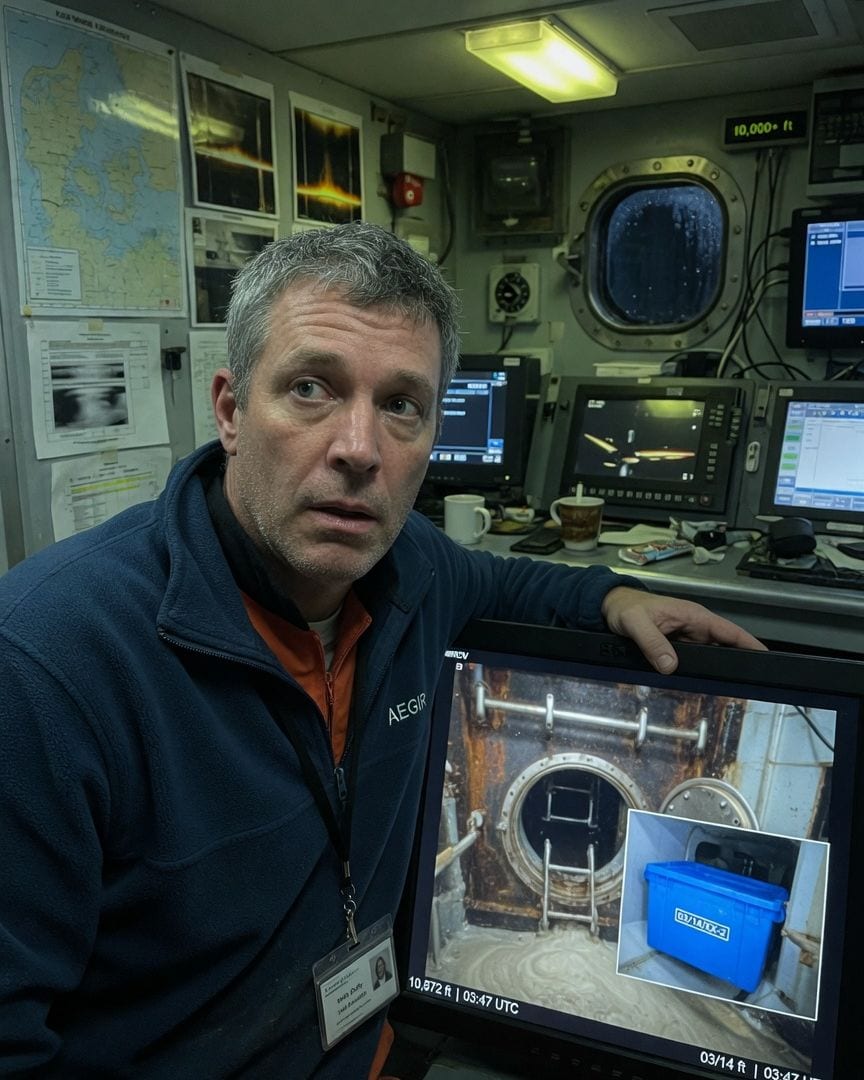 Declassified
Sonar operator Wells Duffy spent days on the RV Aegir, mapping the frigid depths of the Denmark Strait. He was nearing the end of his eleven-day mission when his vessel's transducers painted an impossible image. Deep in a trench, the USS Gale Prescott, a submarine lost with seventy-one souls in 1968, rested upright and perfectly preserved. But as the ROV's camera pushed into the gloom, it revealed a vibrant blue plastic container, clearly not from 1968, bearing a digital date stamp from just two years prior, chilling Wells Duffy to his core.
12 min read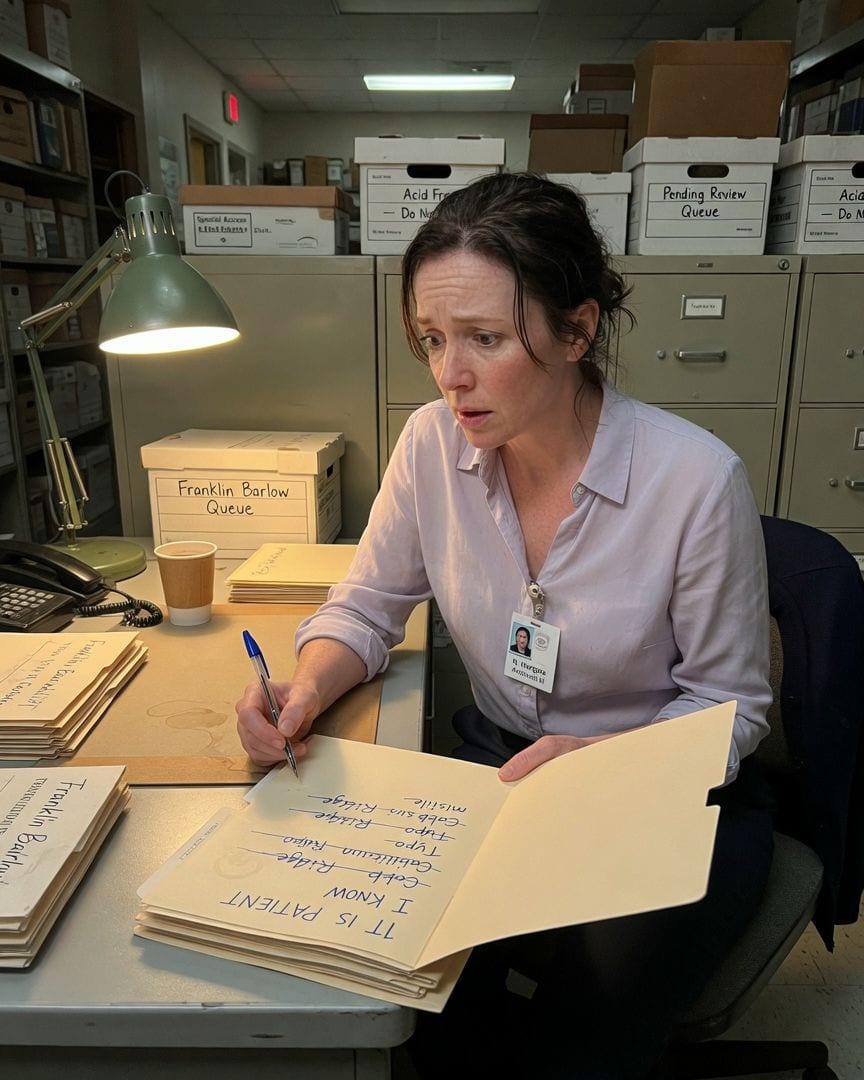 Declassified
Reviewer Nell Hargate found her dead colleague's file, marked with his last, cryptic note. Below it, in her own hand, was a fresh entry: I KNOW.
13 min read