 Declassified
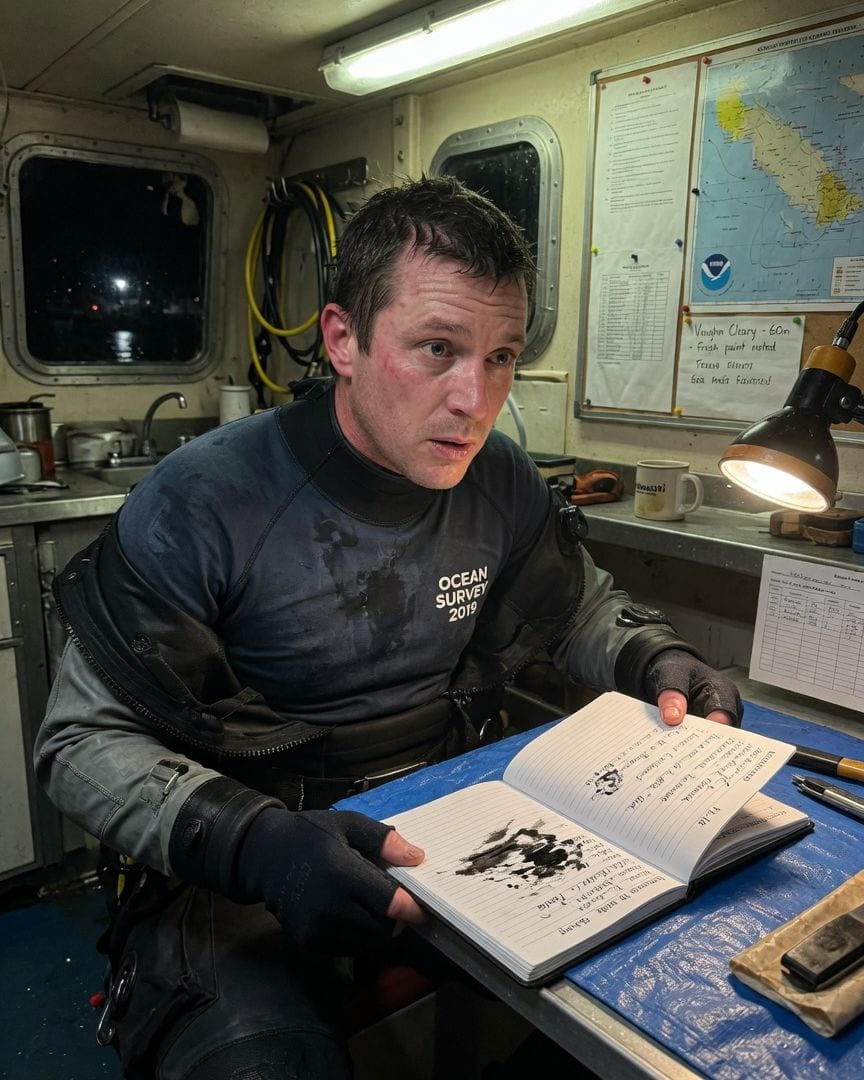
Deep-sea diver Teague Orrin knew the ocean's cold, indifferent blackness intimately as he descended sixty meters to the transport ship Vaughn Cleary. He was there to uncover the mystery surrounding his grandfather, Howard, pulled from her crew list days before she sailed, never speaking of it again. Teague's light swept the hull, revealing impossibly bright, fresh white paint over marine growth, bearing his dead grandfather's distinct hand. Dismissing skepticism, he returned to the wreck, discovering a miraculously intact captain's quarters and a bolted-down safe. Inside, a logbook awaited, its pages remarkably preserved, holding entries that continued *after* the ship was lost, with today's date still wet on the ink.
10 min read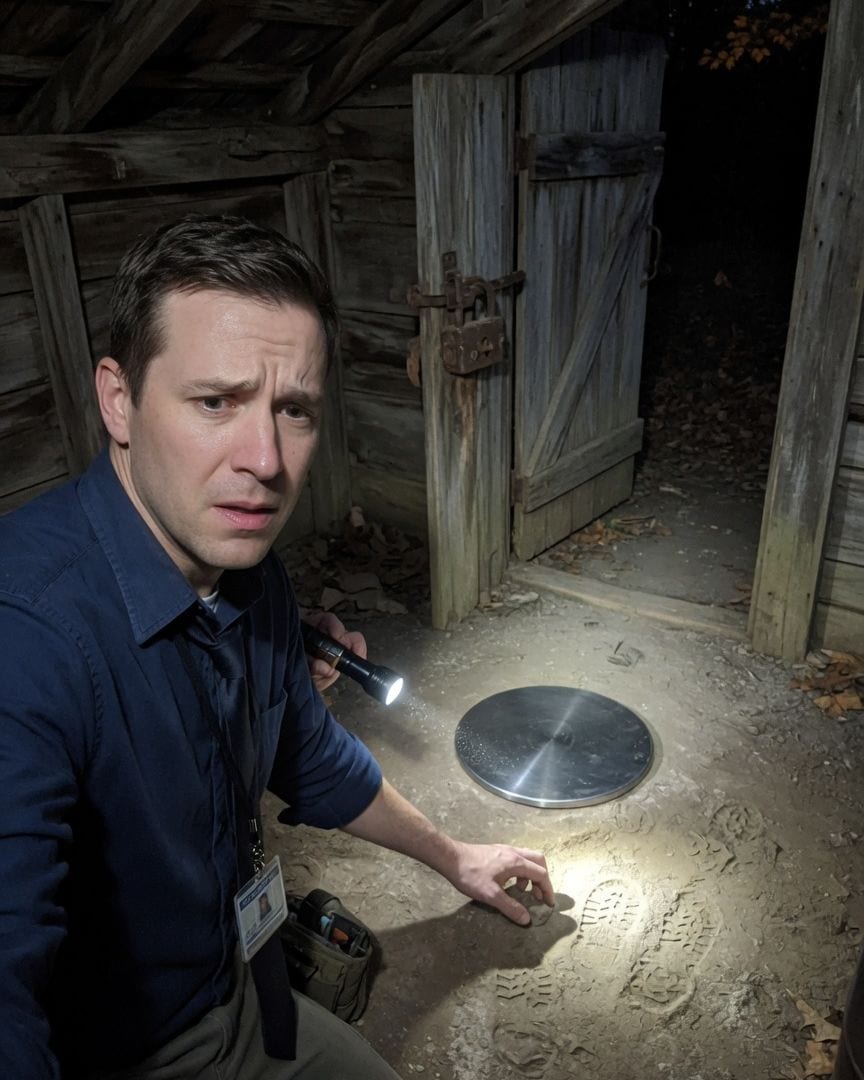 Declassified
Devin Mauch, a methodical archivist at Fort Loran, was meticulously preparing the last of the WWII bundles for transfer, relishing the quiet order of declassification in the hushed, climate-controlled vault. His calm was shattered when he discovered the Ashfield Barn file, a slim folder containing a single grainy photograph of a small, weather-beaten wooden shed. In the dust before its slightly ajar door, a clear set of boot prints led directly inside, but none led out. The chilling caption read: 'SUBJECT REMAINS INSIDE, IN CUSTODY, INDEFINITE,' with the entry re-signed quarterly for eighty-one years, the last signature just six days ago. The shed, he knew, stood less than four miles from his home, its ancient, medieval lock hinting at a secret far deeper than any rural incident. What, or who, had been kept in that shed for over eight decades, and why did its custody continue to this day?
12 min read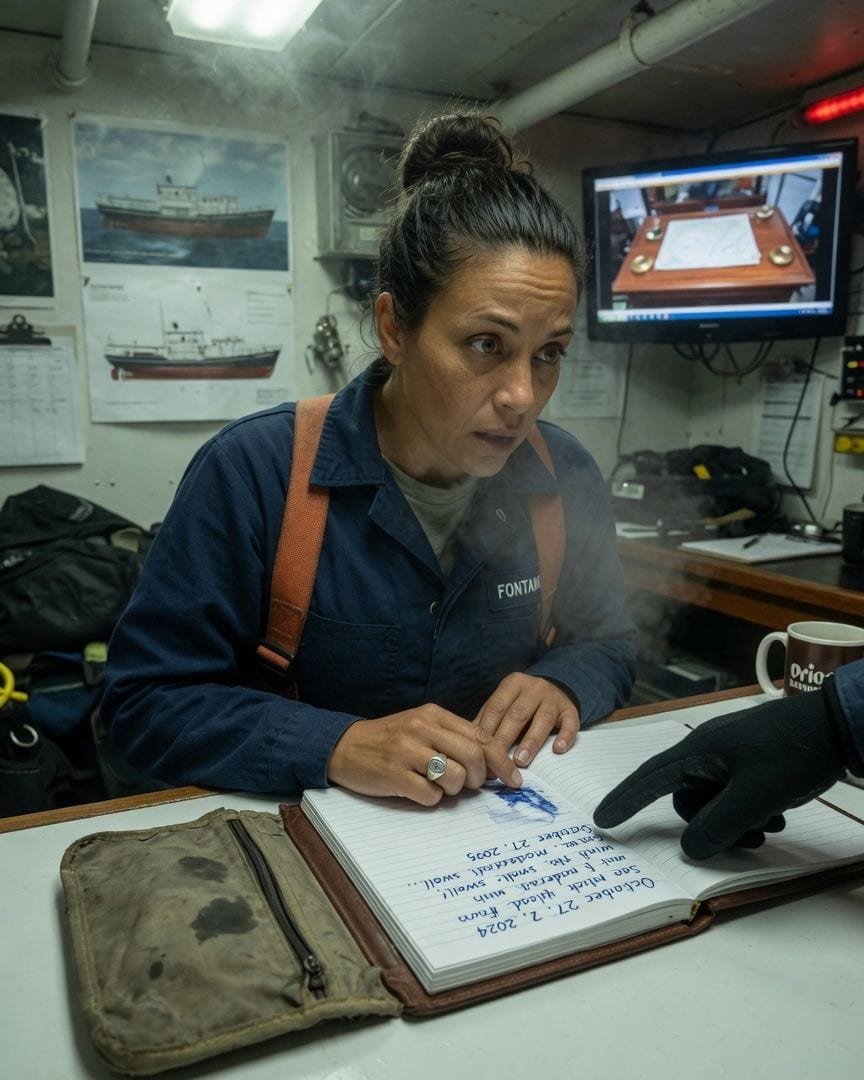 Declassified
Navy salvage officer Vivian Fontaine led the deep-sea recovery of the Hollis Wren, a survey ship lost forty years ago, finding it remarkably intact on the seabed. But inside, a nautical chart depicted new structures built decades after the ship vanished, and its hull was unnervingly clean of the expected forty years of growth. The true shock came in the captain's cabin: a sealed logbook with an entry dated October 27, 2024—today’s date—its deep blue ink still glistening wet, detailing current conditions at their exact coordinates. How could a ship lost so long ago carry a logbook written moments before its discovery?
11 min read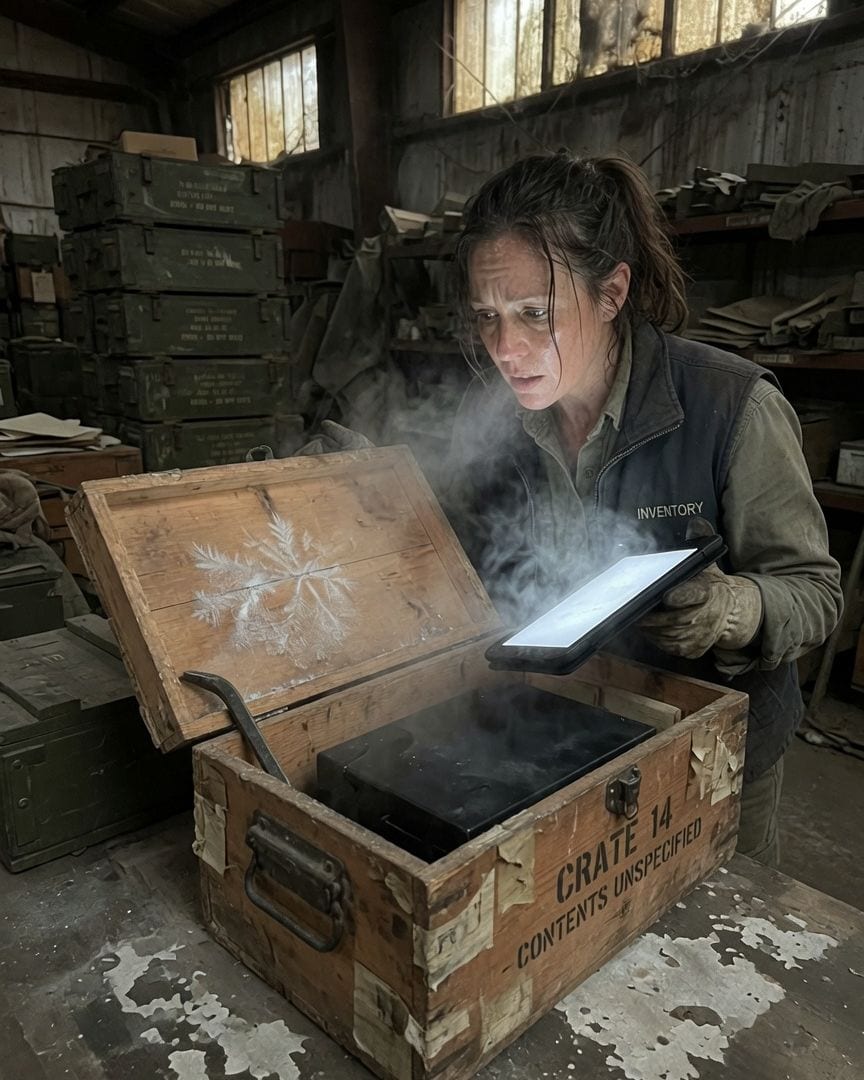 Declassified
Inventory clerk Deborah Kessling faced a race against time, cataloging the final items in a condemned military warehouse before its demolition on the twelfth. Amidst forgotten equipment, she discovered Crate 14, radiating an unnatural, bone-deep cold that had scarred the concrete beneath it for decades. Its sparse file hinted at a 'flying disc' entry from 1948, later struck through, and an unbroken chain of signatures every ninety days for sixty years. When Deborah finally forced open the ancient lid, a metallic, obsidian object pulsed with a low hum, its cold intensifying, coating the inner lid with frost. What ancient secret had the military meticulously guarded for so long?
12 min read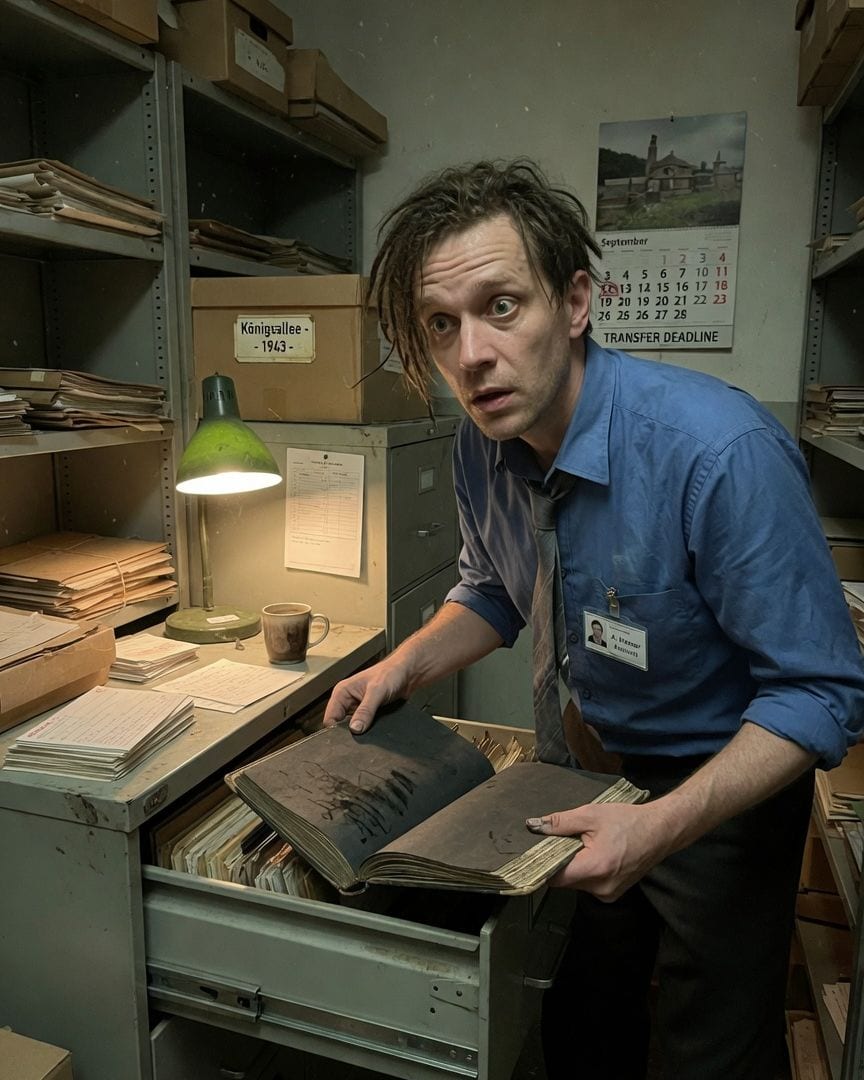 Declassified
Ansel Vidmar, a methodical researcher, felt the pressure of a looming deadline. The municipal transfer of the old Berlin archive was days away, and he still had countless documents to categorize amidst towering stacks of forgotten history. His focus narrowed to an unindexed metal cabinet, revealing records for a garrison company at Königsallee – an address that had been a vacant lot since the war. A punishment log inside listed an entry from 1983, a date far too recent for a non-existent building. When Ansel visited the site, he found only overgrown grass, save for a single, eerily clean concrete doorstep emerging from the earth. His unease solidified into dread when he later uncovered a hidden Quartermaster's Log, meticulously detailing supplies for the same barracks, with entries extending to "last month," the final page's ink still faintly wet. What unseen operations were still being maintained?
11 min read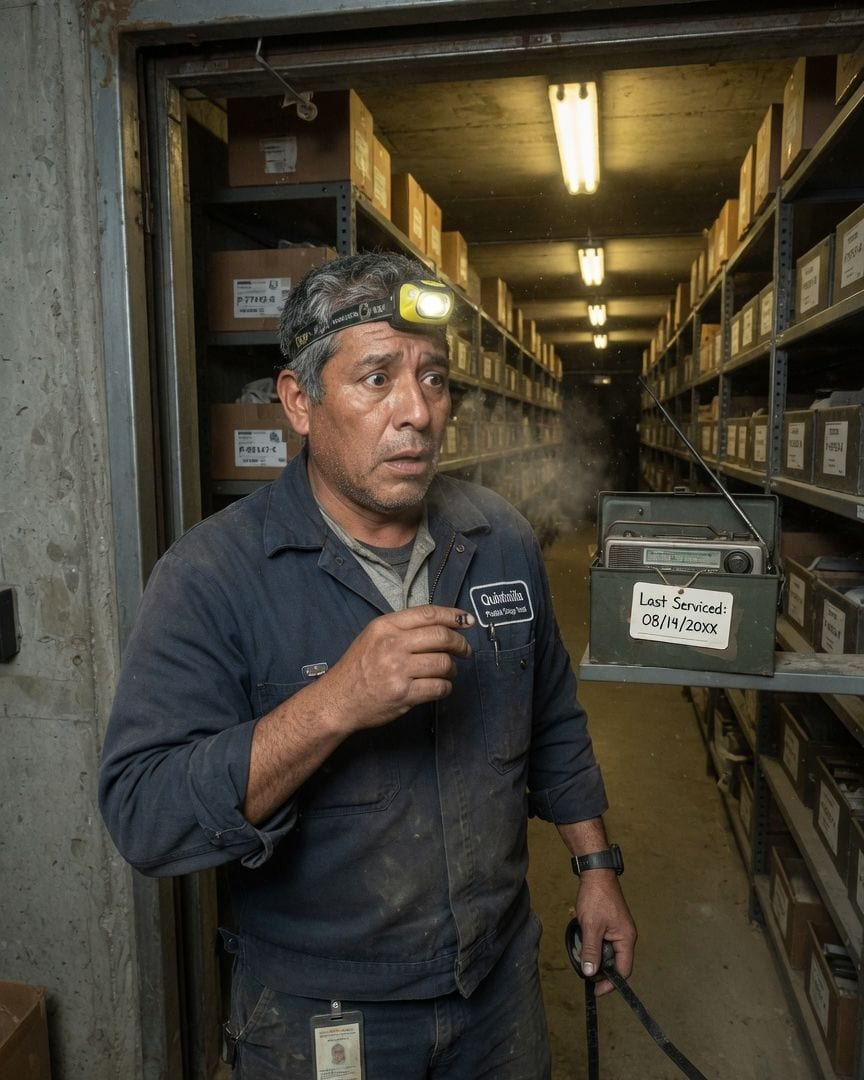 Declassified
Salvador Quintanilla, one of the final two men at the Pueblo storage yard, was tasked with clearing Igloo 7, the last bunker before the facility's imminent closure. As he rolled back the heavy steel door, he discovered not an empty space, but metal racking extending impossibly far past the concrete wall, under the empty prairie, lit by a wan, humming light. Venturing into the profound chill, he found an old field radio with a service tag dated three years in the future, its dark ink still wet to the touch. The radio hummed faintly in his hands, and from deep within the impossible corridor, a metallic click echoed, confirming he was not alone.
10 min read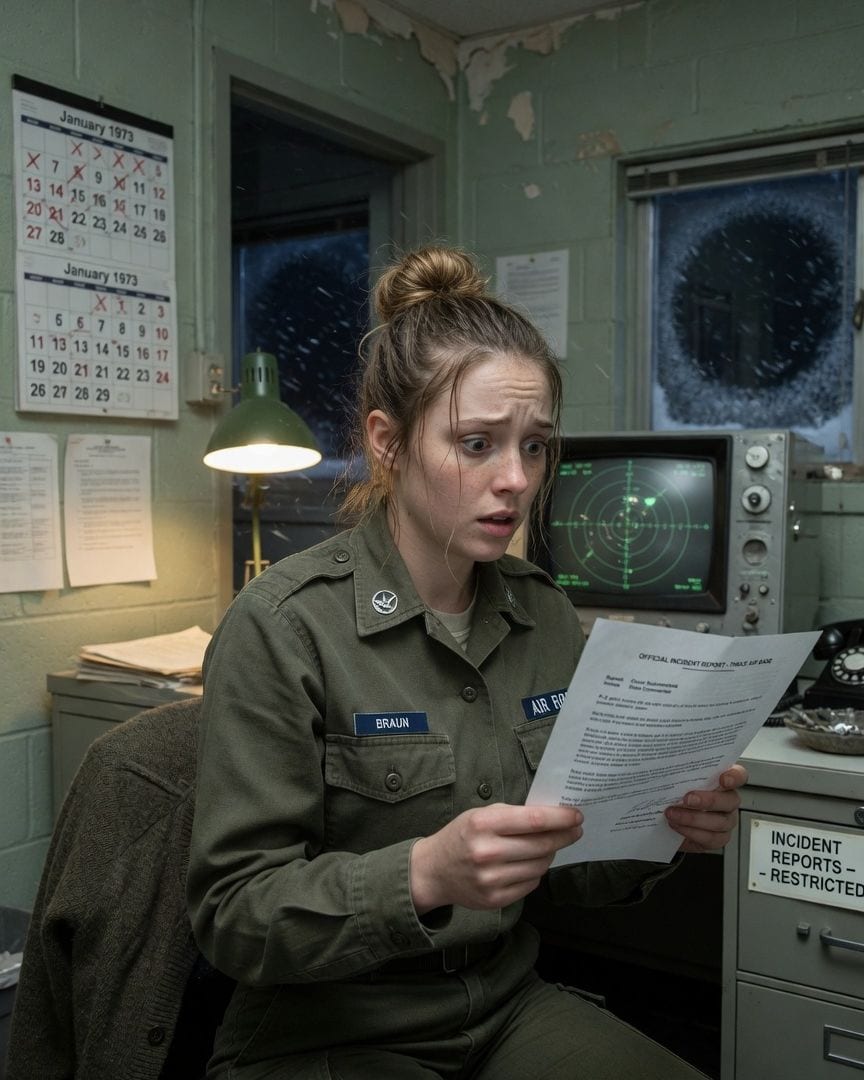 Declassified
Airman First Class Colette Braun, 24, was counting down her final eight days at Thule Air Base in the monotonous Arctic winter of 1973. Her routine radar sweeps were broken by an impossible blip, a craft appearing *inside* the scope’s minimum range, confirmed visually by a Navy P-2 pilot. After its impossible vertical ascent, Colette overheard her Base Commander discussing "containment." On her last day, the official report arrived, stating the pilot saw "no visual contact." What did Colette truly witness, and why was her account altered?
11 min read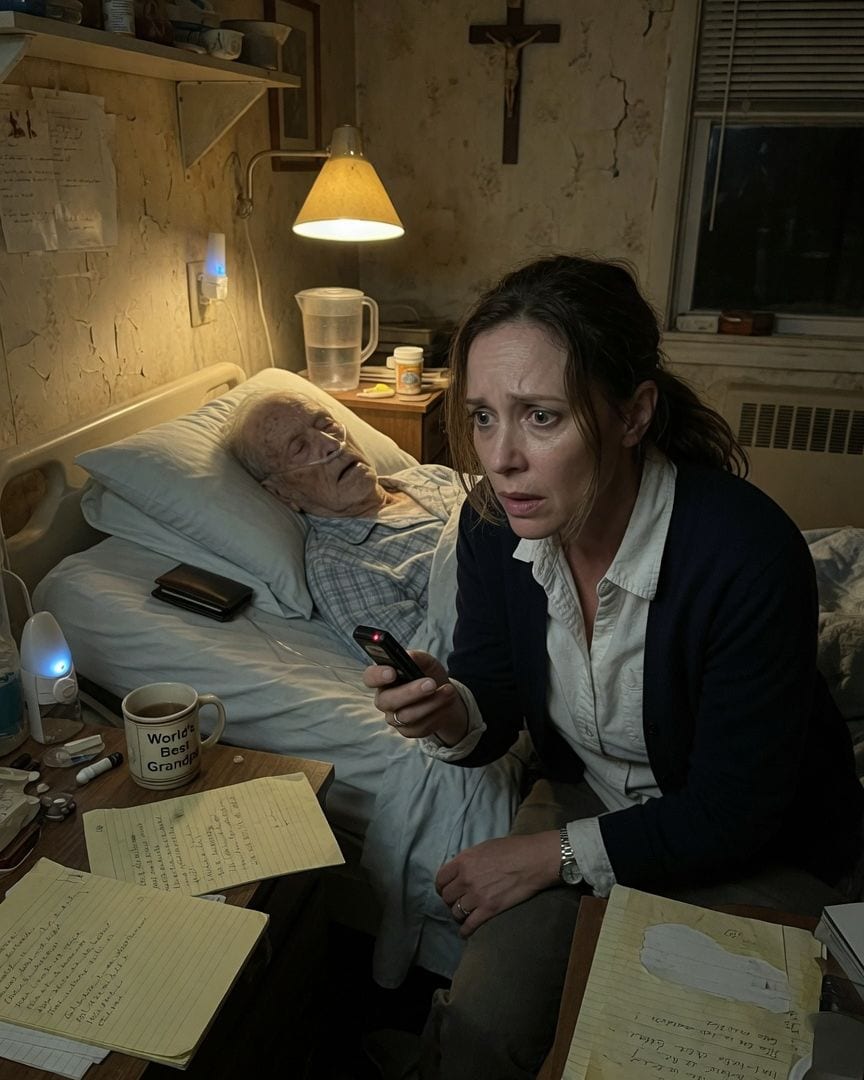 Declassified
Iris Vance, a dedicated researcher, listened intently to the frail, 84-year-old Anselm Boyd. His stroke had stolen his waking words, but at night, he relived an impossible 1961 flight, murmuring about a cargo plane's tail sitting down under an unknown, denied weight. When Anselm later produced a crudely drawn map of an airstrip marked 'where the UFO landed,' Iris dismissed it as delusion. But declassified records soon revealed a C-124 flight with an 'unusual weight discrepancy' in 1961. Her heart hammered when she found a blurred photo of the same plane, tail-down in a desolate field, but officially dated October 1978.
12 min read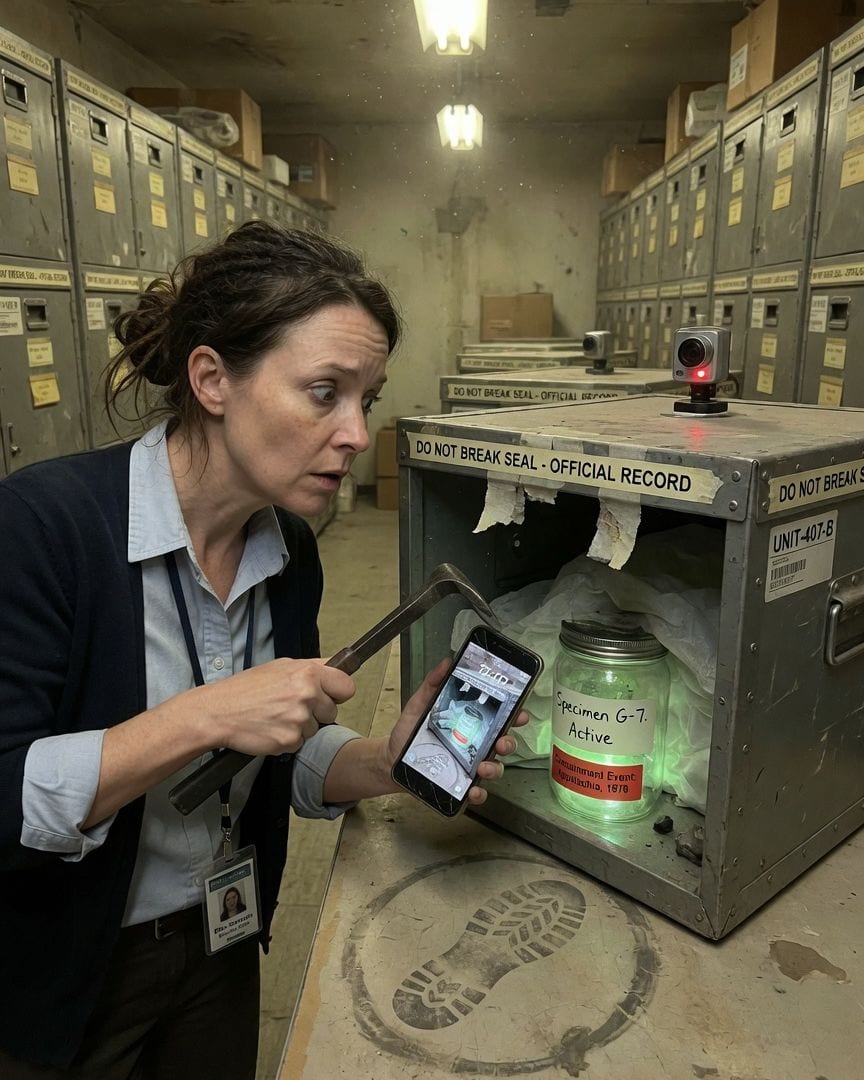 Declassified
Records clerk Elke Sarrazin was counting down her final week at the Fort Holabird annex, the air thick with the scent of forgotten paper and the impending demolition of the facility. She'd personally logged UNIT-407-B for disposal days ago, yet Monday morning, the heavy storage crate sat precisely back in its original aisle, its seals pristine. The impossible detail was a single, clear boot print in the dust before it, captured identically in photos taken days apart. Despite her efforts to move and monitor it, the crate returned again, leaving only static on her camera and a redacted file hinting at 'self-correction protocols.' What dark secret pulsed within the crate's forbidden depths?
11 min read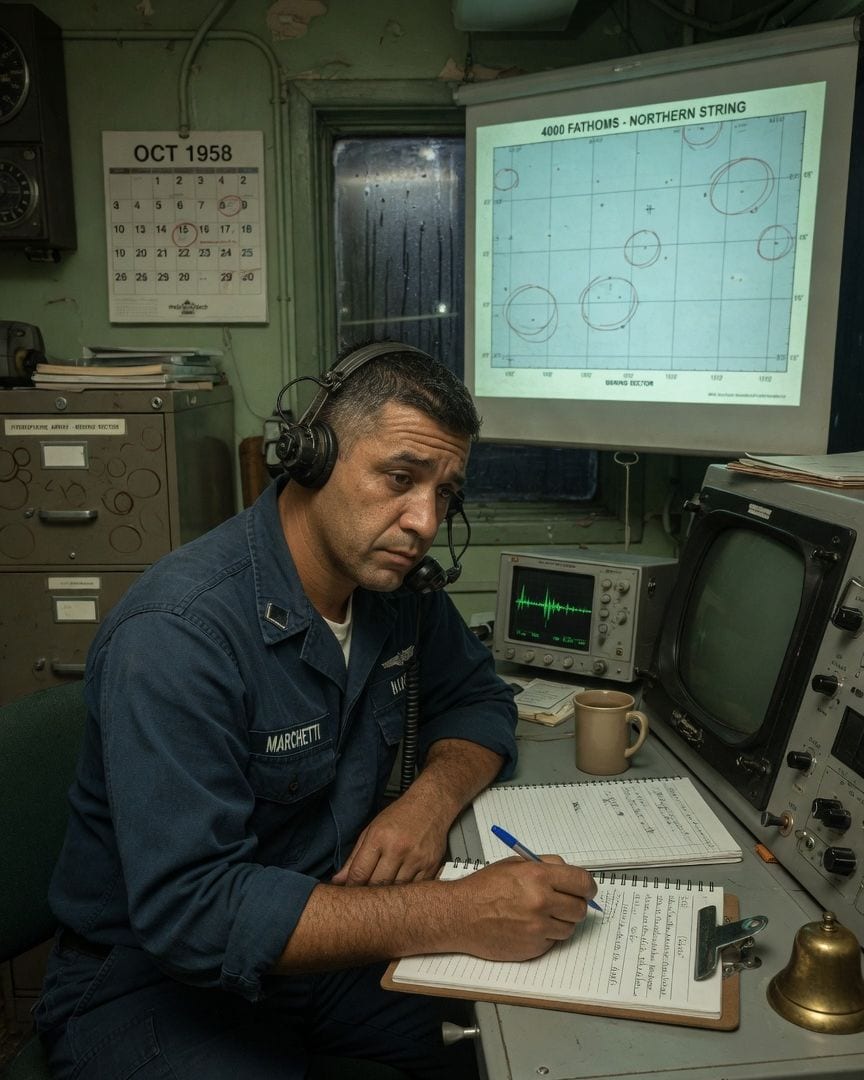 Declassified
Petty Officer Ruel Marchetti had just thirty-one days left on his career, monitoring the frigid Bering Sea from the lonely Adak surveillance station in October 1958. His headphones, usually filled with the hum of equipment, picked up an impossible sound: a ship’s bell chiming from 4000 fathoms of empty ocean. For six nights, the bell rang precisely on the half-hour, dismissing all his rationalizations and his Chief's easy explanations. On the seventh night, Marchetti rang the station’s fire bell into the churning black sea, and moments later, the deep-sea bell answered his exact count, chime for chime. What was speaking back from the silent depths, and what did its rhythmic chimes truly say?
9 min read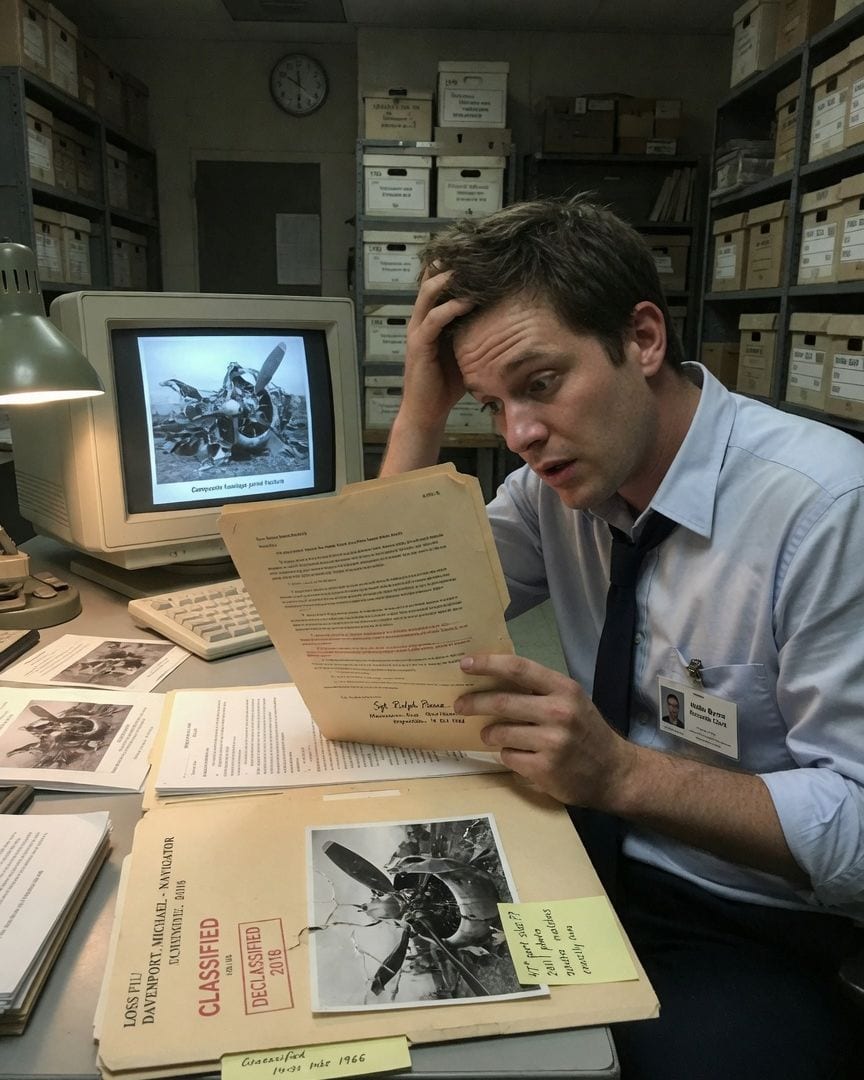 Declassified
Records clerk Hollis Byrne had one afternoon to scour his uncle’s 1966 Vietnam-era loss file in the cool, hushed declassification chamber. He hoped to find answers about Michael Davenport, the missing navigator, before the boxes returned to the archives. But the meticulously tidy file held more questions than solace. The 1966 report detailed specific wreckage damage—a bent propeller, a fractured composite panel—that perfectly matched photos from a 2011 recovery. Then Hollis found a 1966 'Post Recovery Inspection' log signed by a sergeant who had died a full year before the file was even created.
10 min read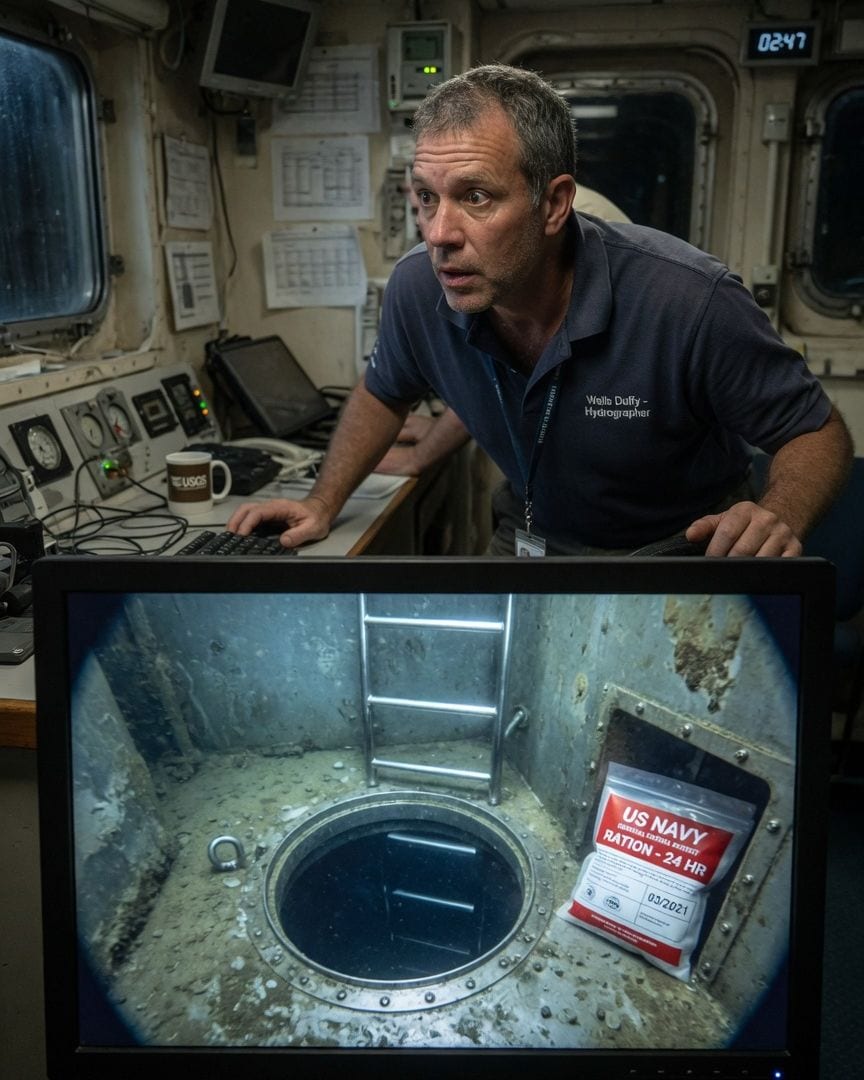 Declassified
Hydrographer Wells Duffy embarked on his final deep-sea mission, hoping to justify his career one last time before a desk transfer. Eleven days in, his vessel, The Seeker, located the USS Gale Prescott, lost with 71 souls in 1968, resting upright in a deep trench. As ROV cameras descended, the submarine's escape trunk hatch stood unnervingly open, its internal ladder rungs polished smooth from recent, bi-directional use. Inside the pressure hull, surprisingly clear of decay, the ROV found a sealed survival ration pack, its packaging crisp and vibrant, stamped with an impossible date: 03/2021. How could a modern supply pack appear inside a vessel lost over half a century ago, deep beneath the Denmark Strait?
11 min read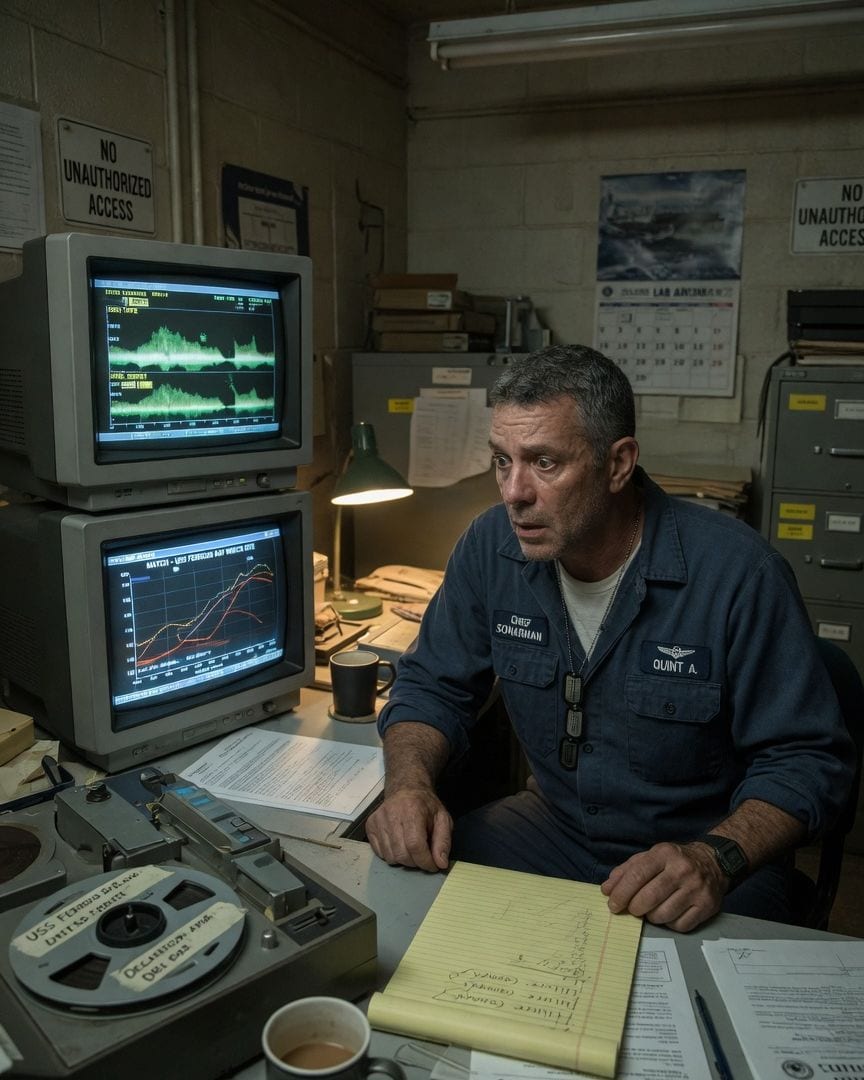 Declassified
Chief Sonarman Abel Quint, 46, had spent six weeks in a dimly lit declassification lab, meticulously replaying the last transmission of the USS Ferrous Bay. The submarine tender, lost off Kodiak in 1962, carried his father, Julian Hartley, whose calm voice Abel knew by heart. But one evening, a faint, rhythmic series of pings emerged from beneath his father’s words – a distinct cadence that, when isolated, revealed coordinates hundreds of miles from the reported loss site. Abel's dread grew as the impossible truth surfaced: the 1962 recording contained the precise location and unique acoustic signature of the wreck, discovered thirty years later. The tape wasn't just predicting; it was observing the ship's own future death rattle.
10 min read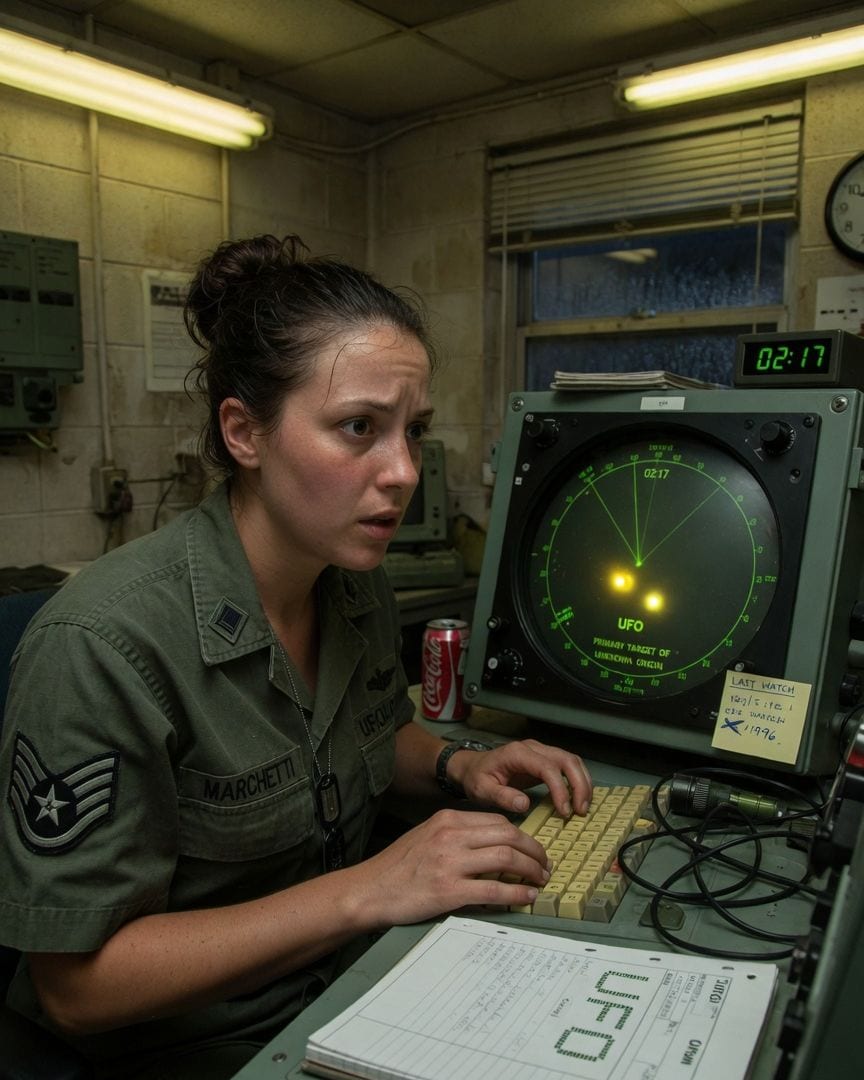 Declassified
Technical Sergeant Odile Marchetti sat alone for her final watch at Gulf Coast ground control, anticipating a quiet transfer to a desk job. The dim console glow and rhythmic radar sweep were familiar, comforting sounds until 02:17, when an airliner captain reported impossible traffic flying in formation. Odile watched a second, larger blip appear on her screen, mirroring the plane's path with impossible precision. As the captain's voice, now tinged with a faint tremor, declared his plane was flying through where the object had been, the two radar returns merged into one, impossibly stable. Later, reviewing the official dismissal, Odile discovered an airline manifest listing a passenger as 'NO SHOW' who had, by handwritten note, definitely boarded—their name redacted, the file stamped 'CLOSED'.
11 min read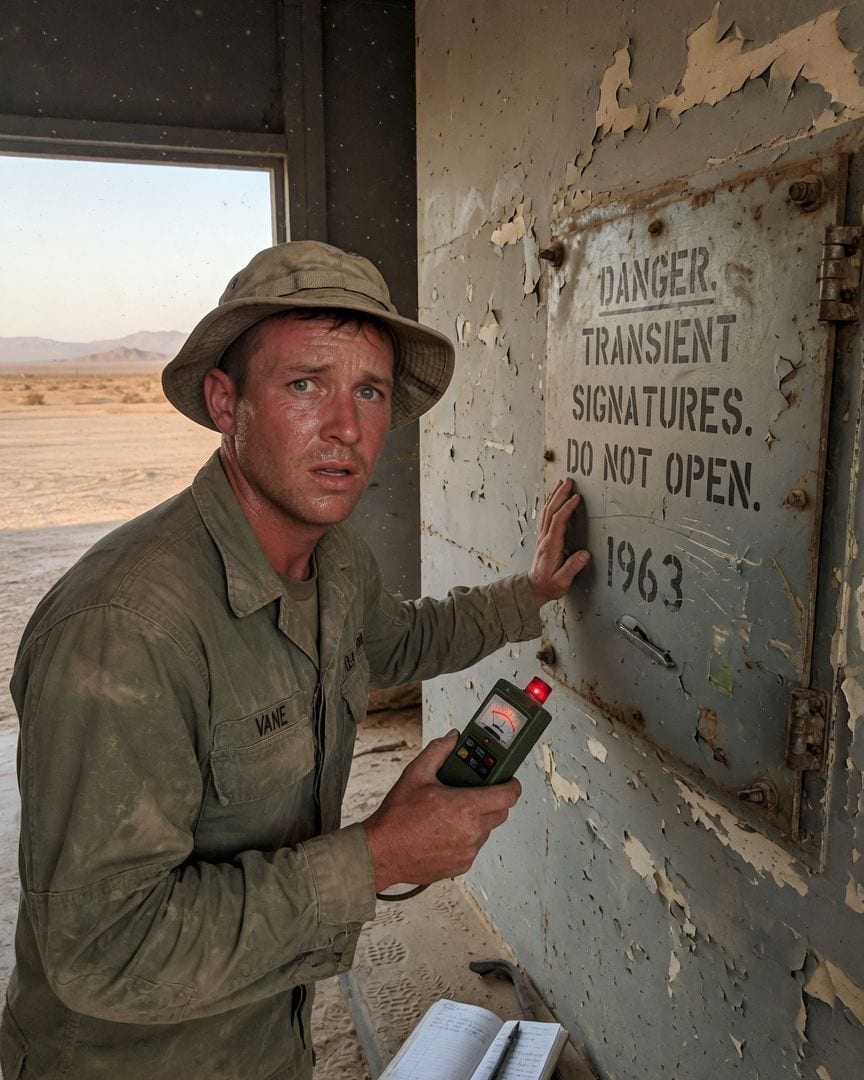 Declassified
Airman Purdy Vane conducted his final, lonely survey of Sable Draw, a vast desert testing range slated for permanent closure. Under the relentless late summer sun, his Geiger counter, usually silent, suddenly shrieked. It led him to a perfect, four-hundred-yard track of intense radiation readings, like unhurried footprints, ending abruptly against the blank, doorless wall of a concrete instrument shed. Despite the range being officially cold for decades, Purdy later uncovered a hidden steel panel on that wall, bearing a stark, hand-painted warning: 'DANGER. TRANSIENT SIGNATURES. DO NOT OPEN. 1963.' How could something so dangerous remain hidden, decades after the desert was declared safe?
15 min read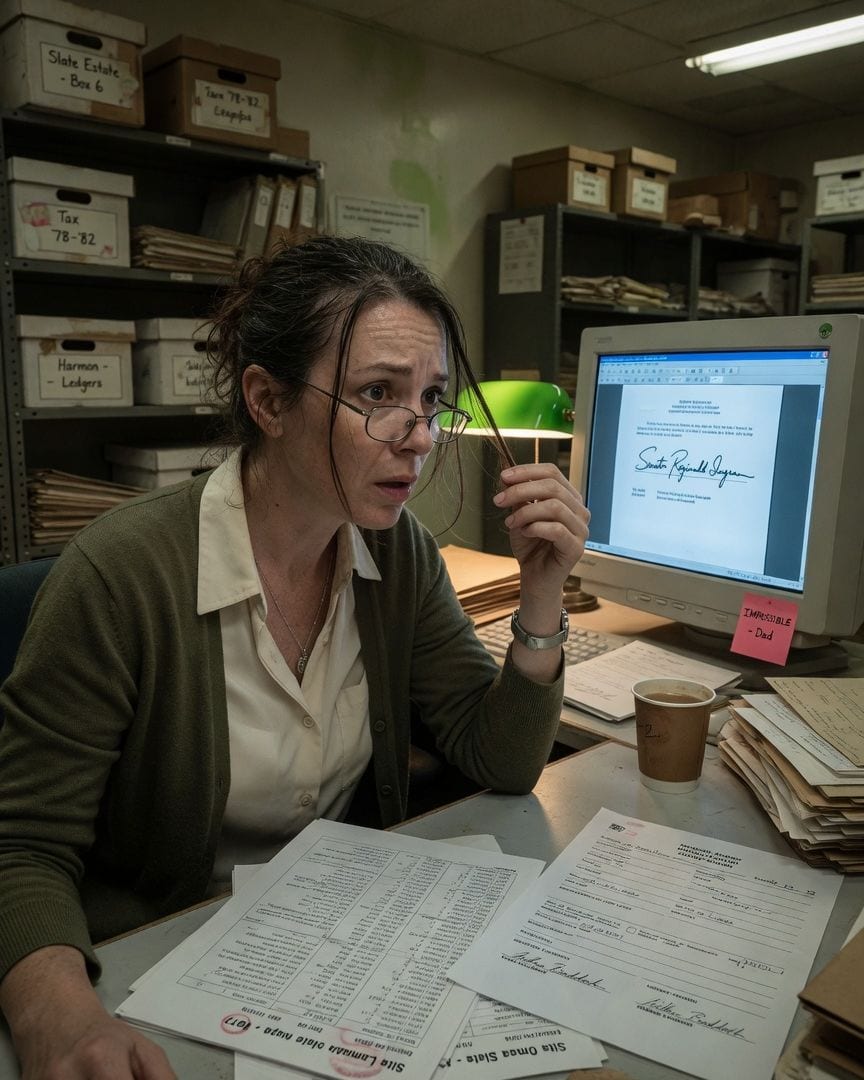 Declassified
Nell Braddock, a meticulous archivist, dedicated her days to the quiet precision of sorting through decades of old papers. Her current task, the estate of Harmon Slate, promised nothing more than mundane accounting until she unearthed a secret operations roster from 1977. The document listed Slate as present at a desert facility, yet hospital records confirmed he was laid up with a broken back at the exact same time. A cold certainty bloomed when she recognized the familiar signature at the bottom of both impossible documents: her own father's. As Nell dug deeper, she found more such anomalies, each bearing her father's unnervingly perfect hand, twisting her reality into something utterly alien.
12 min read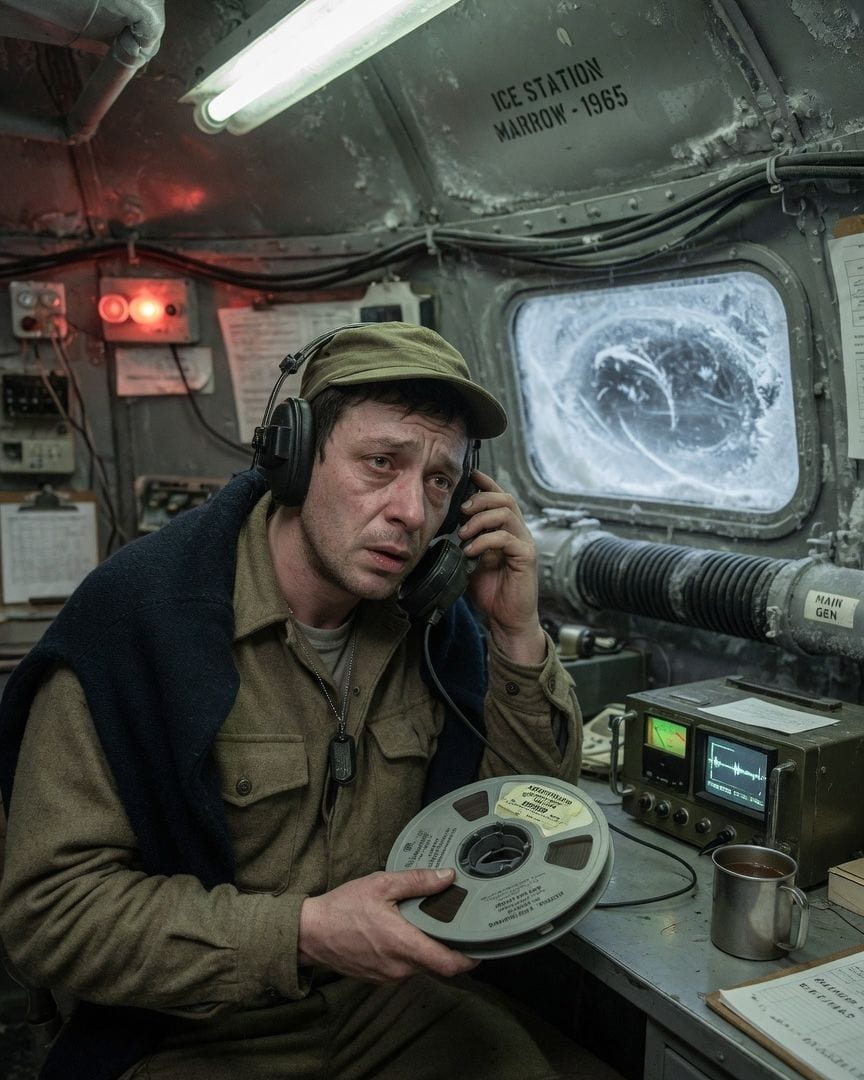 Declassified
At Ice Station Marrow in the winter of 1965, Corporal Yves Boudrie was bone-deep in loneliness after six days of relentless whiteout. With mail cut off since October, his only escape from the isolation was a stack of declassified archive reels. He played one, a woman’s voice reading Russian numbers, but a high-pitched moan like wind accompanied a sudden blizzard outside. The recording, labeled 1959 Bavaria, seemed to perfectly echo the storm's fury and its subsequent ebb. Yves soon discovered the reel also carried the distinct thrum of his own station's massive diesel generator, an impossible sound from six years and thousands of miles away. How could a Cold War recording from another continent mirror his present reality so precisely?
12 min read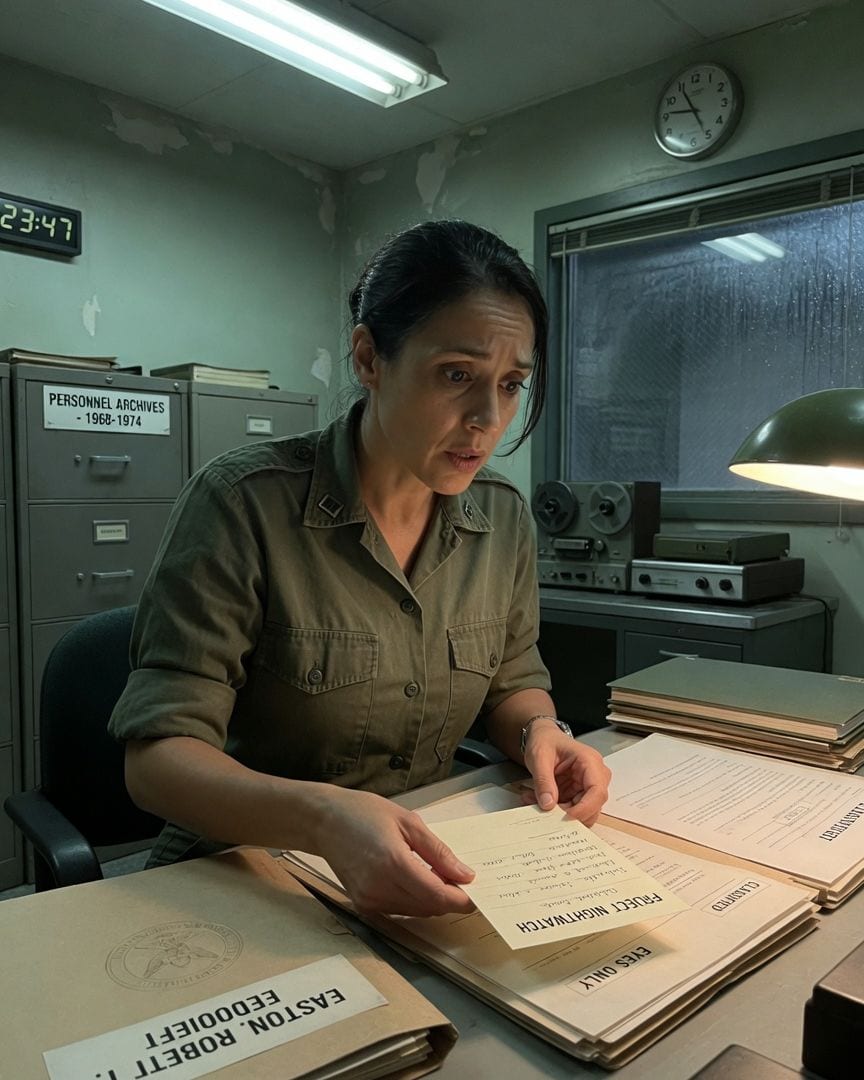 Declassified
Captain Ines Bardolph, a tower controller, was counting down the months until her transfer to Langley and the decommissioning of her base, hoping to leave behind the unsettling incidents of her final posting. But one night, her radar scope showed an impossible blip, solid and unwavering, 40 miles north of the Danube, only to vanish in less than a second, leaving a pilot screaming in terror. Despite the clear evidence, the official report blamed "atmospheric inversions," while the terrified pilot received a glowing review and promotion, his file meticulously scrubbed of any anomaly. As Captain Bardolph reviewed the pilot's pristine record, she found a hidden slip of paper, revealing a chilling truth: 'Subject: Bardolph, Ines. Status: Observed.' Was she merely an observer of the impossible, or was she now part of something far more sinister?
13 min read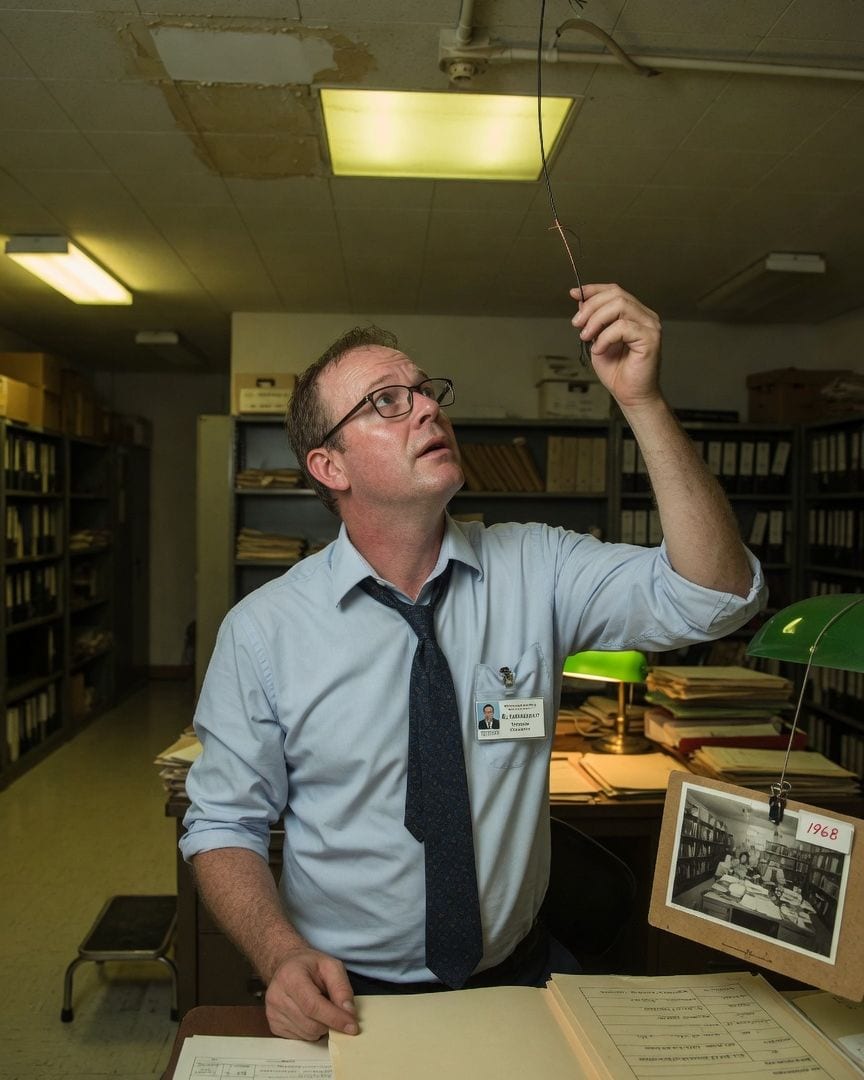 Declassified
Records Officer Beau Lindqvist sat at his usual desk, opening a peculiar case file inherited from a recently retired colleague. Inside, he found a faded, grainy photograph of himself sitting at that very desk, the same file open, taken from above in 1968. A thin, warm wire still dangled from that exact spot in the ceiling. As Beau sought a rational explanation, he discovered a margin note in the file, dated July 14th, 1968, that read: "Lindqvist will examine the photographic anomaly on 07/14." Beau checked his watch; it was July 14th.
10 min read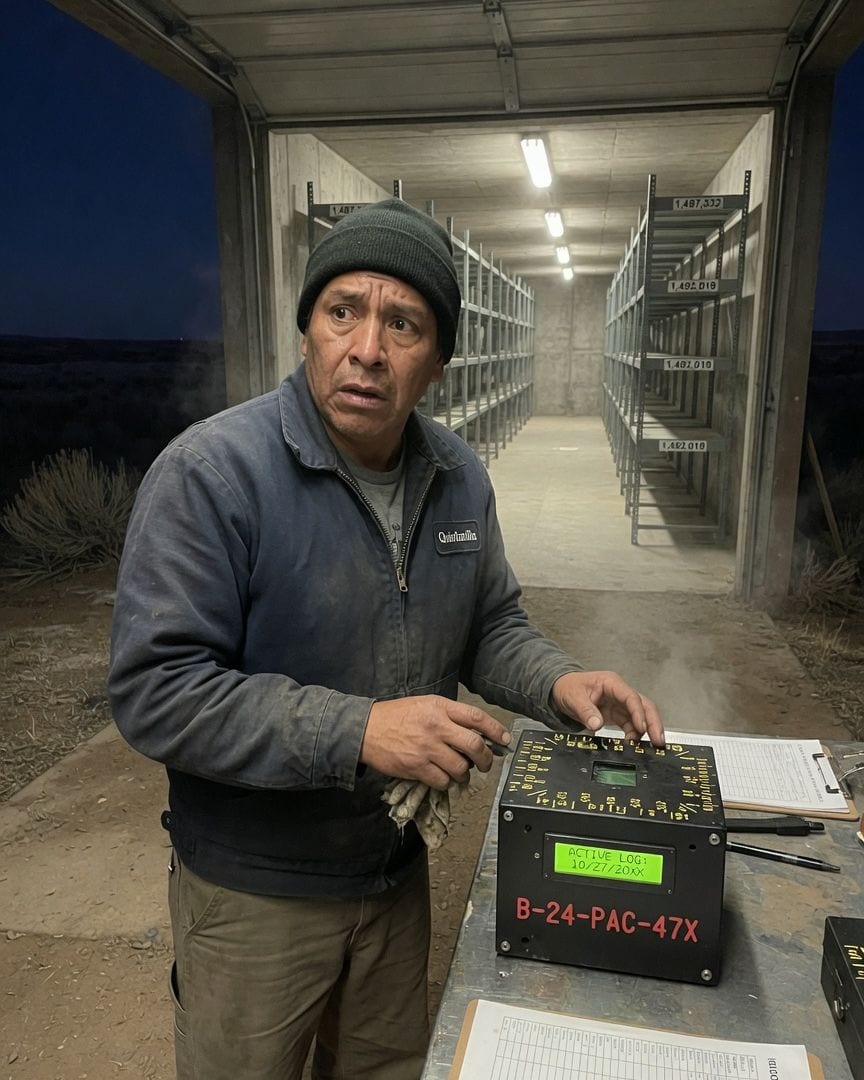 Declassified
Salvador Quintanilla, one of the last two men at the Pueblo storage yard, was on his final inventory, closing out the last bay on his manifest. As he rolled back the heavy door of igloo six-B, he found the high-density racking stretching past the concrete wall, illuminated by an impossibly long strip light into the empty prairie beyond. A profound, unnatural cold seeped from this spectral extension, deepening with every step he took into its silent, lit void. The shelves held accession numbers from decades in the future, but his light soon caught on a pristine black flight recorder, a model from a B-24 bomber officially lost in 1944. When he triggered its hidden screen, it flickered to life with a single, clear line: `ACTIVE LOG: 10/27/20XX`. How could a device lost eighty years ago be logging data from the current year?
10 min read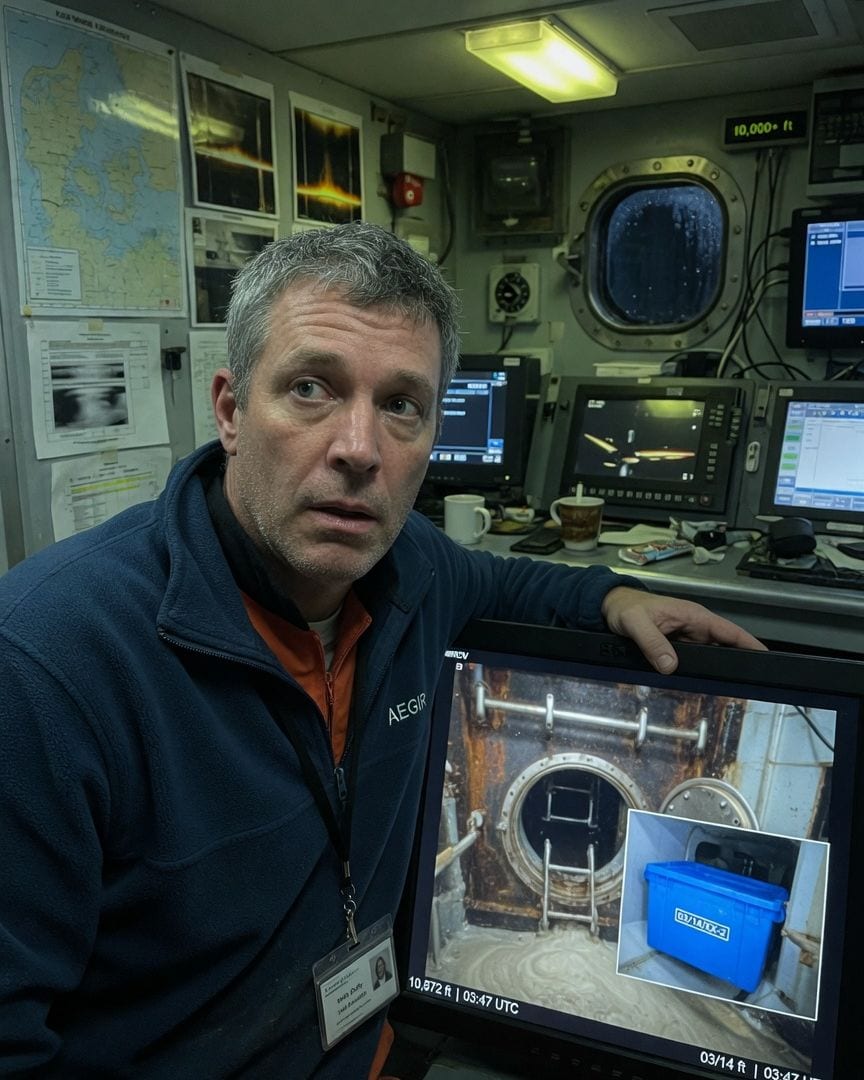 Declassified
Sonar operator Wells Duffy spent days on the RV Aegir, mapping the frigid depths of the Denmark Strait. He was nearing the end of his eleven-day mission when his vessel's transducers painted an impossible image. Deep in a trench, the USS Gale Prescott, a submarine lost with seventy-one souls in 1968, rested upright and perfectly preserved. But as the ROV's camera pushed into the gloom, it revealed a vibrant blue plastic container, clearly not from 1968, bearing a digital date stamp from just two years prior, chilling Wells Duffy to his core.
12 min read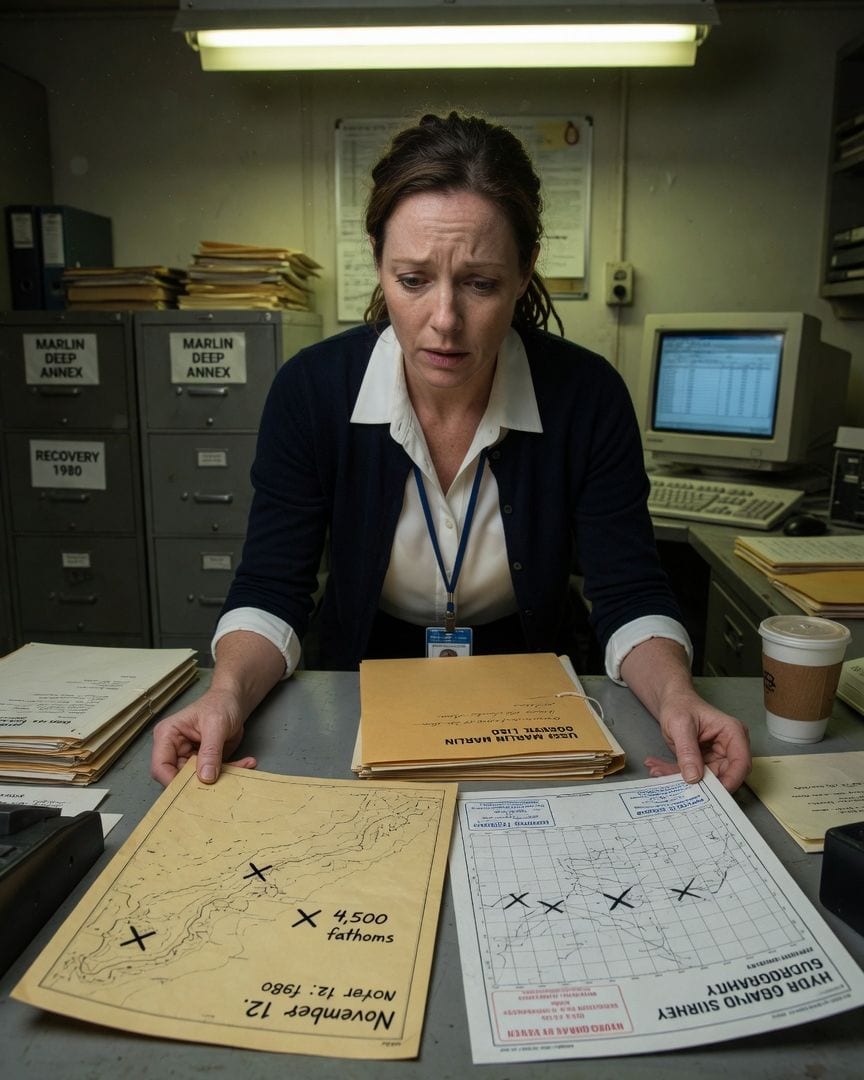 Declassified
In the quiet, cold Navy archives, records reviewer Catherine Berrigan unearthed the sealed file of the USS Marlin Deep, a Cold War submarine lost with all hands in 1978. Decades of unanswered pleas from Captain Caldwell’s widow, Dorothy, filled the binder, seeking closure for her husband’s vanishing. But among the tragic records, Catherine found a crudely hand-drawn map, dated two years after the sub was declared lost, marking its exact deep-ocean location. The captain’s own distinct handwriting on the chart left her with a chilling, impossible question: how could he have charted his own wreck two years beyond the grave?
14 min read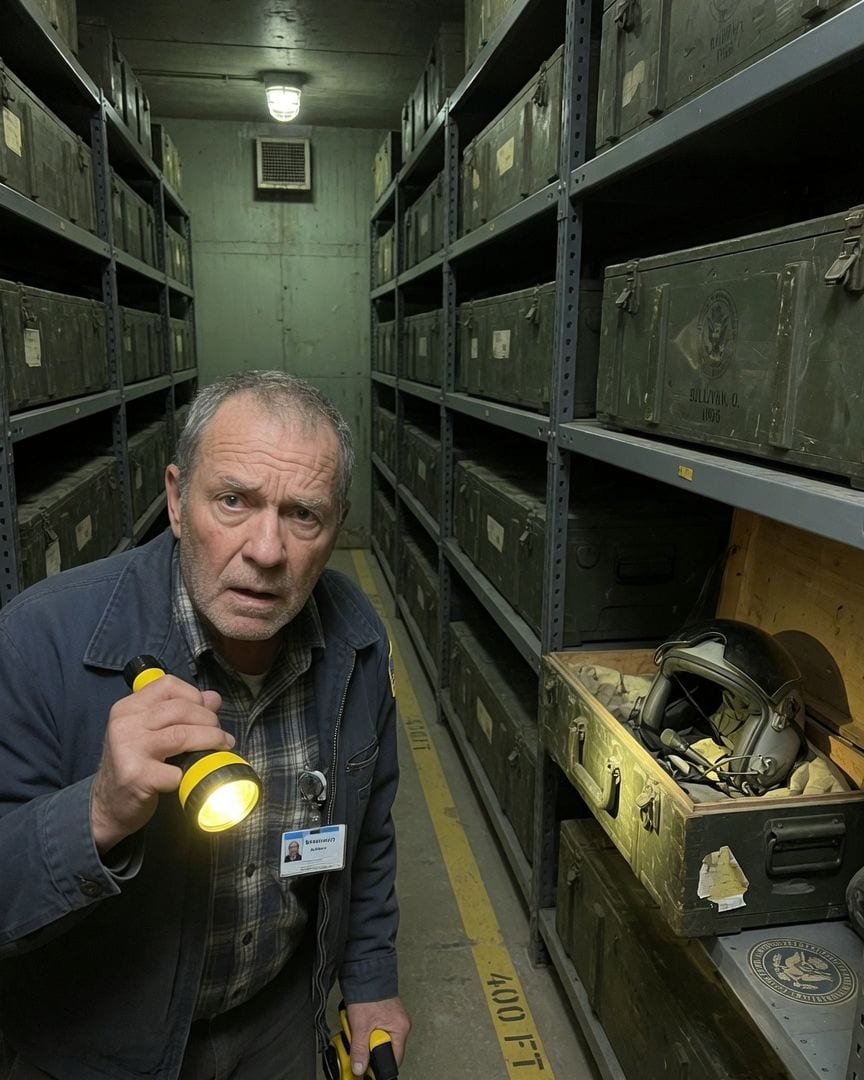 Declassified
Barrow Nunnelly, a sixty-three-year-old auditor, faced his last contract before retirement: an audit of Cheatham Storage Cave 3. The vast, subterranean chamber, humming at a steady fifty-two degrees, was officially four hundred feet long, a fact confirmed by decades-old blueprints. Yet, Barrow’s measuring wheel clicked past four hundred, then five hundred, finally stopping at an impossible six hundred eleven feet. Beyond the charted length, he found older industrial units holding military-grade crates with obsolete federal seals, culminating in a sealed container from 1966 holding a worn flight helmet bearing the name "SULLIVAN, O." The cold silence of the cave now held an impossible, untold story.
10 min read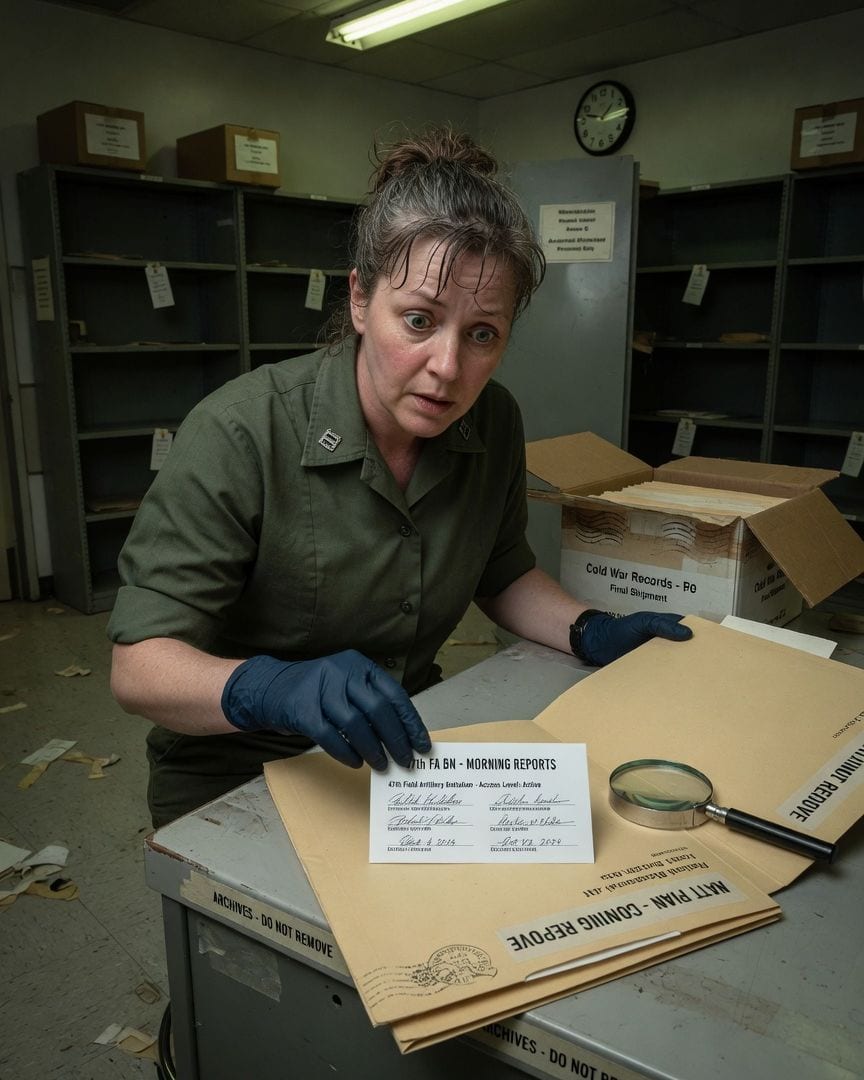 Declassified
Warrant Officer Nell Kastrup felt the chill of the closing National Records Center Annex more acutely than usual. Her transfer was weeks away, and the last boxes of forgotten Cold War paper were being shipped out. Her hand hovered over a dusty file box labeled '47th FA BN - MORNING REPORTS', requested by a pristine letterhead from 'Peach Blossom Post Office, NC'. Nell knew Peach Blossom was dismantled, its post office closed, its land absorbed into fields since 1974. Yet, here was a letter, dated yesterday, from a place that no longer existed.
11 min read